Kitvore.com

Kitvore.com

Specs that matter. Gear that fits.

Winter Sports Equipment

Snowboard

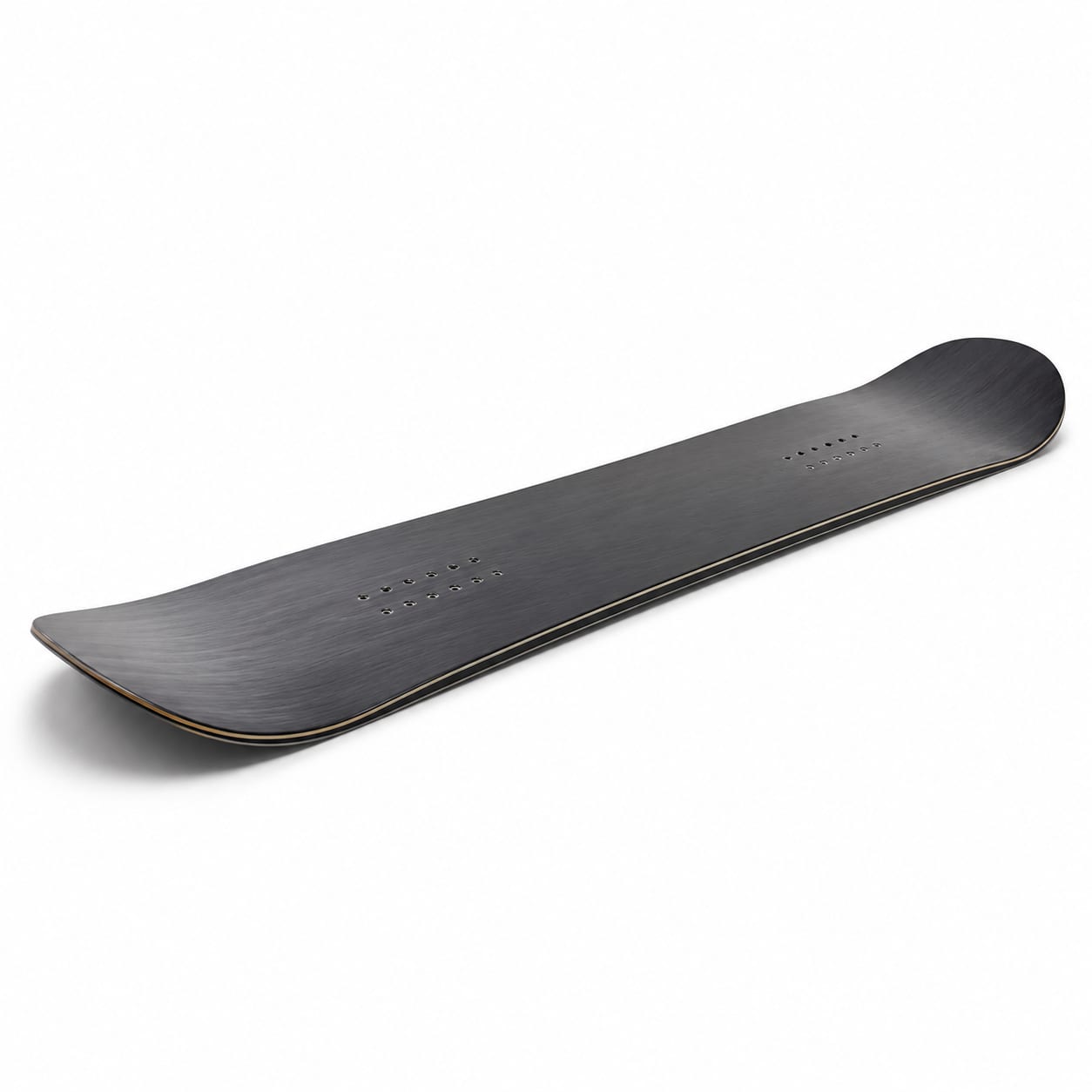
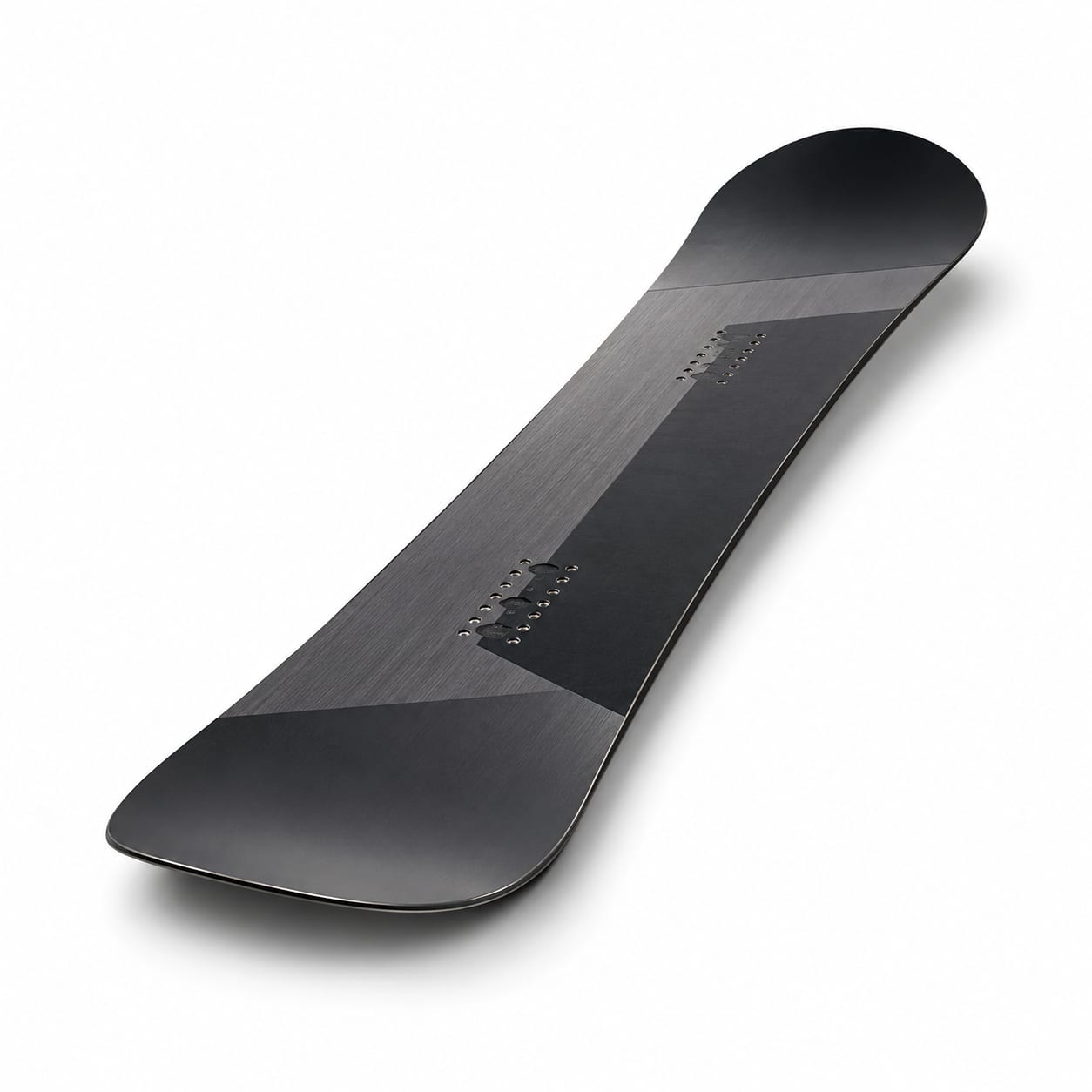
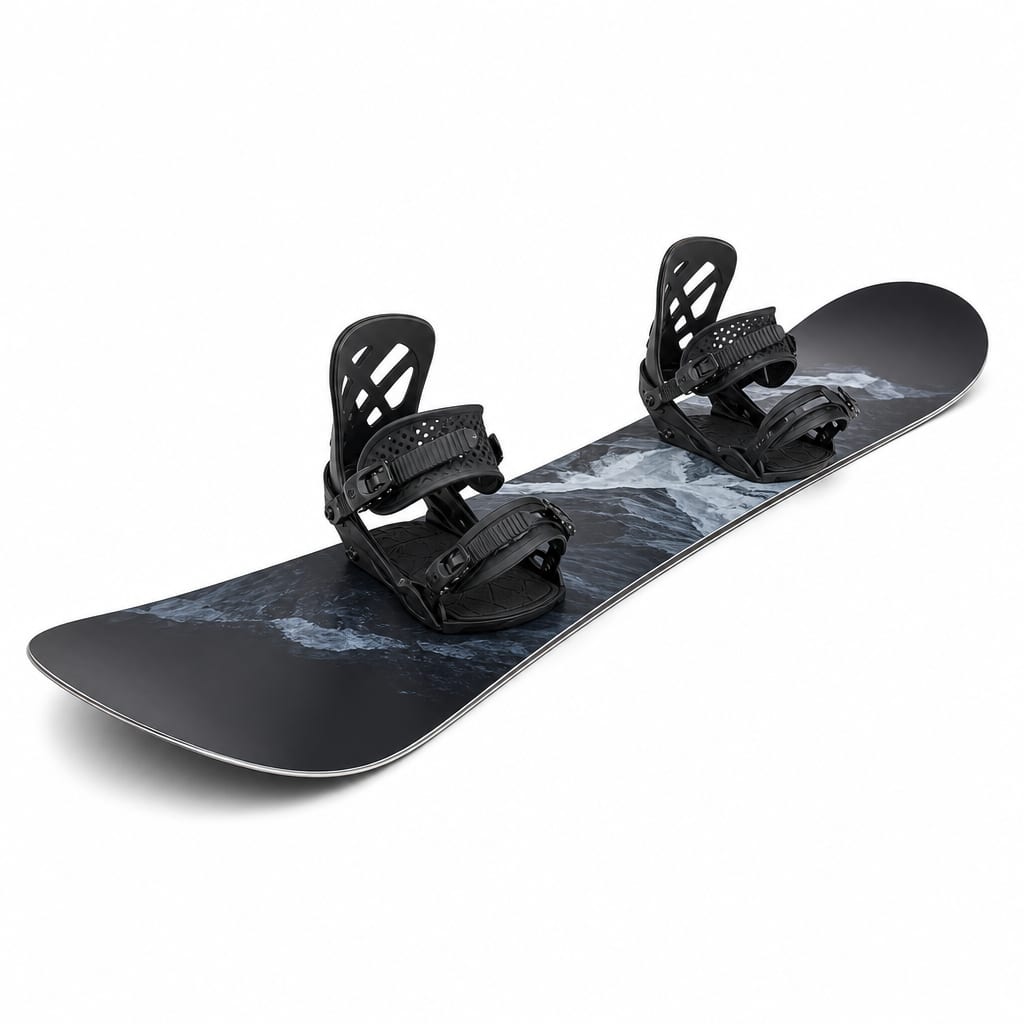
A board ridden in a surfing position down snow-covered slopes, designed for descending mountains, terrain parks, and backcountry terrain.

Beginner riders seeking easy-to-control boardsAll-mountain freeriders wanting versatile performancePark and pipe riders prioritizing pop and maneuverabilityBackcountry splitboarders accessing off-piste terrain

16

Key specs

11

Subcategories

5

Related gear topics

Snowboard

Overview

What this equipment is for

Snowboards vary significantly in geometry, construction, and flex to serve different riding styles and conditions. Key differentiators include camber profile, shape, flex, and dimensional specs that determine how the board performs on snow.

Related equipment

Snowboard BindingsSnowboard BootsSplitboardSnowboard GogglesAvalanche Safety Gear

Buying specs

Specs worth understanding before you buy

Each spec explains how it affects performance, fit, and whether a product suits your style and use case.

Board Geometry

Physical dimensions that define the board's shape and size, directly affecting how it rides and who it fits.

Length

Board Length

Importance

The total length of the snowboard measured in centimeters from tip to tail. The primary sizing dimension affecting stability, float, and maneuverability.

Typical range: 90–175 cm

Generally, the board should reach between your chin and nose when stood on end. Shorter boards are more maneuverable and better for park riding; longer boards offer more stability and float in powder. Weight is actually a more critical factor than height—always check the manufacturer's recommended weight range for a given length.

Waist Width

Waist Width

Importance

The narrowest point of the snowboard's running surface, measured in millimeters. Determines boot-to-edge leverage and toe drag risk.

Typical range: 235–280 mm

Boot size is the key factor. Riders with US men's size 11+ boots typically need a wide or mid-wide board (250mm+ waist) to prevent toe and heel drag. Narrower boards offer quicker edge-to-edge transitions. Check that your boots overhang no more than ~1 inch on each side when centered on the board.

Sidecut Radius

Sidecut Radius

Importance

The radius of the imaginary circle formed by the board's edge curve. Determines the natural turning radius of the board.

Typical range: 5–12 m

Smaller sidecut radius (5–7m): Quicker, tighter turns; great for trees, bumps, and park. Medium (7–9m): Versatile all-mountain turning. Large (9m+): Long, sweeping carves at speed; best for wide-open groomers and big mountain. Some boards feature multi-radius sidecuts for varied turn shapes.

Effective Edge

Effective Edge Length

Importance

The length of the edge that actually contacts the snow during a turn, measured in centimeters. Excludes the tip and tail kick areas.

Typical range: 80–160 cm

Longer effective edge = more edge hold and stability at speed, but harder to initiate turns. Shorter effective edge = quicker turns and easier spin initiation, but less grip on hardpack. Two boards of the same length can have very different effective edges depending on tip/tail shape.

Stance Setback

Stance Setback

Importance

How far back from the board's center the reference stance position is placed, measured in millimeters. Affects float and directional performance.

Typical range: 0–60 mm

0mm setback (centered): Twin and park boards for equal switch/forward riding. 10–20mm: Slight setback for all-mountain versatility. 25–40mm: Freeride and powder boards for enhanced float. 40mm+: Deep powder specialist boards. More setback shifts weight toward the tail, helping the nose rise in soft snow.

Taper

Taper

Importance

The difference between the nose width and tail width of the board, measured in millimeters. Greater taper enhances powder float.

Typical range: 0–30 mm

0mm taper: Twin and symmetrical boards for park and switch riding. 1–5mm: Slight taper common in directional twins. 6–15mm: Moderate taper for freeride and all-mountain powder performance. 16mm+: Aggressive taper for deep powder specialists. More taper = more float but less switch capability and hardpack performance.

Profile & Shape

Design characteristics that define the board's on-snow behavior, turning tendencies, and directional properties.

Profile

Camber Profile

Importance

The longitudinal curvature of the snowboard when laid flat. The single most influential design element on how a board feels and performs.

Camber

Traditional upward arc between contact points with the center raised off the snow.

Rocker / Reverse Camber

Downward curve with the center touching snow and tips raised, opposite of camber.

Flat / Zero Camber

The board lies flat on the snow with no positive or negative camber.

Hybrid Camber

Camber between the feet with rocker zones in the tip and tail (e.g., CamRock, Flying V).

Beginners should start with rocker or hybrid profiles for forgiveness. Intermediates benefit from hybrid camber for versatility. Advanced riders often prefer camber for hard-charging performance. Powder-focused riders should prioritize rocker or directional profiles.

Shape

Shape

Importance

The outline symmetry of the snowboard. Determines stance positioning, switch capability, and intended riding direction.

True Twin

Fully symmetrical tip and tail with centered stance. Identical riding in both directions.

Directional Twin

Symmetrical outline but with stance set back slightly from center.

Directional

Distinctly different nose and tail shapes with a setback stance. Designed to ride primarily forward.

Tapered Directional

Directional shape with a wider nose and narrower tail (taper). Maximum float design.

If you spend significant time riding switch or in the park, choose a twin shape. For all-mountain versatility, directional twin is the most popular. Dedicated freeriders and powder hounds should look at directional or tapered directional shapes.

Nose/Tail Shape

Nose and Tail Shape

Importance

The geometric shape of the board's tip and tail, affecting float, plow-through, and swing weight.

Blunt

Short, squared-off tip and tail reducing swing weight.

Pointed

Traditional tapered point at tip and/or tail for slicing through snow.

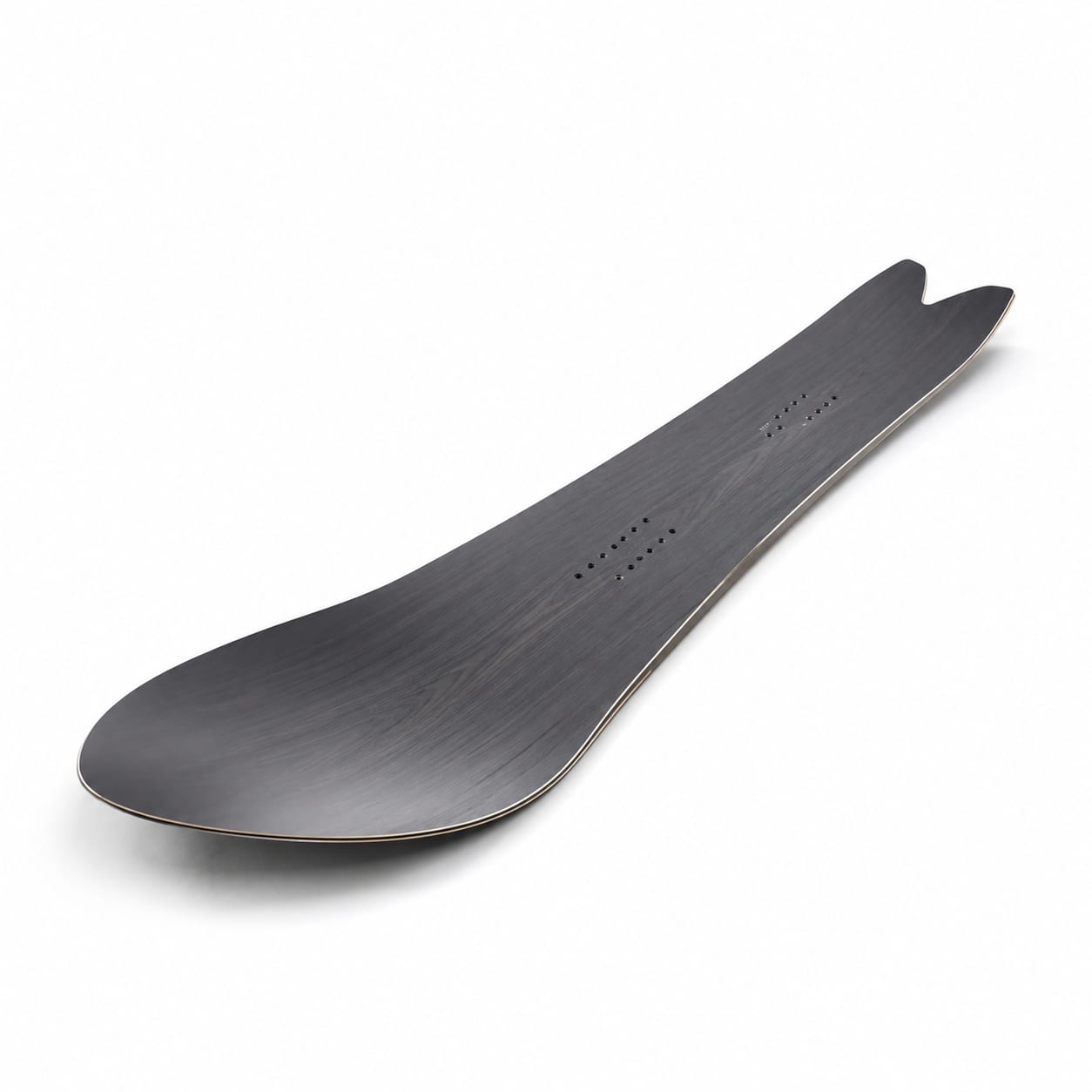
Swallow Tail

Deep V-shaped cut in the tail, inspired by surfboards.

Forked / Split Tail

Tail split into two prongs, a less extreme version of swallow tail.

Most riders don't need to prioritize this. Park riders benefit from blunt shapes. Powder seekers should consider swallow or forked tails. The vast majority of all-mountain boards use standard pointed or slightly rounded shapes.

Performance & Feel

Attributes that determine how the board responds to rider input and terrain conditions.

Flex

Flex Rating

Importance

The stiffness of the snowboard, typically rated on a 1–10 scale. Affects responsiveness, stability, and ease of turning.

Typical range: 1–10

Soft flex (1–3): Beginners, park jibbers, and lightweight riders. Medium flex (4–6): All-mountain versatility, most riders. Stiff flex (7–10): Aggressive riders, high-speed carving, heavy riders, big mountain. Note that flex scales vary between brands—a 5 at one brand may feel like a 7 at another.

Terrain / Riding Style

Terrain Type

Importance

The primary terrain and riding style the board is designed for. The most fundamental categorization used by brands and retailers.

All-Mountain

Versatile boards designed to handle the entire mountain—groomers, trees, park, and some powder.

Freestyle / Park

Boards optimized for terrain parks, pipes, rails, and freestyle tricks.

Freeride

Boards built for riding off-piste, steep terrain, and ungroomed snow at speed.

Powder

Specialized boards designed primarily for deep snow float and performance in untracked powder.

Most riders should start with all-mountain boards. Choose freestyle if you primarily ride park. Choose freeride or powder if you chase storms and avoid groomers. Splitboards are for backcountry access—don't buy one if you only ride resorts.

Ability Level

Ability Level

Importance

The rider skill level the board is designed and optimized for.

Beginner

Soft, forgiving boards with rocker or flat profiles for easy turn initiation and reduced edge catches.

Intermediate

Medium flex boards with hybrid profiles offering a balance of forgiveness and performance.

Advanced

Stiffer, more responsive boards requiring precise input. Often camber or hybrid profiles.

Expert

The stiffest, most demanding boards designed for maximum performance at the highest level.

Be honest about your ability. A board above your level will fight you and slow progression. A board below your level will feel noodly and unstable. When in doubt, size down in stiffness rather than up.

Construction

Materials and mounting systems that affect weight, speed, durability, and binding compatibility.

Core Material

Core Material

Importance

The primary wood or composite material forming the board's internal structure. Affects weight, flex, pop, and dampening.

Poplar

The most common core wood. Balanced flex, good pop, and reasonable weight.

Paulownia

Lightweight tropical hardwood often used in premium and splitboards.

Bamboo

Fast-growing grass used for its excellent strength-to-weight ratio and lively flex.

Aspen / Enhanced Wood

Light, strong wood often combined with denser stringers for targeted performance zones.

Most riders won't notice dramatic differences between quality wood cores. Focus on flex and profile first. Core material matters most for weight-conscious riders (splitboarders) or those seeking specific feel characteristics. Many boards use blended cores.

Base Material

Base Material

Importance

The material on the board's running surface that contacts the snow. Affects speed, durability, and maintenance requirements.

Extruded

Polyethylene base formed by melting and extruding. Lower density, no wax absorption.

Sintered

Polyethylene base formed by compressing pellets under high heat. Porous structure absorbs wax.

Sintered High-Density

Premium sintered base with higher molecular weight for maximum speed and durability.

Sintered Carbon-Infused

Sintered base with carbon additives for reduced friction and enhanced speed.

Casual riders and beginners: extruded is fine and low maintenance. Anyone serious about performance: sintered is worth the waxing commitment. Racers and speed freaks: high-density sintered. The speed difference between extruded and sintered is noticeable on flat traverses and cat tracks.

Insert Pattern

Insert Pattern

Importance

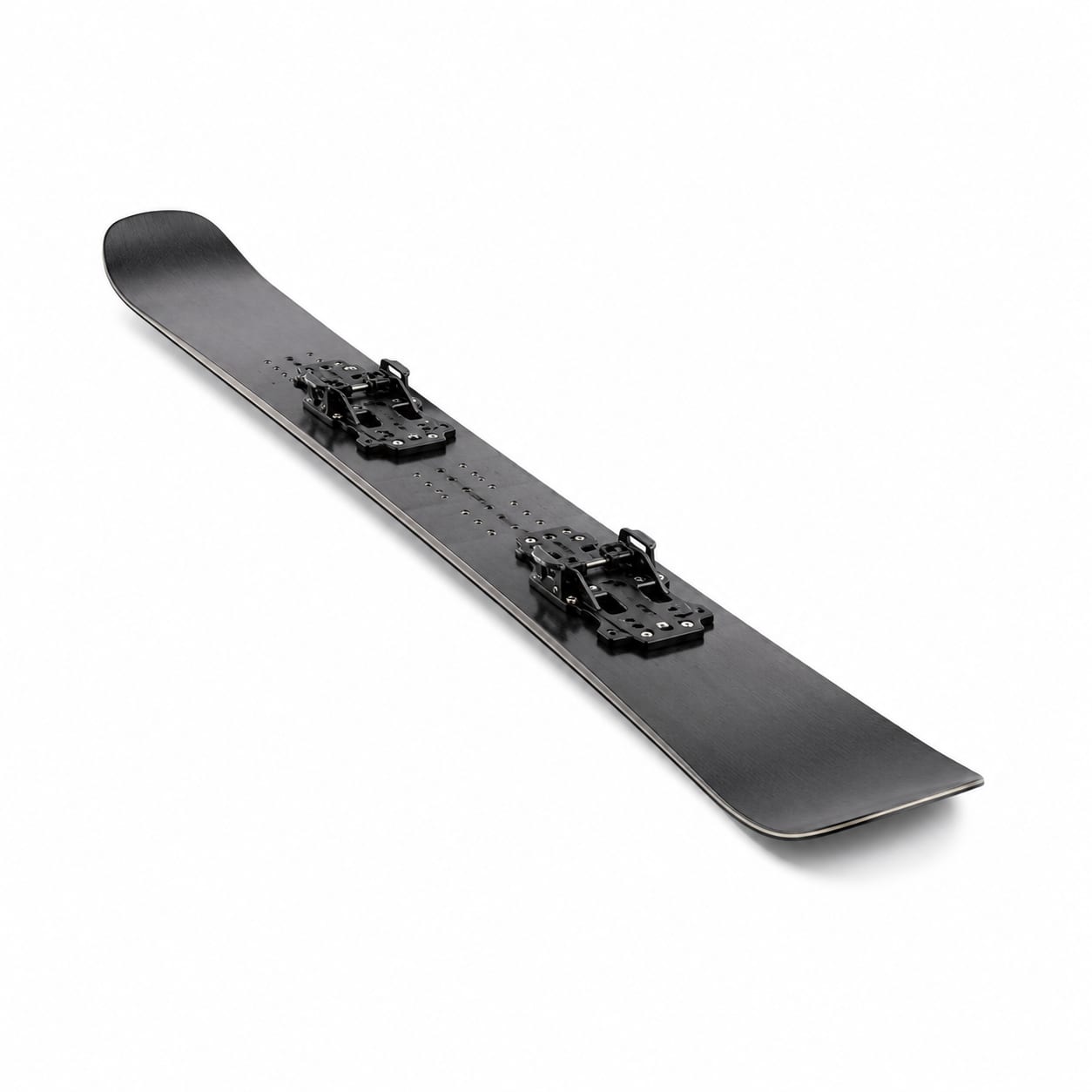
The bolt hole pattern on the board for mounting bindings. Determines binding compatibility and stance adjustability.

4x4

Two rows of inserts spaced 4cm apart in both directions. The most common pattern.

2x4

Two rows of inserts spaced 4cm apart lengthwise but only 2cm apart across the board.

3D

Burton's proprietary triangular insert pattern with three holes per disc position.

The Channel (Burton)

Burton's modern system using two slots running lengthwise instead of fixed inserts.

Check your binding compatibility before buying. Most modern bindings include multiple disc options. Burton Channel boards require compatible bindings or adapter discs. If you own non-Burton bindings, verify they include a Channel disc or avoid Channel boards.

Rider Fit

Sizing dimensions that ensure the board is appropriate for the rider's body and skill level.

Rider Weight Range

Recommended Rider Weight Range

Importance

The manufacturer's recommended rider weight range for optimal board performance. The most important sizing factor beyond board length.

Typical range: 30–130 kg

Always prioritize the manufacturer's weight range over height-based sizing. A rider who is tall but light should size down; a short but heavy rider should size up. Being at the upper end of the weight range gives more board control and pop; being at the lower end gives easier turn initiation and a more playful feel.

Waist Width

Waist Width

Importance

The narrowest point of the snowboard's running surface, measured in millimeters. Determines boot-to-edge leverage and toe drag risk.

Typical range: 235–280 mm

Boot size is the key factor. Riders with US men's size 11+ boots typically need a wide or mid-wide board (250mm+ waist) to prevent toe and heel drag. Narrower boards offer quicker edge-to-edge transitions. Check that your boots overhang no more than ~1 inch on each side when centered on the board.

Ability Level

Ability Level

Importance

The rider skill level the board is designed and optimized for.

Beginner

Soft, forgiving boards with rocker or flat profiles for easy turn initiation and reduced edge catches.

Intermediate

Medium flex boards with hybrid profiles offering a balance of forgiveness and performance.

Advanced

Stiffer, more responsive boards requiring precise input. Often camber or hybrid profiles.

Expert

The stiffest, most demanding boards designed for maximum performance at the highest level.

Be honest about your ability. A board above your level will fight you and slow progression. A board below your level will feel noodly and unstable. When in doubt, size down in stiffness rather than up.

Specs FAQ

Common questions about these buying specs

Plain-English answers for each spec and option — tap through for the full explanation.

How do I know what length snowboard is right for me?

A common starting point is that your board should reach somewhere between your chin and your nose when you stand it on end next to you. But that's just a rough guide—your weight actually matters more than your height. Always check the manufacturer's recommended weight range for any board you're considering, because a board that's too short for your weight will feel unstable and wash out, while one that's too long will feel sluggish and hard to control. Shorter boards are easier to maneuver and spin, making them great for park riding and quick turns. Longer boards give you more stability at speed and better float in deep snow, which is why freeriders and powder chasers tend to go longer. If you're a beginner or mostly ride groomers, something in the middle of your range is usually the safest bet. Don't forget that shape and width also play a role—a wide, short powder board can float just as well as a longer narrow one. When in doubt, size based on weight first, then tweak based on your riding style.

What does waist width mean on a snowboard, and how do I pick the right size for my boots?

Waist width is the narrowest point of the snowboard, measured in millimeters. It's a critical spec because it determines your boot-to-edge leverage and whether your toes or heels will catch the snow—known as toe drag—when you carve. Your boot size is the biggest factor in choosing the right waist width. If you wear a US men's size 11 or larger, you'll typically need a wide or mid-wide board (250mm or wider) to prevent your boots from hanging over the edges too much. For smaller boots, a narrower board is ideal because it offers quicker, snappier edge-to-edge transitions. A good rule of thumb is to make sure your boots overhang the edge by no more than about an inch on each side when centered. Also, keep your binding angles in mind: duck or forward angles can naturally pull your toes and heels in, reducing overhang compared to a flat, zero-degree stance.

Should I get a traditional camber snowboard, or is that outdated?

Traditional camber isn't outdated at all—it's still the go-to profile for riders who want maximum performance. A camber board has an upward arc underfoot, so the center sits slightly off the snow while the contact points near the tip and tail stay pressed into the snow. This gives you killer edge hold on hardpack, snappy pop off jumps, and precise, powerful carves. The tradeoff is that camber is less forgiving. Those same contact points that grip so well can also catch edges easily, especially when you're learning or riding loose. If you're still figuring out your turns or you spend most of your time in deep powder or the jib park, camber might fight you more than help you. Camber shines for experienced riders who charge groomers, hit big park jumps, or just love the feeling of a responsive, locked-in ride. If you've got your technique dialed and want a board that rewards aggressive input, traditional camber is hard to beat.

Should I get a rocker snowboard if I'm a beginner or mostly ride powder?

Yes, a rocker (also called reverse camber) snowboard is an excellent choice for beginners and powder riders. The board has a downward curve that puts the center on the snow with the tip and tail raised up—like a banana shape. This design makes it much harder to catch an edge, which is why beginners find rocker boards so forgiving and easier to learn on. In deep powder, rocker really shines. That raised nose naturally floats above the snow instead of diving down, so you spend less energy staying on top of fresh snow. It's also super playful in the park—presses and butters feel effortless because the board already wants to lift at the tips. The trade-off is edge hold and pop. On icy or hardpacked groomers, rocker doesn't grip as confidently as camber, and you won't get that snappy, powerful feel when loading up for ollies or carving turns. If you mostly ride soft snow or are just starting out, those downsides are easy to live with.

View all 47 spec questions about Snowboard

+43 more on the specs FAQ hub

Subcategories

Different styles, different picks

Each sub-type has its own guide with typical specs, trade-offs, and buying advice.

All-Mountain Snowboard

All-Mountain Snowboard

$300 – $800

dominant

Versatile snowboard designed to perform across varied terrain and conditions.

Medium flexDirectional twin or twin shapeHybrid or camber profiles
Freestyle Snowboard

Freestyle Snowboard

$300 – $700

common

Playful, twin-tip snowboard optimized for tricks, jumps, and terrain park riding.

True twin shapeSoft to medium flexRockered or flat profile
Freeride Snowboard

Freeride Snowboard

$400 – $900

common

Directional snowboard built for aggressive riding in off-piste and variable backcountry terrain.

Directional shapeStiff flexSet-back stance
Powder Snowboard

Powder Snowboard

$400 – $900

niche

Specialized snowboard with maximum float and surfy feel for deep powder conditions.

Dramatic setback stanceWide rockered noseTapered tail
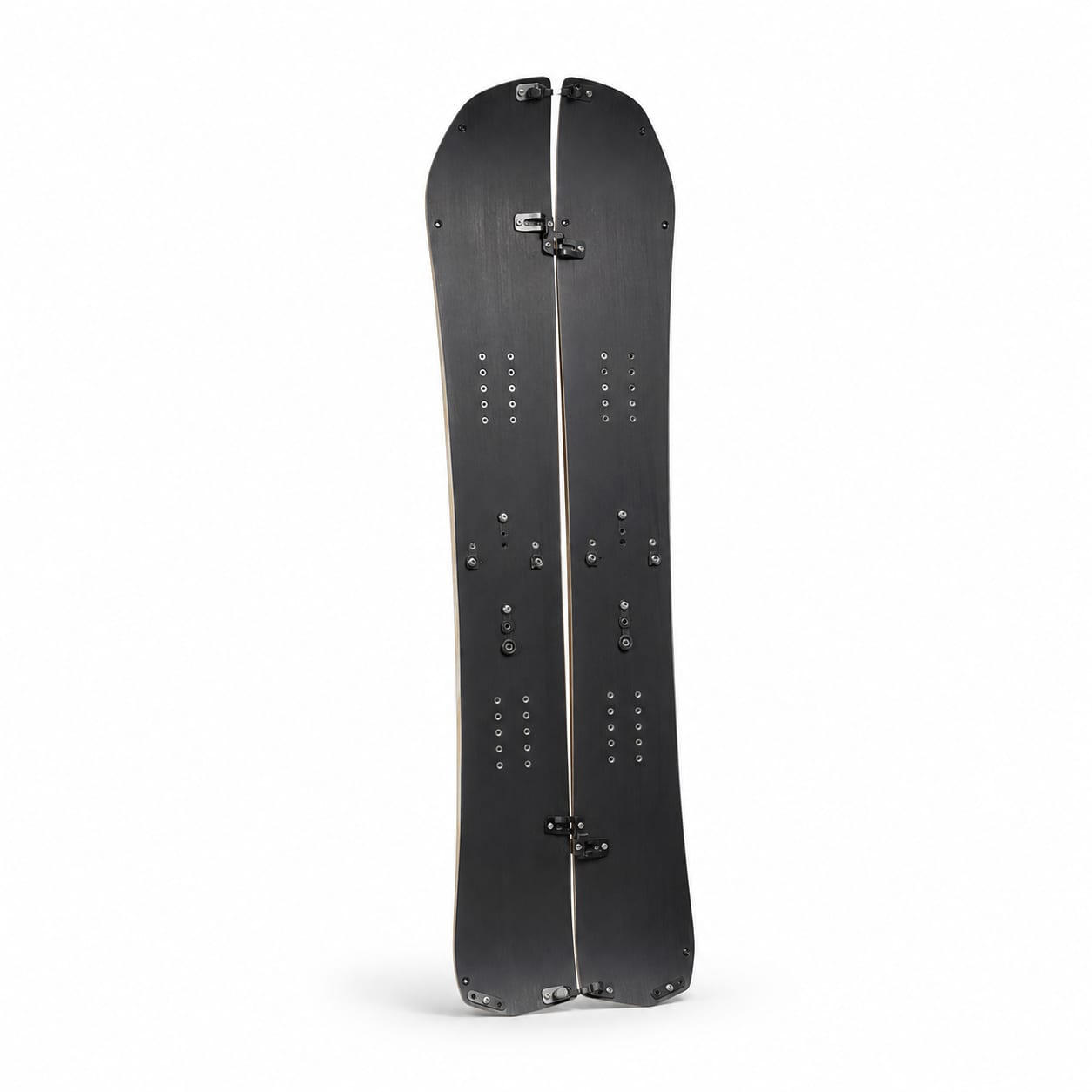
Splitboard

Splitboard

$600 – $1300

niche

Snowboard that splits into two skis for uphill touring and reconnects for downhill riding.

Split-lengthwise constructionTouring hardware compatibilityHeavier than solid boards
Park & Jib Snowboard

Park & Jib Snowboard

$250 – $600

niche

Ultra-soft, durable snowboard designed specifically for rails, boxes, and technical park features.

Ultra-soft flexFlat or rockered profileReinforced edges
Carving Snowboard

Carving Snowboard

$400 – $850

specialty

Stiff, camber-dominant snowboard engineered for high-speed edge-to-edge turns on groomed runs.

Stiff flexFull camber profileAggressive sidecut
Race / Alpine Snowboard

Race / Alpine Snowboard

$600 – $1500

specialty

Competition-grade snowboard for alpine snowboard racing disciplines including giant slalom and slalom.

Narrow and long shapeExtremely stiff flexFull camber
Volume-Shifted Snowboard

Volume-Shifted Snowboard

$350 – $750

niche

Shorter, wider snowboard that redistributes volume for float and maneuverability in a compact package.

Shorter lengthWider waist widthMaintained surface area
Directional Twin Snowboard

Directional Twin Snowboard

$300 – $750

common

Snowboard with symmetrical outline but directional flex and stance for versatile all-mountain performance.

Symmetrical outlineDirectional flexSlight setback stance
Youth Snowboard

Youth Snowboard

$150 – $400

common

Sized and flex-tuned snowboard designed specifically for children and young teens learning to ride.

Short lengthsSoft flexNarrow waist width