
Cycling Helmet · FAQ
Questions about Commuter / Urban Helmet
Straight answers on fit, specs, and when this type makes sense — each topic has its own page with links back to the buying guide.
Open Commuter / Urban Helmet guide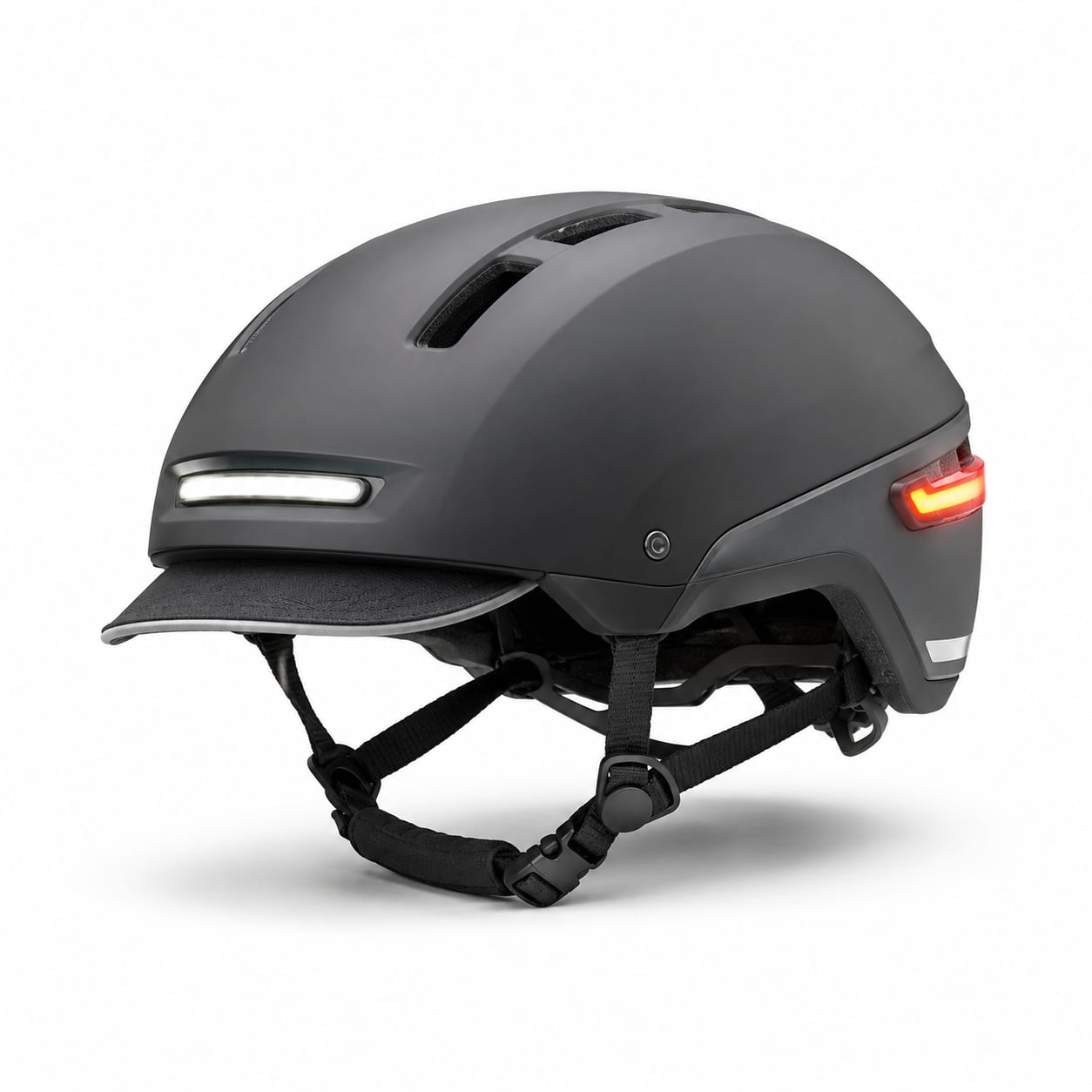
6 topics
Pick a question
Every answer links to the full subcategory guide and related gear types when it helps you decide.
Do I need a different helmet for e-bike commuting?
If you ride a standard Class 1 or Class 2 e-bike (assist up to 25 km/h), a regular CPSC/EN 1078 certified commuter helmet is adequate. However, if you ride a Class 3 e-bike or speed pedelec (assist up to 45 km/h), you should look for a helmet with NTA 8776 certification, which tests at higher impact velocities appropriate for your riding speed. Several commuter helmets now carry this certification, including models from ABUS, Bell, and Thousand.
Read answer →02Are integrated helmet lights bright enough to replace a separate rear light?
Integrated helmet lights are convenient and ensure you always have a rear light, but they typically produce 20-50 lumens compared to 50-200+ lumens from dedicated rear lights. For well-lit urban streets, integrated lights are adequate. For darker roads or higher-speed traffic, supplement the integrated light with a dedicated rear light mounted on your bike or bag. Think of the integrated light as your always-there baseline, not your only visibility tool.
Read answer →03Why are commuter helmets heavier than road helmets?
Commuter helmets use hardshell or more durable construction to withstand daily abuse—being dropped, stuffed in bags, and exposed to weather. They also include features road helmets don't: integrated lights, reflective elements, visors, and more substantial padding. These practical additions add 30-100g compared to minimalist road helmets. For typical commute durations (15-45 minutes), this weight difference is rarely noticeable or problematic.
Read answer →04Can I use a commuter helmet for weekend road rides?
You can, but you may find it warmer and less ventilated than a road helmet, especially on hot days or during high-intensity efforts. The aerodynamic drag is also higher, which matters more at road riding speeds. If you only ride occasionally on weekends, a commuter helmet works fine. If you ride regularly for fitness or sport, a dedicated road helmet will be more comfortable and perform better for those rides.
Read answer →05How do I clean a helmet that I wear every day?
Remove and hand-wash the interior pads with mild soap and warm water every 1-2 weeks, then air dry completely before reinserting. Wipe the shell with a damp cloth and mild soap—avoid solvents or harsh chemicals that can degrade the polycarbonate or EPS foam. Clean the strap with a damp cloth. For helmets with integrated lights, ensure the charging port cover is closed before cleaning. Never put a helmet in the dishwasher or washing machine.
Read answer →06Is MIPS worth it for a commuter helmet?
Yes. Urban crashes frequently involve oblique impacts—falling sideways off your bike, being clipped by a mirror, or sliding on wet pavement—which are exactly the type of impacts where rotational protection systems like MIPS provide the most benefit. The 10-35% reduction in rotational acceleration that MIPS provides is particularly relevant for the unpredictable, multi-directional crash scenarios common in urban environments. The small weight and cost premium is worthwhile for a helmet you wear daily.
Read answer →