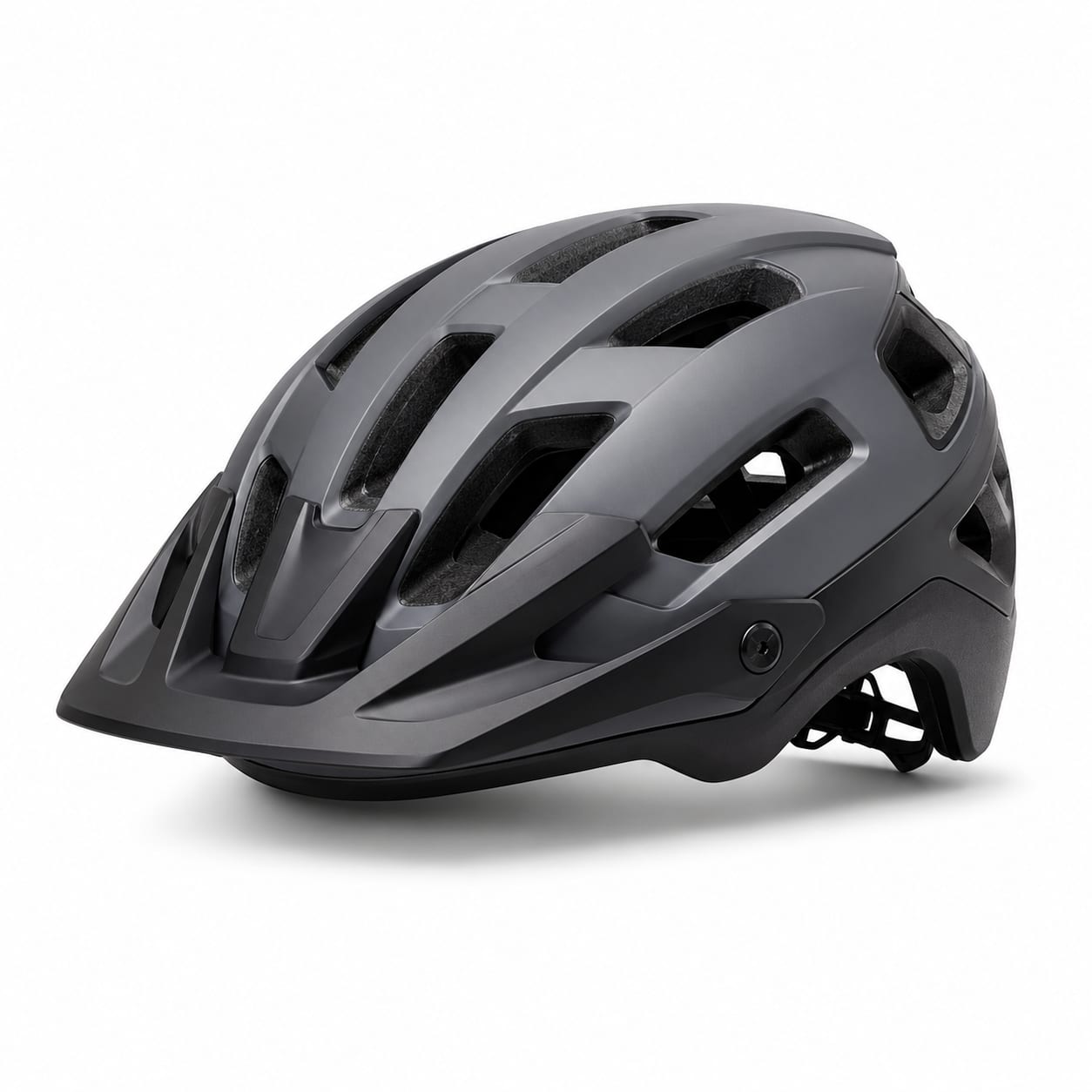
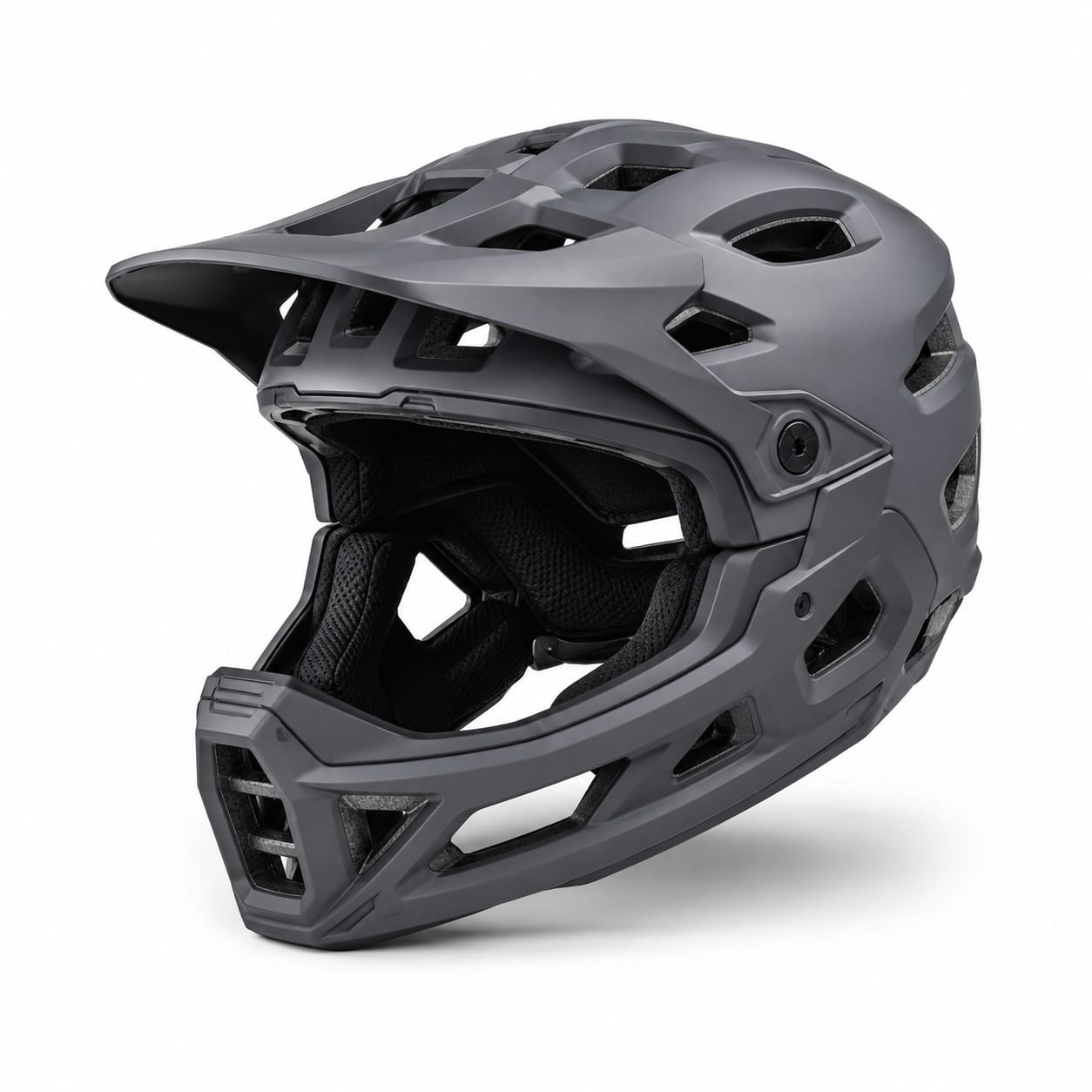
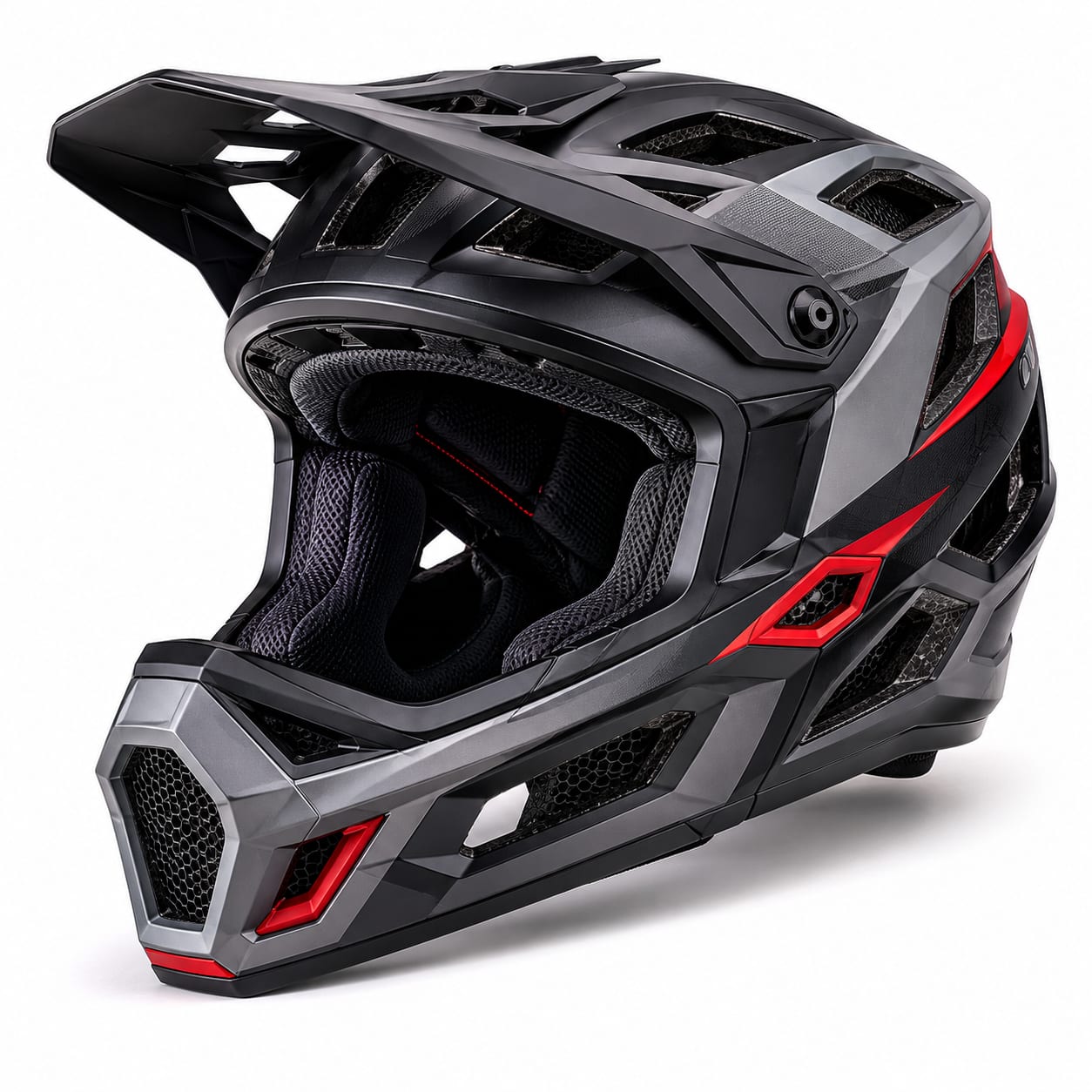
What it means
The discipline-specific category of the helmet, which determines its shape, coverage, ventilation pattern, and intended use scenario.
Typical for this type
Commuter Urban
In practice
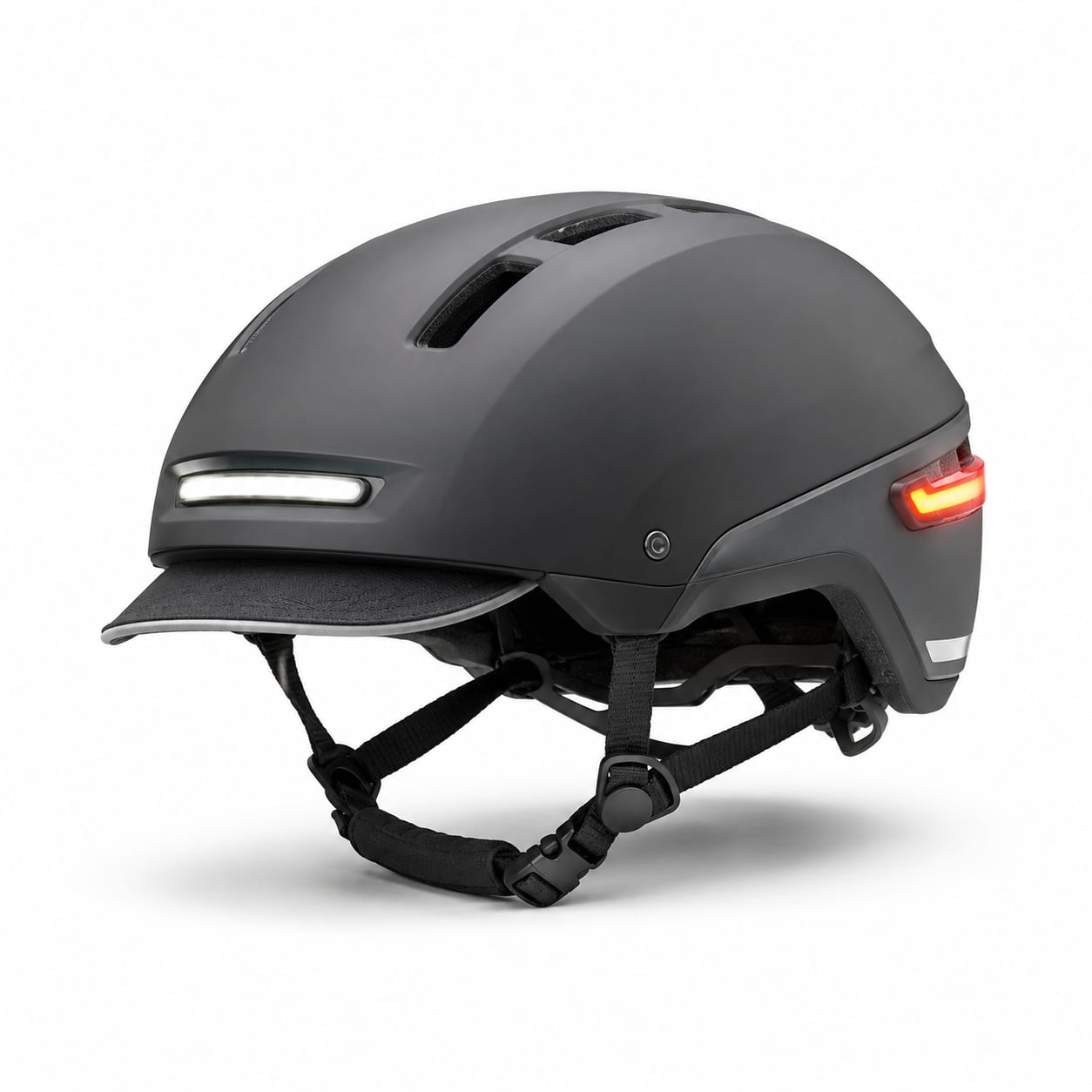
Commuter/urban helmets are defined by their type—emphasizing visibility, style, and everyday practicality over aerodynamic or trail-specific features. They feature a more rounded profile, often with integrated lights and reflective elements.
Compared to other types
Unlike road helmets that prioritize minimal weight and maximum vents, or MTB helmets that extend rear coverage for trail crashes, commuter helmets balance visibility, durability, and urban-appropriate aesthetics. They sacrifice some ventilation and aerodynamic optimization but gain critical safety features for traffic riding.
Why it matters: Helmet type determines the fundamental design philosophy, coverage pattern, ventilation approach, and feature set. Choosing commuter_urban ensures you get the visibility and durability features critical for city riding rather than aerodynamic or trail-specific features you won't use.
Certification Standard
Certification Standard
What it means
Safety certification standards the helmet meets, indicating the impact testing protocols and minimum protection levels verified by independent testing bodies.
Typical for this type
CPSC + EN 1078 Minimum; NTA 8776 For E-Bike Riders
Most common pick: CPSC, EN 1078
In practice
Most commuter helmets carry CPSC (US market) and EN 1078 (European market) baseline certifications. An increasing number also carry NTA 8776, the Dutch standard for speed pedelecs that tests at higher impact velocities.
Compared to other types
Commuter helmets are the only non-motorcycle category where NTA 8776 certification is commonly sought. Road and MTB helmets rarely carry this standard. Full-face MTB helmets may carry ASTM F1952 for downhill impacts, which addresses a different risk profile.
Why it matters: Baseline certification ensures minimum safety standards are met. NTA 8776 is particularly important for e-bike commuters who travel at higher speeds, as standard certifications may not adequately address the greater impact energies involved.
Rotational Protection System
Rotational Protection System
What it means
Technology designed to reduce rotational forces transmitted to the brain during oblique impacts, which are the most common type of cycling crash impact.
Typical for this type
MIPS Minimum; MIPS Spherical Or WaveCel For Premium Options
In practice
MIPS is the most common rotational protection system in commuter helmets, found in mid-range and premium models. Budget commuter helmets may lack rotational protection entirely. MIPS Spherical and WaveCel appear in premium commuter models.
Compared to other types
MIPS adoption is similar across road and commuter categories. MTB helmets more frequently feature MIPS Spherical or other premium systems due to higher crash risk. Budget commuter helmets are more likely to lack rotational protection than budget road helmets.
Why it matters: Urban crashes frequently involve oblique impacts from vehicle interactions and falls at speed. Rotational forces are the primary cause of traumatic brain injuries in cycling crashes, making this technology particularly relevant for commuters who face unpredictable traffic-related impacts.
What it means
The total mass of the helmet including all padding, retention system, and visor (if included), measured in grams.
Typical for this type
280-380g
Most common pick: 310g
In practice
Commuter helmets typically weigh between 280-380g, with the average around 310g. Hardshell construction and integrated features like lights add weight compared to road helmets. Premium lightweight commuter models can approach 280g, while feature-rich models with integrated lights and shields may exceed 380g.
Compared to other types
Commuter helmets are 30-100g heavier than road helmets (200-280g) due to hardshell construction, integrated lights, and more durable materials. They're lighter than MTB helmets with visors (280-380g) and dramatically lighter than full-face helmets (600-1000g).
Why it matters: While weight matters less for commuting than racing, a helmet that's too heavy can cause neck fatigue on longer commutes and may discourage daily use. The 280-380g range is generally comfortable for most adults for rides up to an hour.
Number of Vents
Number of Vents
What it means
The total number of intake and exhaust vents designed to channel airflow through the helmet for cooling.
Typical for this type
8-16 vents
Most common pick: 12
In practice
Commuter helmets typically feature 8-16 vents, fewer than road helmets but enough for adequate airflow during moderate-effort riding. The vent design often prioritizes rain resistance—smaller, angled vents that shed water while allowing some airflow.
Compared to other types
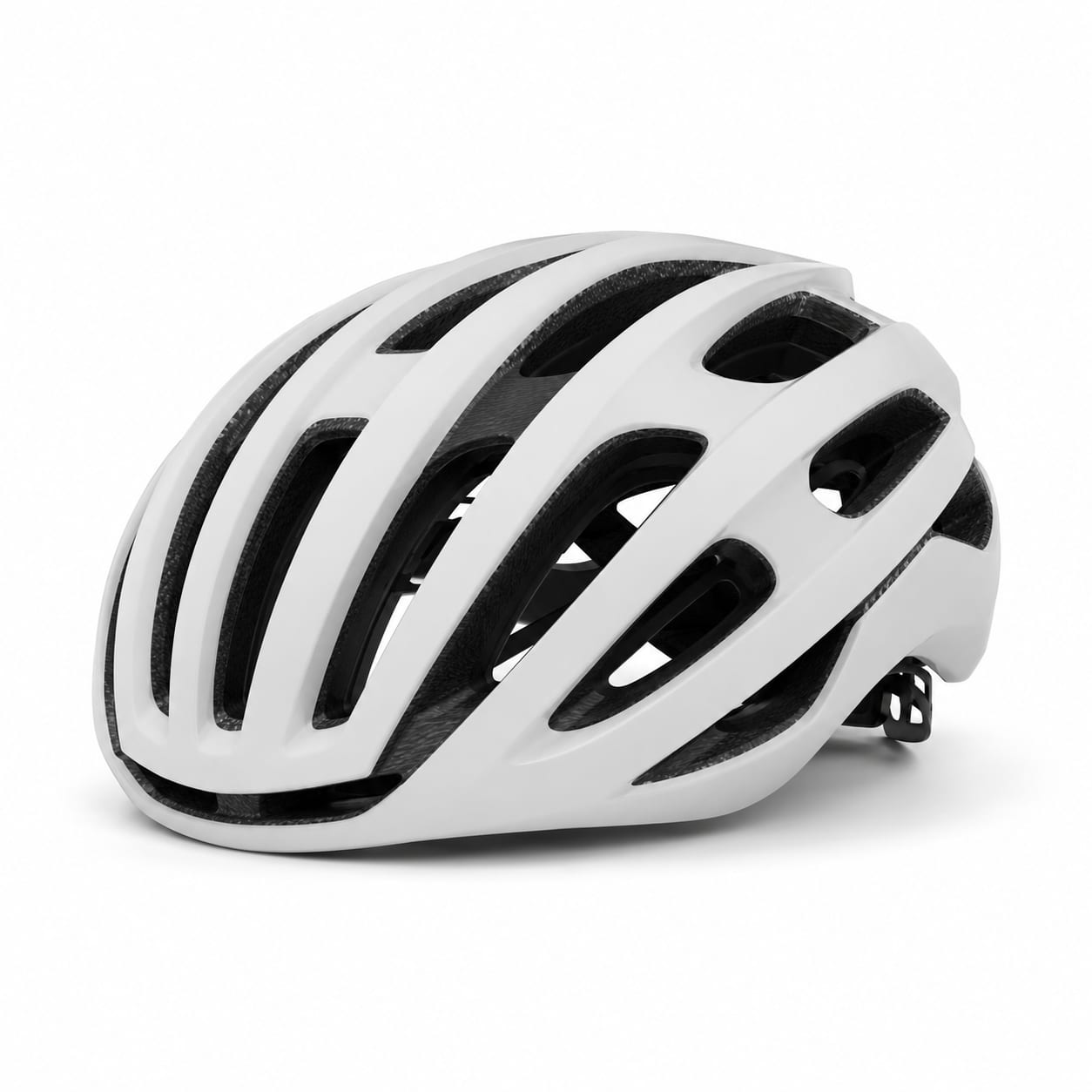
Road helmets have 18-28 vents for maximum cooling at high effort. Aero helmets have 4-12 vents prioritizing drag reduction. Commuter helmets fall in between, with vents designed for practical airflow rather than racing performance or aerodynamic optimization.
Why it matters: Commuters ride at lower intensities than racers, so extreme ventilation is less critical. However, inadequate ventilation leads to sweaty hair and discomfort, which can discourage helmet use. The balance between ventilation and weather protection is key for all-weather commuters.
Head Circumference Range
Head Circumference Range
What it means
The range of head circumferences the helmet is designed to fit, typically adjustable via the retention system within a specific size bracket.
Typical for this type
Ensure Your Measured Head Circumference Falls Within The Helmet'S Range; Most Adults Need 54-61cm
Most common pick: 54-61cm (one-size) or S/M/L sizing
In practice
Commuter helmets commonly use a one-size-fits-most approach covering 54-61cm, or two-size ranges (S/M: 51-58cm, L/XL: 58-63cm). Some brands offer three sizes. The dial retention system provides fine adjustment within each size bracket.
Compared to other types
Commuter helmets tend to have slightly more generous size ranges than road helmets, accommodating a wider variety of head shapes and the likelihood that commuters may wear hats, beanies, or headbands underneath in different weather conditions.
Why it matters: Proper fit is the most critical safety factor—a helmet that doesn't fit won't protect properly. Commuters who wear their helmets daily need a fit that's secure without creating pressure points that become painful over 30-60 minute rides.
Retention System
Retention System
What it means
The adjustable mechanism at the rear of the helmet that secures it to the head and allows on-the-fly adjustment for a stable, comfortable fit.
Typical for this type
Dial/Ratchet For Best Adjustability; BOA For Premium Feel
In practice
Dial/ratchet retention systems are standard on mid-range and premium commuter helmets, offering easy one-handed adjustment. Budget commuter helmets may use sliding buckle systems. BOA fit systems appear on select premium models.
Compared to other types
Retention system quality is similar across commuter and road categories at equivalent price points. MTB helmets more frequently feature rear dial with yoke systems for the additional stability needed on rough terrain. Commuter helmets prioritize ease of use over maximum security.
Why it matters: Commuters frequently adjust their helmets—tightening after putting on a hat in cold weather, loosening when arriving at a destination, or adjusting for comfort during a ride. Easy, reliable adjustment encourages proper fit, which is critical for safety.
Shell Construction
Shell Construction
What it means
The manufacturing method used to join the outer polycarbonate shell to the inner EPS foam liner, affecting durability, weight, and safety.
Typical for this type
Hardshell For Maximum Durability; Hybrid In-Mold For Premium Balance
In practice
Hardshell construction is common in commuter helmets because the separate ABS or tough polycarbonate outer shell resists the daily bumps, drops, and scrapes of urban life. In-mold construction appears in lighter commuter models. Hybrid in-mold is found in premium options.
Compared to other types
Road and aero helmets almost exclusively use in-mold construction for minimum weight. MTB helmets increasingly use hybrid in-mold for the durability-ventilation balance. Commuter helmets are the category where hardshell construction remains most common and most appropriate.
Why it matters: Commuter helmets endure more everyday abuse than performance helmets—being stuffed in bags, dropped on pavement, and exposed to urban elements. Hardshell construction better resists this wear, though at a weight penalty. The shell also won't separate from the foam in minor incidents.
Coverage Level
Coverage Level
What it means
The extent of head coverage provided by the helmet, particularly at the temples, rear, and base of the skull, beyond the minimum certification requirement.
Typical for this type
Extended Rear Recommended For E-Bike Commuters; Standard Road Acceptable For Casual Urban Riding
Most common pick: Standard Road to Extended Rear
In practice
Commuter helmets typically offer standard road to extended rear coverage. The rounded profile provides adequate temple and side coverage, while some models extend lower at the rear for additional occipital protection—particularly valuable for e-bike riders at higher speeds.
Compared to other types
Commuter helmets offer more coverage than road and aero helmets (minimal to standard) but less than enduro MTB helmets (full coverage). They occupy a middle ground that provides meaningful protection without the bulk of trail-specific designs.
Why it matters: Urban crashes often involve falls from height (being doored, hitting curbs) where rear and side impacts are common. Extended rear coverage provides additional protection for the occipital bone without the aggressive look of MTB-style helmets.
What it means
The type of visor or brim attached to the helmet for sun, rain, and debris protection, and whether it's removable or adjustable.
Typical for this type
Fixed Short Visor For Sun/Rain; Integrated Shield For All-Weather Commuters
Most common pick: Fixed Short Visor Or Integrated Shield
In practice
Commuter helmets commonly feature fixed short visors for sun and rain protection, or integrated shields that provide eye protection from wind, rain, and debris. Some models have no visor for a cleaner look. Removable visors are rare in this category.
Compared to other types
Road helmets typically have no visor. MTB helmets feature removable/adjustable visors for trail use. Commuter helmets uniquely offer integrated shields, which provide weather and eye protection without the need for separate sunglasses—ideal for riders who don't want to carry extra gear.
Why it matters: Urban commuters face frequent sun glare from low angles between buildings, rain, and debris from vehicles. A visor or shield provides practical protection that reduces the need for separate eyewear, simplifying the daily riding routine.
Padding System
Padding System
What it means
The type, material, and configuration of interior padding that contacts the head, affecting comfort, moisture management, and fit customization.
Typical for this type
Removable/Washable Minimum; Anti-Microbial Preferred For Daily Use
Most common pick: Removable/Washable Pads
In practice
Removable and washable pads are standard on most commuter helmets, essential for daily riders who sweat regularly. Anti-microbial treatments are increasingly common and worthwhile for helmets worn 5+ days per week. Premium models may feature multi-density zone pads.
Compared to other types
Commuter helmets benefit most from washable and anti-microbial pads because they're worn more frequently than performance helmets. Road and MTB helmets used for weekend rides may tolerate basic foam pads, but daily commuters need washable systems for hygiene.
Why it matters: Daily helmet use means daily sweat accumulation. Removable, washable pads are essential for hygiene and odor control. Anti-microbial treatment provides additional odor resistance between washes. Commuters who ride year-round should prioritize washable pads.
Chin Buckle Type
Chin Buckle Type
What it means
The type of buckle used on the chin strap, affecting ease of use, reliability, and safety.
Typical for this type
Standard Side-Release For Reliability; Magnetic (Fidlock) For Convenience
In practice
Standard side-release buckles are most common on commuter helmets, offering proven reliability and ease of use. Magnetic Fidlock buckles appear on premium commuter models, providing convenient one-handed operation—particularly valued by commuters who frequently remove and re-don helmets at stops.
Compared to other types
Road and aero helmets increasingly use magnetic Fidlock buckles for racing convenience. MTB and full-face helmets use standard side-release or double D-rings for maximum security. Commuter helmets are split between standard and magnetic options, with magnetic buckles becoming more common at higher price points.
Why it matters: Commuters may fasten and unfasten their helmets multiple times daily—at coffee shops, offices, and stores. A buckle that's easy to operate with one hand while holding bags or a bike lock is a meaningful quality-of-life feature for daily riders.
Reflective Elements
Reflective Elements
What it means
Presence and extent of reflective materials on the helmet for enhanced visibility in low-light conditions.
Typical for this type
Strategic Placement Minimum; Full Wrap For Maximum Low-Light Safety
In practice
Commuter helmets typically feature strategically placed reflective elements at the rear, sides, and strap anchors—designed for real-world visibility rather than just aesthetic accents. Full wrap reflective designs are available on safety-focused commuter models.
Compared to other types
Road and aero helmets typically have minimal or no reflective elements. MTB helmets have minimal decals. Commuter helmets are the only category where strategic and full-wrap reflective placement is standard and safety-driven, making them the clear choice for low-light riding.
Why it matters: Low-light visibility is a critical safety concern for urban commuters who ride during dawn, dusk, or nighttime. Reflective elements provide passive visibility that works without batteries and supplements active lighting. This is the area where commuter helmets most significantly outperform other categories.
Integrated Light Mount
Integrated Light Mount
What it means
Built-in mount or attachment point for rear lights, either as a dedicated clip, magnetic mount, or integrated light.
Typical for this type
Integrated Light For Always-There Convenience; Magnetic Mount For Easy Removal And Charging
Most common pick: Clip Mount Or Integrated Light
In practice
Commuter helmets frequently feature clip mounts or integrated rear lights. Integrated lights ensure you always have a rear light and can't forget it, while clip and magnetic mounts offer flexibility. Some premium models include brake lights and turn signals.
Compared to other types
Road, aero, and MTB helmets rarely feature integrated light mounts. Commuter helmets are the primary category where this feature is common and expected. This is a significant practical advantage for daily riders who need reliable visibility without managing separate accessories.
Why it matters: A rear light is essential for urban cycling visibility, and an integrated mount ensures it's always there. Commuters who've forgotten their clip-on light at home know the vulnerability of riding without one. Integrated solutions eliminate this risk entirely.
Aerodynamic Optimization
Aerodynamic Optimization
What it means
The degree to which the helmet is designed to reduce aerodynamic drag, from no consideration to purpose-built time trial aerodynamics.
Typical for this type
No Aero Optimization to Aero-Informed Design
In practice
Most commuter helmets have no aerodynamic optimization, prioritizing visibility features and durability over drag reduction. Some modern commuter helmets incorporate aero-informed design principles—smoother surfaces and vent shaping that reduce drag without sacrificing practical features.
Compared to other types
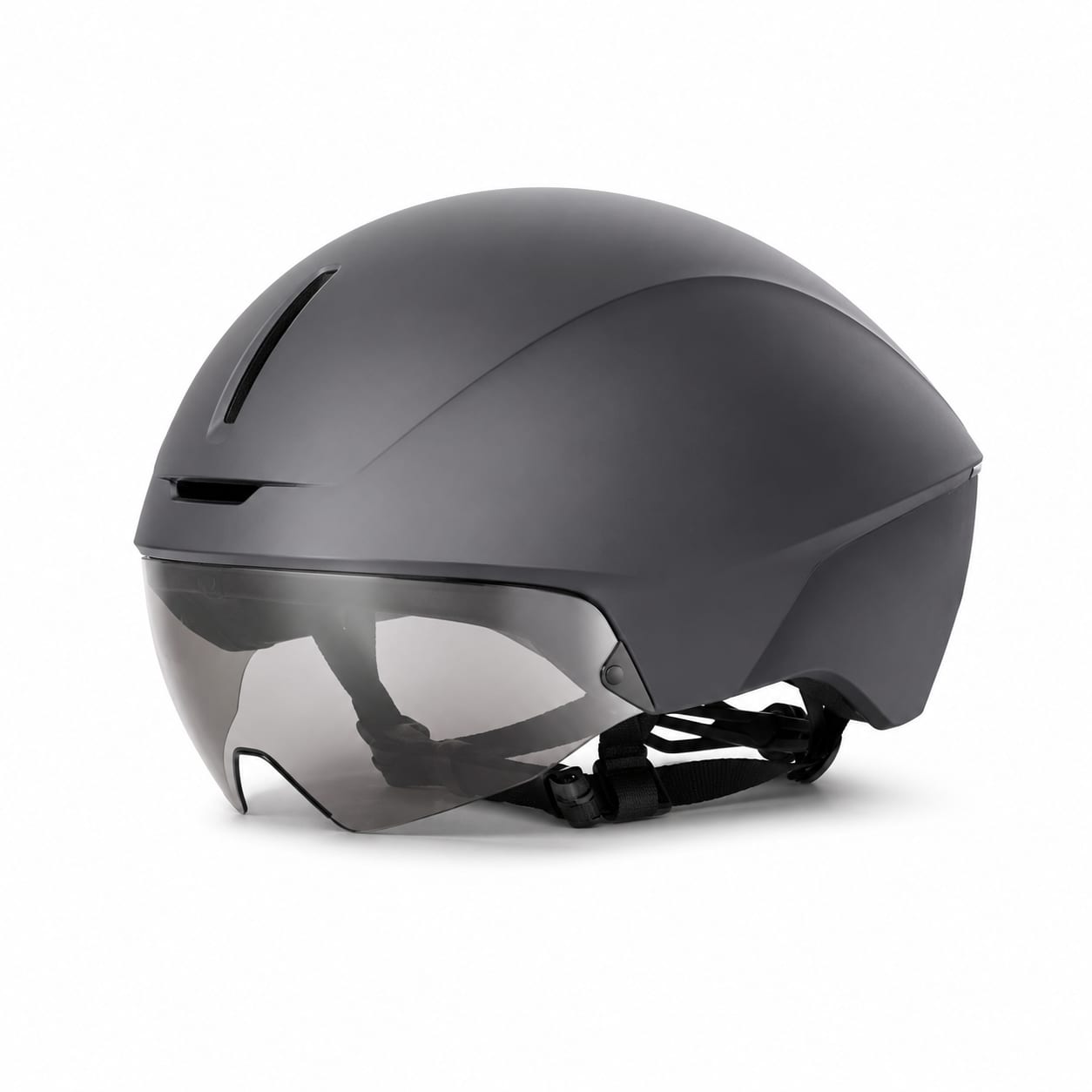
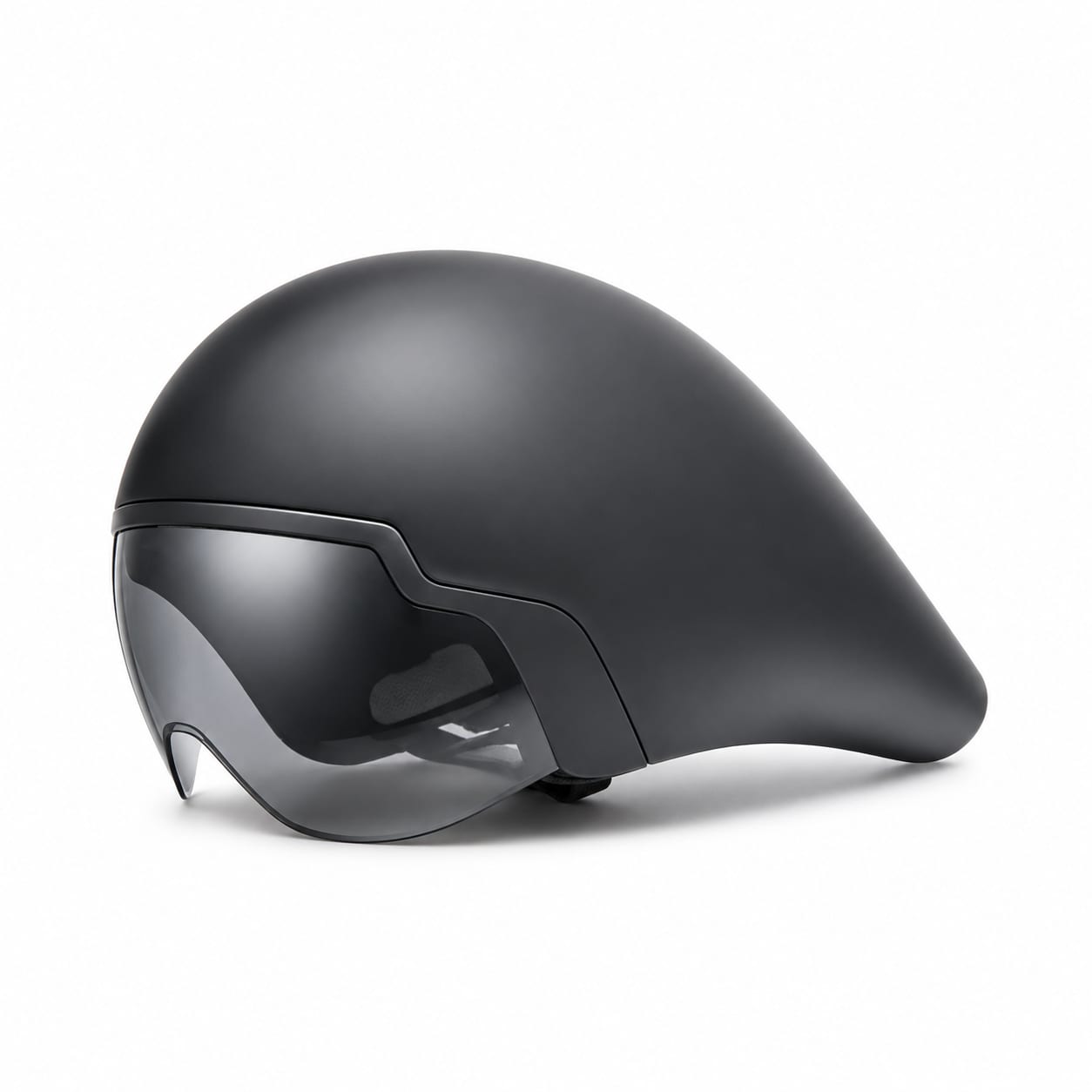
Road helmets feature aero-informed to aero-road optimization. TT helmets are fully aero-optimized. Commuter helmets correctly deprioritize aerodynamics in favor of visibility, durability, and practical features that matter more for daily urban riding.
Why it matters: At typical commuting speeds (15-25 km/h), aerodynamic drag from the helmet is negligible. The small speed gains from aero optimization are irrelevant for commuting, where traffic, stops, and safety far outweigh marginal aerodynamic benefits.
Strap Adjustment System
Strap Adjustment System
What it means
The system used to adjust and lock the chin strap length and position, affecting ease of fitting and strap stability during use.
Typical for this type
Fixed Position Splitters For Clean Look And Simplicity; Adjustable Splitters With Locking For Best Fit
Most common pick: Standard Sliding Or Fixed Position Splitters
In practice
Commuter helmets commonly use standard sliding strap adjustments or fixed position splitters for a cleaner, less cluttered look. Fixed splitters reduce the visual complexity of straps and simplify fitting, which appeals to casual riders who don't want to fuss with adjustments.
Compared to other types
Road and MTB helmets more frequently use adjustable splitters with locking for precise fit during high-effort riding. Commuter helmets favor fixed splitters for simplicity and clean aesthetics, accepting slightly less customization for easier daily use.
Why it matters: Strap management matters for daily convenience. Fixed position splitters keep straps tidy and reduce the chance of straps tangling or looking messy—important for commuters who remove and store helmets frequently. Locking adjustable splitters are ideal but less common in this category.