
Commuter helmets use hardshell or more durable construction to withstand daily abuse—being dropped, stuffed in bags, and exposed to weather. They also include features road helmets don't: integrated lights, reflective elements, visors, and more substantial padding. These practical additions add 30-100g compared to minimalist road helmets. For typical commute durations (15-45 minutes), this weight difference is rarely noticeable or problematic.
Cycling Helmet · Commuter / Urban Helmet
Why are commuter helmets heavier than road helmets?
Related gear types
If this answer nudged you toward a different style, these guides compare specs and trade-offs.
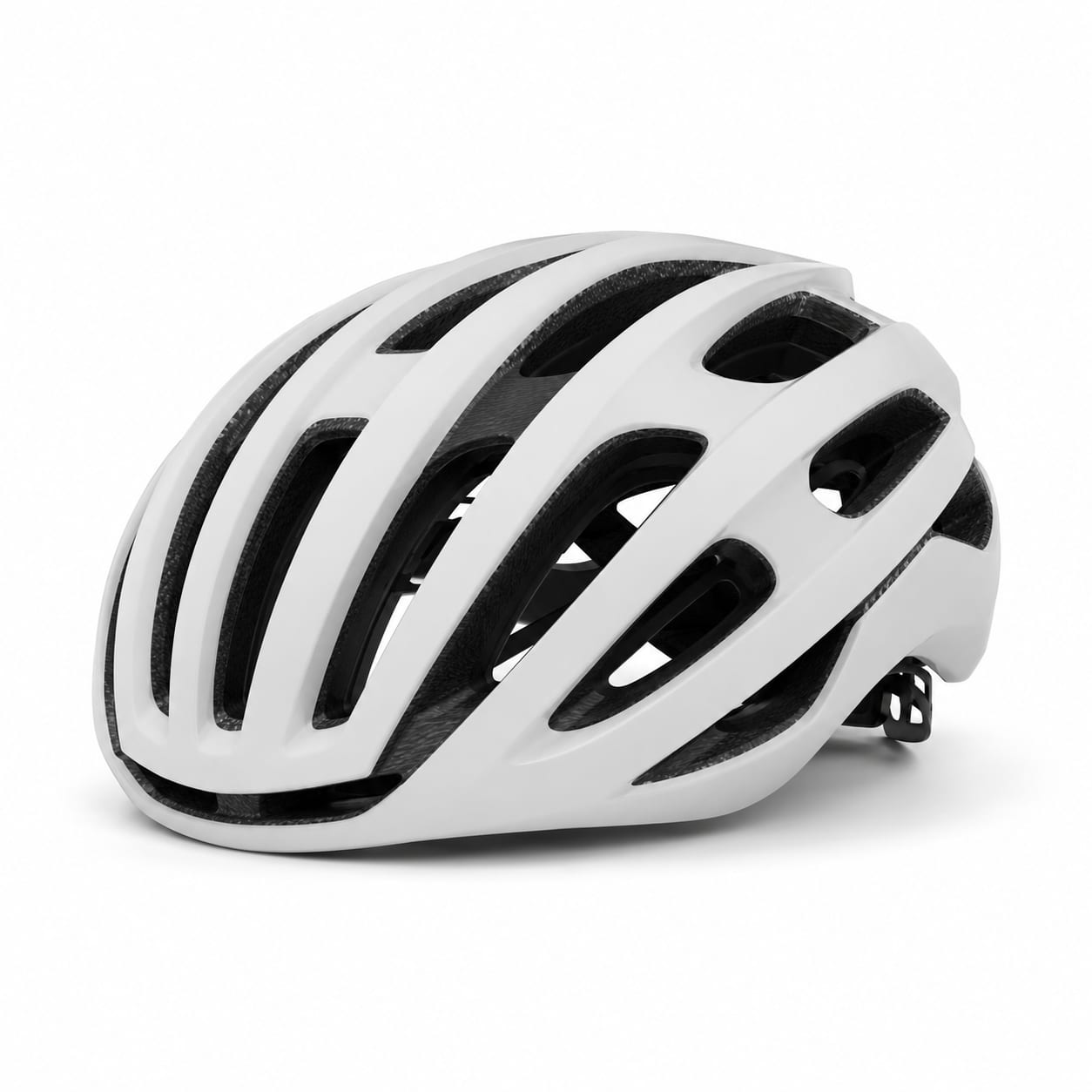
Road Cycling Helmet
$50 – $350
Lightweight, well-ventilated helmets optimized for road cycling speed and endurance.
lightweight constructionextensive ventilationsleek aerodynamic profile
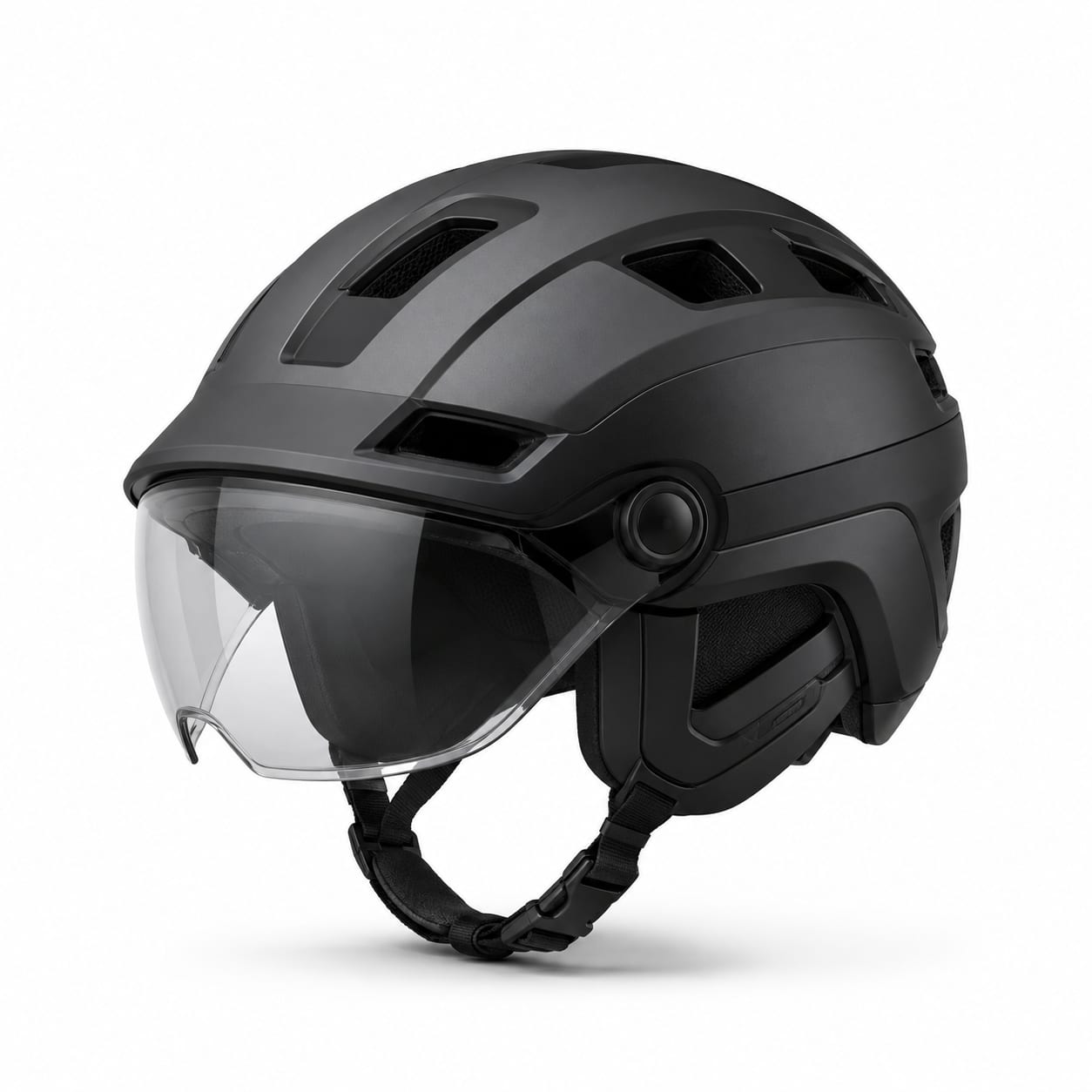
E-Bike / Speed Pedelec Helmet
$80 – $300
Enhanced-protection helmets rated for higher speeds of electric-assist bicycles and speed pedelecs.
NTA 8776 certification on speed pedelec modelsextended coveragereinforced shell
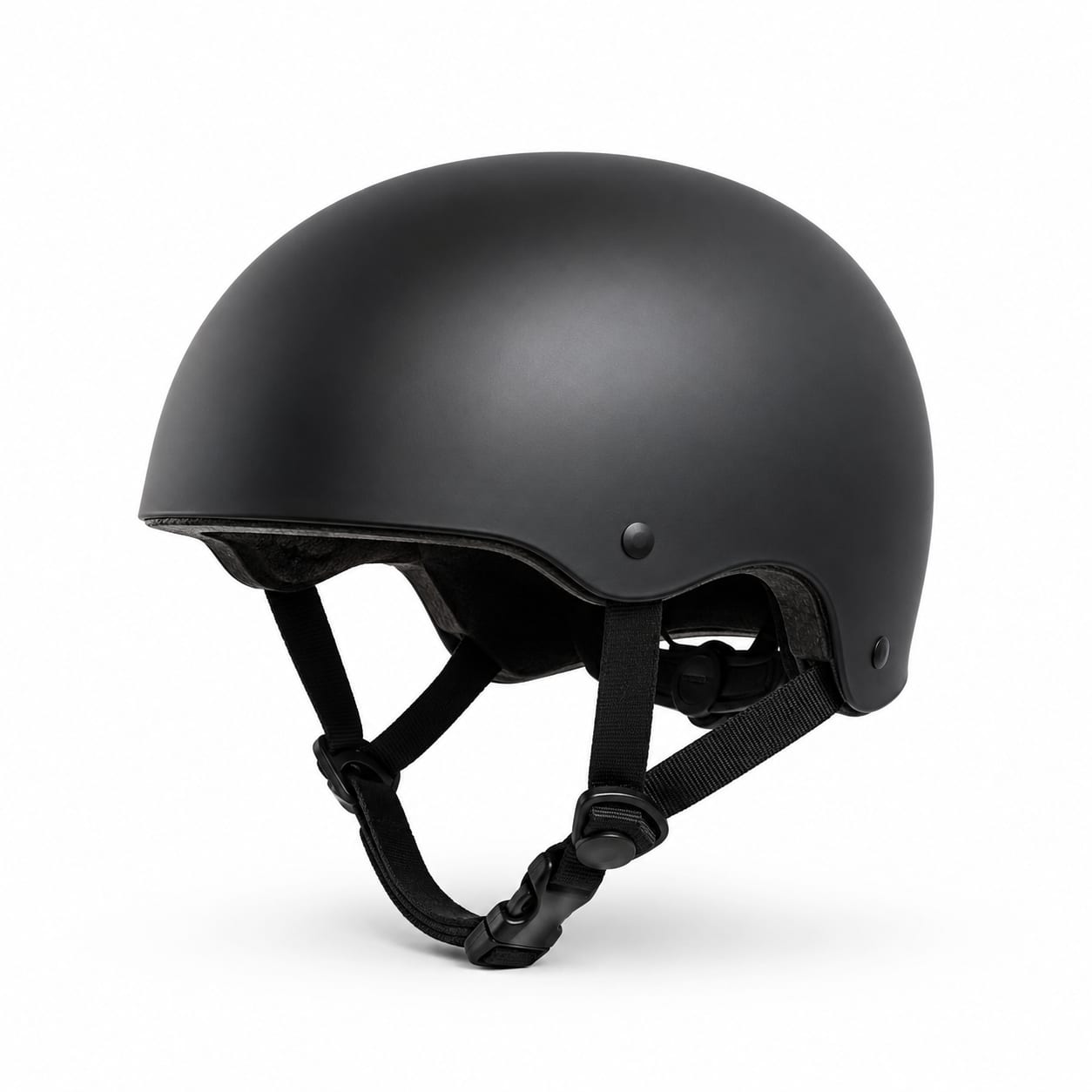
BMX / Dirt Jump Helmet
$30 – $200
Durable hard-shell helmets with skate-inspired profiles for BMX racing, dirt jumping, and skatepark riding.
hard outer shellskate-style profileminimal ventilation
More questions
- Do I need a different helmet for e-bike commuting?
- Are integrated helmet lights bright enough to replace a separate rear light?
- Can I use a commuter helmet for weekend road rides?
- How do I clean a helmet that I wear every day?