
Cycling Helmet · FAQ
Questions about Gravel / Adventure Helmet
Straight answers on fit, specs, and when this type makes sense — each topic has its own page with links back to the buying guide.
Open Gravel / Adventure Helmet guide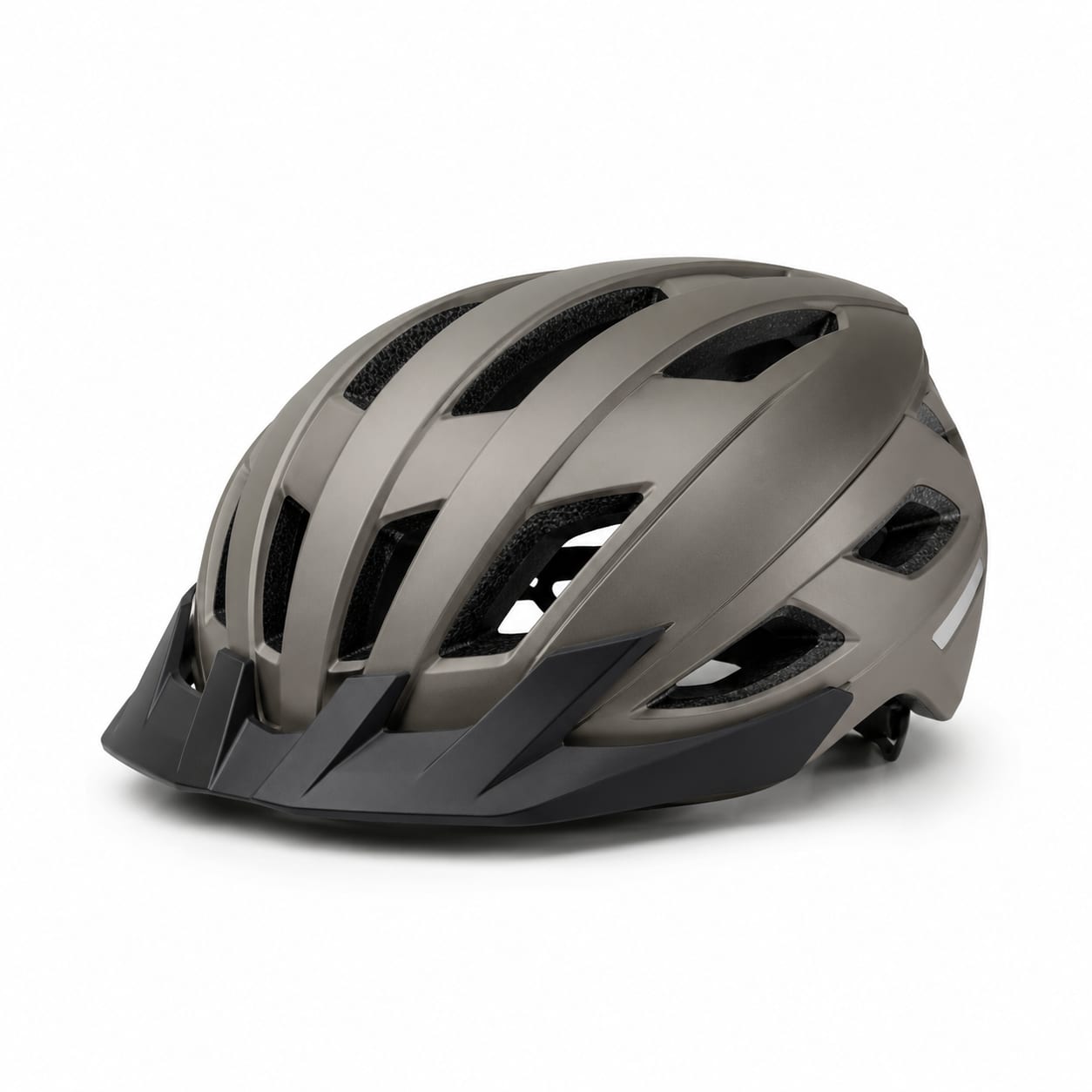
6 topics
Pick a question
Every answer links to the full subcategory guide and related gear types when it helps you decide.
Can I use a gravel helmet for road riding?
Yes, absolutely. Gravel helmets perform well on pavement—the main differences from road helmets are slightly more weight and the visor, which you can remove for road sections. The extended coverage is a safety bonus, and the ventilation is adequate for most road riding conditions. The only scenario where a dedicated road helmet is clearly better is competitive road racing where every gram and watt matters.
Read answer →02Do I really need the visor on a gravel helmet?
The visor is valuable for off-road riding where it shields from low-angle sun, dust, and light rain. On road sections, most riders remove it for better visibility and reduced drag. If you ride exclusively on well-shaded roads or never encounter sun glare, you may rarely use it—but the option to attach it is one of the key advantages of a gravel helmet over a road helmet. Most riders find they use the visor more than expected.
Read answer →03Is a gravel helmet safe enough for mountain biking?
A gravel helmet is safe for cross-country and light trail mountain biking where the terrain is relatively smooth and speeds are moderate. The extended rear coverage provides meaningful protection for off-road crashes. However, for aggressive trail riding, enduro, or bike park use, a dedicated MTB helmet with fuller coverage—or even a full-face helmet—is strongly recommended. Gravel helmets lack the temple and jaw protection needed for high-speed technical terrain.
Read answer →04How does the weight of a gravel helmet compare to a road helmet?
Gravel helmets typically weigh 250–320g, while road helmets range from 200–280g. The 20–60g difference comes from extended coverage material and visor hardware. In practice, this weight difference is barely noticeable during riding and is a worthwhile trade-off for the additional protection. If you're sensitive to weight, removing the visor saves 20–40g, bringing the helmet close to road helmet weight.
Read answer →05Should I get a gravel helmet with MIPS?
Yes, MIPS or an equivalent rotational protection system is strongly recommended for gravel riding. Gravel crashes often involve oblique impacts on loose surfaces where rotational forces are transmitted to the brain. MIPS reduces these forces by 10–35% in testing. Given that MIPS adds minimal weight and is available in most mid-range and premium gravel helmets, it's a worthwhile safety investment. Budget helmets without MIPS still meet certification standards but lack this additional protection layer.
Read answer →06Can I use a gravel helmet for bikepacking?
Gravel helmets are excellent for bikepacking—they're arguably the ideal category. The extended coverage protects during off-road sections, the removable visor adapts to changing conditions, and features like reflective elements and anti-microbial padding are valuable for multi-day rides. Look for models with headlamp compatibility if you ride in darkness, and prioritize washable padding for hygiene on consecutive riding days.
Read answer →