What it means
The discipline-specific category of the helmet, which determines its shape, coverage, ventilation pattern, and intended use scenario.
Typical for this type
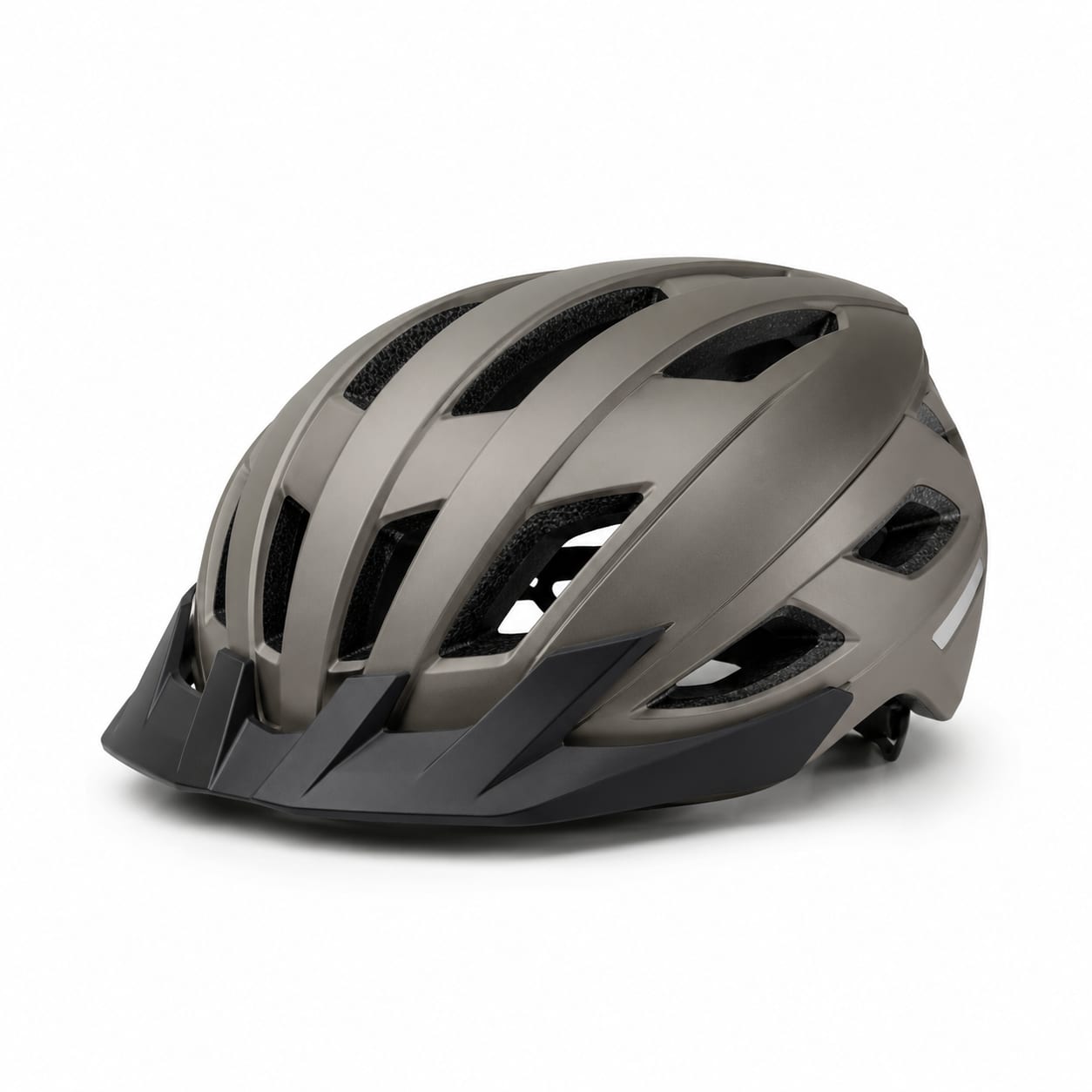
Mountain Bike (With Road-Influenced Design)
In practice
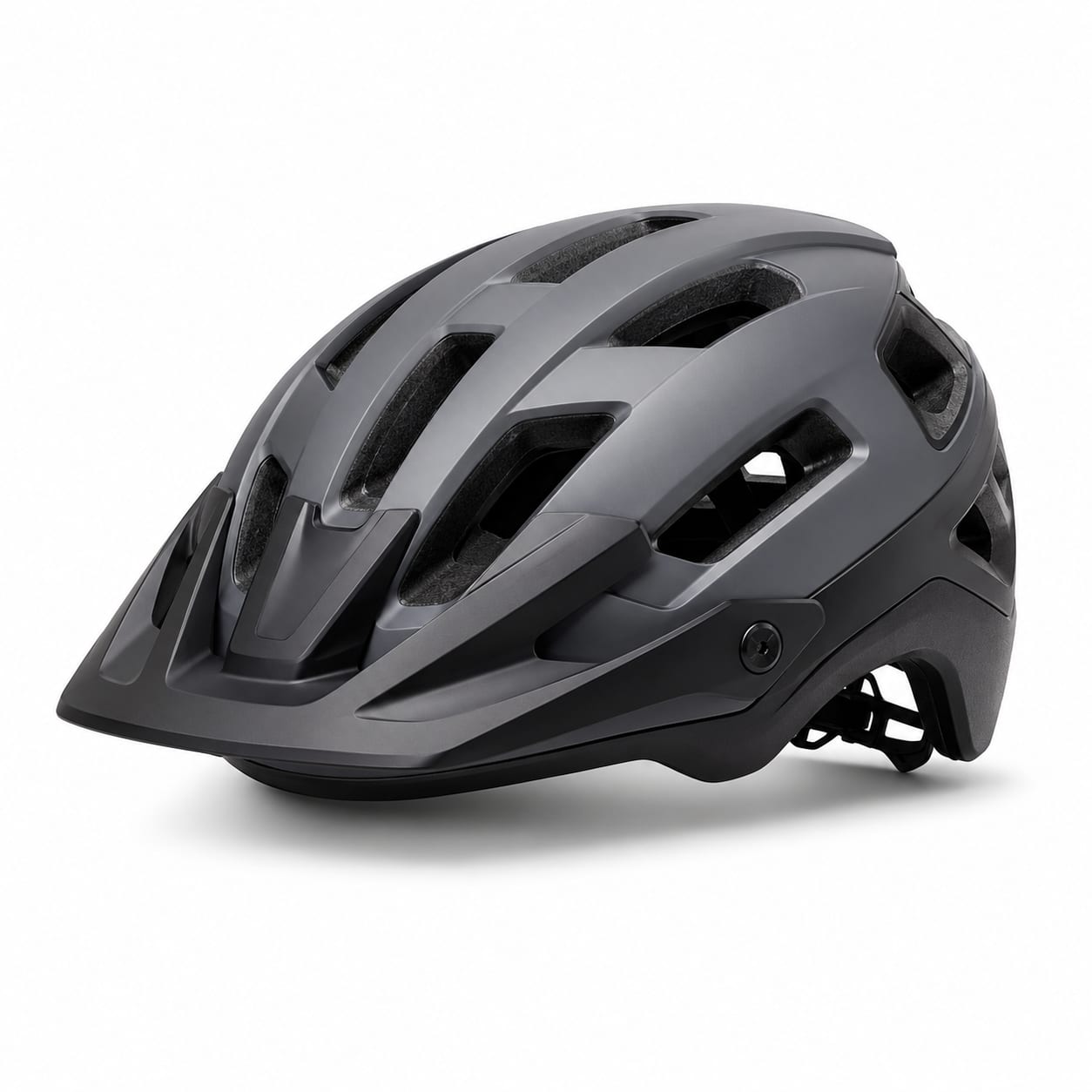
Gravel/adventure helmets are classified under the mountain bike type due to their extended coverage and visor inclusion, but they are a distinct hybrid with road-helmet ventilation and lighter construction. No separate 'gravel' enum exists in most certification frameworks.
Compared to other types
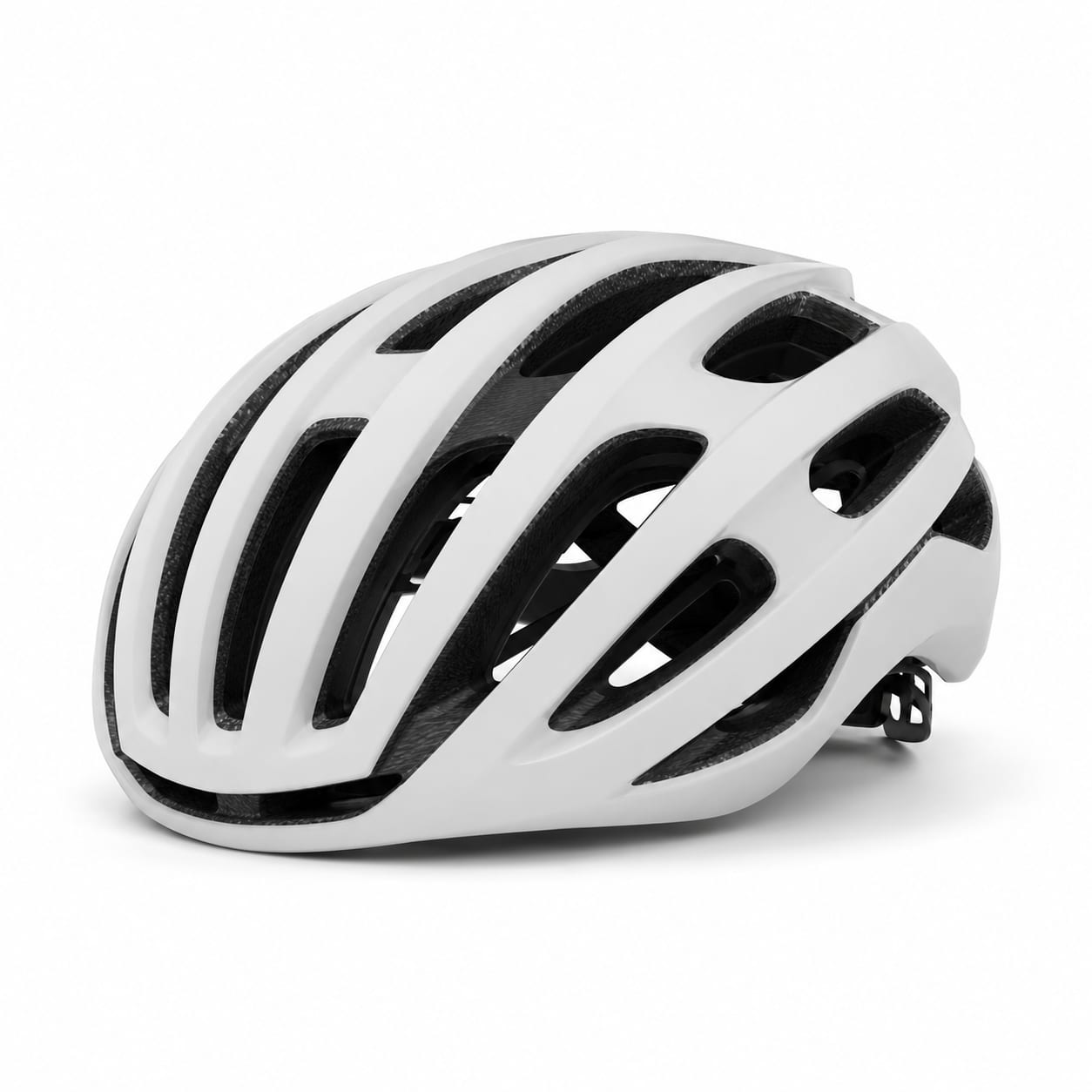
Unlike pure road helmets which prioritize minimal weight and maximum vents, or pure MTB helmets which maximize coverage and visor integration, gravel helmets balance both. They have more coverage than road helmets but less bulk than enduro-focused MTB helmets.
Why it matters: The helmet type determines the fundamental design priorities—coverage, vent layout, and visor compatibility. Gravel helmets use MTB-type as a base but with significant road influence, making them uniquely suited to mixed-terrain riding.
Certification Standard
certification_standard
What it means
Safety certification standards the helmet meets, indicating the impact testing protocols and minimum protection levels verified by independent testing bodies.
Typical for this type
CPSC + EN 1078 (Minimum); NTA 8776 (Recommended For E-Bike Gravel Riders)
Most common pick: CPSC, EN 1078
In practice
Gravel helmets universally meet CPSC (US) and EN 1078 (EU) baseline standards. Some premium models also pursue NTA 8776 certification, which tests at higher impact velocities relevant to e-bike-assisted gravel riding at speeds up to 45 km/h.
Compared to other types
Gravel helmets carry the same baseline certifications as road helmets. Unlike downhill MTB helmets which may also carry ASTM F1952, gravel helmets do not typically pursue this higher-impact standard as their use case doesn't involve the extreme speeds of downhill riding.
Why it matters: Certification ensures the helmet has passed independent impact testing. For gravel riders who may reach higher speeds on paved sections or with e-bike assistance, NTA 8776 provides an additional safety margin.
Rotational Protection System
rotational_protection_system
What it means
Technology designed to reduce rotational forces transmitted to the brain during oblique impacts, which are the most common type of cycling crash impact.
Typical for this type
MIPS (Minimum); MIPS Spherical Or WaveCel (Premium)
In practice
MIPS is the most common rotational protection system in gravel helmets, found in the majority of mid-range to premium models. Some premium options feature MIPS Spherical (ball-and-socket dual-foam) or brand-specific systems like WaveCel (Trek/Bontrager) or Koroyd (Smith).
Compared to other types
Gravel helmets adopt MIPS at similar rates to modern road and MTB helmets. Budget gravel helmets may lack rotational protection, similar to entry-level road helmets. Premium gravel models with MIPS Spherical match the technology found in top-tier MTB helmets.
Why it matters: Gravel riding involves varied crash scenarios—oblique impacts on loose surfaces, high-side falls on pavement, and low-speed tumbles on technical terrain. Rotational protection reduces the rotational forces transmitted to the brain during these common oblique impacts.
What it means
The total mass of the helmet including all padding, retention system, and visor (if included), measured in grams.
Typical for this type
250–320g
Most common pick: 280g
In practice
Gravel helmets typically weigh between 250 and 320 grams, including the visor. This sits between lightweight road helmets (200–280g) and trail MTB helmets (280–380g). The visor adds approximately 20–40g when attached.
Compared to other types
Gravel helmets are 20–60g heavier than comparable road helmets due to extended coverage and visor hardware, but 30–80g lighter than full-coverage MTB helmets. The weight difference from a road helmet is barely noticeable during riding.
Why it matters: Weight matters on long gravel rides and multi-day bikepacking trips where neck fatigue accumulates. However, the 20–60g premium over a road helmet is a worthwhile trade-off for the additional coverage and visor functionality.
Number of Vents
vent_count
What it means
The total number of intake and exhaust vents designed to channel airflow through the helmet for cooling.
Typical for this type
14–20 vents
Most common pick: 16
In practice
Gravel helmets typically feature 14 to 20 vents, striking a balance between the high vent counts of road helmets (18–28) and the moderate counts of MTB helmets (12–20). Internal channeling is designed to maintain airflow at both low climbing speeds and higher paved-section speeds.
Compared to other types
Gravel helmets have fewer vents than pure road helmets but more than aero road helmets. Their vent count is similar to cross-country MTB helmets, but the internal channeling is often optimized for a broader speed range.
Why it matters: Gravel riding involves wide speed variations—slow grinding climbs on loose surfaces where airflow is minimal, and fast paved descents where natural airflow is high. Vent systems must perform across this range without creating excessive wind chill on cold-weather rides.
Head Circumference Range
head_circumference_range
What it means
The range of head circumferences the helmet is designed to fit, typically adjustable via the retention system within a specific size bracket.
Typical for this type
Ensure your measured head circumference falls within the helmet's size range; most gravel helmets cover 52–61cm across 2–3 size brackets
Most common pick: 52–61cm (across S/M/L sizes)
In practice
Gravel helmets follow standard adult sizing conventions, typically offered in 2–3 size brackets (e.g., S 52–56cm, M 55–59cm, L 58–62cm). Some brands offer a single adjustable size covering 54–61cm. Proper fit is critical for the extended coverage to protect the intended areas.
Compared to other types
Sizing ranges are comparable across road, gravel, and MTB helmets. Gravel helmets may fit slightly snugger in the temple area due to extended coverage—try before buying if you're between sizes.
Why it matters: The extended rear coverage of gravel helmets only works if the helmet sits correctly on the head. A helmet that's too large will ride high, leaving the occipital bone exposed; too small will create pressure points on long rides. Measure at the widest point above the eyebrows.
Retention System
retention_system
What it means
The adjustable mechanism at the rear of the helmet that secures it to the head and allows on-the-fly adjustment for a stable, comfortable fit.
Typical for this type
Dial/Ratchet (Standard); Rear Dial With Yoke (Preferred For Aggressive Riding)
Most common pick: Dial Ratchet
In practice
Most gravel helmets use a dial/ratchet retention system for easy one-handed adjustment. Premium models may feature rear dial with yoke systems that provide enhanced stability on rough terrain by gripping the occipital bone more securely.
Compared to other types
Gravel helmets use the same retention systems as road and MTB helmets at comparable price points. Yoke systems are more common in gravel helmets than in road helmets, reflecting the need for stability on rough terrain similar to MTB riding.
Why it matters: Gravel riding involves significant head movement—looking for lines on technical descents, checking over shoulders for traffic on road sections, and sustained climbing positions. A secure retention system prevents helmet shift during these movements and over rough terrain.
Shell Construction
shell_construction
What it means
The manufacturing method used to join the outer polycarbonate shell to the inner EPS foam liner, affecting durability, weight, and safety.
Typical for this type
In-Mold (Standard); Hybrid In-Mold (Premium, For Added Durability)
Most common pick: In Mold
In practice
In-mold construction is the standard for gravel helmets, providing the best weight-to-protection ratio. Some premium models use hybrid in-mold construction with a hardshell lower ring for added durability against everyday dings—a practical consideration for helmets that see rough handling during bikepacking and transport.
Compared to other types
Gravel helmets use the same in-mold construction as road helmets. The hybrid in-mold option is more common in gravel than road helmets, reflecting the need for durability similar to MTB use cases.
Why it matters: Gravel helmets are subjected to more rough handling than pure road helmets—stuffed into bikepacking bags, strapped to backpacks, and exposed to trail debris. Hybrid in-mold construction adds durability at the vulnerable lower edge without significant weight penalty.
Coverage Level
coverage_level
What it means
The extent of head coverage provided by the helmet, particularly at the temples, rear, and base of the skull, beyond the minimum certification requirement.
Typical for this type
Extended Rear Coverage (Recommended); Full Coverage MTB (For Aggressive Off-Road Riding)
Most common pick: Extended Rear
In practice
Gravel helmets feature extended rear coverage that protects the occipital bone and upper neck area—significantly deeper than road helmets but not as extensive as full-coverage MTB helmets. Temple coverage is also enhanced compared to road helmets.
Compared to other types
Gravel helmets offer significantly more coverage than road or aero helmets (minimal/standard road) but less than full-coverage MTB helmets designed for aggressive trail riding. The coverage level is similar to cross-country MTB helmets.
Why it matters: Extended rear coverage is the primary safety advantage of gravel helmets over road helmets. Backward falls are common on loose gravel surfaces, steep descents, and technical terrain. The additional coverage protects areas that road helmets leave exposed.
What it means
The type of visor or brim attached to the helmet for sun, rain, and debris protection, and whether it's removable or adjustable.
Typical for this type
Removable/Adjustable Visor (Essential For Gravel Versatility)
Most common pick: Removable Adjustable
In practice
The removable and adjustable visor is a defining feature of gravel helmets. Unlike fixed MTB visors, gravel visors can be removed for road sections, adjusted for angle, and reattached for off-road use. They typically have a lower profile than MTB visors to reduce aerodynamic penalty.
Compared to other types
Road helmets have no visor; MTB helmets have fixed or adjustable visors that are rarely removed. Gravel helmets uniquely prioritize removability, reflecting the mixed-terrain nature of the discipline. The visor profile is typically lower and more aero-informed than MTB visors.
Why it matters: Gravel rides transition between road and off-road sections where visor needs differ. On fire roads, the visor shields from low sun and dust; on paved sections, removing it reduces drag and improves upward visibility. Tool-free removal is a key convenience feature.
Padding System
padding_system
What it means
The type, material, and configuration of interior padding that contacts the head, affecting comfort, moisture management, and fit customization.
Typical for this type
Removable/Washable (Minimum); Anti-Microbial Treated (Recommended For Multi-Day Rides)
Most common pick: Removable Washable
In practice
Most gravel helmets feature removable and washable pads, essential for the sweat and grime of mixed-terrain riding. Premium models include anti-microbial treatments to resist odor on multi-day bikepacking trips. Some include brow pads with sweat channels to keep sweat out of eyes during hot gravel climbs.
Compared to other types
Gravel helmets typically have padding systems comparable to mid-range road and MTB helmets. The emphasis on anti-microbial treatment and sweat management is more pronounced than in road helmets, reflecting the longer, dirtier rides typical of gravel cycling.
Why it matters: Gravel riding generates significant sweat on long climbs, and dust and grime accumulate on pads faster than in pure road riding. Washable, anti-microbial pads maintain hygiene and comfort over consecutive riding days—a critical feature for bikepacking.
Chin Buckle Type
buckle_type
What it means
The type of buckle used on the chin strap, affecting ease of use, reliability, and safety.
Typical for this type
Standard Side-Release (Common); Magnetic Fidlock (Premium, For Convenience)
Most common pick: Standard Side Release
In practice
Standard side-release buckles are most common on gravel helmets. Premium models increasingly feature magnetic Fidlock buckles for easy one-handed operation—useful when wearing full-finger gravel gloves or during quick transitions on bikepacking stops.
Compared to other types
Gravel helmets use the same buckle types as road and MTB helmets at comparable price points. Fidlock buckles are more common in premium gravel helmets than in MTB helmets, reflecting road-cycling influence on the category.
Why it matters: Buckle type affects daily usability more than safety. Gravel riders wearing gloves in cooler conditions may find Fidlock buckles easier to operate. Standard side-release buckles are proven reliable and simple to replace if damaged.
Reflective Elements
reflective_elements
What it means
Presence and extent of reflective materials on the helmet for enhanced visibility in low-light conditions.
Typical for this type
Minimal Decal (Common); Strategic Placement (Recommended For Road Sections In Low Light)
Most common pick: Minimal Decal
In practice
Most gravel helmets include minimal reflective decals or logos. However, models designed with bikepacking and adventure riding in mind often feature strategic reflective placement at the rear and sides for visibility during early-morning starts, late finishes, or unexpected delays on remote roads.
Compared to other types
Gravel helmets have more reflective elements than most road or MTB helmets but less than dedicated commuter helmets. The reflective emphasis reflects the adventure-riding reality of being on roads in variable light conditions.
Why it matters: Gravel riders frequently find themselves on roads in low light—pre-dawn starts, post-sunset finishes, or unexpected delays on remote routes. Reflective elements provide passive visibility that works without batteries, a valuable safety feature for adventure riding.
Integrated Light Mount
integrated_light_mount
What it means
Built-in mount or attachment point for rear lights, either as a dedicated clip, magnetic mount, or integrated light.
Typical for this type
None (Most Common); Clip Mount (Useful For Bikepacking And Low-Light Riding)
Most common pick: None
In practice
Most gravel helmets do not include integrated light mounts, prioritizing a clean profile and lighter weight. Some models include a clip mount at the rear for attaching compatible lights—a useful feature for bikepacking and rides that extend into darkness.
Compared to other types
Gravel helmets are less likely to have integrated light mounts than commuter helmets but more likely than pure road or aero helmets. The clip mount option is a practical compromise for riders who occasionally need rear lighting.
Why it matters: Gravel riders who venture onto roads in low light benefit from a secure rear light mount. Without an integrated mount, lights must be strapped to vents, which can damage thin in-mold shells or be insecure on rough terrain.
Aerodynamic Optimization
aero_optimization
What it means
The degree to which the helmet is designed to reduce aerodynamic drag, from no consideration to purpose-built time trial aerodynamics.
Typical for this type
Aero-Informed Design (Standard); Aero Road Optimized (For Racing-Focused Gravel Riders)
Most common pick: Aero Informed
In practice
Gravel helmets use aero-informed design—shaped with aerodynamic principles but not fully optimized for minimal drag. Vent placement and surface contours reduce drag while maintaining the ventilation needed for varied-speed riding. Some racing-oriented gravel helmets approach aero road optimization levels.
Compared to other types
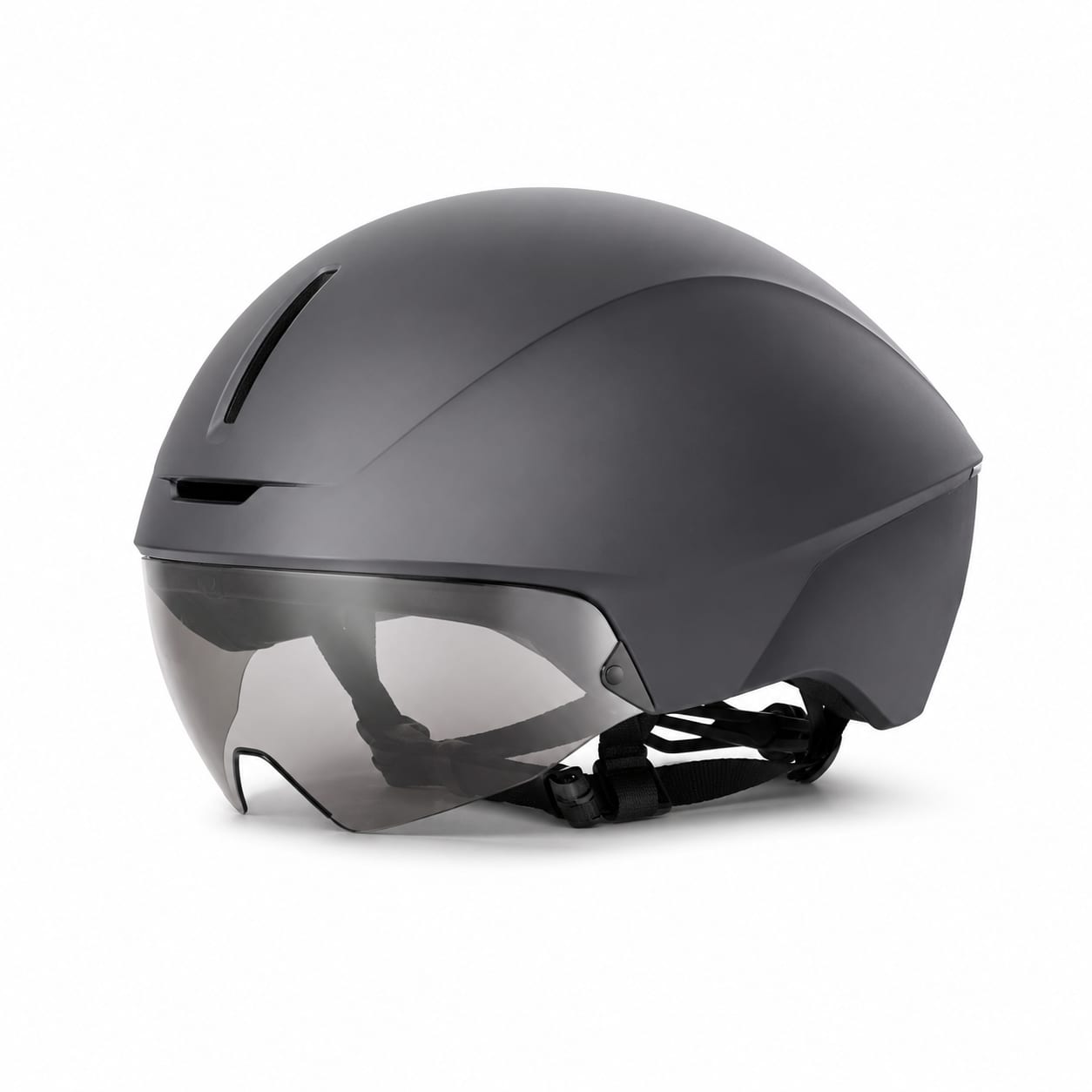
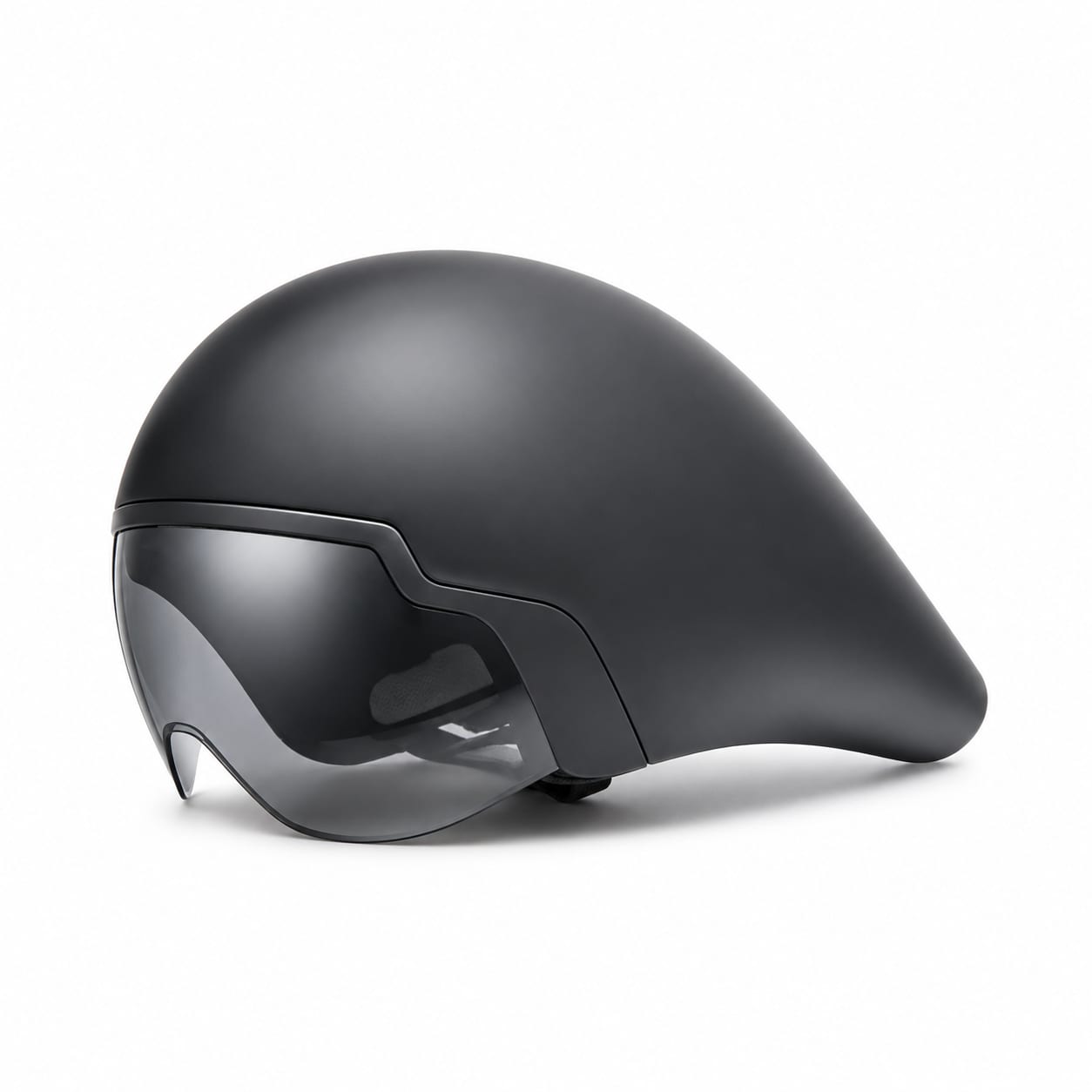
Gravel helmets are more aerodynamic than MTB helmets but less optimized than aero road helmets. The aero-informed approach is similar to modern road helmets, with the visor being the primary aerodynamic penalty when attached.
Why it matters: Gravel riding includes fast paved sections and descents where aerodynamic drag matters, but also slow climbs where ventilation is paramount. Aero-informed design balances these competing needs without the severe ventilation compromises of full aero helmets.
Strap Adjustment System
strap_adjustment_system
What it means
The system used to adjust and lock the chin strap length and position, affecting ease of fitting and strap stability during use.
Typical for this type
Standard Sliding (Common); Adjustable Splitters With Locking (Premium, For Strap Stability On Rough Terrain)
Most common pick: Standard Sliding
In practice
Standard sliding strap adjustment is most common on gravel helmets. Premium models may feature adjustable splitters with locking mechanisms that prevent strap creep on rough terrain—a small but meaningful improvement for riders who find their straps loosening over long, bumpy rides.
Compared to other types
Gravel helmets use the same strap systems as road and MTB helmets at comparable price points. The need for locking splitters is greater than in road helmets due to rough-terrain vibration, similar to MTB helmet requirements.
Why it matters: Strap stability matters on rough terrain where vibration can cause standard sliding adjusters to creep. Locking splitters maintain consistent fit throughout long gravel rides and multi-day bikepacking trips without requiring periodic readjustment.