
Cycling Shoes · FAQ
Questions about Track Cycling Shoes
Straight answers on fit, specs, and when this type makes sense — each topic has its own page with links back to the buying guide.
Open Track Cycling Shoes guide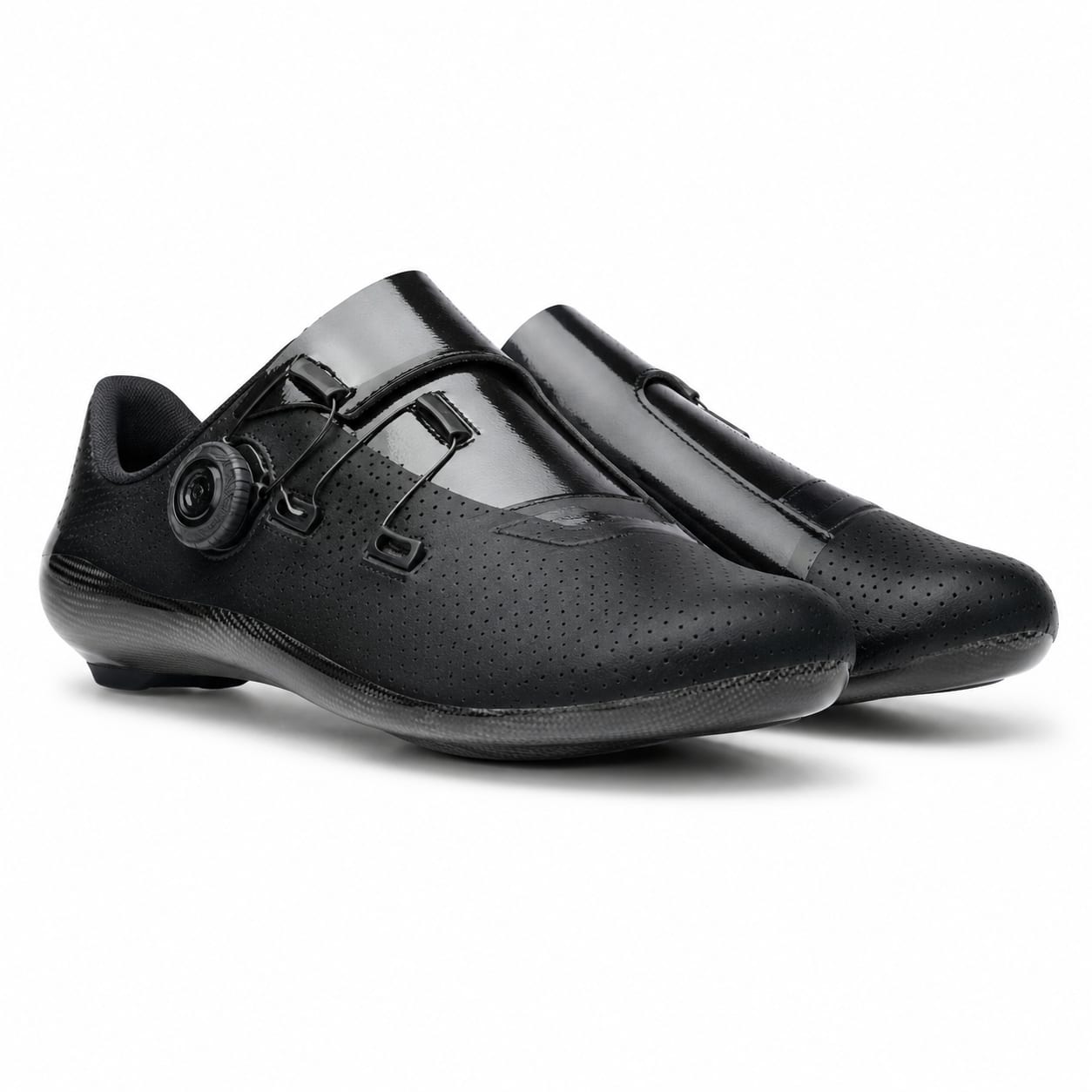
6 topics
Pick a question
Every answer links to the full subcategory guide and related gear types when it helps you decide.
Can I use road shoes on the track instead of buying dedicated track shoes?
Yes, especially for beginners and recreational track riders. Stiff road shoes with full carbon soles provide adequate performance for most training sessions and entry-level competition. However, competitive track racers will benefit from the lower stack height, greater stiffness, and superior heel retention of dedicated track shoes. If you only ride the track occasionally, road shoes are a practical choice. If you race regularly, invest in track-specific shoes.
Read answer →02Why are track shoes so much stiffer than road shoes?
Track racing demands maximum power transfer with zero energy loss to sole flex. Sprinters generate over 2,000 watts in explosive efforts, and any sole deformation directly reduces the power reaching the rear wheel. Road shoes balance stiffness with some compliance for comfort during long rides (4-6 hours), but track events are much shorter (30 seconds to 30 minutes), so comfort is less critical than efficiency. The thicker carbon layups in track soles are designed to resist flex under these extreme forces.
Read answer →03How do I walk in track shoes?
You don't — track shoes are not designed for walking. The smooth carbon sole with exposed cleat makes walking slippery, awkward, and potentially damaging to the cleat. Most track riders carry separate shoes or sandals to walk to and from the infield, and change into their track shoes only when ready to ride. If you must take a few steps, walk on your heels and avoid putting pressure on the cleat area.
Read answer →04What cleat system should I use for track cycling?
Most track riders use Shimano SPD-SL or LOOK Keo 3-bolt systems, which are the same as road cycling. Sprinters sometimes prefer systems with zero float (no rotational play) for maximum stability and direct power delivery. Some track-specific shoes offer direct-mount cleat systems that eliminate the adapter plate for lower stack height. Choose the system that matches your pedals and provides the float characteristics you prefer — many track riders use cleats with minimal or zero float.
Read answer →05Are heat-moldable track shoes worth it?
For most serious track riders, yes. The extreme stiffness of track shoe soles means there is no natural break-in period where the shoe conforms to your foot. If the stock shape doesn't match your foot, you'll experience pressure points and discomfort that won't improve over time. Heat molding allows the shoe to be custom-fitted to your foot shape, which is especially valuable for riders with wide forefeet, high insteps, or narrow heels. Brands like Bont have built their track shoe reputation around moldability, and many elite riders consider it essential.
Read answer →06How long do track shoes last?
Track shoes typically last 2-4 seasons of regular competition, depending on usage frequency and intensity. The carbon sole is extremely durable and rarely degrades, but the upper materials stretch over time, the heel padding compresses, and the closure systems may wear. Sprinters who generate extreme forces may find their shoes lose structural support faster than endurance riders. Replace shoes when the upper no longer holds your foot securely, the heel cup allows lift, or the closure system no longer provides adequate tension.
Read answer →