Kitvore.com

Kitvore.com

Specs that matter. Gear that fits.

Cycling Shoes · Subcategory

Track Cycling Shoes

Ultra-stiff, purpose-built shoes designed for maximum power transfer on the velodrome.

Track cycling shoes are the most rigid, power-focused cycling shoes available, engineered specifically for velodrome racing where every watt matters. With full carbon soles, minimal stack height, and uncompromising construction, they eliminate energy loss through sole flex and prioritize raw power delivery to the pedals. These shoes sacrifice all walkability and comfort features for absolute on-bike performance, making them the definitive choice for sprinters, pursuiters, and endurance track racers alike.

$150 – $500pro tieradvancedexpert

Best known for

Maximum sole stiffness of any cycling shoe categoryDirect power transfer with zero sole flexUltra-low stack height for optimal pedal connectionPurpose-built velodrome performance
Track Cycling Shoes

Guide

Detailed overview

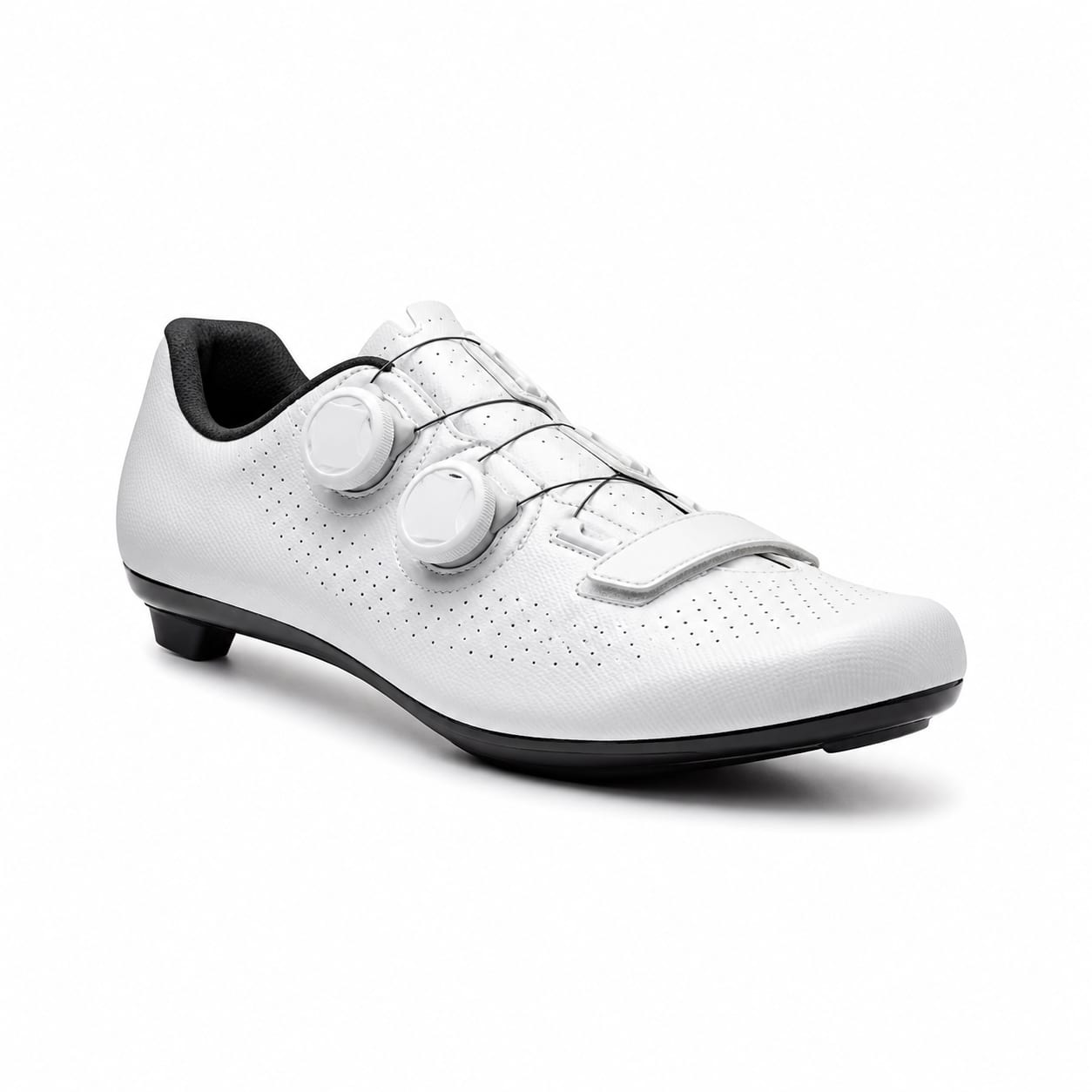
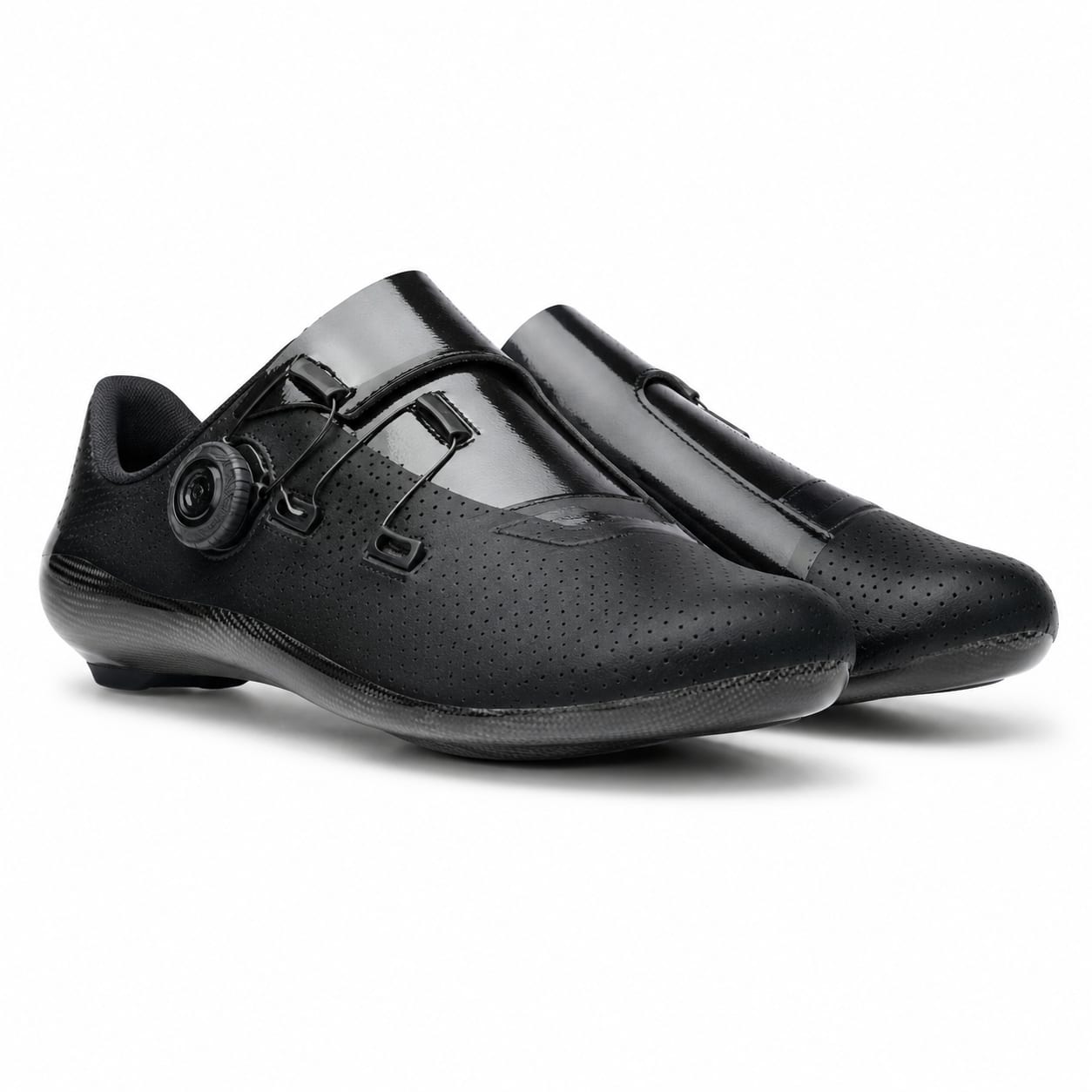
Track cycling shoes represent the pinnacle of stiffness and power transfer in the cycling shoe world. Designed exclusively for velodrome use, these shoes are built around a single imperative: deliver every watt of power from your legs to the pedals with minimal energy loss. Unlike road shoes that balance stiffness with some degree of comfort, track shoes make no such compromise. The soles are among the stiffest available, often using thick full-carbon layups that feel like standing on a plank. Many models feature direct-mount cleat systems or bolt-on toe straps that eliminate the interface between shoe and pedal entirely, creating an almost rigid connection between rider and drivetrain. This makes track shoes essentially unwalkable — the soles are smooth, often lack any tread, and the cleat systems protrude or are permanently affixed. Walking more than a few steps from the infield to the track is impractical and risks damaging both the shoe and the cleat. Uppers are typically constructed from microfiber or synthetic leather for structure and minimal stretch, with closure systems ranging from dual BOA dials to traditional laces and even dual-strap configurations favored by sprinters for their reliability under extreme load. Heat moldability is common in premium models, with brands like Bont building their track shoes around a moldable chassis that can be custom-fitted to the rider's foot. Ventilation is often minimal compared to road shoes, as the aerodynamic benefit of a smoother upper and the short duration of most track events reduce the need for cooling airflow. Weight is kept low but is secondary to stiffness — some sprint shoes are actually slightly heavier than equivalent road models because of additional carbon layup in the sole. Track shoes are a specialized tool for a specialized discipline. They are not intended for road riding, commuting, or any application where you need to walk. For the track racer, however, they are an essential piece of equipment that can meaningfully impact sprint times and pursuit efficiency.

Track cycling shoes occupy a unique niche in the cycling footwear landscape, sitting at the extreme end of the stiffness spectrum where no other shoe type dares to go. While road racing shoes already prioritize power transfer over comfort, track shoes take this philosophy to its logical conclusion. The sole is not merely stiff — it is essentially rigid, constructed from thick carbon fiber layups that resist flex under even the most powerful sprint efforts. This is critical on the velodrome, where races are won and lost by hundredths of a second and any energy lost to sole deformation is energy not reaching the rear wheel.

The cleat interface on track shoes differs significantly from road shoes. Many track-specific models use a direct-mount system where the cleat bolts directly to the sole without an adapter plate, reducing stack height and eliminating a potential point of flex. Some sprint-oriented shoes even feature integrated toe straps that bolt through the sole, allowing the rider to pull up on the pedals with maximum force during sprint efforts. This is a feature almost never found on road shoes and represents the kind of specialization that defines the track category. Standard 3-bolt road cleat compatibility is also common, particularly on track shoes designed for endurance events like the pursuit or points race, where riders may prefer familiar pedal systems.

Fit precision is paramount in track shoes because the forces involved are extreme. Sprinters can generate over 2,000 watts in a flying 200m effort, and any foot movement inside the shoe wastes power and can cause discomfort or injury. This is why many track shoes feature dual BOA dials or dual-strap closure systems that allow independent adjustment of the forefoot and midfoot zones. Heel retention is equally critical — heel lift during the upstroke of a sprint effort directly reduces the power delivered to the pedals. Premium track shoes often feature reinforced or adjustable heel cups to lock the foot in place under these extreme loads.

Heat moldability has become increasingly popular in track shoes, with brands like Bont and Shimano offering models that can be custom-fitted to the rider's foot using an oven or heat gun. This is particularly valuable for track racers because the extreme stiffness of the soles means there is no natural conformity to the foot — if the shoe doesn't fit well out of the box, it won't improve with break-in. Heat molding allows the upper and sometimes the sole to be shaped around the rider's foot, eliminating pressure points and improving overall comfort during high-intensity efforts. However, riders must carefully follow manufacturer instructions to avoid damaging the shoe during the molding process.

For riders new to track cycling, the transition from road shoes to track shoes can be jarring. The lack of walkability means you must plan your track center movements carefully, and the extreme stiffness can cause foot discomfort during longer endurance sessions. Many experienced track riders recommend gradually adapting to track shoes during training before using them in competition. It's also worth noting that not all velodrome riders need dedicated track shoes — recreational track riders and those doing structured training sessions may perform adequately with stiff road shoes. However, for competitive track racing, the performance benefits of a dedicated track shoe are measurable and well-documented.

Quick facts

Primary purpose
Delivering absolute maximum power transfer and aerodynamic efficiency for velodrome racing
Popular brands
BontSidiShimanoFizikDMTLakes
Typical terrain
velodromeindoor trackoutdoor track

What makes it different

The stiffest soles in cycling with zero compliance; designed exclusively for velodrome use with no concession to walkability

Recommended ranges

How this type usually specs out

Each spec is explained in plain language, then we show what buyers usually look for on this type.

Discipline / Shoe Type

Shoe Type

What it means

The intended riding discipline and design philosophy of the shoe, which determines sole stiffness, tread, cleat mounting, and overall construction.

Typical for this type

Road (Track-Specific Models Are A Sub-Variant Of Road Design Philosophy)

In practice

Track cycling shoes are an extreme specialization of the road shoe category, sharing the smooth sole, 3-bolt cleat mount, and zero-tread design but with even greater stiffness and often direct-mount cleat systems. They are classified under the road umbrella but are purpose-built for velodrome use.

Compared to other types

Track shoes are the most extreme expression of the road shoe philosophy — stiffer, lower, and less walkable than even the most aggressive road race shoes. They share the smooth sole and external cleat design but take every performance metric further.

Why it matters: The road-type design provides the foundation for maximum power transfer and pedal connection that track racing demands, while eliminating any features that add weight or flex.

Cleat Compatibility

Cleat Compatibility

What it means

The bolt pattern on the shoe sole that determines which cleat and pedal systems can be mounted. This is the most fundamental compatibility requirement.

Typical for this type

3_bolt for endurance track; direct-mount or bolt-on for sprint-specific models

In practice

Most track shoes use the standard 3-bolt pattern compatible with Shimano SPD-SL, LOOK Keo, and Speedplay (with adapter). Sprint-specific models may feature direct-mount systems or integrated toe straps that bolt through the sole, eliminating the adapter plate for lower stack height and a more rigid connection.

Compared to other types

Unlike road shoes that exclusively use 3-bolt systems, some track shoes go beyond with direct-mount or bolt-on configurations. Track shoes never use 2-bolt systems as recessed cleats would add unnecessary stack height and flex.

Why it matters: Cleat compatibility determines which pedal systems you can use. On the track, the cleat-pedal interface is critical for power transfer, and many track racers prefer systems with minimal float and maximum stability.

Sole Material

Sole Material

What it means

The primary material of the shoe sole, which determines stiffness, weight, durability, and price. Stiffer soles transfer more power but reduce walkability and comfort.

Typical for this type

Full Carbon (Exclusively)

In practice

Track shoes universally use full carbon soles, often with thicker carbon layups than road shoes to achieve maximum rigidity. Some sprint models add additional carbon layers or use unidirectional carbon oriented specifically for pedaling stiffness. The carbon is typically 12-15mm thick at the cleat mounting area.

Compared to other types

While high-end road shoes also use full carbon soles, track shoes typically use heavier carbon layups for even greater stiffness. Track soles are noticeably thicker and more rigid than road equivalents, sacrificing weight savings for absolute rigidity.

Why it matters: Full carbon soles provide the absolute maximum stiffness required for track racing, where any sole flex directly reduces power transfer efficiency. The thicker carbon layups used in track shoes make them among the stiffest cycling soles available.

Sole Stiffness Index

Stiffness Index

What it means

A manufacturer-assigned or comparative rating of how resistant the sole is to flex under pedaling load. Higher numbers indicate stiffer soles that transfer more power.

Typical for this type

12-14 (maximum available on manufacturer scales)

In practice

Track shoes consistently achieve the highest stiffness ratings on manufacturer scales. Shimano track models rate 12/12, Sidi track models reach 13-14, and Bont track shoes are among the stiffest available with their proprietary carbon layup. These are the stiffest cycling shoes made by any manufacturer.

Compared to other types

Track shoes consistently rate 1-3 points higher on stiffness indices than equivalent road race shoes, and are dramatically stiffer than gravel (5-8), commuter (3-6), or indoor shoes (4-7). The stiffness difference is immediately noticeable when handling the shoes.

Why it matters: Maximum stiffness ensures that every watt of power generated by the rider reaches the pedals without being absorbed by sole flex. On the track, where races are decided by fractions of a second, this efficiency is critical.

Closure System

Closure System

What it means

The mechanism used to secure the shoe to the foot, affecting fit precision, adjustability, speed of entry/exit, and reliability.

Typical for this type

Boa Dial Or Dual Straps For Sprint; Laces Also Common For Traditional Track

In practice

Dual BOA dials are increasingly common on modern track shoes, allowing independent forefoot and midfoot adjustment. Sprint-specific models often use dual velcro straps for maximum reliability under extreme load and quick entry. Traditional laces remain popular among some track racers for their unlimited adjustability and proven reliability.

Compared to other types

Track shoes favor dual BOA or dual-strap systems more than road shoes, which commonly use single BOA + strap combinations. The emphasis on security under extreme load makes ratchet buckles less common on track shoes compared to mid-range road models.

Why it matters: The closure system must hold the foot securely under forces exceeding 2,000 watts in sprint efforts. Any movement inside the shoe wastes power and can cause discomfort. Dual-zone adjustment allows optimal tension in different foot areas.

Weight per Pair

Weight (Pair)

What it means

The total weight of both shoes, typically measured in grams. Lighter shoes reduce rotational mass and can improve acceleration and climbing.

Typical for this type

420-580g per pair

Most common pick: 450-550g

In practice

Track shoes typically weigh between 450-550g per pair, with sprint-oriented models sometimes slightly heavier due to additional carbon layup and reinforced uppers. The lightest track shoes approach 420g, while more robust sprint models can reach 580g. Weight is secondary to stiffness in this category.

Compared to other types

Track shoes are similar in weight to high-end road shoes (400-550g) but may be slightly heavier than the lightest road models due to thicker carbon soles. They are significantly lighter than MTB (600-750g), gravel (550-700g), and commuter shoes (700-1200g).

Why it matters: While lighter shoes reduce rotational mass, track racers prioritize stiffness over weight savings. The short duration of most track events (200m to 4km) means the weight penalty of additional carbon is negligible compared to the power transfer benefit.

Upper Material

Upper Material

What it means

The primary material of the shoe upper, affecting breathability, durability, water resistance, stretch, and overall comfort.

Typical for this type

Microfiber Or Synthetic Leather

In practice

Microfiber is the most common upper material in track shoes, offering a balance of structure, low stretch, and lightweight construction. Synthetic leather is also used, particularly in more affordable track models. The upper must resist stretching under extreme pedaling forces to maintain a secure fit throughout the race.

Compared to other types

Track shoes almost never use mesh/knit uppers (common on summer road shoes) because the stretch and reduced structure would compromise fit under extreme loads. GORE-TEX is also absent as weather protection is irrelevant on indoor velodromes.

Why it matters: Minimal upper stretch is critical for maintaining a locked-in fit during sprint efforts. Microfiber and synthetic leather resist stretching better than mesh or knit materials, ensuring the shoe doesn't become loose as forces increase.

Width / Fit Profile

Width / Fit Profile

What it means

The volume and width of the shoe last (foot mold), which determines how the shoe accommodates different foot shapes. Critical for comfort and preventing numbness.

Typical for this type

Standard Or Narrow For Performance Fit; Wide Available From Select Brands

In practice

Track shoes are most commonly available in standard/medium width, with some brands offering narrow and wide options. The fit should be snug without causing numbness — a tight fit improves power transfer and reduces foot movement, but excessive tightness causes hot spots and discomfort during intense efforts.

Compared to other types

Track shoes tend to fit slightly tighter than road shoes by design, as comfort is secondary to performance. Wide options are more limited than in the road category, with brands like Shimano and Lake offering the best width range for track models.

Why it matters: A precise fit is essential for track racing because any foot movement inside the shoe wastes power. The shoe should feel like an extension of the foot, with even pressure distribution and no heel lift.

Ventilation Level

Ventilation

What it means

The degree of airflow through the shoe upper and sole, affecting temperature regulation, moisture management, and comfort in different weather conditions.

Typical for this type

Minimal to Moderate

In practice

Track shoes typically have minimal ventilation, prioritizing aerodynamic smoothness and structural integrity over airflow. The short duration of most track events (30 seconds to 5 minutes for sprint disciplines, up to 30 minutes for endurance events) reduces the need for extensive cooling. Some models have small perforations or mesh panels for basic airflow.

Compared to other types

Track shoes are less ventilated than most road shoes, which often feature extensive mesh panels and sole vents. They are more comparable to aero road shoes that sacrifice ventilation for aerodynamic performance.

Why it matters: Minimal ventilation maintains upper structure and reduces aerodynamic drag. Since velodromes are climate-controlled environments and events are relatively short, overheating is less of a concern than on long road rides.

Heel Retention System

Heel Retention

What it means

Design features in the heel cup that prevent heel lift during the upstroke, ensuring efficient power transfer and stable foot positioning.

Typical for this type

Reinforced Heel Or Adjustable Heel

In practice

Reinforced heel cups are standard on track shoes, with adjustable heel retention systems available on premium models. Heel security is critical during sprint efforts where the rider pulls up on the pedals with significant force. Some sprint-specific models feature extra-stiff heel cups with internal padding for maximum lockdown.

Compared to other types

Track shoes place greater emphasis on heel retention than any other category, with even mid-range models featuring reinforced heel cups. Adjustable heel systems are more common in track shoes than in road shoes at equivalent price points.

Why it matters: Heel lift during the upstroke directly reduces power transfer efficiency. On the track, where riders generate extreme forces during sprints and standing starts, any heel movement wastes energy and can cause the foot to shift position in the shoe.

Sole Stack Height

Stack Height

What it means

The distance from the pedal axle to the bottom of the foot, determined by sole thickness and cleat design. Lower stack height improves pedaling efficiency and cornering clearance.

Typical for this type

5-8mm (lowest available)

Most common pick: 5-7mm

In practice

Track shoes achieve some of the lowest stack heights in cycling, typically 5-7mm from pedal axle to foot bed. Direct-mount cleat systems on some models can reduce this further. The thin sole profile improves pedaling efficiency, cornering clearance on the track, and the rider's connection to the pedal.

Compared to other types

Track shoes have the lowest stack heights of any cycling shoe category, typically 1-3mm lower than equivalent road shoes and 5-10mm lower than MTB shoes with tread. This is achieved through direct-mount cleat systems and thinner carbon sole profiles.

Why it matters: Lower stack height improves pedaling efficiency by reducing the lever arm between the pedal axle and the foot. On the track, where riders lean significantly in turns, lower stack height also provides more cornering clearance before the pedal touches the riding surface.

Included Insole / Footbed

Insole Type

What it means

The type and quality of the footbed included with the shoe, which affects arch support, comfort, and the ability to customize fit.

Typical for this type

Contoured Ergonomic Or Interchangeable Arch

In practice

Most track shoes include contoured ergonomic insoles with arch support, reflecting their performance-oriented positioning. Premium models may include interchangeable arch inserts for customization. The insole must provide support during extreme pedaling forces without compressing or losing shape.

Compared to other types

Track shoes typically include better insoles than entry-level road or commuter shoes but similar quality to high-end road models. Heat-moldable insoles are more common in track shoes than in most other categories due to the emphasis on custom fit.

Why it matters: Proper arch support prevents foot collapse during high-power efforts, improving power transfer and reducing fatigue. The insole must maintain its shape under forces far greater than those experienced in road riding.

Toe Box Shape

Toe Box Shape

What it means

The shape and volume of the front of the shoe where the toes sit, affecting comfort, toe splay, and prevention of numbness or bunions.

Typical for this type

Pointed Tapered For Aerodynamics; Rounded Standard For Comfort

In practice

Track shoes often feature pointed or tapered toe boxes for aerodynamic efficiency and a streamlined profile. However, this can cause toe numbness or hot spots during longer endurance events on the track. Some modern track shoes offer a more rounded toe box for comfort without significant aerodynamic penalty.

Compared to other types

Track shoes are more likely to have pointed/tapered toe boxes than road shoes, where comfort for longer rides is a greater consideration. However, the trend is shifting toward more anatomical toe boxes as riders recognize the performance cost of foot discomfort.

Why it matters: Toe box shape affects both aerodynamics and comfort. A tapered toe box reduces frontal area but can restrict blood flow to the toes during intense efforts, potentially causing numbness that affects performance in longer track events.

Ankle Coverage

Ankle Coverage

What it means

How high the shoe extends above the ankle bone, affecting protection, support, weather resistance, and range of motion.

Typical for this type

Low Cut (Exclusively)

In practice

All track shoes are low-cut, ending below the ankle bone to maximize ankle mobility and minimize weight. Ankle coverage would add unnecessary weight and restrict the freedom of movement needed for track cycling's high-cadence pedaling and frequent position changes.

Compared to other types

Track shoes are exclusively low-cut, similar to road and XC mountain bike shoes. They differ from mid-ankle trail/enduro shoes and high-ankle winter boots, neither of which has any application on the velodrome.

Why it matters: Maximum ankle mobility is essential for the high-cadence pedaling and frequent standing/sitting transitions common in track racing. Any restriction in ankle movement would impair performance.

Walkability Rating

Walkability

What it means

How easily and comfortably you can walk in the shoes off the bike, determined by sole flexibility, tread pattern, and cleat recess.

Typical for this type

None (Not Walkable — By Design)

In practice

Track shoes are completely unwalkable. The smooth carbon sole with exposed cleat and zero tread makes walking awkward, slippery, and potentially damaging to both the shoe and cleat. Some models with direct-mount systems cannot be walked in at all. Riders typically walk barefoot or in separate shoes to and from the track.

Compared to other types

Track shoes are even less walkable than road shoes due to direct-mount cleat systems and the complete absence of any tread or protective features. They represent the absolute minimum in walkability — less than any road, gravel, or indoor shoe.

Why it matters: Walkability is intentionally sacrificed for maximum on-bike performance. The smooth sole reduces weight and stack height, while the exposed cleat ensures the most direct pedal connection possible.

Heat Moldable Upper/Sole

Heat Moldable

What it means

Whether the shoe upper, sole, or both can be heat-molded to customize the fit to the rider's foot shape.

Typical for this type

True (Preferred For Custom Fit)

In practice

Heat moldability is common in track shoes, with brands like Bont building their entire track line around moldable carbon chassis technology. Shimano's premium track models also offer heat molding. The ability to custom-fit the shoe to the foot is particularly valuable in track cycling where the extreme sole stiffness means there is no natural break-in or conformity.

Compared to other types

Heat moldability is more common in track shoes than in most other categories, reflecting the emphasis on custom fit for maximum performance. It is more prevalent than in road, gravel, or commuter categories, though similar to high-end time trial shoes.

Why it matters: Heat molding allows the shoe to be custom-fitted to the rider's foot, eliminating pressure points and improving comfort during high-intensity efforts. This is especially important for track shoes because the rigid soles don't conform to the foot over time like more flexible shoes.

Gender-Specific Design

Gender Design

What it means

Whether the shoe is built on a gender-specific last, which accounts for typical differences in foot shape, volume, and proportions.

Typical for this type

Unisex Or Mens; Womens-Specific Models Available From Select Brands

In practice

Many track shoes are offered in unisex sizing, though some brands provide men's and women's-specific models. The limited market for track shoes means fewer gender-specific options compared to road shoes. Women with narrower heels may benefit from women-specific models for better heel retention during sprint efforts.

Compared to other types

Track shoes have fewer women-specific options than road, gravel, or commuter categories due to the smaller market. Women track racers may need to try multiple brands to find optimal fit, whereas road riders have more women-specific choices.

Why it matters: Proper fit is essential for track performance, and gender-specific lasts can provide better heel retention and overall fit for women. However, the limited selection of track shoes means many women ride in unisex or men's models.

Evaluation

Strengths and trade-offs

Pros

What this type does best

Maximum Power Transfer

Critical

The ultra-stiff full carbon soles and direct-mount cleat systems eliminate virtually all sole flex, ensuring every watt of power reaches the pedals. This is the single greatest advantage of track shoes over any other category.

Lowest Stack Height

High

Track shoes achieve the lowest stack heights in cycling (5-7mm), improving pedaling efficiency, stability, and cornering clearance on the velodrome. The minimal distance between foot and pedal axle optimizes the biomechanical connection.

Superior Heel Retention

High

Reinforced and adjustable heel cups prevent heel lift during extreme sprint efforts, ensuring efficient power delivery during both the downstroke and upstroke. This is critical for sprint events where riders pull up on the pedals with maximum force.

Heat Moldable Customization

High

Many track shoes offer heat moldability, allowing riders to achieve a custom fit that eliminates pressure points and hot spots. This is especially valuable given the extreme stiffness that prevents natural break-in conformity.

Minimal Weight

Medium

Despite thicker carbon layups than road shoes, track shoes remain very light (450-550g per pair) due to the absence of tread, walking pads, and excessive upper material. This reduces rotational mass during high-cadence track efforts.

Aerodynamic Profile

Medium

The smooth, minimal upper construction and lack of ventilation ports create a clean aerodynamic profile that reduces drag. On the velodrome, where aerodynamics are paramount, every small advantage matters.

Direct-Mount Cleat Options

Medium

Some track shoes offer direct-mount or bolt-on cleat systems that eliminate the adapter plate, reducing stack height and creating a more rigid shoe-pedal interface. This is a feature unique to track-specific models.

Cons

Trade-offs to be aware of

Zero Walkability

Significant

Track shoes are completely unwalkable. The smooth carbon sole with exposed cleat makes walking dangerous and damages the cleat. Riders must carry separate shoes for walking to and from the track or walk barefoot.

Extreme Stiffness Causes Discomfort

Moderate

The ultra-rigid soles that make track shoes so effective can cause foot pain, hot spots, and numbness, particularly during longer endurance events. The lack of sole compliance means all road vibration and pressure is transmitted directly to the foot.

Very Limited Versatility

Significant

Track shoes are single-purpose tools that cannot be used for road riding, commuting, or any application involving walking. Their specialized cleat systems and zero tread make them impractical outside the velodrome.

Premium Price Point

Moderate

Track shoes are typically expensive, with most models ranging from $200-$450. The specialized construction, full carbon soles, and low production volumes contribute to higher prices than equivalent road shoes.

Limited Model Selection

Moderate

Far fewer track shoe models are available compared to road or mountain bike shoes. This limits options for width, fit, and features, making it harder for riders with unusual foot shapes to find a suitable model.

Cleat Compatibility Constraints

Minor

Some track shoes use proprietary or direct-mount cleat systems that limit pedal choice. Riders committed to a specific pedal system may find their options restricted, particularly with sprint-specific models.

Best for

Surfaces & terrain

VelodromeIndoor trackOutdoor track

Riding conditions

Indoor controlled environmentsSmooth wooden track surfacesShort-duration high-intensity efforts

Skill level

AdvancedCompetitiveEliteProfessional

Riding discipline

SprintPursuitPoints raceKeirinOmniumTime trial on trackMadison

Rider profile

Dedicated track racers competing at regional level or aboveSprint specialists requiring maximum power transferPursuit riders optimizing aerodynamic efficiencyTrack cyclists who train and race primarily on the velodromeRiders with prior track experience who understand the discipline's demands

Not ideal for

Reasons

Zero walkability makes them impractical for any riding that involves dismountingExtreme stiffness causes significant discomfort for riders unaccustomed to track shoesSpecialized cleat systems may not be compatible with non-track pedalsBeginners benefit more from learning track skills in comfortable shoes before investing in dedicated track footwearThe high cost is difficult to justify for casual or occasional track riders

Surfaces & terrain

RoadGravelTrailsAny outdoor terrain requiring walking

Skill level

BeginnerCasual riders new to track cycling

Riding discipline

Road racingGravel ridingCommutingTouringMountain bikingRecreational riding

Compare

How it stacks up

This page

Track Cycling Shoes

Significantly stiffer soles with thicker carbon layups, lower stack height, and direct-mount cleat options provide measurably better power transfer on the track. Superior heel retention for sprint efforts.

Alternative

Road Cycling Shoes

Road shoes offer much better versatility for outdoor riding, moderate walkability for cafe stops, and greater comfort for longer efforts. More model options across all price points and widths.

Bottom line

Choose track shoes if you race competitively on the velodrome. Use road shoes if you ride primarily on the road or only occasionally visit the track for training sessions.

This page

Track Cycling Shoes

Dramatically superior stiffness, power transfer, and heel retention compared to spin shoes. Full carbon soles and performance closure systems provide a completely different level of performance.

Alternative

Indoor / Spin Cycling Shoes

Spin shoes are far more affordable, walkable, and versatile for gym use. They work with common spin bike pedal systems and don't require specialized knowledge to use.

Bottom line

Track shoes for velodrome racing and serious track training. Spin shoes only for stationary bike workouts where maximum power transfer is not a priority.

This page

Track Cycling Shoes

Much stiffer soles and more secure closure systems provide better power transfer. No compromise for quick transitions means a more stable and efficient pedaling platform.

Alternative

Triathlon Cycling Shoes

Triathlon shoes offer quick-entry features for fast transitions, heel loops for mounting, and single-strap closure for speed. More versatile for road riding.

Bottom line

Track shoes for velodrome use. Triathlon shoes for multisport racing. These categories serve completely different purposes and should not be substituted for each other.

This page

Track Cycling Shoes

Vastly superior stiffness and power transfer. Lower stack height and lighter weight. No compromise in sole rigidity for walking functionality.

Alternative

Gravel Cycling Shoes

Gravel shoes offer excellent walkability for hike-a-bike sections, recessed cleats, and protection from debris. Far more versatile for mixed-terrain riding.

Bottom line

These categories are opposites in design philosophy. Track shoes for pure velodrome performance, gravel shoes for mixed-terrain adventure. Never substitute one for the other.

Shopping

Buying tips

  • 1

    Prioritize fit above all else — the extreme stiffness of track shoes means there is no break-in period to improve comfort. If the shoe doesn't fit well in the store, it won't fit well on the track.

  • 2

    Consider heat-moldable models like Bont if you have difficulty finding shoes that fit your foot shape. The ability to custom-mold the shoe can resolve fit issues that would be permanent in non-moldable models.

  • 3

    Sprinters should prioritize maximum stiffness and secure closure systems (dual straps or dual BOA dials). Endurance track riders may prefer slightly more comfortable models with better ventilation for longer efforts.

  • 4

    Check cleat compatibility carefully before purchasing. Some track shoes use direct-mount systems that only work with specific pedals. If you already own track pedals, ensure the shoe is compatible.

  • 5

    Size track shoes to fit snugly but not painfully tight. Your feet will swell slightly during intense efforts, so a shoe that feels perfect at rest may become uncomfortable during a race. Leave minimal but some room for swelling.

  • 6

    If you are new to track cycling, consider starting with a stiff road shoe before investing in dedicated track shoes. This lets you confirm your commitment to the discipline before making a specialized purchase.

  • 7

    Look for shoes with replaceable heel pads and toe bumpers if available. Even though track shoes aren't designed for walking, riders do walk short distances in the infield, and replaceable pads extend shoe life.

  • 8

    Try on shoes in the afternoon when your feet are slightly larger, and wear the socks you plan to ride in. This ensures the fit accounts for the natural swelling that occurs during the day and during exercise.

Care

Maintenance notes

  • Wipe down the carbon sole after each session to remove track dust and debris that can accumulate around the cleat mounting area and affect cleat engagement.
  • Check cleat bolts regularly for tightness. The extreme forces of track cycling can cause bolts to loosen over time, particularly on direct-mount systems. Apply a small amount of thread-locking compound during installation.
  • Store track shoes away from extreme heat, which can affect the carbon sole and upper materials. Do not leave them in a hot car or direct sunlight for extended periods.
  • If your shoes are heat-moldable, do not attempt to re-mold them without carefully following the manufacturer's instructions. Overheating can permanently damage the carbon sole or upper materials.
  • Replace worn cleats promptly. Worn cleats can develop play in the pedal interface, reducing power transfer efficiency and creating an unsafe connection. Track riders should inspect cleats more frequently than road riders due to the higher forces involved.
  • Allow shoes to air dry after sweaty training sessions. Do not use heat sources to accelerate drying, as this can damage adhesives and cause the upper to separate from the sole.
  • Inspect the heel cup padding periodically and replace if compressed. Worn heel padding reduces heel retention and can cause heel slip during sprint efforts.

Progression

Skill development path

Track cycling shoes are appropriate for riders who have progressed beyond beginner level and are training or competing seriously on the velodrome. New track cyclists should first develop fundamental track skills (riding the banking, pack riding, sprint mechanics) using stiff road shoes before investing in dedicated track footwear. As riders advance to regular competition, the transition to track-specific shoes provides measurable performance benefits, particularly in sprint and time trial events. Elite and professional track cyclists should use the stiffest available models with custom fit (heat molding or custom insoles) to maximize every possible watt of power transfer.

FAQ

Common questions

Each question has a dedicated page with a full answer and links to the buying guide.

Can I use road shoes on the track instead of buying dedicated track shoes?

Yes, especially for beginners and recreational track riders. Stiff road shoes with full carbon soles provide adequate performance for most training sessions and entry-level competition. However, competitive track racers will benefit from the lower stack height, greater stiffness, and superior heel retention of dedicated track shoes. If you only ride the track occasionally, road shoes are a practical choice. If you race regularly, invest in track-specific shoes.

Why are track shoes so much stiffer than road shoes?

Track racing demands maximum power transfer with zero energy loss to sole flex. Sprinters generate over 2,000 watts in explosive efforts, and any sole deformation directly reduces the power reaching the rear wheel. Road shoes balance stiffness with some compliance for comfort during long rides (4-6 hours), but track events are much shorter (30 seconds to 30 minutes), so comfort is less critical than efficiency. The thicker carbon layups in track soles are designed to resist flex under these extreme forces.

How do I walk in track shoes?

You don't — track shoes are not designed for walking. The smooth carbon sole with exposed cleat makes walking slippery, awkward, and potentially damaging to the cleat. Most track riders carry separate shoes or sandals to walk to and from the infield, and change into their track shoes only when ready to ride. If you must take a few steps, walk on your heels and avoid putting pressure on the cleat area.

What cleat system should I use for track cycling?

Most track riders use Shimano SPD-SL or LOOK Keo 3-bolt systems, which are the same as road cycling. Sprinters sometimes prefer systems with zero float (no rotational play) for maximum stability and direct power delivery. Some track-specific shoes offer direct-mount cleat systems that eliminate the adapter plate for lower stack height. Choose the system that matches your pedals and provides the float characteristics you prefer — many track riders use cleats with minimal or zero float.