
Gravel Bike · FAQ
Questions about All-Road
Straight answers on fit, specs, and when this type makes sense — each topic has its own page with links back to the buying guide.
Open All-Road guide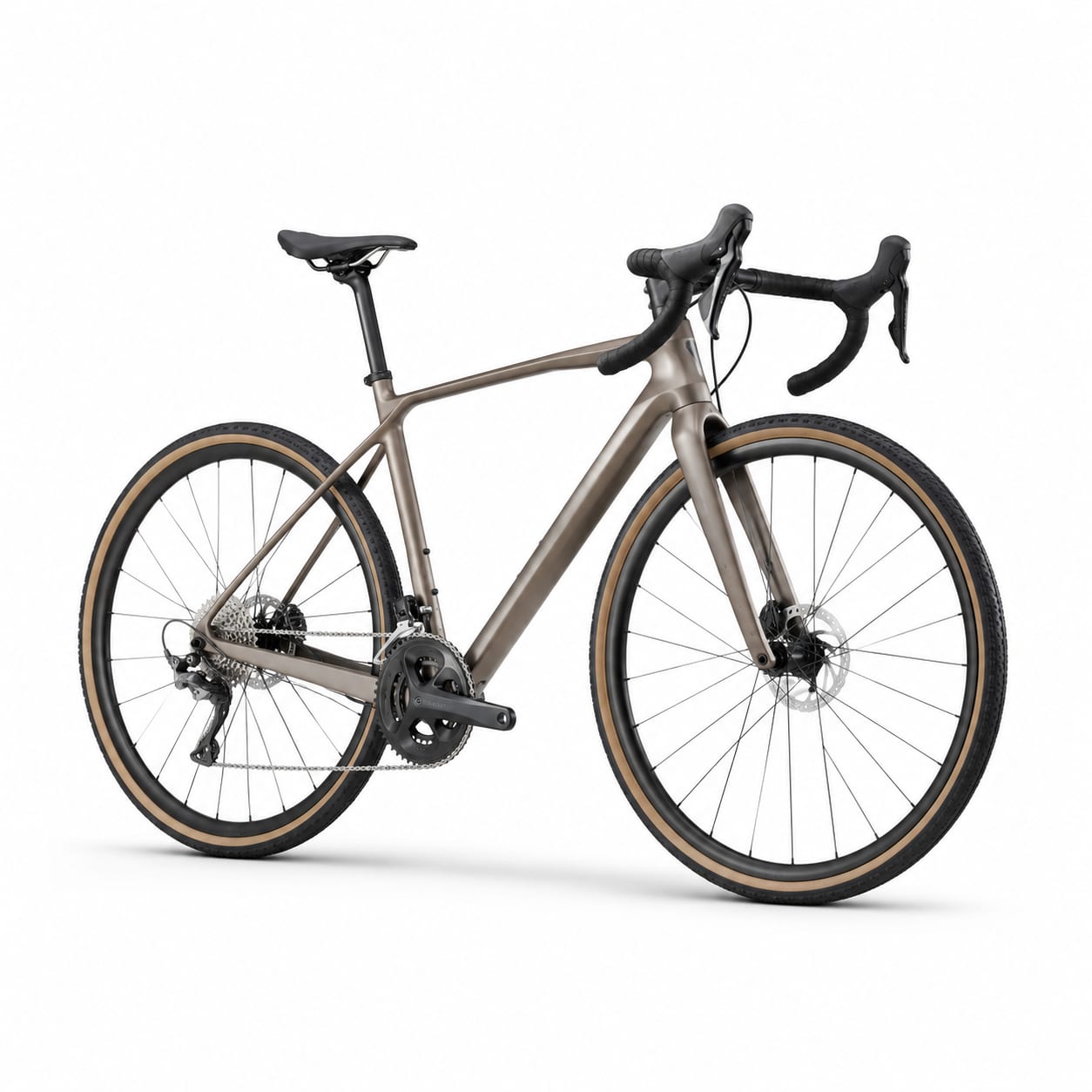
6 topics
Pick a question
Every answer links to the full subcategory guide and related gear types when it helps you decide.
Can an all-road gravel bike replace my road bike?
For most riders, yes. With 700c wheels and 32-35mm tires, an all-road bike rolls nearly as fast on pavement as a dedicated road bike while offering the freedom to explore unpaved roads. You'll sacrifice some top-end speed (1-2 km/h on flat pavement) and a slightly heavier bike, but gain enormous versatility. If you race road or do fast group rides where keeping up matters, keep your road bike. Otherwise, an all-road bike handles 90% of road riding perfectly.
Read answer →02What tire width should I run on my all-road bike?
For mixed-surface riding, 38-40mm is the sweet spot on 700c wheels. This width provides enough volume for comfort and grip on gravel without feeling sluggish on pavement. Run 35mm if you ride mostly road with occasional gravel. Go to 42-45mm if you ride mostly gravel with rough sections. Experiment with pressure — most riders run too high. Start at 40psi for a 75kg rider on 38mm tires and adjust down in 2-3psi increments until the ride feels supple without feeling vague in corners.
Read answer →03Should I choose 1x or 2x drivetrain for all-road riding?
It depends on your road-to-gravel ratio. If you spend more than 60% of your time on pavement, 2x offers tighter gear steps that make road cadence matching easier and provides both lower climbing gears and higher top gears simultaneously. If you spend more than 60% on gravel, 1x simplifies shifting, improves chain retention on rough terrain, and eliminates front derailleur maintenance. For a true 50/50 split, either works well — choose based on whether you value simplicity (1x) or gear precision (2x).
Read answer →04Do I need suspension on an all-road bike?
Most all-road riders do not need suspension. A rigid carbon fork with 38-42mm tires at proper pressures absorbs the vast majority of vibrations encountered on typical gravel roads. Suspension becomes worthwhile if you regularly ride rough washboard roads, have hand or wrist issues that are aggravated by vibration, or venture onto terrain that's more mountain bike than gravel. For most all-road riding, the weight, cost, and complexity of suspension isn't justified. Wider tires at lower pressures provide most of the comfort benefit.
Read answer →05Is an all-road bike good for bikepacking?
All-road bikes are excellent for light bikepacking — weekend trips with frame bags, a seat pack, and moderate gear weight. The 8-12 mounting points support the essential carrying setup, and the geometry handles well with a lightly loaded front end. For extended tours with heavy loads (panniers, full rack systems, 15+kg of gear), a dedicated bikepacking/adventure bike with longer chainstays, more mounting points, and 45mm+ tire clearance is a better choice. If bikepacking is a secondary activity, all-road works well. If it's primary, go adventure.
Read answer →06How much should I spend on an all-road gravel bike?
Quality all-road bikes start around $1,200-1,500 for aluminum frames with mechanical disc brakes and basic components. The sweet spot for value is $2,000-3,500, where you get a carbon or quality aluminum frame, hydraulic disc brakes, and a solid drivetrain. Premium models from $3,500-6,000 add lighter carbon frames, better wheels, and upgraded components. Beyond $6,000, you're paying for marginal weight savings and premium branding. Most riders get the best experience in the $2,000-3,500 range where the bike is capable and reliable without diminishing returns.
Read answer →