Kitvore.com

Kitvore.com

Specs that matter. Gear that fits.

Gravel Bike · Subcategory

All-Road

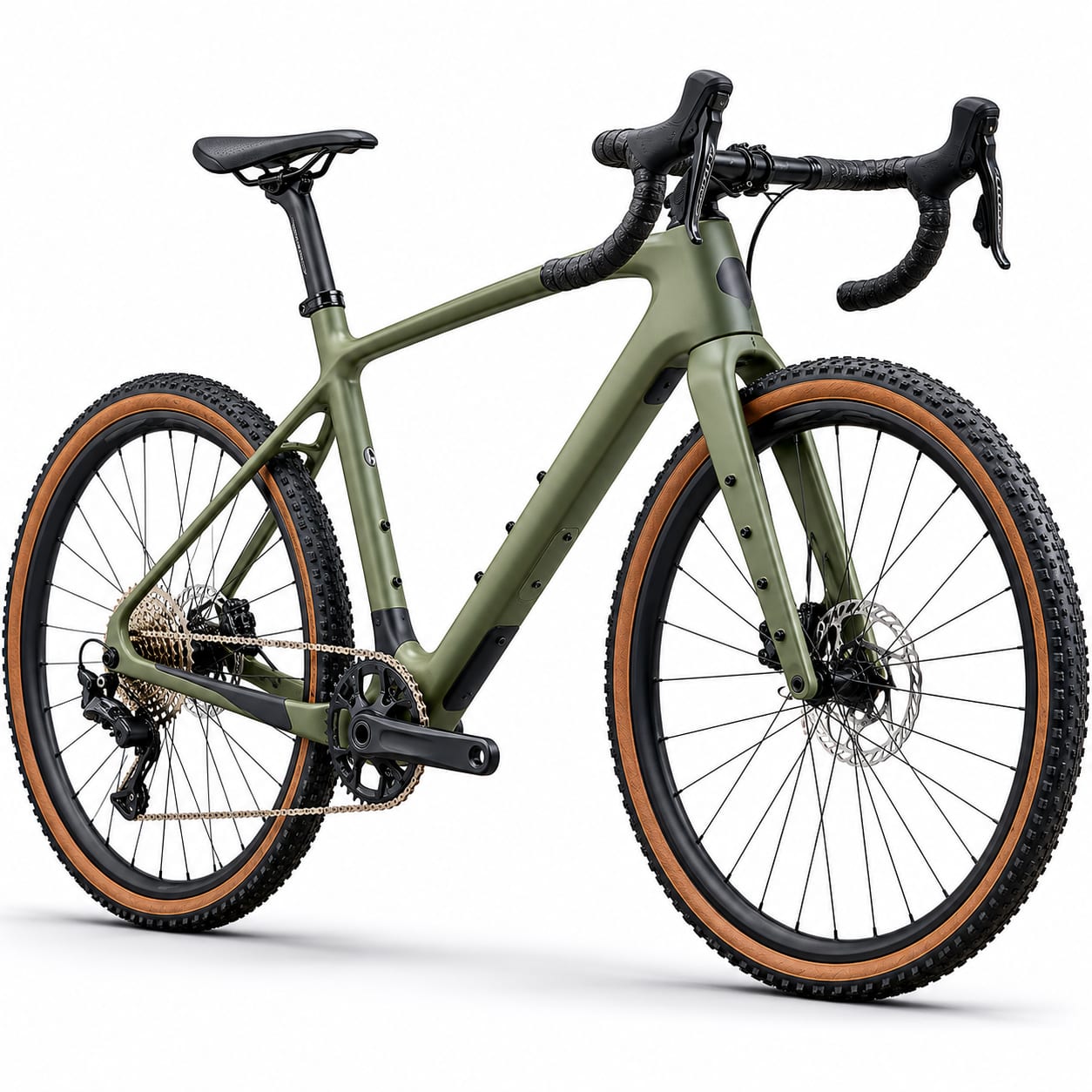
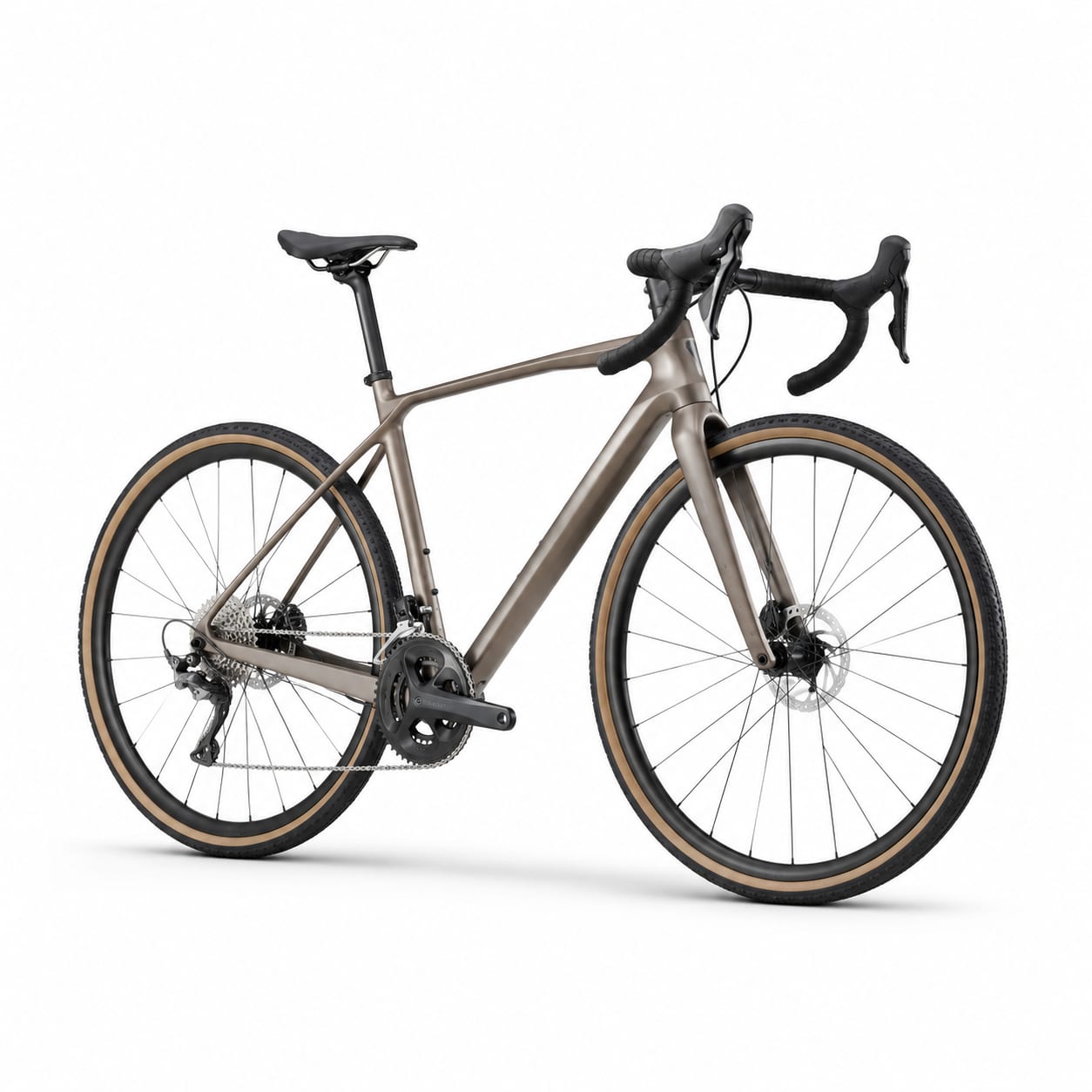
The versatile do-everything gravel bike built for mixed-surface riding from pavement to moderate dirt roads.

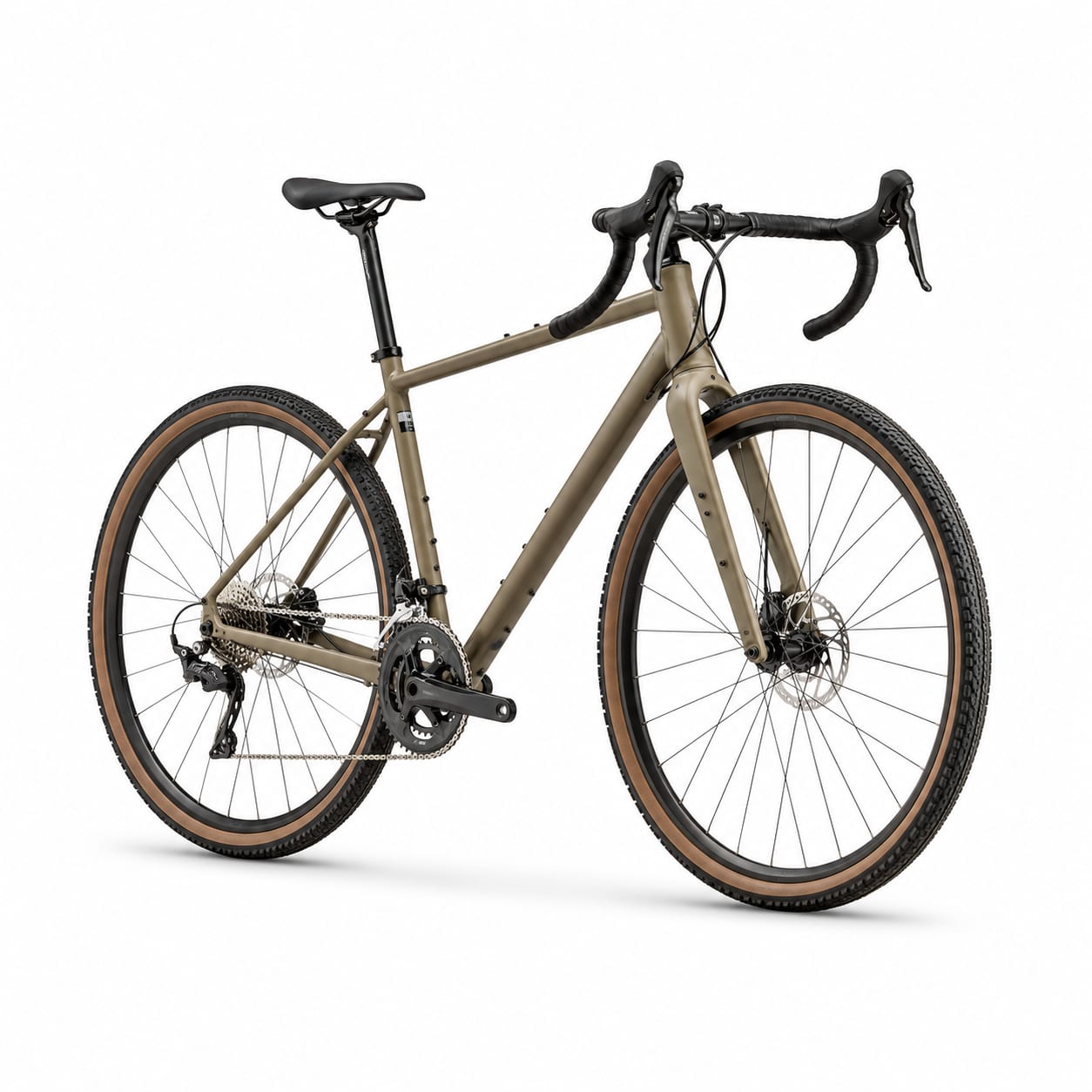
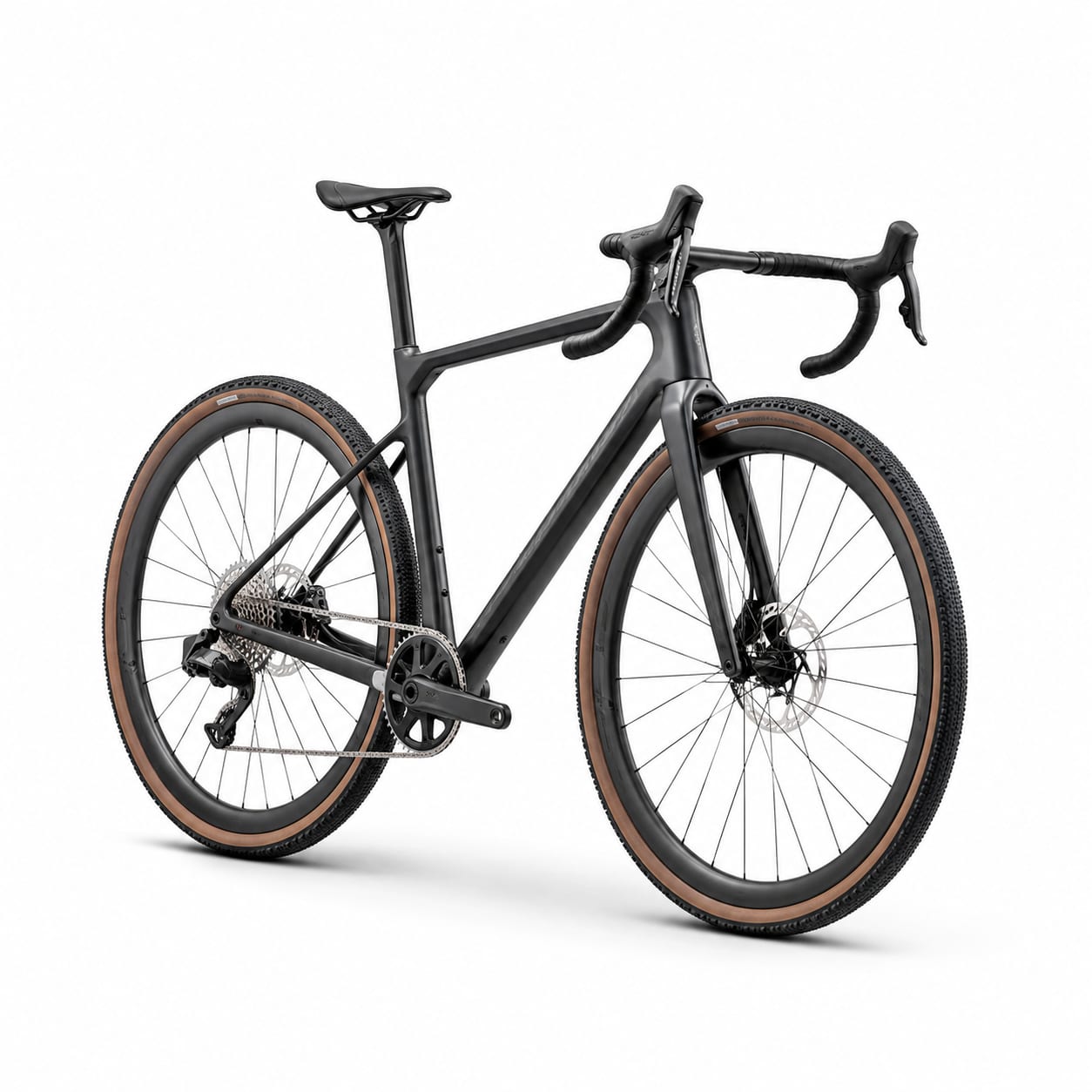
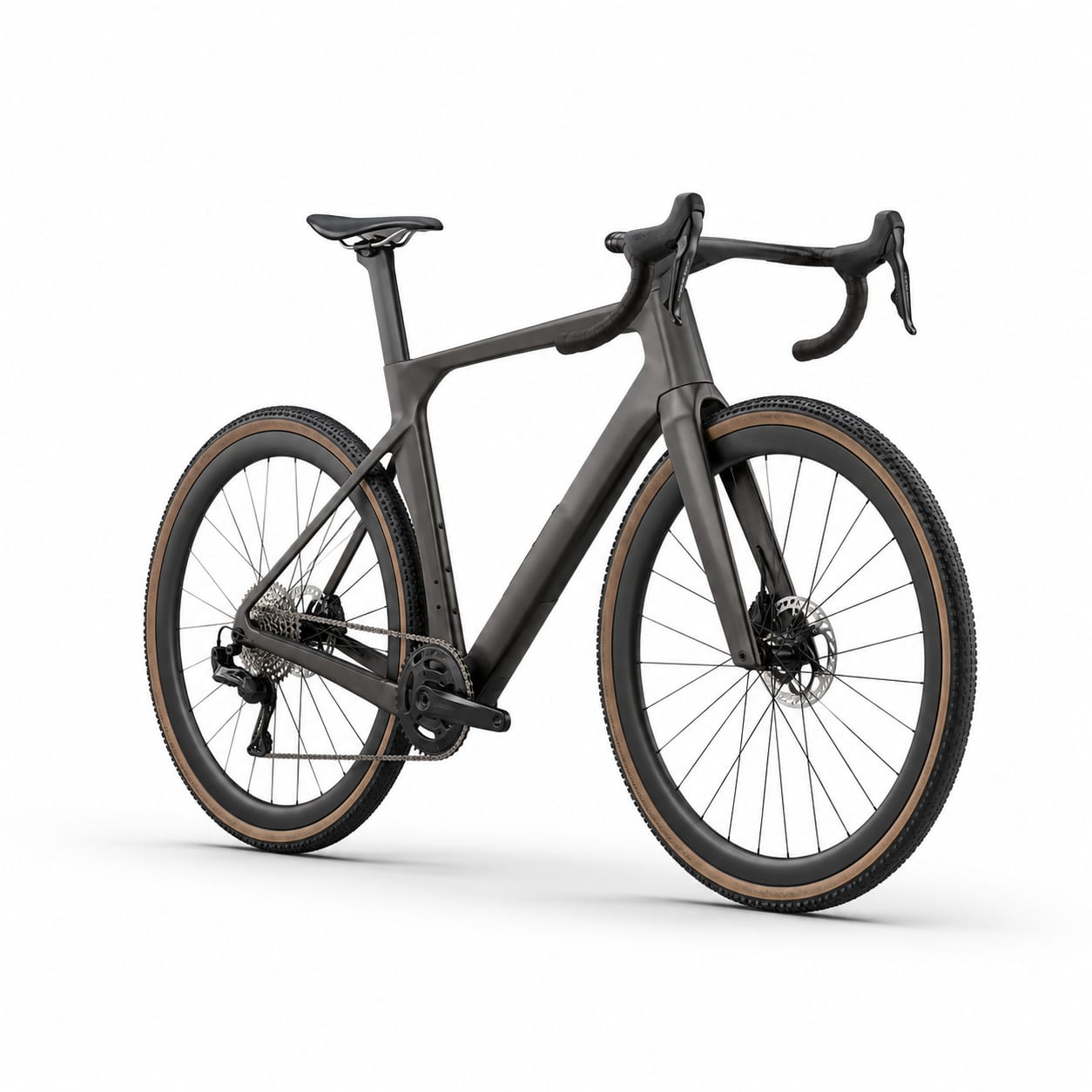
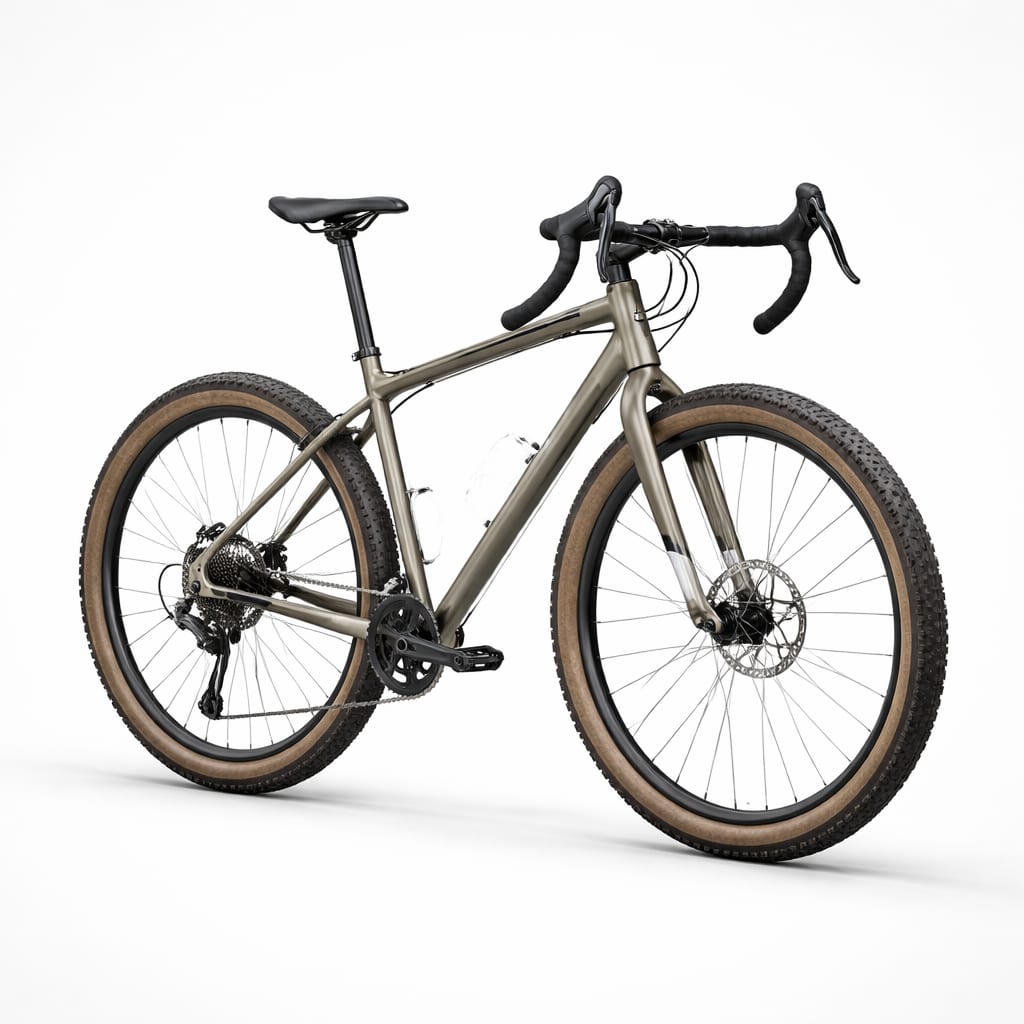
All-road gravel bikes are the Swiss Army knives of the drop-bar world, blending road bike efficiency with enough off-road capability to explore fire roads, canal paths, and groomed gravel. With moderate tire clearance (35–42mm), relaxed endurance geometry, and practical mounting points, they excel as daily drivers for riders who refuse to let surface type dictate their route.

$1500 – $10000mid tierbeginnerintermediateadvanced

Best known for

Versatility across pavement, gravel, and light trailsComfortable endurance geometry for long days in the saddleBalanced capability without specializing too far in any directionBeing the most popular and accessible entry point into gravel riding
All-Road

Guide

Detailed overview

All-road gravel bikes occupy the broad middle of the gravel spectrum, prioritizing versatility over specialization. They are designed for riders who split their time between paved roads, smooth gravel, and occasional rougher terrain — typically a 60/40 to 40/60 road-to-gravel ratio. With tire clearance generally between 35mm and 42mm, they accommodate rubber wide enough for off-road comfort without sacrificing the rolling efficiency that makes road riding enjoyable. The geometry leans endurance-oriented, with stack-to-reach ratios typically between 1.48 and 1.58, placing the rider in a position that is comfortable for long distances yet efficient enough for spirited group rides. Mounting points are sufficient for light bikepacking or commuting fenders but not so numerous that the frame becomes cluttered with unused bosses. This is the category where most major manufacturers concentrate their gravel offerings, resulting in the widest range of models, price points, and build specifications available to consumers.

The all-road gravel bike emerged as a distinct category in the mid-2010s when cyclists realized they wanted one bike that could handle their weekday commute, weekend group ride, and Sunday exploration of unpaved roads without compromise. Unlike gravel race bikes that prioritize speed and aggressive positioning, or bikepacking rigs built to carry heavy loads across continents, the all-road bike is engineered for the reality of how most people actually ride: mixed surfaces, variable distances, and a desire for comfort without sluggishness.

Geometry is where the all-road philosophy crystallizes. A stack-to-reach ratio between 1.48 and 1.58 places the handlebars high enough for all-day comfort but low enough for efficient power transfer on pavement. Chainstays in the 425–435mm range balance responsive handling with enough stability for loose surfaces. Head tube angles around 71–72 degrees provide steering that feels intuitive whether you're dodging potholes on asphalt or navigating a rocky descent. This middle-ground approach means the bike never feels twitchy off-road or lethargic on-road — it simply works everywhere.

Tire clearance is the defining practical consideration. All-road bikes typically max out between 35mm and 42mm, which is enough for 38–40mm tires on most terrain with room for mud. This range hits a sweet spot: wide enough to run lower pressures for comfort and grip on gravel, narrow enough that you're not pushing unnecessary rubber on pavement. Many all-road frames offer dual 700c/650b wheel compatibility, letting riders swap to high-volume 650b wheels for rougher adventures while keeping 700c for faster days. This flexibility effectively gives you two bikes in one frame.

Drivetrain choice on all-road bikes reflects their dual nature. Both 1x and 2x systems are common, with 2x setups slightly favored for their tighter gear steps and broader overall range — ideal for riders who spend significant time on pavement where cadence matching matters. However, 1x systems with wide-range cassettes (10-50T or 10-51T) have gained strong traction for their simplicity and chain security on rough ground. The best choice depends on your road-to-gravel ratio and whether you value simplicity or gear precision more highly.

Ultimately, the all-road gravel bike succeeds because it acknowledges a truth that purists resist: most riders want one bike that does 90% of everything well rather than a quiver of bikes that each do one thing perfectly. It's the bike for the rider who leaves their house without a route planned, who takes the dirt detour just to see where it goes, and who wants to arrive home comfortable rather than shattered. That breadth of capability, more than any single specification, is what defines the all-road category.

Quick facts

Primary purpose
Fast riding on paved and smooth gravel roads with occasional light off-road excursions
Popular brands
CanyonSpecializedTrekCervéloPinarelloBMC
Typical terrain
Paved roadsSmooth gravelFire roadsRail trails

What makes it different

Closer to road bike handling and aerodynamics than other gravel subcategories; fastest on pavement; limited off-road capability compared to more aggressive gravel bikes

Recommended ranges

How this type usually specs out

Each spec is explained in plain language, then we show what buyers usually look for on this type.

Frame Material

Frame Material

What it means

The primary material used in frame construction, affecting weight, compliance, durability, and cost.

Typical for this type

Carbon For Performance And Comfort; Aluminum For Value; Steel For Bikepacking-Leaning All-Road

Most common pick: Carbon Or Aluminum

In practice

All-road bikes are offered across all frame materials, but carbon fiber dominates the mid-to-upper range for its tunable compliance and weight. Aluminum is the most common entry-level choice, often paired with a carbon fork to improve front-end comfort. Steel appears in models that lean toward the bikepacking end of all-road.

Compared to other types

All-road bikes use the same materials as other gravel subcategories but skew slightly more toward carbon and aluminum than bikepacking rigs (which favor steel/titanium) and slightly less toward carbon-only than gravel race bikes.

Why it matters: Frame material significantly affects ride quality on mixed surfaces. Carbon's vibration damping is noticeable on long gravel stretches, while aluminum's harshness can be mitigated with wider tires and lower pressures. Steel offers the most compliant ride for rough roads but adds weight.

Max Tire Width

Maximum Tire Clearance

What it means

The widest tire the frame and fork can accommodate, measured in millimeters. Determines terrain capability and comfort potential.

Typical for this type

38–42mm minimum; 45mm ideal for maximum versatility without going full bikepacking

Most common pick: 38-42mm

In practice

All-road bikes typically accommodate tires between 35mm and 42mm wide, with some newer models stretching to 45mm. This range covers smooth gravel at speed (35-38mm) and rougher terrain with comfort (40-42mm). The 40mm mark is the practical sweet spot for most all-road riding.

Compared to other types

Less clearance than bikepacking/adventure bikes (45-57mm) which prioritize volume for comfort and floatation. More clearance than gravel race bikes (33-38mm) which prioritize aerodynamics and weight. All-road sits in the versatile middle.

Why it matters: Tire clearance is the single most important specification for an all-road bike because it determines terrain capability and comfort potential. Too little clearance limits you to smooth gravel; too much adds frame weight and reduces road efficiency. The all-road range balances both needs.

Wheel Size

Wheel Size Compatibility

What it means

The wheel diameter standard the frame supports. Many modern gravel bikes accept both 700c and 650b.

Typical for this type

Dual 700c/650b Compatibility Strongly Preferred For Maximum Versatility

Most common pick: 700c and 650b dual compatible

In practice

Most modern all-road frames are designed to accept both 700c and 650b wheel sizes. With 700c, riders typically run 35-40mm tires for fast gravel and road. With 650b, the same frame can accommodate 47mm+ tires for rougher terrain. This dual compatibility is a hallmark of the all-road category.

Compared to other types

Gravel race bikes often skip 650b compatibility to save weight and simplify design. Bikepacking bikes almost universally offer dual compatibility. All-road bikes strongly favor dual compatibility as a core value proposition.

Why it matters: Dual wheel compatibility effectively gives you two bikes: a fast road/gravel machine on 700c and a plush adventure rig on 650b. This is particularly valuable for all-road riders who encounter diverse terrain across different rides or seasons.

Drivetrain

Drivetrain Type

What it means

The gear system configuration including number of chainrings and cassette range, critical for terrain versatility.

Typical for this type

2x for road-heavy riding; 1x for gravel-heavy riding; either works well for mixed use

Most common pick: 2x or 1x (roughly equal prevalence)

In practice

All-road bikes are split roughly evenly between 1x and 2x drivetrains. 2x systems (typically 46/30T or 48/31T chainrings with 11-34T or 11-36T cassettes) offer tighter gear steps ideal for pavement cadence matching. 1x systems (typically 40T or 42T chainring with 10-42T to 10-51T cassettes) offer simpler operation and better chain retention on rough terrain.

Compared to other types

Gravel race bikes increasingly favor 1x for simplicity and weight savings. Bikepacking bikes also favor 1x for chain security under load. All-road is the only subcategory where 2x remains equally popular because of the road-riding component.

Why it matters: Drivetrain choice defines the riding experience. 2x feels more natural on road with seamless gear progression. 1x eliminates front shifting complexity and chain drops on rough ground. For true all-road use, both are valid; the choice depends on which surface dominates your riding.

Lowest Gear (Climbing)

Lowest Gear Ratio

What it means

The gear ratio of the easiest climbing gear, expressed as chainring teeth divided by largest cassette cog. Lower values enable easier climbing.

Typical for this type

0.80–0.88 for versatile all-road use; below 0.80 if you encounter steep climbs or plan light bikepacking

Most common pick: 0.83-0.90

In practice

All-road bikes typically offer lowest gear ratios between 0.83 and 0.90. A common 2x setup with 30T inner ring and 34T largest cog yields 0.88. A 1x setup with 40T ring and 10-42T cassette yields 0.95 (too high for steep terrain), while 40T with 10-51T yields 0.78 (excellent for climbing).

Compared to other types

Gravel race bikes sometimes accept higher lowest ratios (0.90+) because strong riders power over climbs. Bikepacking bikes target lower ratios (0.68-0.80) for loaded climbing. All-road sits between, with 0.80-0.88 being the practical range.

Why it matters: All-road riding often includes punchy climbs on loose surfaces where momentum is hard to maintain. A lowest gear ratio above 0.90 will leave you struggling on steep gravel climbs, especially when fatigued. Getting this right is more important than top-end speed for most riders.

Front Suspension

Front Suspension Type

What it means

The type of front impact absorption system, ranging from rigid to short-travel suspension forks.

Typical for this type

Rigid Carbon Fork For Most All-Road Use; Micro-Suspension Or Compliance Seatpost For Riders With Hand/Wrist Sensitivity

Most common pick: Rigid Carbon Fork

In practice

The vast majority of all-road bikes come with rigid carbon forks that rely on material compliance and wide tire pressures for vibration absorption. This is the lightest, simplest, and most versatile option. Some all-road models offer Future Shock-style stem suspension or compatibility with micro-suspension forks as an option.

Compared to other types

Gravel race bikes almost exclusively use rigid carbon forks. Bikepacking bikes may use rigid steel forks for durability and mounting points. All-road mirrors the race approach with rigid carbon, though some models offer suspension options for rougher riders.

Why it matters: For the mixed-surface riding that defines all-road, a rigid carbon fork with 38-42mm tires at appropriate pressures provides sufficient comfort for most riders and terrain. Suspension adds weight, cost, and complexity that most all-road riders don't need.

Stack/Reach Ratio

Stack-to-Reach Ratio

What it means

The ratio of frame stack height to reach length. Higher values indicate a more upright, endurance-oriented position. Key indicator of a gravel bike's intended riding style.

Typical for this type

1.48–1.56 for balanced all-road riding; 1.50-1.56 preferred for comfort-focused all-road

In practice

All-road bikes typically feature stack-to-reach ratios between 1.48 and 1.56, placing them firmly in the endurance geometry camp. This produces a riding position that is upright enough for comfort on long gravel stretches and visibility in traffic, yet low enough for efficient power transfer on pavement.

Compared to other types

Gravel race bikes range from 1.38-1.48 (lower, more aggressive). Bikepacking/adventure bikes range from 1.55-1.75 (higher, more upright). All-road occupies the comfortable middle, leaning slightly toward endurance.

Why it matters: The stack-to-reach ratio is the single best indicator of a gravel bike's intended character. All-road bikes need to be comfortable for 4-6 hour rides across mixed surfaces, and this ratio range achieves that without making the bike feel sluggish on road or sketchy on descents.

Chainstay Length

Chainstay Length

What it means

Distance from bottom bracket center to rear axle. Affects stability, traction, and bikepacking bag clearance.

Typical for this type

425–435mm for balanced all-road handling; 430mm+ if you plan to Use Frame Bags

Most common pick: 425-435mm

In practice

All-road bikes typically have chainstays between 425mm and 435mm, which balances responsive handling with stability on loose surfaces. This range also provides sufficient clearance for frame bags in the main triangle, making light bikepacking feasible.

Compared to other types

Gravel race bikes use shorter stays (415-425mm) for responsive handling. Bikepacking bikes use longer stays (435-460mm) for stability and bag clearance. All-road sits in the middle, with a slight bias toward the longer end for versatility.

Why it matters: Chainstay length affects both handling character and practical utility. Shorter stays make the bike feel snappy and responsive but reduce stability on loose gravel and limit frame bag space. Longer stays add stability and bag clearance but make the bike feel less lively on road.

Head Tube Angle

Head Tube Angle

What it means

The angle of the head tube from horizontal. Steeper angles create quicker steering; slacker angles add stability.

Typical for this type

71.0–72.0° for balanced all-road handling

Most common pick: 71.5-72.0°

In practice

All-road bikes typically feature head tube angles between 71.0° and 72.0°, providing steering that is responsive enough for road riding and stable enough for gravel descents. This range works well with the 50-55mm trail figures common to all-road geometry.

Compared to other types

Gravel race bikes may use steeper angles (72-73°) for quicker steering response. Bikepacking bikes use slacker angles (69-71°) for loaded stability. All-road sits between, prioritizing balanced handling across surfaces.

Why it matters: Head tube angle, combined with fork offset and trail, determines steering feel. The all-road range produces intuitive, predictable handling that doesn't require constant attention on loose surfaces while remaining engaging on pavement. It's the 'just right' zone for mixed-surface riding.

Brakes

Brake Type

What it means

The braking system type. Hydraulic disc brakes are the standard for gravel; flat-mount vs post-mount affects frame compatibility.

Typical for this type

Hydraulic Disc (Flat-Mount) Is The Standard; Avoid Mechanical Disc Unless On A Strict Budget

Most common pick: Hydraulic Disc Flat-Mount

In practice

Modern all-road bikes almost universally feature hydraulic disc brakes with flat-mount calipers. This is the current standard for mid-to-high-end gravel, offering excellent modulation and consistent power in all conditions. 160mm rotors front and rear are typical, with some models offering 180mm front options for heavier riders or loaded use.

Compared to other types

All gravel subcategories have converged on hydraulic disc brakes as standard. Flat-mount dominates all-road and race categories. Post-mount appears on some bikepacking and MTB-influenced models. Mechanical disc is only found on budget all-road builds.

Why it matters: Hydraulic disc brakes are essential for safe, confident riding on mixed surfaces where traction is variable. Flat-mount calipers are the current standard and offer the widest compatibility with future component upgrades. Mechanical disc brakes are a false economy on gravel.

Mount Points

Mounting Points Count

What it means

Total number of threaded mounting bosses on the frame and fork for bottles, racks, and fenders. Indicates bikepacking and touring capability.

Typical for this type

8–12 points for versatile all-road use; 10+ if you plan any bikepacking or commuting with racks/fenders

Most common pick: 8-12 points

In practice

All-road bikes typically feature 8-12 mounting points: two bottle cages inside the main triangle, a third under the downtube, fender eyelets, and rear rack mounts. Some models add fork blade mounts for additional bottles or accessories. This provides enough versatility for commuting, light bikepacking, and foul-weather riding without the excess bosses of dedicated touring bikes.

Compared to other types

Gravel race bikes minimize mounts (4-8 points) to save weight and maintain clean lines. Bikepacking bikes maximize mounts (12-20 points) for multi-day carrying capacity. All-road provides enough for practical versatility without over-building the frame.

Why it matters: Mounting points determine the bike's practical utility beyond sport riding. Fender mounts make the bike viable for year-round commuting. Rear rack mounts enable grocery runs or pannier touring. Fork mounts enable front-loading bikepacking setups. Having these options preserves future versatility even if you don't use them immediately.

Seatpost

Seatpost Type

What it means

The seatpost design, which significantly affects saddle compliance and off-road comfort on gravel terrain.

Typical for this type

Standard Rigid For Most Riders; Compliance Seatpost For Long-Distance Comfort; Dropper For Technical Terrain

Most common pick: Standard Rigid (27.2mm Carbon Or Aluminum)

In practice

Most all-road bikes come with standard rigid seatposts, typically 27.2mm diameter in carbon or aluminum. The 27.2mm diameter provides some natural flex compared to larger diameters. Some models feature compliance seatposts (Cane Creek eeSilk, Ergon CF3, or proprietary designs) or offer dropper post options for riders who venture onto technical terrain.

Compared to other types

Gravel race bikes use standard rigid posts for weight savings. Bikepacking bikes increasingly feature compliance posts for long-distance comfort. All-road offers the widest range of options, with standard rigid as the default and compliance/dropper as common upgrades.

Why it matters: Seatpost choice significantly affects comfort on long gravel rides. A 27.2mm carbon post provides noticeable damping compared to larger diameters. Compliance posts take this further with 10-30mm of effective travel. Dropper posts transform descending confidence on technical sections but add weight.

Bar Flare

Handlebar Flare

What it means

The outward angle of the drop sections from the hoods position. Flare improves control in the drops on rough terrain and widens the stance for stability.

Typical for this type

8–16° for balanced all-road control; 10-12° is the most common and versatile

Most common pick: 8-16°

In practice

All-road bikes typically feature handlebars with 8-16° of flare, which improves control in the drops on rough terrain without making the hoods position feel excessively wide. This range provides meaningful stability benefits on gravel while maintaining a natural hand position on road.

Compared to other types

Gravel race bikes may use minimal flare (0-8°) for aerodynamic efficiency. Bikepacking bikes often use more flare (16-25°) for maximum control with loaded front bags. All-road occupies the moderate middle that works well across surfaces.

Why it matters: Bar flare affects both control and comfort. Moderate flare (8-16°) gives you a wider, more stable platform in the drops for gravel descents while keeping the hoods at a comfortable width for road riding. Excessive flare makes the hoods feel awkward; too little flare reduces drops control off-road.

Weight

Complete Bike Weight

What it means

Total weight of the complete bicycle without pedals or accessories. Affects acceleration, climbing, and handling.

Typical for this type

8.5–9.8kg for typical all-road builds; under 8.5kg for premium carbon; 9.5-10.5kg for aluminum/steel

Most common pick: 8.5-9.8kg

In practice

All-road bikes typically weigh between 8.5kg and 9.8kg complete. Carbon fiber models with mid-range builds land around 8.5-9.2kg. Aluminum models with carbon forks come in at 9.0-9.8kg. Steel models range from 9.5-10.5kg. These weights include the mounting hardware and slightly beefier construction that all-road versatility demands.

Compared to other types

Gravel race bikes are lighter (7.5-8.5kg) due to minimized mounting points and race-oriented builds. Bikepacking bikes are heavier (9.5-12.5kg) due to reinforced frames and additional mounting hardware. All-road sits in the middle.

Why it matters: Weight matters less for all-road riding than for road racing, but it still affects climbing speed and acceleration. The all-road weight range reflects the category's balance between performance and practicality — light enough to be enjoyable on road, robust enough for off-road use.

Bottom Bracket

Bottom Bracket Standard

What it means

The bottom bracket shell standard affecting crank compatibility, maintenance ease, and frame stiffness.

Typical for this type

BSA Or T47 Threaded Preferred For Ease Of Maintenance; Press-Fit Acceptable On Carbon Frames

Most common pick: BSA Threaded Or T47 (Growing); PF30/BB86 On Some Carbon Frames

In practice

All-road bikes use a mix of bottom bracket standards. BSA threaded remains common on aluminum and steel frames and is preferred for its creak-free reliability and ease of home maintenance. T47 is gaining traction as the ideal threaded standard that combines reliability with wide-shell stiffness. Press-fit standards (PF30, BB86) appear on some carbon frames for weight savings.

Compared to other types

All subcategories use similar BB standards. Gravel race bikes may favor press-fit for weight savings. Bikepacking bikes strongly favor threaded (BSA, T47) for field serviceability. All-road is split, with a trend toward threaded standards as riders prioritize reliability.

Why it matters: Bottom bracket standard affects long-term ownership experience more than ride quality. Threaded standards (BSA, T47) are easier to maintain and less prone to creaking — important for gravel bikes exposed to mud and water. Press-fit saves a few grams but can develop annoying creaks over time.

Front Axle

Front Axle Standard

What it means

The front wheel axle standard, affecting wheel compatibility and stiffness. Thru-axles are standard on modern gravel bikes.

Typical for this type

12x100mm is the standard and preferred for widest wheel compatibility

Most common pick: 12x100mm thru-axle

In practice

All-road bikes universally use 12x100mm front thru-axles, which is the current standard for road and gravel bikes. This provides excellent stiffness and consistent brake rotor alignment while offering the widest compatibility with aftermarket wheelsets. The 15x100mm MTB standard only appears on models with suspension forks.

Compared to other types

All gravel subcategories use 12x100mm as the default. Only gravel bikes with suspension forks use 15x100mm. This dimension is essentially constant across the all-road category.

Why it matters: Axle standard primarily affects wheel compatibility. 12x100mm is the gravel/road standard, meaning virtually any gravel or road wheelset will fit. This matters for riders who want to swap wheelsets between 700c and 650b or upgrade to lighter wheels in the future.

Evaluation

Strengths and trade-offs

Pros

What this type does best

Unmatched versatility

Critical

All-road bikes handle pavement, smooth gravel, canal paths, and light singletrack competently. One bike genuinely does 90% of what most riders need, eliminating the need for separate road and gravel machines.

Comfortable endurance geometry

High

The upright, endurance-oriented riding position reduces fatigue on long rides and provides better visibility in traffic. Stack-to-reach ratios between 1.48-1.56 keep you comfortable for 4-6 hour mixed-surface adventures.

Widest model availability

High

As the most popular gravel subcategory, all-road bikes have the largest selection of models, price points, and sizes from every major manufacturer. This means better availability, more competitive pricing, and easier test rides.

Practical mounting points

High

With 8-12 mounting points, all-road bikes support fenders for commuting, racks for touring, and multiple bottle cages for long rides. This practical utility extends the bike's usefulness beyond sport riding into daily transportation.

Dual wheel size compatibility

Medium

Most all-road frames accept both 700c and 650b wheels, letting you run fast 700c tires for road/gravel days and plush 650b rubber for rougher adventures. This effectively gives you two bikes in one frame.

Balanced handling across surfaces

Medium

The moderate geometry (71-72° head angle, 425-435mm chainstays) produces handling that feels intuitive and predictable whether you're cornering on asphalt or navigating loose gravel. No surface feels like a compromise.

Strong resale value and market demand

Medium

All-road bikes are the most in-demand used gravel bikes because they suit the widest range of buyers. If you decide to upgrade or change disciplines, selling an all-road bike is typically faster and commands better prices than niche models.

Cons

Trade-offs to be aware of

Jack of all trades, master of none

Moderate

An all-road bike will never match a pure road bike on pavement, a gravel race bike in a competitive event, or a mountain bike on technical trails. It compromises in every discipline to work adequately in all of them.

Tire clearance limits rough terrain capability

Moderate

With max clearance typically at 38-42mm, all-road bikes cannot run the 45-57mm tires that make rough singletrack and deep mud manageable. You'll feel under-tired on genuinely rough terrain that bikepacking or adventure gravel bikes handle comfortably.

Heavier than road or race gravel equivalents

Minor

The additional mounting points, slightly reinforced frames, and versatile builds add 0.5-1.5kg compared to equivalent road or gravel race bikes. This weight is noticeable on steep climbs and accelerations, though less so on flat gravel.

Geometry too upright for aggressive riders

Minor

Riders who prefer a low, aerodynamic position for fast group rides or racing may find the all-road stack height too high. Achieving a race-like position often requires flipping stems and removing spacers, which can look awkward and affect handling.

Overwhelming choice can paralyze buyers

Minor

The all-road category has the most models from every manufacturer at every price point. This abundance makes it harder to narrow down choices and easier to second-guess your decision after purchase.

Best for

Surfaces & terrain

Paved roadsSmooth to moderate gravelFire roads and forest service roadsCanal paths and rail trailsPacked dirt and groomed trails

Riding conditions

Dry to damp gravel roadsSpring through fall mixed-surface ridingAll-weather commuting with fendersLong-distance day rides with varied surfaces

Skill level

Beginners entering gravel ridingIntermediate riders exploring mixed surfacesAdvanced riders wanting a versatile training and adventure bike

Riding discipline

Mixed-surface explorationEndurance gravel ridingGravel touring and light bikepackingFitness riding on varied terrainCommuting with gravel detours

Rider profile

Road cyclists wanting to explore off-pavementRiders with one bike for everythingCommuters who take the scenic routeWeekend adventurers who don't plan routes in advanceCouples or friends riding together at social paces

Not ideal for

Reasons

Tire clearance is insufficient for technical terrain that demands 45mm+ tiresGeometry is too upright for competitive racing where aerodynamic position mattersFrame and mounting points are not designed for the heavy loads of extended bikepackingGearing may be too high for loaded climbing on steep, loose terrain

Surfaces & terrain

Technical singletrackDeep mud or sandRocky, root-filled trailsSteep, loose descents requiring mountain bike geometry

Skill level

Complete beginners to cycling (consider a hybrid first)

Riding discipline

Gravel racing at competitive levelsMulti-day bikepacking with heavy loadsMountain biking on technical trailsRoad racing or fast criteriums

Compare

How it stacks up

This page

All-Road

More comfortable geometry, more mounting points, wider tire clearance, and better versatility for non-racing use. All-road bikes are genuinely enjoyable for all-day rides rather than just competitive events.

Alternative

Gravel Race

Lighter weight, lower and more aerodynamic position, tighter handling for racing, and faster on smooth gravel when ridden at high intensity. Race bikes are purpose-built for going fast in gravel events.

Bottom line

Choose all-road unless you are specifically training for and competing in gravel races. The comfort and versatility advantages matter every ride; the race advantages only matter in competition.

This page

All-Road

Lighter, faster on road and smooth gravel, more responsive handling, and less compromised for sport riding. All-road bikes feel lively and efficient rather than truck-like.

Alternative

Bikepacking/Adventure

Massive tire clearance (45-57mm), abundant mounting points (12-20+), longer wheelbase for loaded stability, and geometry optimized for carrying heavy gear across multi-day trips. Adventure bikes are built to go anywhere with anything.

Bottom line

Choose all-road if your riding is primarily day trips and light overnighters. Choose bikepacking/adventure if you regularly do multi-day tours with full gear or ride genuinely rough terrain that demands high-volume tires.

This page

All-Road

Wider tire clearance for gravel capability, more mounting points for practical use, and geometry that handles loose surfaces confidently. All-road bikes go places endurance road bikes simply cannot.

Alternative

Endurance Road

Faster on pavement, lighter weight, tighter handling for road group rides, and more aerodynamic position. Endurance road bikes are optimized for long road rides where gravel capability is unnecessary.

Bottom line

Choose all-road if you ride any unpaved surfaces regularly or want the option to explore. Choose endurance road if you are certain you will only ride on pavement and prioritize road speed and efficiency.

This page

All-Road

More practical mounting points, slightly more relaxed geometry for comfort, and typically better value at equivalent price points. All-road bikes are designed for real-world riding rather than sportive events.

Alternative

Gravel Sportive

Slightly sportier handling and position for fast group rides and events, often with premium frame features like integrated cable routing and aerodynamic tube shapes. Sportive bikes bridge road and gravel for event-focused riders.

Bottom line

The distinction between all-road and sportive is subtle. Choose all-road for maximum practicality and comfort. Choose sportive if you participate in organized gravel events and want a more performance-oriented feel without going full race.

Shopping

Buying tips

  • 1

    Prioritize tire clearance above all else — 40mm minimum, 42-45mm ideal. You can always run narrower tires on a frame with generous clearance, but you cannot run wider tires than the frame allows. More clearance preserves future options.

  • 2

    Test ride with the tires you'll actually use. Stock tires on all-road bikes are often narrower than the frame's maximum clearance. Ask the shop to swap to 38-40mm tires for the test ride to experience the bike as you'll actually ride it.

  • 3

    Don't overpay for features you won't use. If you never plan to bikepack, extra mounting points add weight without benefit. If you never ride in rain, fender mounts are unnecessary. Buy the bike that matches your actual riding, not your aspirational riding.

  • 4

    Consider buying one step below top-tier and upgrading wheels. Stock wheels on mid-range all-road bikes are often the weakest component. A $3,000 bike with a $600 wheel upgrade will typically outperform a $3,600 bike with stock wheels.

  • 5

    Check the lowest gear ratio before buying. Many all-road bikes come with gearing that is too high for steep gravel climbs. If the lowest gear ratio is above 0.90, budget for a cassette or chainring change to get below 0.85.

  • 6

    Verify 650b compatibility even if you don't plan to use it immediately. Frames that accept both wheel sizes have more versatile geometry and tend to have better tire clearance with 700c as well. It's a marker of thoughtful frame design.

  • 7

    Pay attention to handlebar width and flare. All-road bikes come with bars that are often too wide for smaller riders. If the hoods feel far apart, a narrower bar with moderate flare will dramatically improve comfort and control.

  • 8

    Buy from a shop that supports gravel riding. Proper setup for mixed-surface riding — tubeless tire installation, sealant, appropriate pressures, and brake pad compound selection — requires knowledge that not all road-focused shops possess.

Care

Maintenance notes

  • Clean and reapply tubeless sealant every 3-6 months. Sealant dries out over time, especially in hot conditions. Running dry sealant means you have no puncture protection when you need it most on remote gravel roads.
  • Inspect brake pads more frequently than on road bikes. Gravel dust and grit accelerate pad wear significantly. Metallic pads last longer than resin pads in gritty conditions but can be noisier. Replace pads when friction material reaches 1.5mm thickness.
  • Check thru-axle torque regularly. Gravel vibration can loosen thru-axles over time, especially on the front fork. A loose front axle can cause brake rub and, in extreme cases, wheel misalignment. Use a torque wrench to verify 10-12Nm every few rides.
  • Lubricate chain after every wet or dusty ride. Gravel riding exposes the drivetrain to more contaminants than road riding. Use a wet lube for muddy/wet conditions and a dry lube for dusty conditions. Wipe the chain clean before applying fresh lube.
  • Inspect tire sidewalls periodically for cuts and abrasion. Gravel tires take more abuse than road tires, and sidewall failures are more dangerous at low pressures. Replace tires when casing threads become visible or cuts exceed 3mm.
  • Grease threaded bottom bracket shells annually if you have BSA or T47. Gravel riding exposes the BB area to water and grit. A yearly clean and regrease prevents creaking and seized cups that are expensive to remove.
  • Check headset bearings for notchiness every 6 months. Gravel bikes are prone to headset contamination from water and grit. Indexed or rough steering indicates bearings need replacement. Sealed cartridge bearings are standard and relatively inexpensive to replace.

Progression

Skill development path

All-road gravel riding naturally progresses through three phases. Beginners should focus on bike handling fundamentals: braking technique on loose surfaces (modulate, don't grab), tire pressure experimentation (start at 40psi and lower in 2-3psi increments until you find your comfort threshold), and basic gravel cornering (weight the outside pedal, look through the turn). Intermediate riders should develop terrain reading skills — learning to spot the smoothest line through gravel, recognizing loose versus packed surfaces by color, and managing momentum on rolling terrain. Gear selection becomes intuitive: anticipate climbs by shifting early, maintain cadence on variable surfaces, and learn to ride relaxed over rough ground rather than fighting the bike. Advanced all-road riders push into route planning and adventure riding: linking paved and unpaved segments into creative loops, navigating by landmarks and terrain features rather than GPS, and developing the fitness and confidence for longer, more remote rides. The beauty of all-road riding is that progression is self-directed — there's always a rougher road, a longer route, or a more creative path to discover.

FAQ

Common questions

Each question has a dedicated page with a full answer and links to the buying guide.

Can an all-road gravel bike replace my road bike?

For most riders, yes. With 700c wheels and 32-35mm tires, an all-road bike rolls nearly as fast on pavement as a dedicated road bike while offering the freedom to explore unpaved roads. You'll sacrifice some top-end speed (1-2 km/h on flat pavement) and a slightly heavier bike, but gain enormous versatility. If you race road or do fast group rides where keeping up matters, keep your road bike. Otherwise, an all-road bike handles 90% of road riding perfectly.

What tire width should I run on my all-road bike?

For mixed-surface riding, 38-40mm is the sweet spot on 700c wheels. This width provides enough volume for comfort and grip on gravel without feeling sluggish on pavement. Run 35mm if you ride mostly road with occasional gravel. Go to 42-45mm if you ride mostly gravel with rough sections. Experiment with pressure — most riders run too high. Start at 40psi for a 75kg rider on 38mm tires and adjust down in 2-3psi increments until the ride feels supple without feeling vague in corners.

Should I choose 1x or 2x drivetrain for all-road riding?

It depends on your road-to-gravel ratio. If you spend more than 60% of your time on pavement, 2x offers tighter gear steps that make road cadence matching easier and provides both lower climbing gears and higher top gears simultaneously. If you spend more than 60% on gravel, 1x simplifies shifting, improves chain retention on rough terrain, and eliminates front derailleur maintenance. For a true 50/50 split, either works well — choose based on whether you value simplicity (1x) or gear precision (2x).

Do I need suspension on an all-road bike?

Most all-road riders do not need suspension. A rigid carbon fork with 38-42mm tires at proper pressures absorbs the vast majority of vibrations encountered on typical gravel roads. Suspension becomes worthwhile if you regularly ride rough washboard roads, have hand or wrist issues that are aggravated by vibration, or venture onto terrain that's more mountain bike than gravel. For most all-road riding, the weight, cost, and complexity of suspension isn't justified. Wider tires at lower pressures provide most of the comfort benefit.