
Most all-road riders do not need suspension. A rigid carbon fork with 38-42mm tires at proper pressures absorbs the vast majority of vibrations encountered on typical gravel roads. Suspension becomes worthwhile if you regularly ride rough washboard roads, have hand or wrist issues that are aggravated by vibration, or venture onto terrain that's more mountain bike than gravel. For most all-road riding, the weight, cost, and complexity of suspension isn't justified. Wider tires at lower pressures provide most of the comfort benefit.
Gravel Bike · All-Road
Do I need suspension on an all-road bike?
Related gear types
If this answer nudged you toward a different style, these guides compare specs and trade-offs.
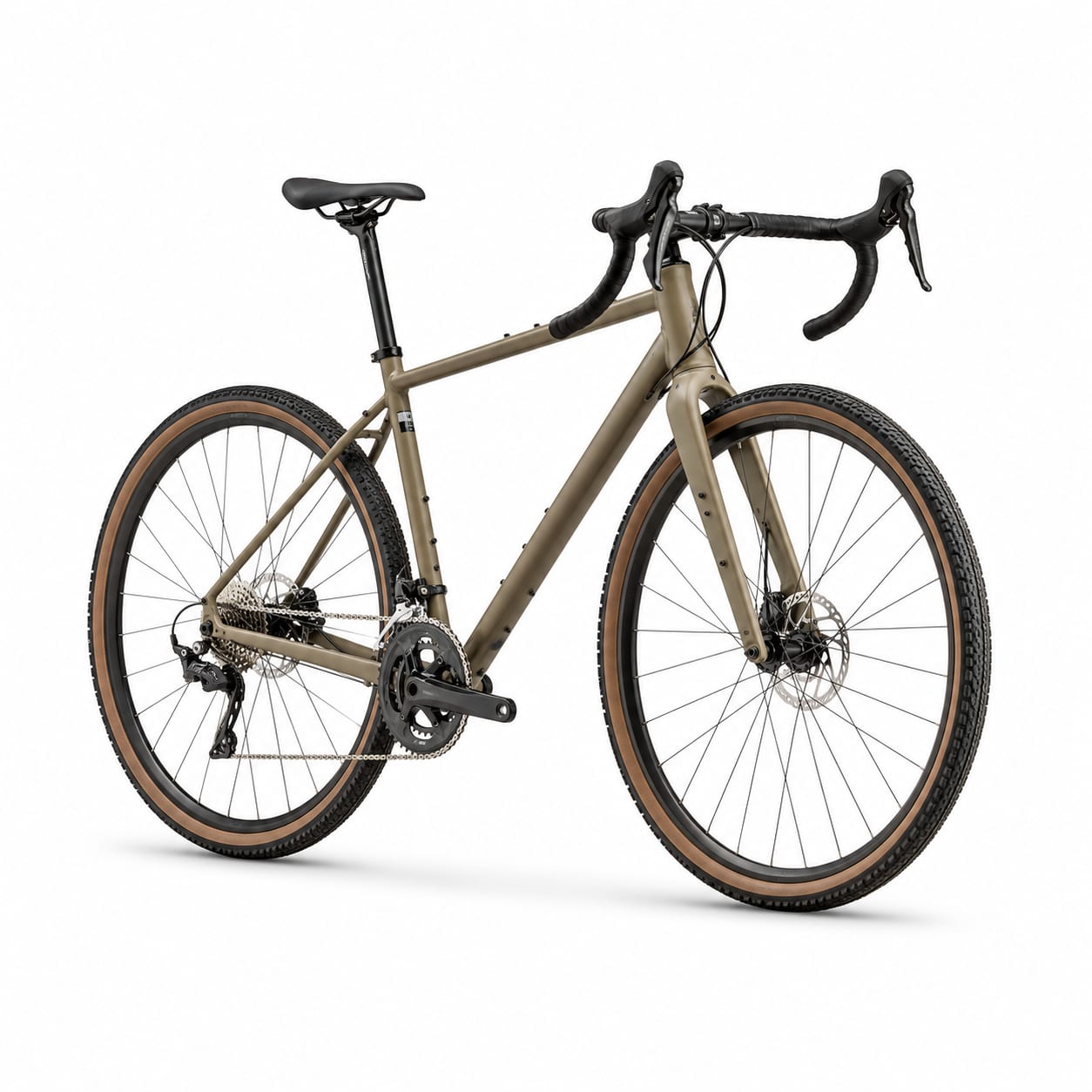
Classic Gravel
$1200 – $8000
The original do-it-all gravel bike with balanced geometry and mid-range tire clearance for mixed-terrain riding.
Tire clearance 38–45mmBalanced endurance geometryMultiple bottle and rack mounts
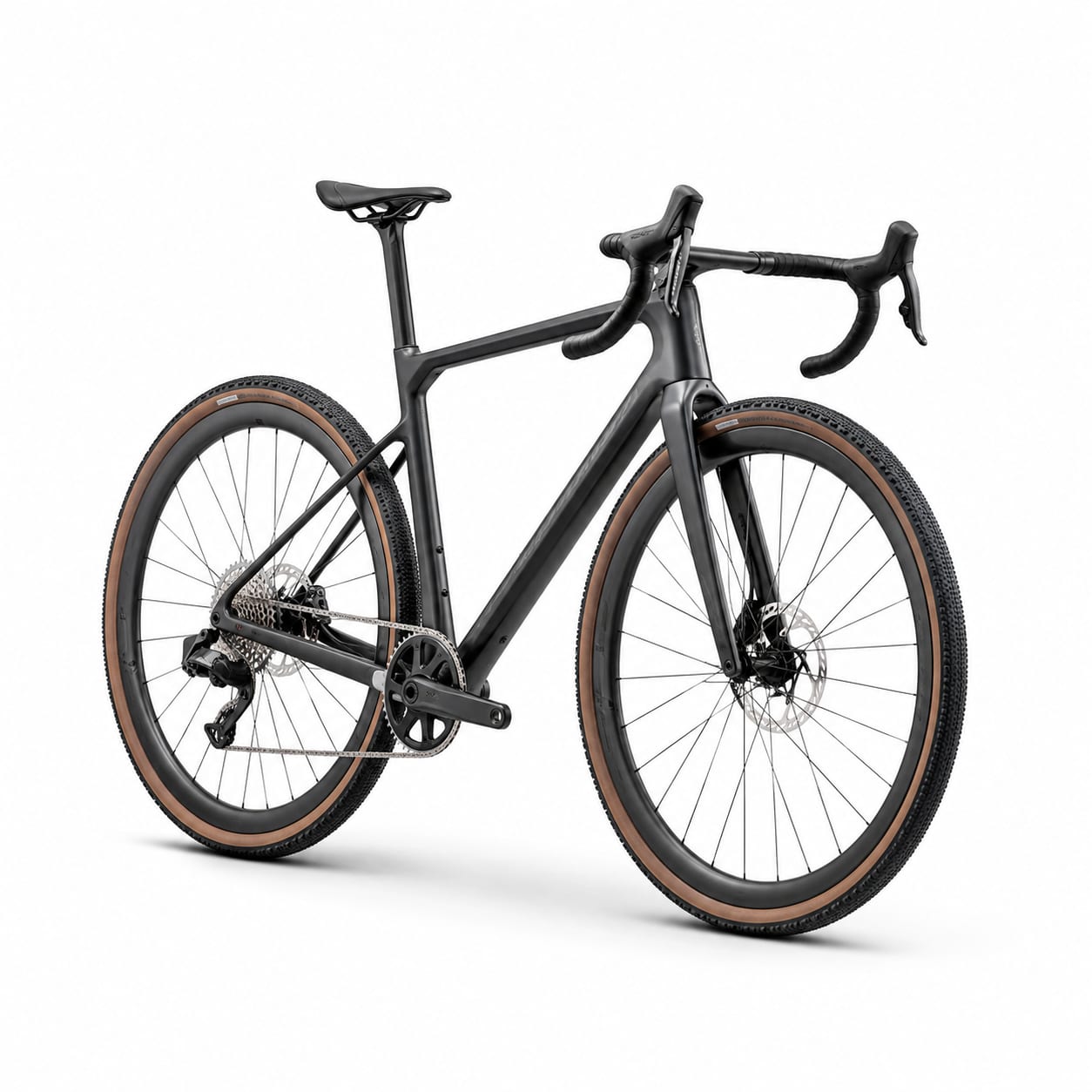
Gravel Race
$2500 – $12000
Lightweight, performance-oriented gravel bikes built for competitive gravel events and fast riding.
Aggressive race geometryLightweight framesetsStiff power transfer
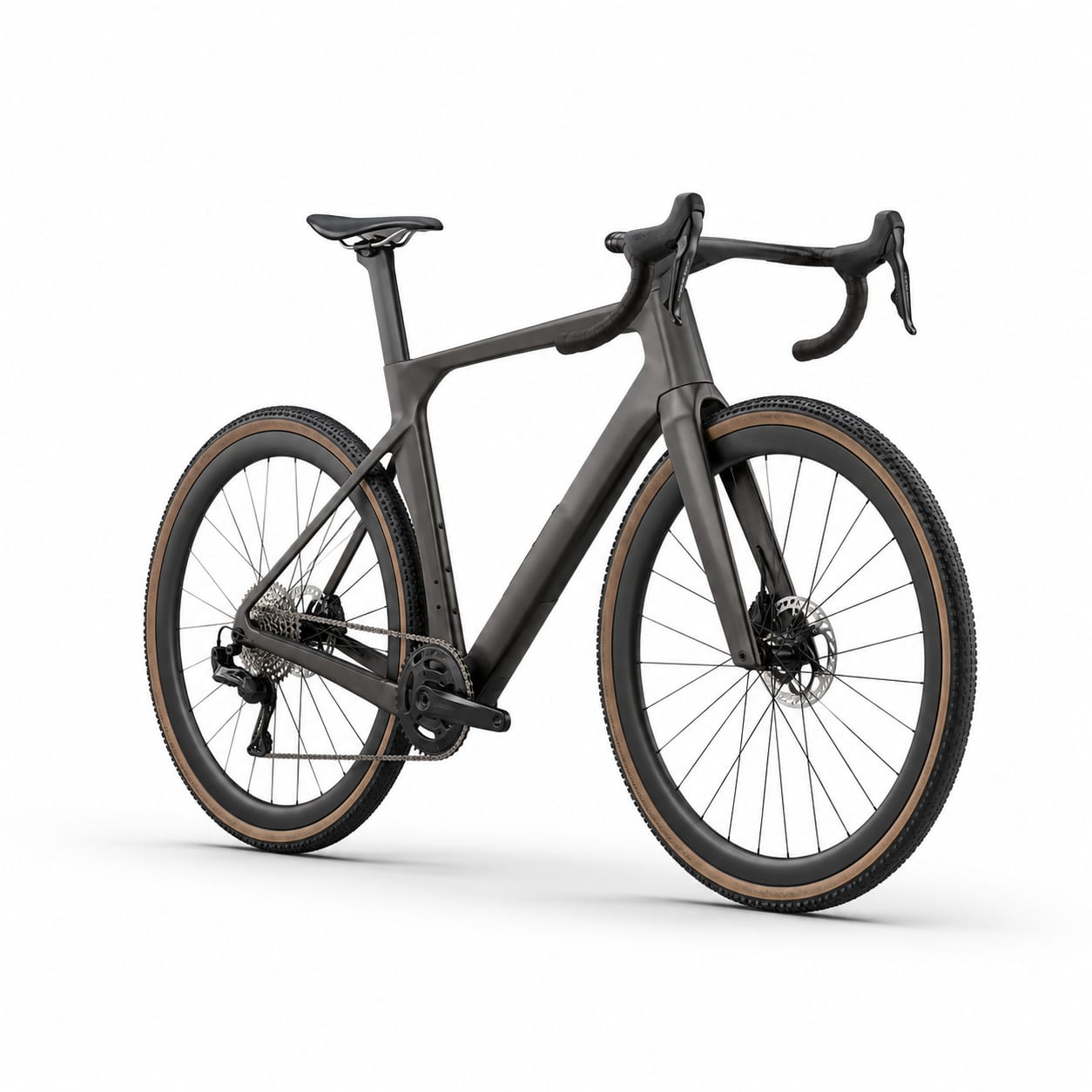
Aero Gravel
$3000 – $12000
Gravel bikes with aerodynamic frame optimization designed for flat and fast gravel racing.
Aero-optimized tube shapesIntegrated cockpitDeep section frame profiles
More questions
- Can an all-road gravel bike replace my road bike?
- What tire width should I run on my all-road bike?
- Should I choose 1x or 2x drivetrain for all-road riding?
- Is an all-road bike good for bikepacking?