
Gravel Bike · FAQ
Questions about Bikepacking / Expedition Gravel
Straight answers on fit, specs, and when this type makes sense — each topic has its own page with links back to the buying guide.
Open Bikepacking / Expedition Gravel guide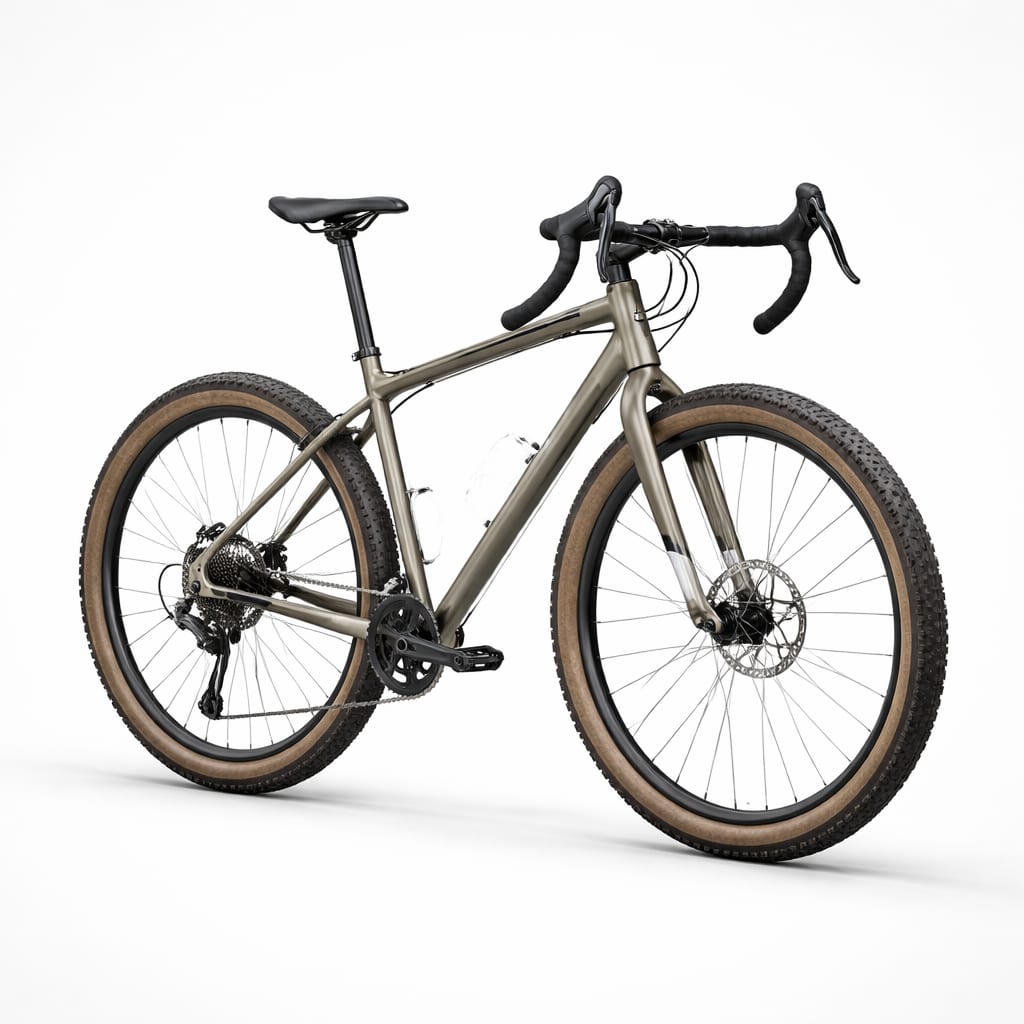
6 topics
Pick a question
Every answer links to the full subcategory guide and related gear types when it helps you decide.
Can I use a bikepacking gravel bike for regular gravel riding and commuting?
Absolutely. A bikepacking gravel bike works well for everyday riding — just remove the bags. The upright position is comfortable for commuting, and the wide tire clearance lets you run supple, fast-rolling tires for day rides. The main trade-off is slightly sluggish handling compared to a race-oriented gravel bike, but most riders find the versatility worth it. Swap to lighter tires and remove bags, and you have a capable daily rider.
Read answer →02Do I really need 50mm tire clearance, or is 45mm enough for bikepacking?
45mm is the minimum for comfortable bikepacking, but 50mm+ provides meaningful benefits. Wider tires allow lower pressures under load, which dramatically improves comfort and traction on rough terrain. The difference is most noticeable on washboard gravel, rocky doubletrack, and long days where fatigue accumulates. If you ride primarily smooth gravel, 45mm is fine. If your routes include rough terrain, 50mm+ is worth having.
Read answer →03Is steel really better than carbon for bikepacking, or is that just nostalgia?
Steel offers genuine practical advantages for bikepacking: superior compliance that reduces fatigue over long days, field repairability (any welder can fix a cracked steel frame), and natural durability under heavy loads. Carbon is lighter and can be engineered for compliance, but it's not repairable in the field and can be damaged by clamp forces from bikepacking bags. That said, modern carbon bikepacking frames are excellent — the material choice matters less than the overall design. Choose steel for maximum durability and repairability; choose carbon for lower weight.
Read answer →04What's the minimum number of mounting points I need for bikepacking?
For basic bikepacking with a handlebar bag, frame bag, and seat pack, you need at minimum 8-10 mounting points (2-3 bottle cage mounts, fender eyelets for some bags). For serious bikepacking with fork bags, cargo cages, and maximum water capacity, 12+ points are recommended. Fork blade mounts are particularly important — they enable front-loading configurations that balance weight distribution. If you plan desert routes or areas with long waterless sections, prioritize bikes with under-downtube and fork mounts.
Read answer →05Should I choose 1x or 2x for bikepacking?
1x is the better choice for most bikepackers due to simpler operation, better chain retention on rough terrain, and a cleaner cockpit for handlebar bag mounting. The key is ensuring your lowest gear ratio is low enough — aim for 0.80 or below (e.g., 38T chainring with 11-46T cassette = 0.83, or 36T with 10-51T = 0.71). Choose 2x only if you frequently ride long paved sections where tighter gear steps matter, or if you need both very low climbing gears and very high top gears simultaneously.
Read answer →06Can I bikepack on a regular gravel bike, or do I need a purpose-built bikepacking frame?
You can absolutely bikepack on a regular gravel bike, especially for shorter trips with lighter loads. The main limitations you'll encounter are tire clearance (many all-around gravel bikes max out at 40-45mm), mounting points (fewer options for water and gear), and climbing gears (higher lowest ratios that struggle under load). For weekend overnighters on moderate terrain, a regular gravel bike works fine. For multi-day trips on rough terrain with full camping kit, a purpose-built bikepacking frame provides meaningful advantages in comfort, capability, and convenience.
Read answer →