
45mm is the minimum for comfortable bikepacking, but 50mm+ provides meaningful benefits. Wider tires allow lower pressures under load, which dramatically improves comfort and traction on rough terrain. The difference is most noticeable on washboard gravel, rocky doubletrack, and long days where fatigue accumulates. If you ride primarily smooth gravel, 45mm is fine. If your routes include rough terrain, 50mm+ is worth having.
Gravel Bike · Bikepacking / Expedition Gravel
Do I really need 50mm tire clearance, or is 45mm enough for bikepacking?
Related gear types
If this answer nudged you toward a different style, these guides compare specs and trade-offs.
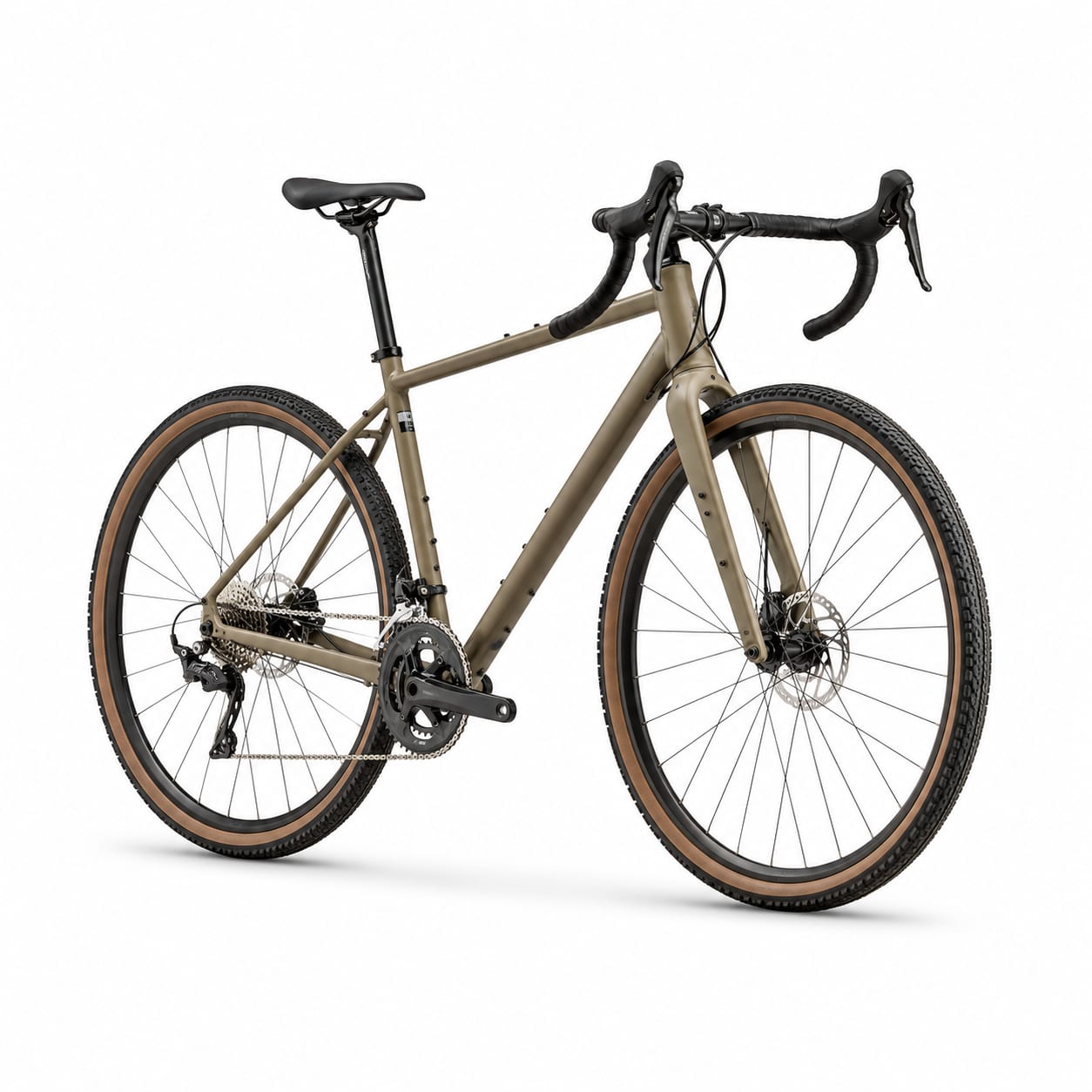
Classic Gravel
$1200 – $8000
The original do-it-all gravel bike with balanced geometry and mid-range tire clearance for mixed-terrain riding.
Tire clearance 38–45mmBalanced endurance geometryMultiple bottle and rack mounts
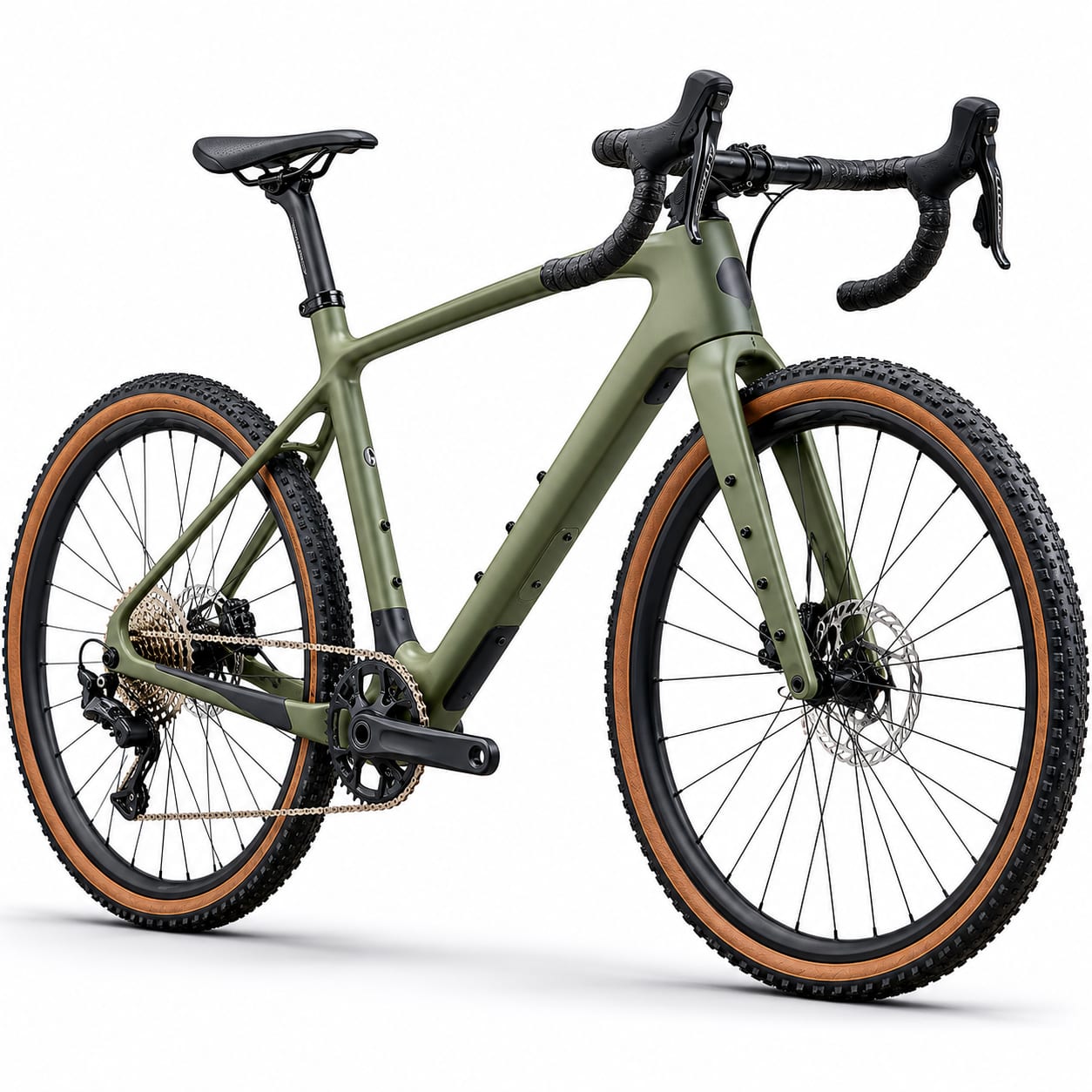
Endurance Gravel
$1500 – $6000
Comfort-focused gravel bikes with compliance features and relaxed geometry for long-distance riding.
Compliance-engineered framesRelaxed endurance geometryVibration-dampening features
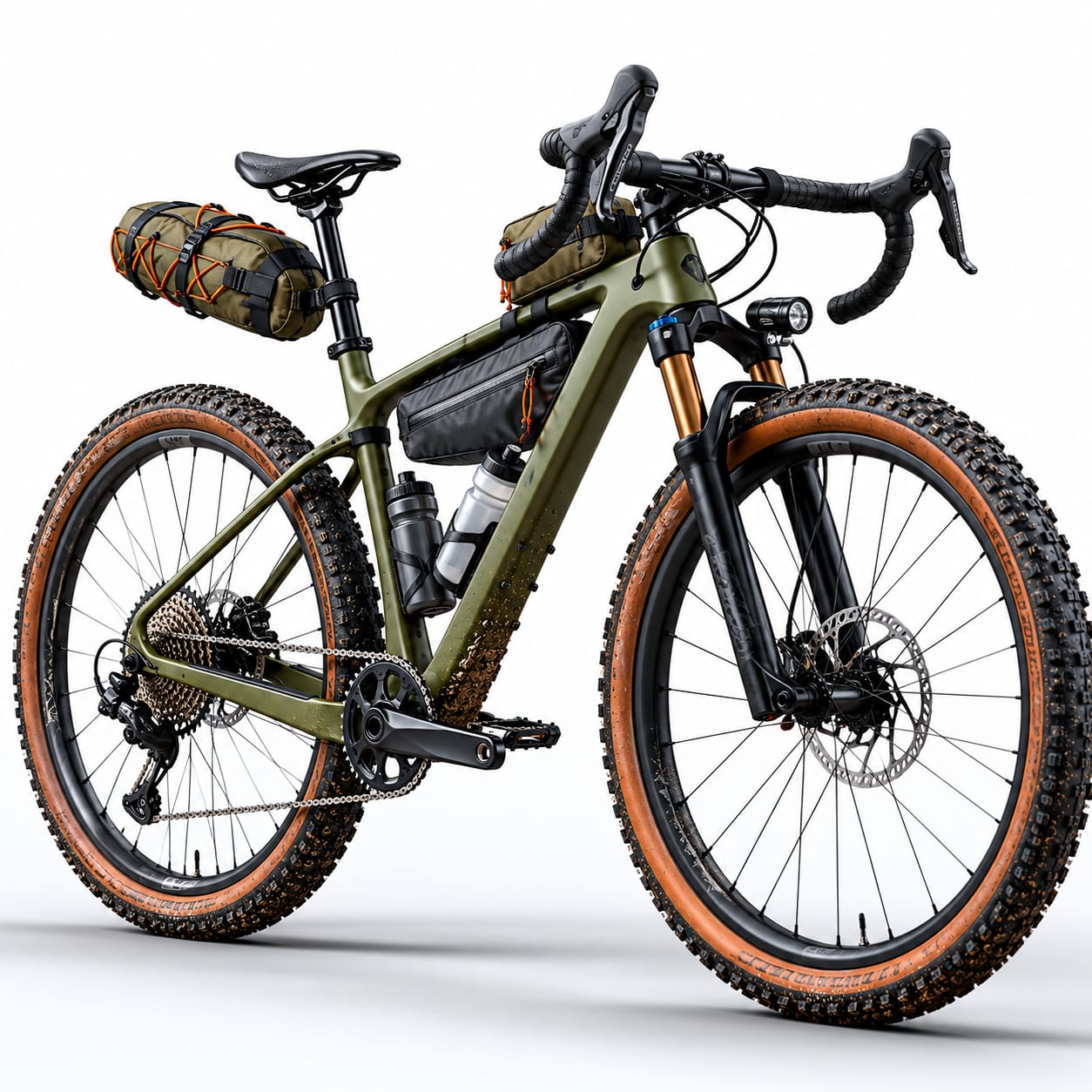
Groad / Mountain-Gravel
$2000 – $8000
The most off-road capable gravel bikes with suspension, wide tire clearance, and geometry approaching mountain bike territory.
50mm+ tire clearanceSuspension fork optionSlack head tube angle
More questions
- Can I use a bikepacking gravel bike for regular gravel riding and commuting?
- Is steel really better than carbon for bikepacking, or is that just nostalgia?
- What's the minimum number of mounting points I need for bikepacking?
- Should I choose 1x or 2x for bikepacking?