
Gravel Bike · FAQ
Questions about Classic Gravel
Straight answers on fit, specs, and when this type makes sense — each topic has its own page with links back to the buying guide.
Open Classic Gravel guide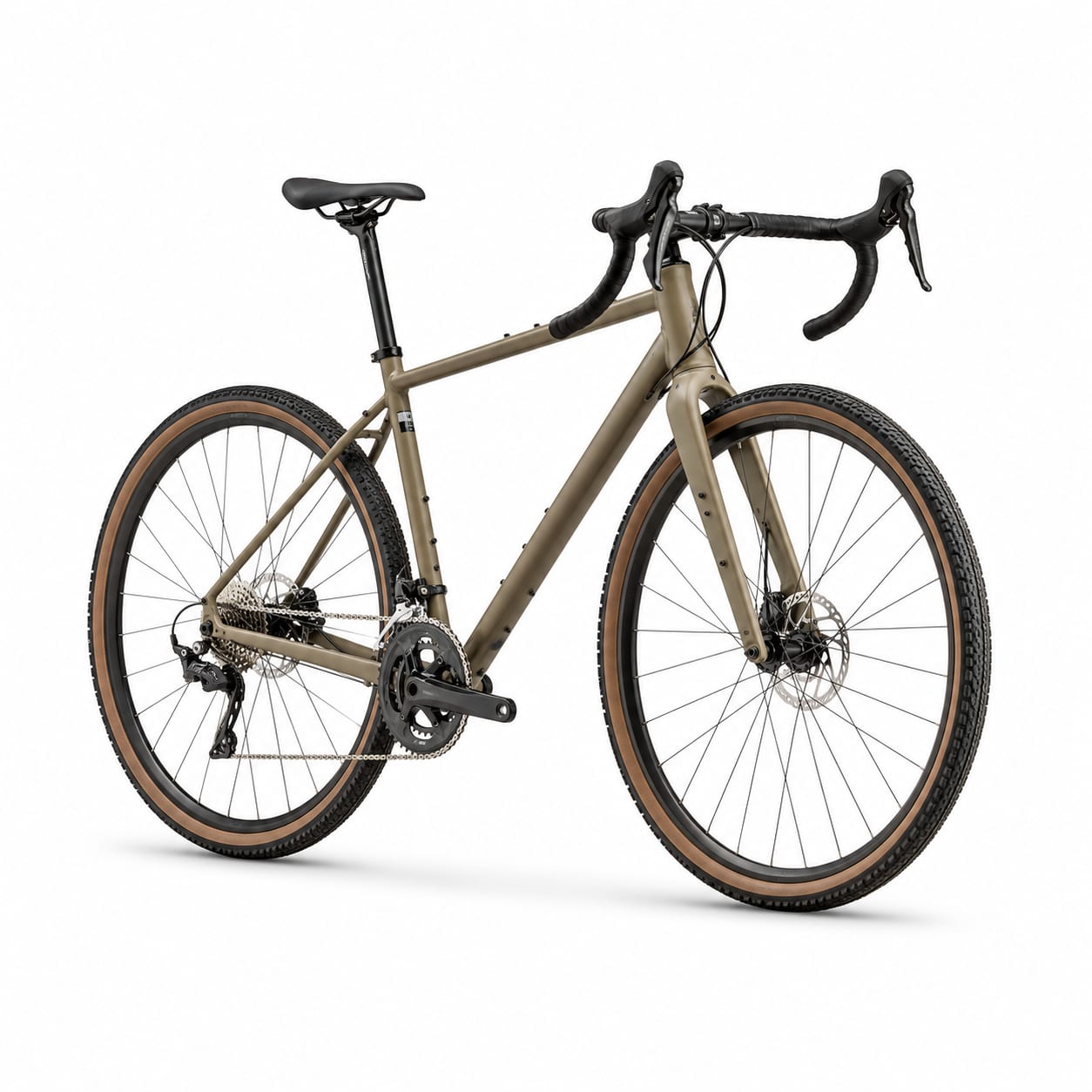
6 topics
Pick a question
Every answer links to the full subcategory guide and related gear types when it helps you decide.
What tire width should I run on a classic gravel bike?
For general mixed-surface riding, 38–40mm tires in 700c are the sweet spot, balancing rolling speed with comfort and grip. If you ride rougher terrain or prioritize comfort, go 42–45mm. For bikepacking with 650b wheels, 47mm tires provide excellent cushion and traction. Run tubeless for puncture protection and the ability to run lower pressures (25–40 PSI depending on rider weight and tire width).
Read answer →02Can I ride a classic gravel bike on singletrack?
Yes, on moderate singletrack with 40mm+ tires and appropriate technique. Classic gravel bikes handle smooth to moderate singletrack competently, especially with a dropper post. However, they are not mountain bikes—steep, rocky, or technical trails exceed their design intent. Start with green and blue MTB trails and progress carefully. Tire pressure around 25–30 PSI improves singletrack control significantly.
Read answer →03Should I choose 1x or 2x drivetrain for my classic gravel bike?
1x is the better choice if you ride primarily off-road, value simplicity, or plan to bikepack. The chain retention and clean bar setup are genuine advantages on rough terrain. Choose 2x if you ride significant pavement, prefer tight gear steps for cadence matching, or live in flat terrain where the 1x's wide-range cassette has unnecessarily large jumps between gears. For most classic gravel riders, 1x with a 40T chainring and 10-46T cassette is the ideal setup.
Read answer →04Is a classic gravel bike good for bikepacking?
Yes, excellent. The 8–14 mounting points on most classic gravel bikes support full bikepacking setups: frame bag, seat pack, handlebar roll, and fork-mounted bags. The stable geometry handles loaded riding well, and tire clearance up to 45mm (or 50mm with 650b wheels) provides comfort on rough terrain. For occasional to regular bikepacking on moderate routes, classic gravel is ideal. Only dedicated expedition riders tackling remote, extreme routes need a dedicated adventure bike.
Read answer →05How does a classic gravel bike differ from a gravel race bike?
Classic gravel bikes prioritize versatility and comfort: taller stack (more upright position), longer chainstays (more stability and bag clearance), more mounting points, and wider tire clearance. Gravel race bikes are lighter, lower, and tighter—with minimal mounts, shorter chainstays, and aggressive geometry. A race bike is 0.5–1.5kg lighter but significantly less versatile. Unless you are competing, the classic gravel bike is the better choice for 90% of riders.
Read answer →06Do I need a suspension fork on a classic gravel bike?
Most riders do not need suspension. A rigid carbon fork with 40mm+ tires at appropriate pressure handles 90% of gravel terrain comfortably. Micro-suspension (20–40mm travel) is worthwhile if you frequently ride washboard roads, have hand/wrist issues, or ride very rough terrain for long hours. It adds 400–600g and some maintenance complexity. Start rigid and add suspension later if needed—many classic gravel frames accommodate suspension fork upgrades.
Read answer →