Kitvore.com

Kitvore.com

Specs that matter. Gear that fits.

Gravel Bike · Subcategory

Classic Gravel

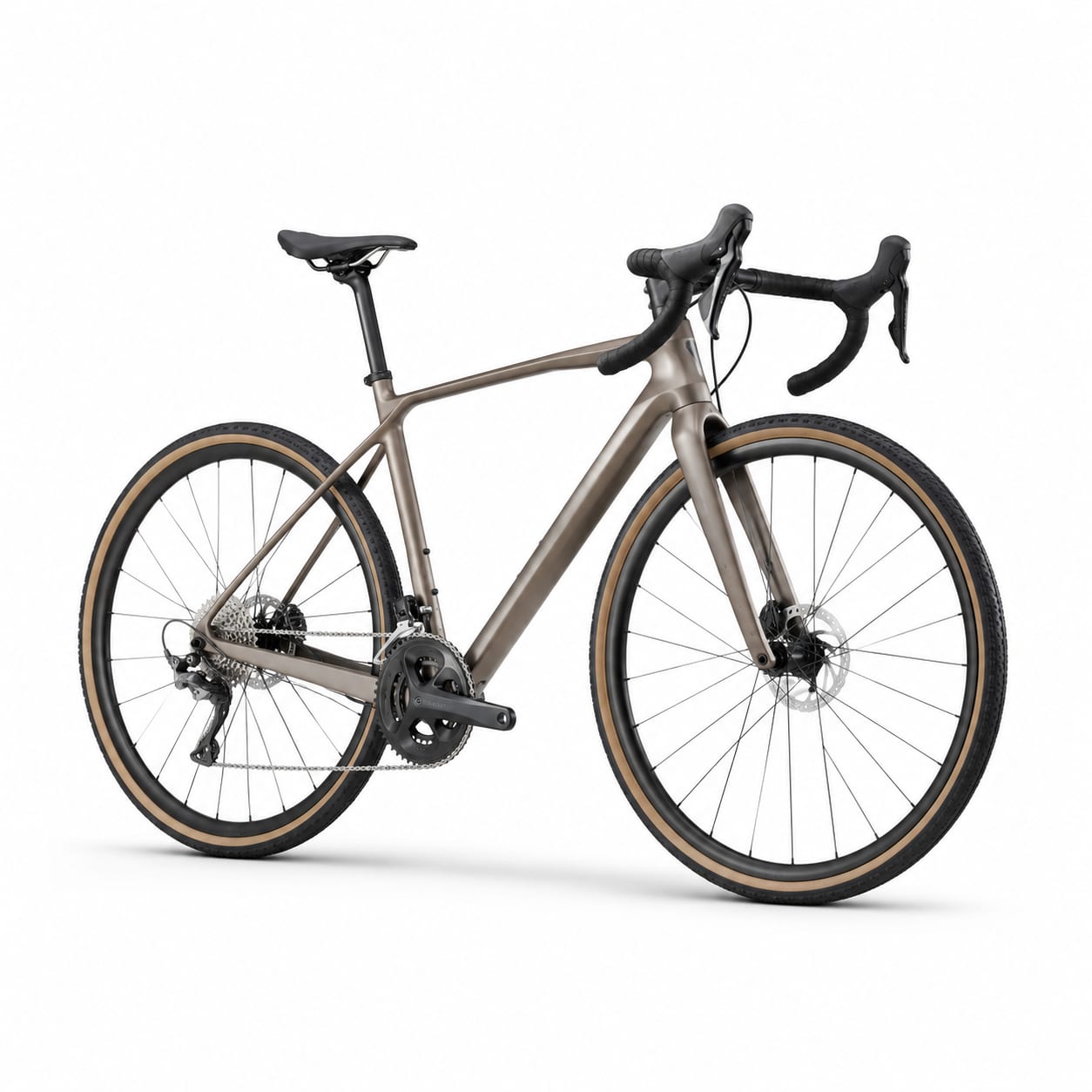
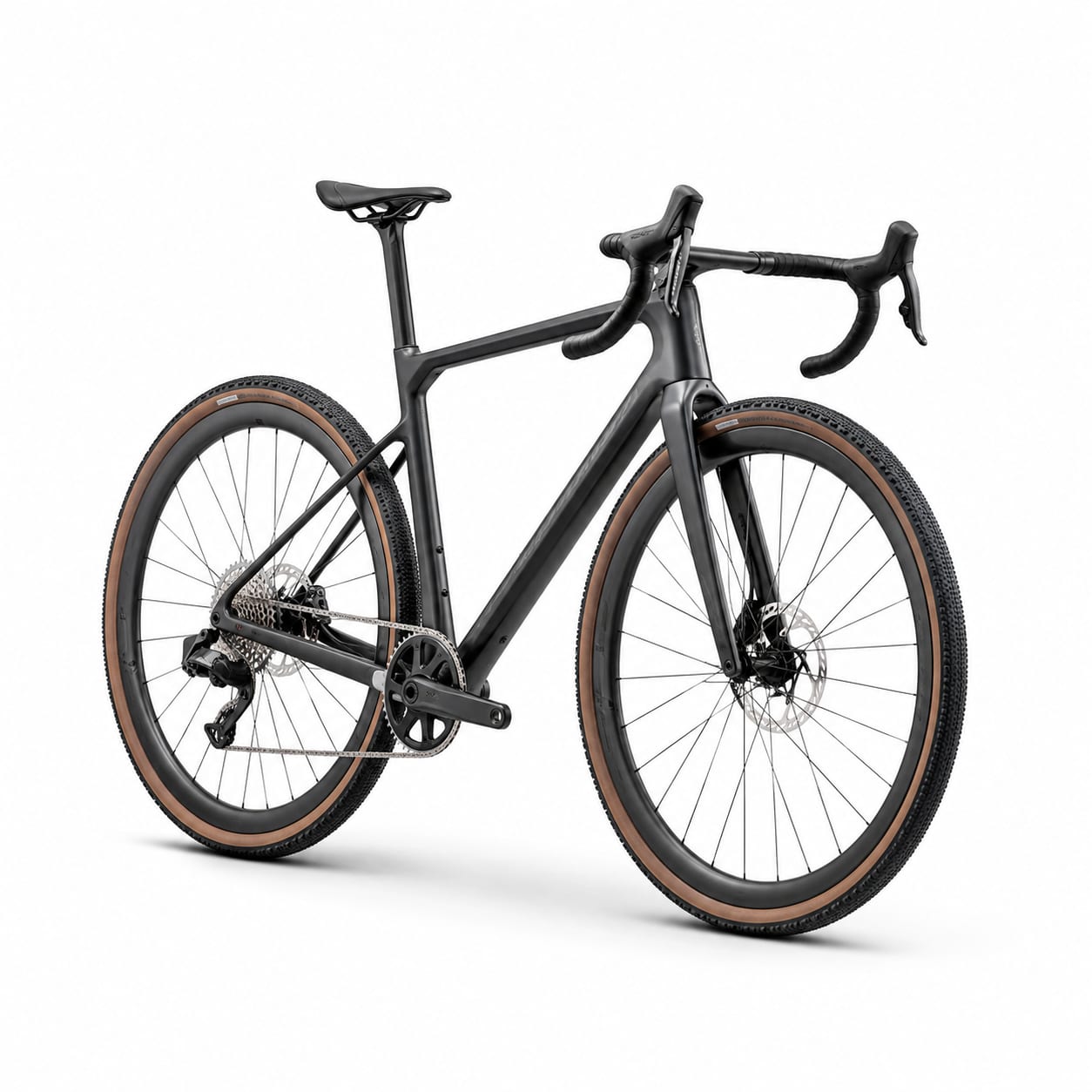
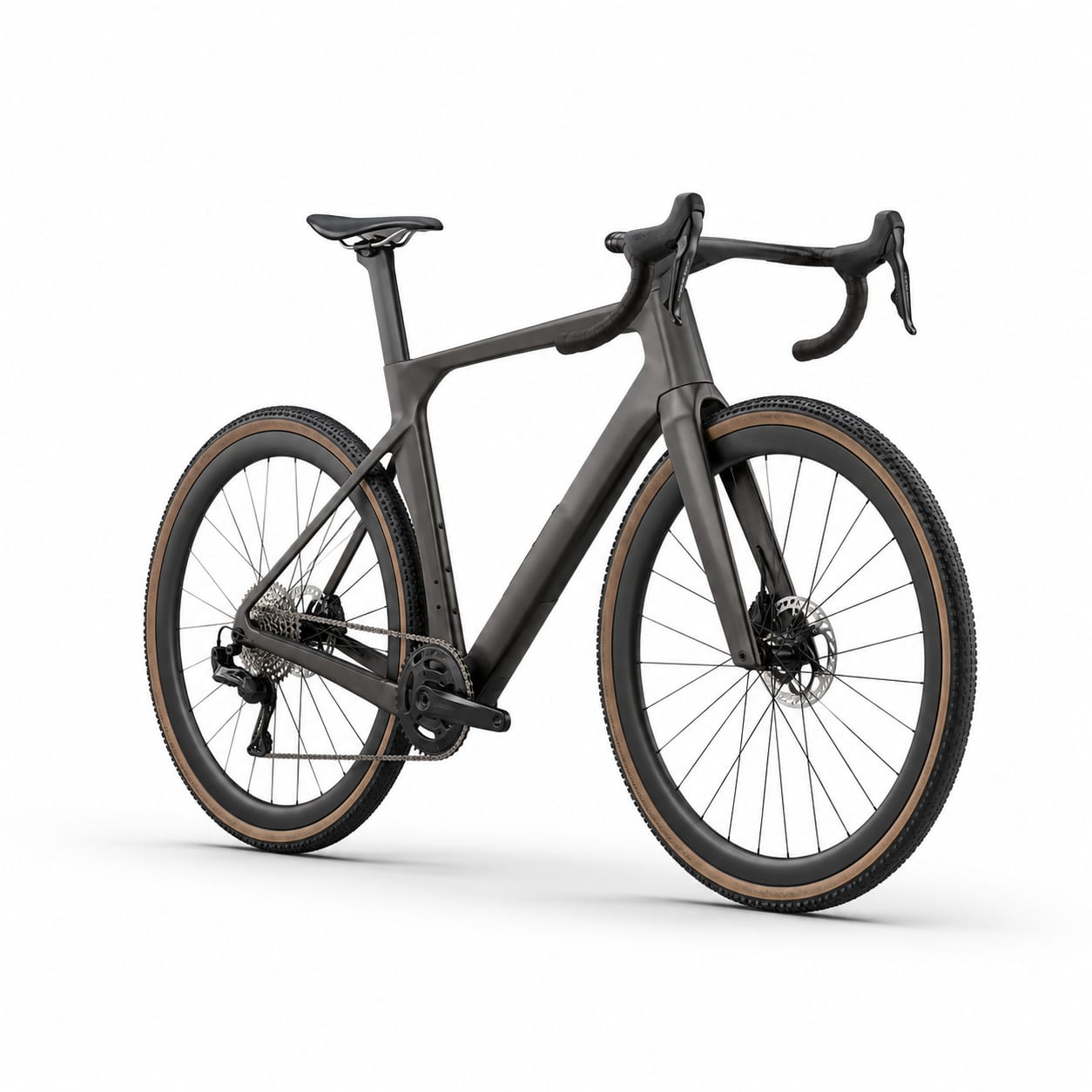
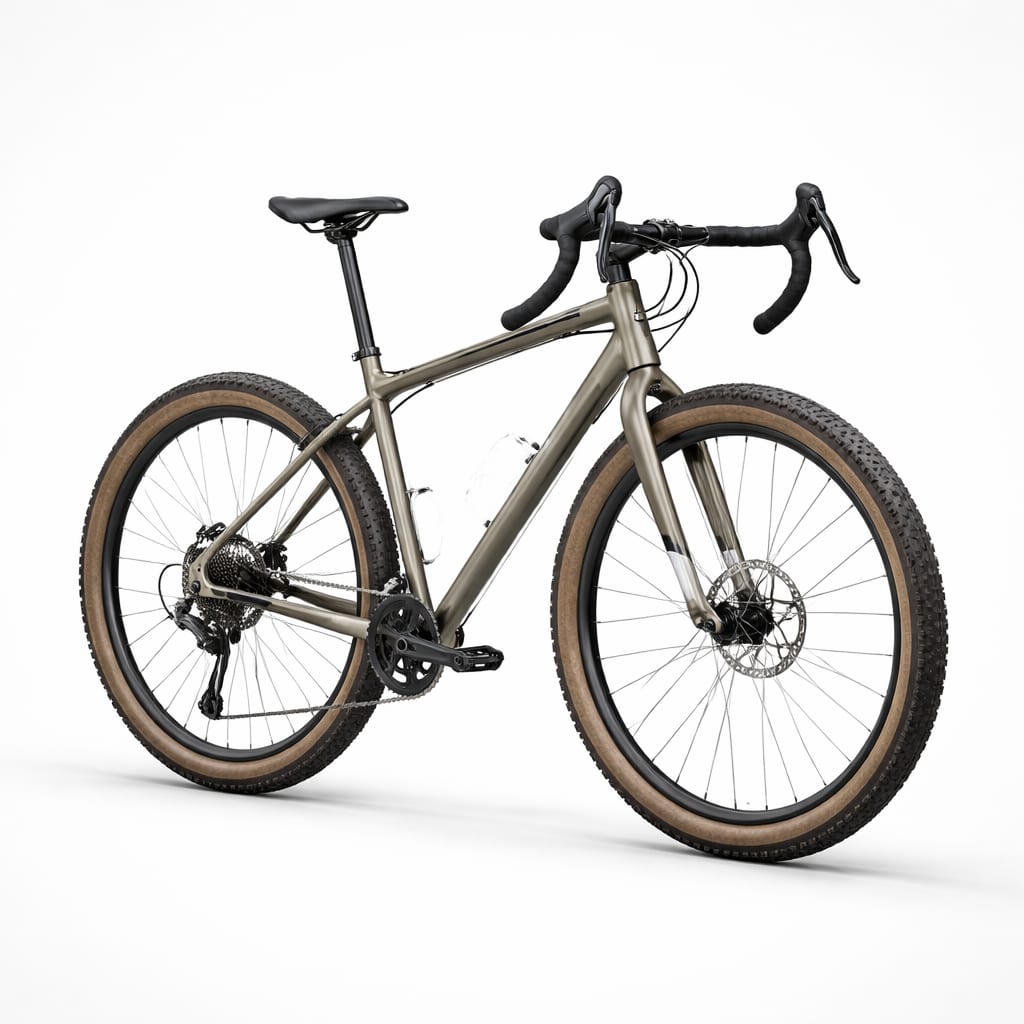
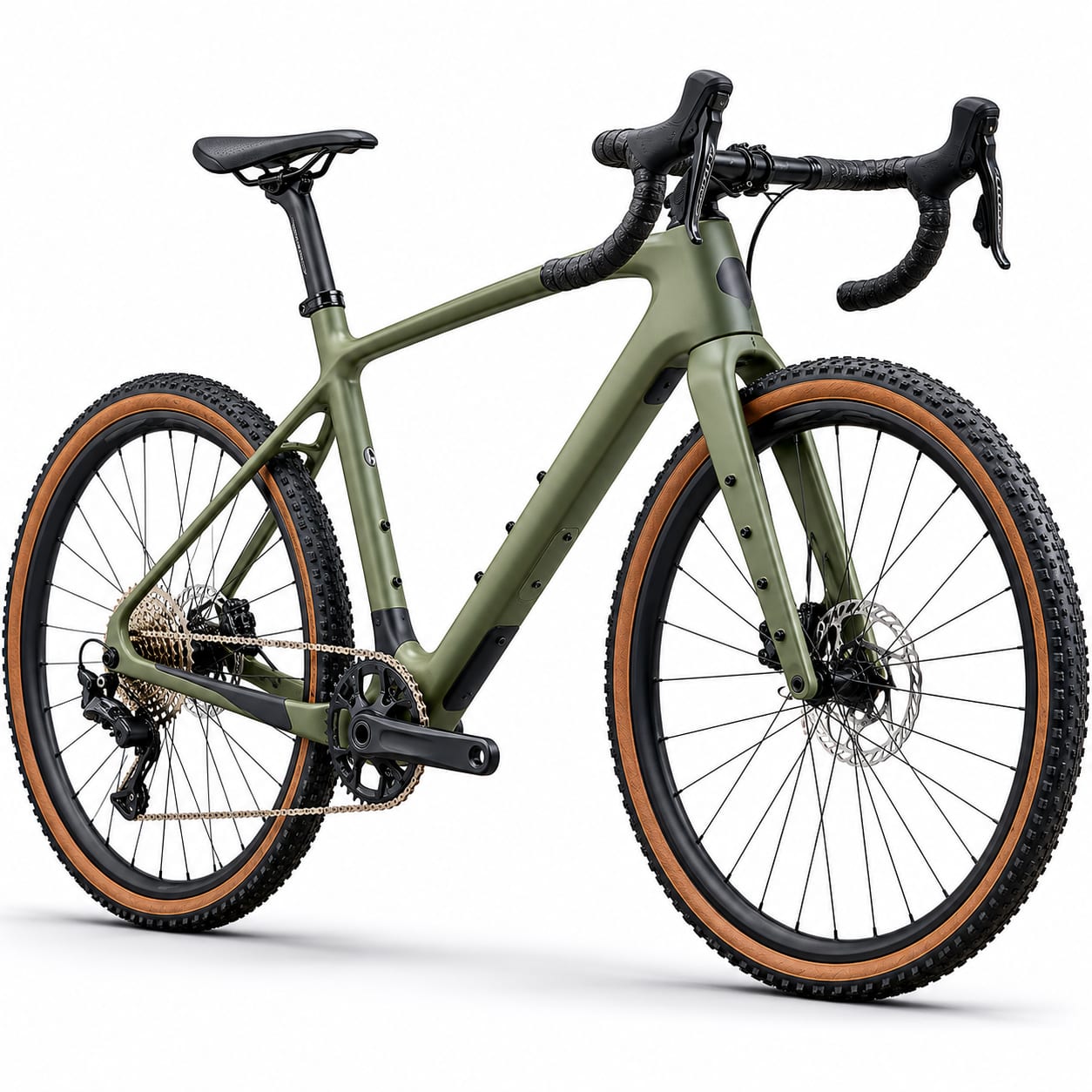
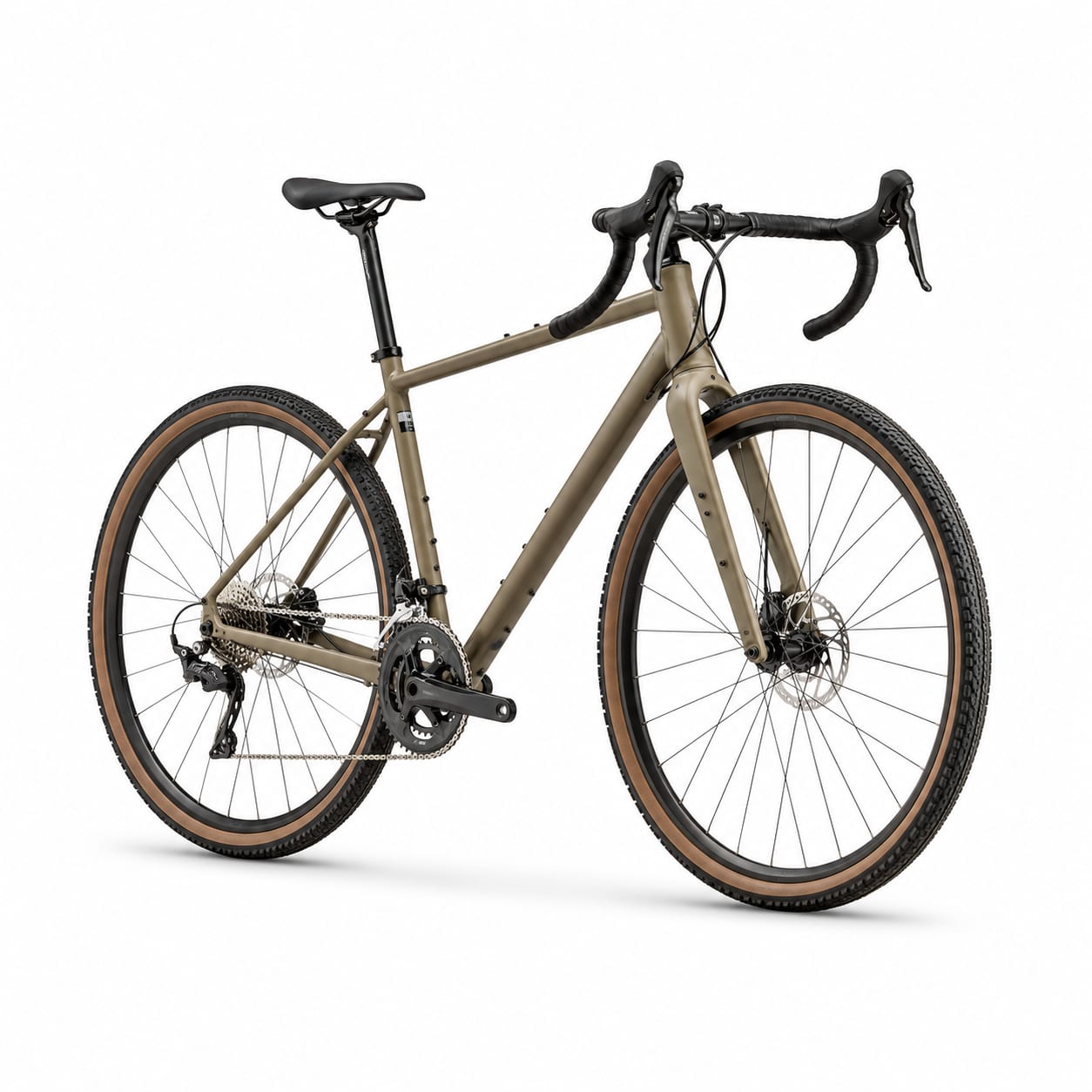
The versatile all-rounder gravel bike designed for mixed-surface riding from paved roads to moderate dirt and gravel.

Classic gravel bikes are the jack-of-all-trades in the gravel world, balancing road speed with off-road capability. With moderate tire clearance (38–45mm), stable but responsive geometry, and ample mounting points, they handle everything from weekday road rides to weekend gravel adventures and light bikepacking. This is the subcategory that defined gravel cycling and remains the smartest starting point for most riders.

$1200 – $8000mid tierbeginnerintermediateadvanced

Best known for

Versatility across surfaces from pavement to moderate singletrackBalanced geometry that is stable off-road yet efficient on-roadStrong bikepacking and touring capability with generous mounting pointsBeing the most popular and widely available gravel bike category
Classic Gravel

Guide

Detailed overview

Classic gravel bikes represent the original and most popular interpretation of what a gravel bike should be. They occupy the versatile middle ground between pure road machines and mountain bikes, designed to handle the full spectrum of mixed-surface riding that defines the gravel discipline. With tire clearance typically ranging from 38mm to 45mm, they can run fast-rolling 700c tires for gravel races or swap to high-volume 650b wheels for rougher terrain and bikepacking. Their geometry prioritizes stability and comfort over razor-sharp handling, with stack-to-reach ratios between 1.45 and 1.55 that provide an endurance-oriented riding position suitable for long days in the saddle. Mounting points are generous, typically 8 to 14 bosses, enabling full bikepacking setups with frame bags, fork mounts, and rack/fender compatibility. This makes classic gravel bikes the preferred choice for riders who want one bike that can genuinely do it all: commute during the week, race a gravel event on Saturday, and load up for a bikepacking trip on the weekend.

The classic gravel bike emerged from the American Midwest's fire road tradition and European all-road cycling culture, coalescing as a distinct category around 2012–2015. Early models like the Salsa Warbird and Specialized Diverge established the template: drop bars for multiple hand positions, disc brakes for consistent stopping on loose surfaces, and tire clearance that dwarfed road bikes of the era. What set these bikes apart from cyclocross bikes was their geometry—longer wheelbases, lower bottom brackets, and taller stack heights that prioritized stability and comfort over agility.

Today, classic gravel bikes have refined this formula with modern standards. Carbon frames dominate the mid-to-high-end, offering tunable compliance through layup design that absorbs vibration without sacrificing pedaling efficiency. Aluminum remains the value leader, often paired with a carbon fork that provides front-end comfort at a lower price point. Steel and titanium hold strong appeal for bikepacking-focused riders who value ride quality, repairability, and the aesthetic of a bike built to last decades. Drivetrain choice has largely shifted to 1x systems for their simplicity and chain security on rough terrain, though 2x setups remain popular with riders who spend significant time on pavement.

The defining characteristic of a classic gravel bike is its balanced intent. Unlike gravel race bikes that sacrifice comfort and mounting points for speed, or adventure bikes that add weight and slacker geometry for extreme terrain, classic gravel bikes refuse to specialize. This makes them the most practical choice for the majority of riders. A typical classic gravel build weighs 8.5–10kg, clears 40–45mm tires, offers 10+ mounting points, and includes a rigid carbon fork that handles 90% of gravel terrain with proper tire pressure. For the remaining 10%, riders can add a compliance seatpost, swap to 650b wheels, or even fit a short-travel suspension fork on some models.

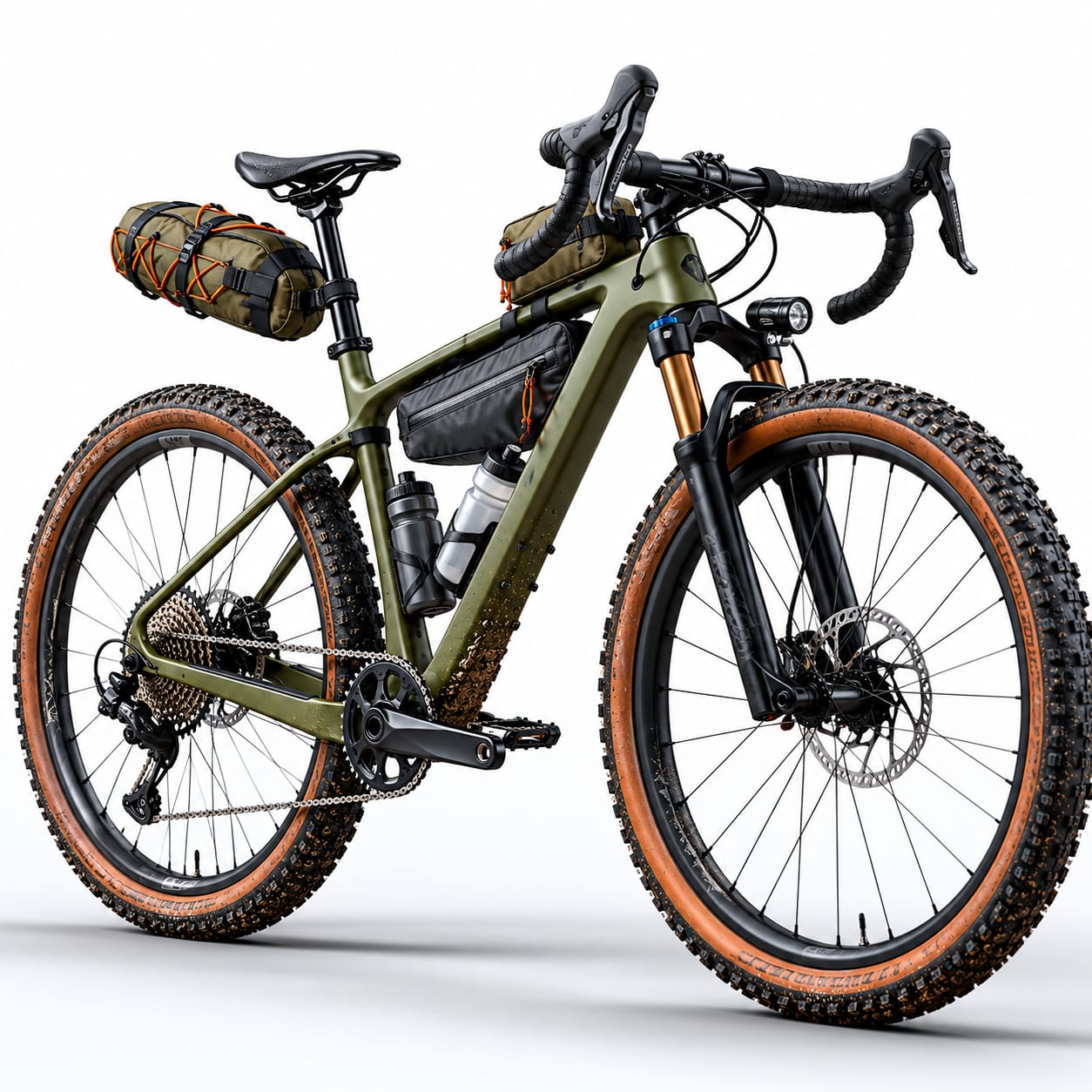
The classic gravel bike's versatility extends to its accessory ecosystem. Frame bags, handlebar rolls, and saddle packs from companies like Apidura, Ortlieb, and Revelate Designs are designed around this bike category's geometry and mounting standards. Fender compatibility makes them practical wet-weather commuters, and rack mounts enable light touring duty. This is the bike that makes the 'one bike to do everything' aspiration feel genuinely achievable rather than a compromise on every front.

For buyers entering the gravel market, the classic gravel subcategory is almost always the right starting point. It provides the broadest capability range, the largest selection of models and price points, and the strongest resale value. Riders who later discover they want to specialize—toward racing or toward expedition bikepacking—can do so with minimal modifications. The classic gravel bike is not the best at any single discipline, but it is the best at being good at everything, which is precisely what most gravel riders need.

Quick facts

Primary purpose
Versatile mixed-surface riding across paved roads, gravel, and moderate off-road terrain
Popular brands
SpecializedTrekCanyonGiantJamisMarin
Typical terrain
Gravel roadsPaved roadsDirt roadsDouble trackRail trails

What makes it different

Best all-around versatility across surfaces; jack-of-all-trades with no extreme specialization; the benchmark gravel format most brands lead with

Recommended ranges

How this type usually specs out

Each spec is explained in plain language, then we show what buyers usually look for on this type.

Frame Material

Frame Material

What it means

The primary material used in frame construction, affecting weight, compliance, durability, and cost.

Typical for this type

Carbon Or Aluminum For Most Riders; Steel Or Titanium For Bikepacking Focus

In practice

Carbon fiber dominates the classic gravel segment due to its tunable compliance—engineers can lay up the frame to be stiff at the bottom bracket while allowing the seatstays to flex for vibration absorption. Aluminum is the value leader, typically paired with a carbon fork for front-end comfort. Steel and titanium are popular among bikepacking-focused riders who prioritize durability and ride quality over weight savings.

Compared to other types

Gravel race bikes almost exclusively use carbon for weight savings. Adventure/bikepacking bikes more commonly use steel or titanium for durability and repairability. Classic gravel offers the broadest material selection.

Why it matters: Frame material determines the fundamental character of the ride: weight, vibration absorption, durability, and long-term serviceability. On long gravel rides, compliance matters more than pure stiffness.

Max Tire Width

Maximum Tire Clearance

What it means

The widest tire the frame and fork can accommodate, measured in millimeters. Determines terrain capability and comfort potential.

Typical for this type

40–45mm

Most common pick: 42mm

In practice

Classic gravel bikes typically clear 40–45mm tires in 700c, which is the versatile sweet spot for mixed-surface riding. This allows fast-rolling 38–40mm tires for gravel events or 45mm tires for rougher terrain and added comfort. Most also accommodate 650b wheels with tires up to 47–50mm for bikepacking duty.

Compared to other types

Gravel race bikes often limit clearance to 35–40mm for tighter chainstays and lighter weight. Adventure bikes offer 50mm+ for extreme terrain. Classic gravel's 40–45mm hits the versatile middle ground.

Why it matters: Tire clearance is the single biggest determinant of terrain capability. More clearance preserves future options and allows you to adapt the bike to different rides by simply swapping tires.

Wheel Size

Wheel Size Compatibility

What it means

The wheel diameter standard the frame supports. Many modern gravel bikes accept both 700c and 650b.

Typical for this type

Dual 700c + 650b Compatibility Preferred

Most common pick: 700c_and_650b

In practice

Most modern classic gravel bikes accept both 700c and 650b wheel sizes, which is a major versatility advantage. Run 700c with 38–40mm tires for fast gravel days, then swap to 650b with 47mm+ tires for bikepacking or rough terrain. This dual compatibility effectively gives you two bikes in one.

Compared to other types

Gravel race bikes are increasingly 700c-only for weight savings. Adventure bikes strongly favor 650b compatibility for maximum tire volume. Classic gravel's dual compatibility is a key advantage.

Why it matters: Wheel size flexibility transforms the bike's character for different missions without buying a second bicycle. 700c rolls faster on smooth surfaces; 650b absorbs more on rough terrain.

Drivetrain

Drivetrain Type

What it means

The gear system configuration including number of chainrings and cassette range, critical for terrain versatility.

Typical for this type

1x for off-road focus; 2x for road-heavy riding

In practice

1x drivetrains have become the dominant choice in classic gravel for their simplicity, chain security on rough terrain, and clean bar setup. A typical 1x setup uses a 40T chainring with an 10-44T or 10-46T cassette. 2x systems remain available and suit riders who spend significant time on pavement and prefer tighter gear steps for cadence matching.

Compared to other types

Gravel race bikes split between 1x and 2x based on course profile. Adventure bikes strongly favor 1x for simplicity and chain security under load. Classic gravel offers genuine choice based on rider preference.

Why it matters: Drivetrain choice affects shifting simplicity, chain retention on rough terrain, and the range of gears available for climbing and descending. The wrong choice leads to frustration on steep climbs or fast descents.

Lowest Gear (Climbing)

Lowest Gear Ratio

What it means

The gear ratio of the easiest climbing gear, expressed as chainring teeth divided by largest cassette cog. Lower values enable easier climbing.

Typical for this type

0.80–0.93

Most common pick: 0.87

In practice

A typical classic gravel bike with a 40T chainring and 10-46T cassette yields a lowest gear ratio of 0.87 (40/46). This is adequate for moderate climbs unloaded but may feel insufficient for steep, loaded bikepacking. Riders in mountainous areas or planning loaded tours should target 0.80 or lower via a 38T chainring or wider-range cassette.

Compared to other types

Gravel race bikes often have higher low gears (0.90+) for strong climbers. Adventure bikes target lower ratios (0.75–0.85) for loaded climbing. Classic gravel sits in the middle but should err toward lower for versatility.

Why it matters: Insufficient low gears force you to grind up climbs, wasting energy and risking knee strain. This is the most commonly overlooked spec on gravel bikes, especially for riders new to off-road climbing.

Front Suspension

Front Suspension Type

What it means

The type of front impact absorption system, ranging from rigid to short-travel suspension forks.

Typical for this type

Rigid Carbon Fork Standard; Micro-Suspension Optional For Rough Terrain

Most common pick: Rigid Carbon

In practice

The rigid carbon fork is standard on classic gravel bikes, providing vibration damping through material compliance and fork blade shaping. This is sufficient for 90% of gravel terrain when paired with 40mm+ tires at appropriate pressure. Some models offer micro-suspension forks (20–40mm travel) as an option or upgrade for riders who frequently encounter washboard, rocky roads, or have hand/wrist issues.

Compared to other types

Gravel race bikes are exclusively rigid for weight savings. Adventure bikes increasingly offer micro-suspension for all-day comfort. Classic gravel typically starts rigid but often accommodates suspension fork upgrades.

Why it matters: Front suspension choice affects weight, maintenance, and comfort. Rigid is lighter and simpler; micro-suspension transforms rough-road comfort but adds 400–600g and complexity.

Stack/Reach Ratio

Stack-to-Reach Ratio

What it means

The ratio of frame stack height to reach length. Higher values indicate a more upright, endurance-oriented position. Key indicator of a gravel bike's intended riding style.

Typical for this type

1.45–1.55

Most common pick: 1.50

In practice

Classic gravel bikes target a stack-to-reach ratio of 1.45–1.55, placing the rider in an endurance-oriented position that reduces fatigue on long rides while maintaining efficient power transfer. This is more upright than a road race bike (1.38–1.45) but lower than a touring bike (1.55+). The position balances aerodynamic efficiency with the ability to ride comfortably for 6+ hours.

Compared to other types

Gravel race bikes run 1.38–1.45 for aggressive aero positions. Adventure bikes run 1.55–1.70 for upright comfort. Classic gravel's 1.45–1.55 is the versatile middle ground that works for most riders.

Why it matters: Stack-to-reach ratio is the single best number for understanding a gravel bike's intended riding position. It determines whether you'll be comfortable on long rides or fighting the geometry.

Chainstay Length

Chainstay Length

What it means

Distance from bottom bracket center to rear axle. Affects stability, traction, and bikepacking bag clearance.

Typical for this type

425–435mm

Most common pick: 430mm

In practice

Classic gravel bikes typically feature chainstays of 425–435mm, balancing responsive handling with stability and frame bag clearance. This length provides enough room for a full-size frame bag between the seat tube and rear axle while keeping the bike reasonably nimble. Shorter stays (415–425mm) create racier handling; longer stays (435–450mm) improve loaded stability.

Compared to other types

Gravel race bikes use 415–425mm stays for snappy handling. Adventure bikes use 435–455mm for loaded stability and bag clearance. Classic gravel's 425–435mm is the practical compromise.

Why it matters: Chainstay length affects handling character and bikepacking practicality. Too short and you lose frame bag space; too long and the bike feels sluggish unloaded.

Head Tube Angle

Head Tube Angle

What it means

The angle of the head tube from horizontal. Steeper angles create quicker steering; slacker angles add stability.

Typical for this type

71.0–72.0°

Most common pick: 71.5°

In practice

Classic gravel bikes use head tube angles of 71–72°, which provides stable tracking on loose surfaces while maintaining responsive steering for road riding. This is slightly slacker than a road bike (72.5–73°) for off-road stability but steeper than an adventure bike (69–71°) to maintain climbing agility. The angle works in concert with fork offset to determine trail and steering feel.

Compared to other types

Gravel race bikes run 71.5–72.5° for quick steering response. Adventure bikes run 69–71° for high-speed stability. Classic gravel's 71–72° balances both worlds.

Why it matters: Head tube angle sets the foundation for steering behavior. Too steep and the bike feels twitchy off-road; too slack and climbing handling becomes sluggish.

Brakes

Brake Type

What it means

The braking system type. Hydraulic disc brakes are the standard for gravel; flat-mount vs post-mount affects frame compatibility.

Typical for this type

Hydraulic Disc (Flat-Mount) Strongly Preferred

Most common pick: Hydraulic Disc Flat

In practice

Hydraulic disc brakes with flat-mount calipers are the standard on classic gravel bikes at mid-to-high price points. They provide excellent modulation and consistent power in all conditions—critical for loose gravel and wet descents. Entry-level models may come with mechanical disc brakes, but hydraulic is worth the upgrade. 160mm rotors are standard; 180mm front rotors are recommended for loaded riding or steep terrain.

Compared to other types

All gravel subcategories use hydraulic disc brakes as the standard. Flat-mount is the modern gravel/road standard; post-mount appears on some adventure bikes with MTB-influenced designs.

Why it matters: Hydraulic disc brakes provide the modulation and power needed for safe descending on loose, unpredictable surfaces. Mechanical discs are a significant compromise in control and confidence.

Mount Points

Mounting Points Count

What it means

Total number of threaded mounting bosses on the frame and fork for bottles, racks, and fenders. Indicates bikepacking and touring capability.

Typical for this type

8–14 points

Most common pick: 12

In practice

Classic gravel bikes typically offer 8–14 mounting points: 2–3 bottle cage mounts (seat tube, down tube, under-downtube), fork blade mounts (2–4 points), rear rack eyelets, and fender mounts. This provides genuine bikepacking capability without the excess of dedicated touring bikes. Riders who never carry loads can ignore extra mounts, but having them preserves future options.

Compared to other types

Gravel race bikes offer 4–8 points (minimal weight). Adventure bikes offer 14–20 points (maximum carrying capacity). Classic gravel's 8–14 points covers most riders' needs without excess.

Why it matters: Mounting points determine what you can carry and how. Insufficient mounts limit bikepacking potential; excess mounts add minimal weight but maximum versatility.

Seatpost

Seatpost Type

What it means

The seatpost design, which significantly affects saddle compliance and off-road comfort on gravel terrain.

Typical for this type

Standard Rigid Stock; Upgrade to Compliance Post Or Dropper Based On Needs

Most common pick: Standard Rigid

In practice

Most classic gravel bikes come with a standard rigid seatpost (aluminum or carbon). However, this is one of the most impactful upgrades: a compliance seatpost (e.g., Ergon CF3, Cane Creek eeSilk) dramatically improves seated comfort on rough terrain, while a dropper post transforms descending confidence on technical sections. Many riders upgrade the seatpost as their first modification.

Compared to other types

Gravel race bikes use rigid posts for weight savings. Adventure bikes increasingly spec compliance posts or droppers. Classic gravel typically ships rigid but is designed to accept upgrades.

Why it matters: Seatpost choice significantly affects comfort and confidence. On long gravel rides, seated vibration is the primary source of fatigue. On technical descents, saddle height determines confidence.

Bar Flare

Handlebar Flare

What it means

The outward angle of the drop sections from the hoods position. Flare improves control in the drops on rough terrain and widens the stance for stability.

Typical for this type

8–16°

Most common pick: 12°

In practice

Classic gravel bikes typically use handlebars with 8–16° of flare, which improves control in the drops on rough terrain without making the hoods position feel excessively wide. This is the gravel sweet spot: enough flare for confident descending in the drops, but not so much that the hoods feel awkward. Bar width and flare preference is highly personal; test riding different setups is valuable.

Compared to other types

Gravel race bikes use 0–8° flare for aero efficiency. Adventure bikes use 16–25° flare for maximum control. Classic gravel's 8–16° balances both priorities.

Why it matters: Handlebar flare affects control in the drops and comfort on the hoods. The wrong flare creates either sketchy descending or awkward hand positions.

Weight

Complete Bike Weight

What it means

Total weight of the complete bicycle without pedals or accessories. Affects acceleration, climbing, and handling.

Typical for this type

8.5–10.0kg

Most common pick: 9.2kg

In practice

Classic gravel bikes typically weigh 8.5–10.0kg complete, with carbon builds at the lower end and aluminum/steel at the upper end. This is heavier than a road bike of equivalent price but lighter than dedicated adventure bikes. Weight matters less on gravel than on road due to lower average speeds and the dominance of rolling resistance from wider tires. Prioritize tire clearance, comfort features, and mounting points over grams.

Compared to other types

Gravel race bikes weigh 7.5–8.5kg for climbing speed. Adventure bikes weigh 9.5–12kg for durability and carrying capacity. Classic gravel's 8.5–10kg is the practical middle ground.

Why it matters: Weight affects acceleration and climbing but is less critical on gravel than on road. A heavier bike with better tire clearance and comfort features will be faster and more enjoyable on real gravel rides.

Bottom Bracket

Bottom Bracket Standard

What it means

The bottom bracket shell standard affecting crank compatibility, maintenance ease, and frame stiffness.

Typical for this type

BSA Threaded Or T47 Preferred For Ease Of Maintenance

Most common pick: Bsa Threaded

In practice

Classic gravel bikes use a mix of bottom bracket standards. BSA threaded is common on steel and titanium frames and strongly preferred for its creak resistance and ease of field maintenance. T47 is emerging as the ideal standard, combining threaded reliability with press-fit width benefits. Press-fit standards (PF30, BB86) appear on carbon frames for weight savings but are more prone to creaking in wet, muddy conditions.

Compared to other types

Gravel race bikes often use press-fit for weight savings. Adventure bikes favor BSA or T47 for durability and field serviceability. Classic gravel offers the full range, with a trend toward threaded standards.

Why it matters: Bottom bracket standard affects long-term maintenance ease and creaking propensity. Gravel riding exposes the BB to more mud and water than road riding, making threaded standards advantageous.

Front Axle

Front Axle Standard

What it means

The front wheel axle standard, affecting wheel compatibility and stiffness. Thru-axles are standard on modern gravel bikes.

Typical for this type

12x100mm thru-axle (standard)

In practice

The 12x100mm thru-axle is the standard on classic gravel bikes, providing the widest compatibility with gravel and road wheelsets. This is important if you plan to swap wheelsets between 700c and 650b or upgrade wheels in the future. The 15x100mm standard appears only on models with suspension forks and limits wheel compatibility to MTB-oriented options.

Compared to other types

All gravel subcategories use 12x100mm as standard. Only bikes with suspension forks use 15x100mm, which is more common in the adventure subcategory.

Why it matters: Axle standard determines wheel compatibility. The wrong standard limits your wheel upgrade and swap options. 12x100mm is the safe choice for maximum compatibility.

Evaluation

Strengths and trade-offs

Pros

What this type does best

Exceptional Versatility

Critical

Classic gravel bikes handle pavement, gravel roads, fire roads, and moderate singletrack competently. One bike genuinely covers 90% of riding surfaces, eliminating the need for multiple specialized bicycles.

Strong Bikepacking Capability

High

With 8–14 mounting points, fork mounts, and rack/fender eyelets, classic gravel bikes are ready for bikepacking out of the box. The geometry and tire clearance support loaded touring without modifications.

Balanced Geometry for All-Day Comfort

High

The 1.45–1.55 stack-to-reach ratio and 425–435mm chainstays create a stable, comfortable ride that reduces fatigue on long days while remaining responsive enough for spirited riding.

Largest Model Selection and Price Range

High

As the most popular gravel subcategory, classic gravel offers the widest selection of models, brands, and price points. This means better availability, more competitive pricing, and stronger resale value.

Dual Wheel Size Compatibility

Medium

Most classic gravel bikes accept both 700c and 650b wheels, effectively giving you two bikes in one. Swap wheelsets to transform the bike from a fast gravel racer to a plush bikepacking rig.

Upgrade-Friendly Platform

Medium

The balanced design of classic gravel bikes makes them excellent platforms for customization. Add a dropper post, compliance seatpost, wider tires, or even a suspension fork as your needs evolve.

Practical for Daily Use

Medium

Fender and rack mounts make classic gravel bikes viable commuters and rain bikes. The comfortable geometry and stable handling suit daily riding as well as weekend adventures.

Cons

Trade-offs to be aware of

Jack of All Trades, Master of None

Moderate

Classic gravel bikes are not the fastest on road, not the most capable off-road, and not the lightest for racing. Riders who specialize in one discipline will eventually want a more focused bike.

Heavier Than Race-Oriented Alternatives

Minor

The additional mounting points, longer chainstays, and often heavier-duty construction add 0.5–1.5kg compared to gravel race bikes. This weight is noticeable on steep climbs and accelerations.

Tire Clearance May Feel Limiting for Aggressive Terrain

Moderate

The 40–45mm clearance of most classic gravel bikes is insufficient for rocky singletrack, deep mud, or very rough terrain where 50mm+ tires provide necessary control and comfort.

Geometry Too Upright for Racing

Minor

The endurance-oriented stack-to-reach ratio creates a less aerodynamic position than race-focused gravel bikes. Competitive riders will find themselves fighting wind rather than slicing through it.

Overwhelming Choice Can Paralyze Buyers

Minor

The massive selection of classic gravel bikes across every brand and price point makes choosing difficult. Similar specs and geometries across dozens of models create decision fatigue.

Best for

Surfaces & terrain

Gravel roads and fire roadsPaved roads and bike pathsDirt roads and double trackLight singletrackMixed-surface routes

Riding conditions

Dry gravelWet gravelPacked dirtMuddy roadsVariable mixed surfaces

Skill level

BeginnerIntermediateAdvanced

Riding discipline

Gravel ridingBikepackingLight touringMixed-surface commutingEndurance riding

Rider profile

Riders wanting one bike for everythingGravel newcomers exploring the disciplineBikepackers on moderate routesRoad cyclists adding off-road capabilityCommuters who ride gravel on weekends

Not ideal for

Reasons

Geometry and tire clearance are insufficient for technical mountain bike terrainWeight and upright position are disadvantages in competitive gravel racingWider tires and slacker geometry are needed for extreme off-road conditionsRiders who exclusively ride pavement will find a road bike faster and more efficient

Surfaces & terrain

Technical singletrackSteep rocky descentsDeep sand or snowBMX tracks and pump tracks

Riding discipline

Gravel racing at elite levelMountain bikingRoad racingCyclocross racing

Compare

How it stacks up

This page

Classic Gravel

More mounting points for bikepacking, more comfortable geometry for long days, wider tire clearance for rough terrain, and better versatility as a daily rider. Stronger resale value due to broader appeal.

Alternative

Gravel Race

Lighter weight (7.5–8.5kg), more aggressive aerodynamic position, tighter handling for racing, and faster on smooth gravel at race pace.

Bottom line

Choose classic gravel unless you are specifically training for and competing in gravel races. The race bike's advantages only matter at race intensity; the classic gravel bike's advantages matter every ride.

This page

Classic Gravel

Lighter weight, more responsive handling, faster on pavement and smooth gravel, and less sluggish feeling on unloaded rides. Better as a daily rider when not bikepacking.

Alternative

Adventure / Bikepacking

More tire clearance (50mm+), more mounting points (14–20), slacker geometry for loaded stability, and often steel/titanium construction for durability and repairability in remote areas.

Bottom line

Choose classic gravel if your bikepacking is occasional and you value everyday ride quality. Choose adventure if bikepacking is your primary focus and you regularly tackle remote, rough routes.

This page

Classic Gravel

Wider tire clearance for genuine off-road capability, more mounting points, and geometry optimized for mixed surfaces. Can handle actual gravel and dirt roads, not just chip seal.

Alternative

All-Road

Faster on pavement, lighter weight, tighter gear steps for road riding, and more aerodynamic position. Better for riders who only occasionally venture onto smooth gravel paths.

Bottom line

Choose classic gravel if you ride more than 30% unpaved surfaces. Choose all-road if you primarily ride pavement with occasional smooth gravel detours and want road bike speed.

Shopping

Buying tips

  • 1

    Prioritize tire clearance above all else—40mm minimum, 45mm ideal. You can always run narrower tires, but you can never exceed the frame's maximum clearance.

  • 2

    Test ride with the tire pressure you'll actually use, not the shop's default. Gravel tire pressure (25–40 PSI) dramatically changes ride feel compared to road pressure (80–100 PSI).

  • 3

    Calculate your lowest gear ratio before buying. Divide the smallest chainring by the largest cassette cog. Target 0.85 or lower if you have hills or plan to carry loads.

  • 4

    If choosing between 1x and 2x, consider your road riding percentage. More than 50% road favors 2x for tighter gear steps; more than 50% off-road favors 1x for chain security and simplicity.

  • 5

    Don't overpay for a carbon frame if aluminum with a carbon fork fits your budget. The ride quality difference is smaller than tire pressure and tire choice effects.

  • 6

    Verify 650b wheel compatibility if you want future bikepacking flexibility. Not all classic gravel bikes accept both wheel sizes, and this is hard to add later.

  • 7

    Check seatpost diameter before planning upgrades. Many gravel frames use 27.2mm (good for compliance posts), but some use 30.9mm or 31.6mm which limits compliance post options.

  • 8

    Consider buying last year's model. Gravel bike standards change slowly, and previous-year bikes often offer 20–30% discounts with identical frame geometry.

Care

Maintenance notes

  • Clean and lubricate the chain after every muddy or dusty gravel ride. Gravel grit accelerates chain wear significantly faster than road riding.
  • Check brake pad wear monthly if riding in wet or muddy conditions. Gravel debris wears disc brake pads faster than road riding.
  • Inspect tire sidewalls regularly for cuts and abrasions. Gravel tires take more abuse than road tires and sidewall failures can be dangerous.
  • If your bike has a press-fit bottom bracket, monitor for creaking. Gravel riding exposes the BB to more moisture and grit than road riding, accelerating creak issues.
  • Re-torque thru-axles to specification periodically. Gravel vibration can loosen axles over time, affecting braking alignment and wheel security.
  • Seal and lubricate cable housing entry points if riding in wet conditions frequently. Water ingress causes corrosion and degraded shifting.
  • Check for frame bag rub marks if bikepacking. Frame bags can wear through paint and even carbon frame material over time without protective tape.

Progression

Skill development path

Classic gravel bikes support a natural progression from road cycling to off-road riding. Beginners should start on smooth gravel roads at moderate tire pressure (35–40 PSI) to build confidence on loose surfaces. As skills develop, lower tire pressure (25–35 PSI) and wider tires unlock rougher terrain. Cornering technique on gravel—looking through the turn, gentle weight shifts, and avoiding sudden inputs—develops over months. Descending confidence improves dramatically with a dropper post upgrade. Bikepacking starts with a single frame bag and seat pack on overnight trips, progressing to full bikepacking setups for multi-day adventures. The classic gravel bike's balanced geometry and forgiving handling make this progression intuitive rather than intimidating.

FAQ

Common questions

Each question has a dedicated page with a full answer and links to the buying guide.

What tire width should I run on a classic gravel bike?

For general mixed-surface riding, 38–40mm tires in 700c are the sweet spot, balancing rolling speed with comfort and grip. If you ride rougher terrain or prioritize comfort, go 42–45mm. For bikepacking with 650b wheels, 47mm tires provide excellent cushion and traction. Run tubeless for puncture protection and the ability to run lower pressures (25–40 PSI depending on rider weight and tire width).

Can I ride a classic gravel bike on singletrack?

Yes, on moderate singletrack with 40mm+ tires and appropriate technique. Classic gravel bikes handle smooth to moderate singletrack competently, especially with a dropper post. However, they are not mountain bikes—steep, rocky, or technical trails exceed their design intent. Start with green and blue MTB trails and progress carefully. Tire pressure around 25–30 PSI improves singletrack control significantly.

Should I choose 1x or 2x drivetrain for my classic gravel bike?

1x is the better choice if you ride primarily off-road, value simplicity, or plan to bikepack. The chain retention and clean bar setup are genuine advantages on rough terrain. Choose 2x if you ride significant pavement, prefer tight gear steps for cadence matching, or live in flat terrain where the 1x's wide-range cassette has unnecessarily large jumps between gears. For most classic gravel riders, 1x with a 40T chainring and 10-46T cassette is the ideal setup.

Is a classic gravel bike good for bikepacking?

Yes, excellent. The 8–14 mounting points on most classic gravel bikes support full bikepacking setups: frame bag, seat pack, handlebar roll, and fork-mounted bags. The stable geometry handles loaded riding well, and tire clearance up to 45mm (or 50mm with 650b wheels) provides comfort on rough terrain. For occasional to regular bikepacking on moderate routes, classic gravel is ideal. Only dedicated expedition riders tackling remote, extreme routes need a dedicated adventure bike.