
Most riders do not need suspension. A rigid carbon fork with 40mm+ tires at appropriate pressure handles 90% of gravel terrain comfortably. Micro-suspension (20–40mm travel) is worthwhile if you frequently ride washboard roads, have hand/wrist issues, or ride very rough terrain for long hours. It adds 400–600g and some maintenance complexity. Start rigid and add suspension later if needed—many classic gravel frames accommodate suspension fork upgrades.
Gravel Bike · Classic Gravel
Do I need a suspension fork on a classic gravel bike?
Related gear types
If this answer nudged you toward a different style, these guides compare specs and trade-offs.
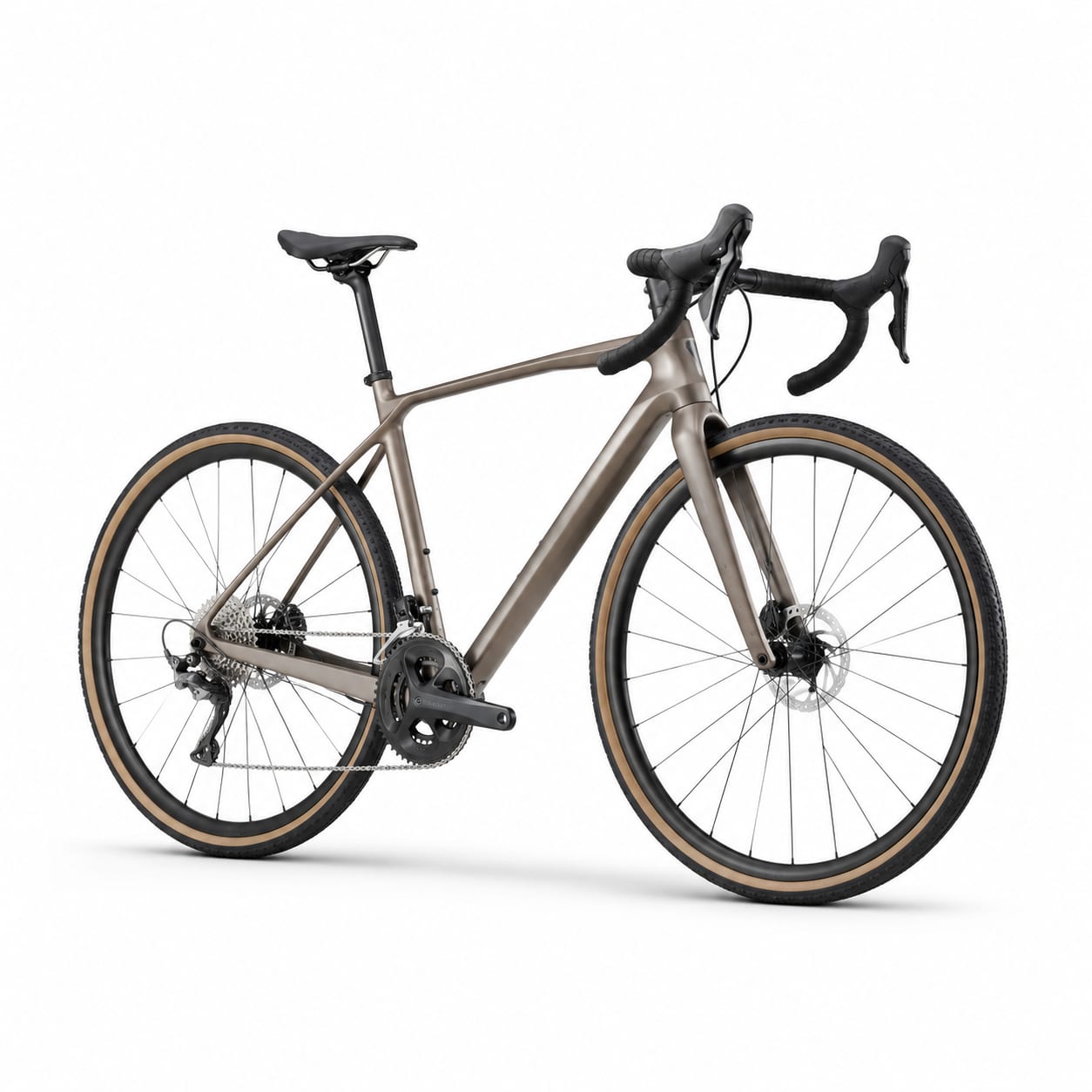
All-Road
$1500 – $10000
Road-oriented gravel bikes with modest tire clearance optimized for smooth gravel and paved surfaces.
Tire clearance 32–38mmRoad-adjacent geometryLower stack and longer reach
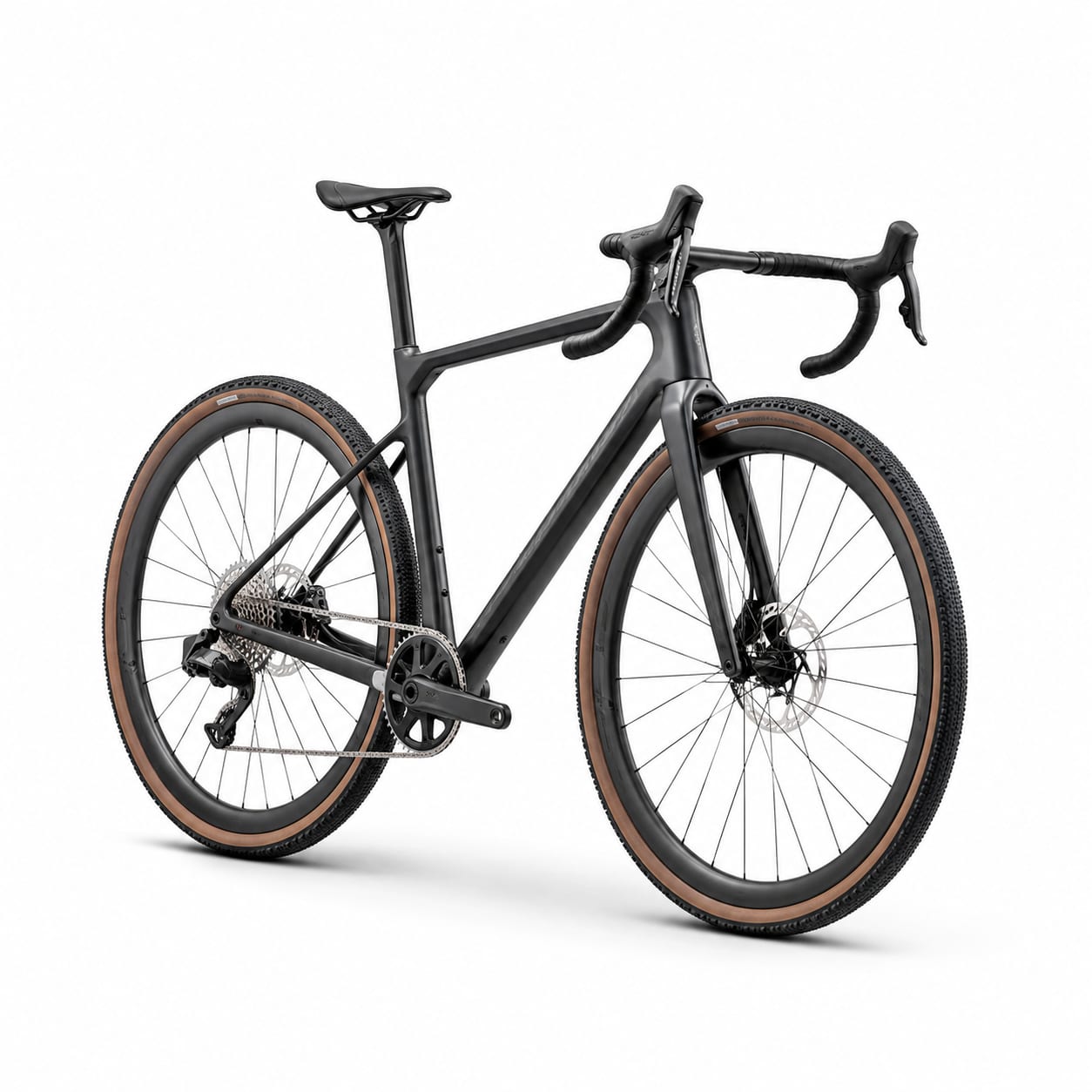
Gravel Race
$2500 – $12000
Lightweight, performance-oriented gravel bikes built for competitive gravel events and fast riding.
Aggressive race geometryLightweight framesetsStiff power transfer
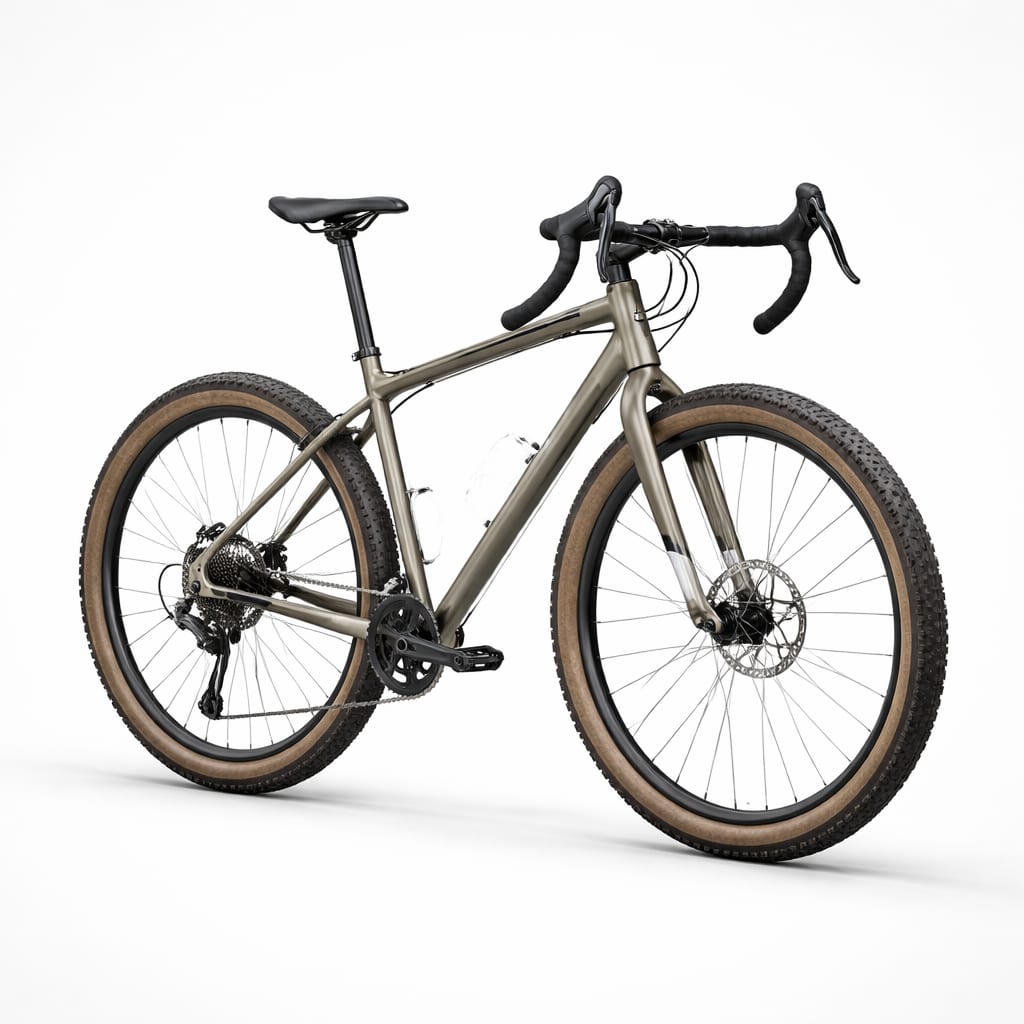
Bikepacking / Expedition Gravel
$1500 – $7000
Gravel bikes purpose-built for multi-day bikepacking adventures with extensive mounting points and stable, load-friendly geometry.
Extensive mounting points45–50mm+ tire clearanceStable loaded geometry
More questions
- What tire width should I run on a classic gravel bike?
- Can I ride a classic gravel bike on singletrack?
- Should I choose 1x or 2x drivetrain for my classic gravel bike?
- Is a classic gravel bike good for bikepacking?