
Mountain Bike · FAQ
Questions about Freeride Mountain Bike
Straight answers on fit, specs, and when this type makes sense — each topic has its own page with links back to the buying guide.
Open Freeride Mountain Bike guide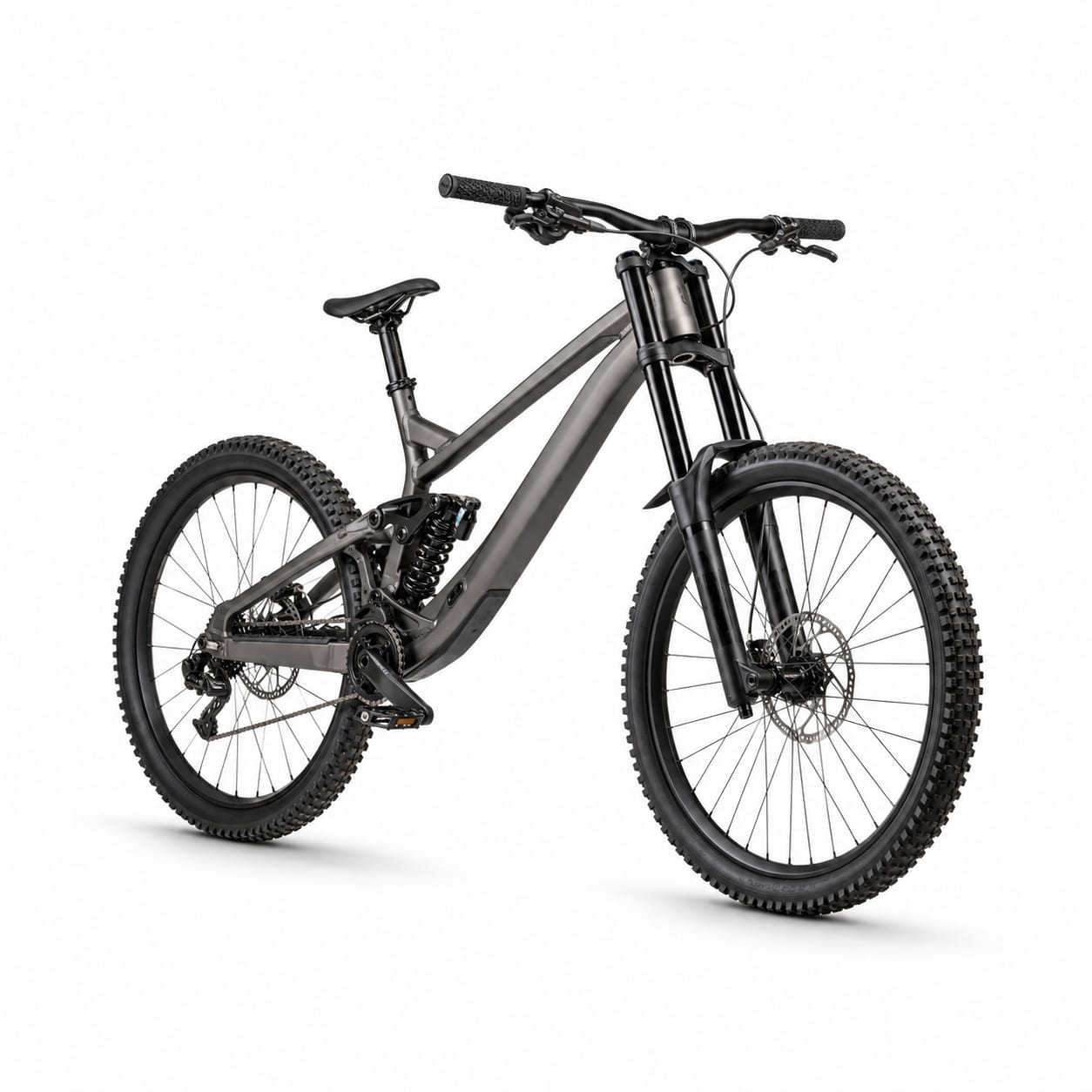
6 topics
Pick a question
Every answer links to the full subcategory guide and related gear types when it helps you decide.
What's the difference between a freeride bike and an enduro bike?
Freeride bikes have more suspension travel (170-180mm vs 150-170mm), slacker geometry, stronger frame construction, and are optimized for big hits and bike park riding. Enduro bikes are lighter, climb better, and are designed for all-day riding with aggressive descending capability. Freeride bikes sacrifice climbing efficiency for big-hit performance; enduro bikes balance both.
Read answer →02Can I use a freeride bike for regular trail riding?
Technically yes, but it's not ideal. Freeride bikes are heavy (14-17kg), inefficient on climbs, and feel sluggish on flat or rolling terrain. On mellow trails, the long-travel suspension can feel vague and unresponsive. If you only occasionally hit big features, an enduro bike is more versatile. A freeride bike makes sense only if big features are your primary riding.
Read answer →03Do I need a coil shock on a freeride bike?
Not necessarily, but many freeriders prefer them. Coil shocks provide consistent performance during repeated high-speed impacts and don't heat up like air shocks on long descents. However, modern air shocks are very capable and offer easier tunability. If you ride bike parks all day, a coil shock is worth considering. For occasional freeride use, an air shock is fine.
Read answer →04Why do freeride bikes use 27.5" wheels instead of 29"?
27.5" wheels are preferred for freeride because they're easier to maneuver in the air—easier to whip, scrub, and adjust during jumps. They also build into stronger wheels at a given weight, which matters for big-impact durability. Mullet setups (29" front, 27.5" rear) are becoming popular as they combine front rollover capability with rear maneuverability.
Read answer →05How much should I spend on a freeride bike?
Expect to spend $3,500-8,000+ for a new freeride bike. Budget models around $3,500-4,500 will have aluminum frames and mid-range components that work but may need upgrades over time. Mid-range ($4,500-6,000) offers the best value with reliable suspension and durable components. High-end models ($6,000+) feature carbon frames and premium suspension but aren't necessary for most riders.
Read answer →06Can I race downhill on a freeride bike?
You can enter DH races on a freeride bike, and some courses are well-suited to them. However, dedicated DH bikes have more travel (200mm+), even slacker geometry, and are purpose-built for the fastest possible descent. Freeride bikes give up some pure speed for versatility. For local DH races and casual competition, a freeride bike is competitive. For serious DH racing, a dedicated DH bike is faster.
Read answer →