
27.5" wheels are preferred for freeride because they're easier to maneuver in the air—easier to whip, scrub, and adjust during jumps. They also build into stronger wheels at a given weight, which matters for big-impact durability. Mullet setups (29" front, 27.5" rear) are becoming popular as they combine front rollover capability with rear maneuverability.
Mountain Bike · Freeride Mountain Bike
Why do freeride bikes use 27.5" wheels instead of 29"?
Related gear types
If this answer nudged you toward a different style, these guides compare specs and trade-offs.
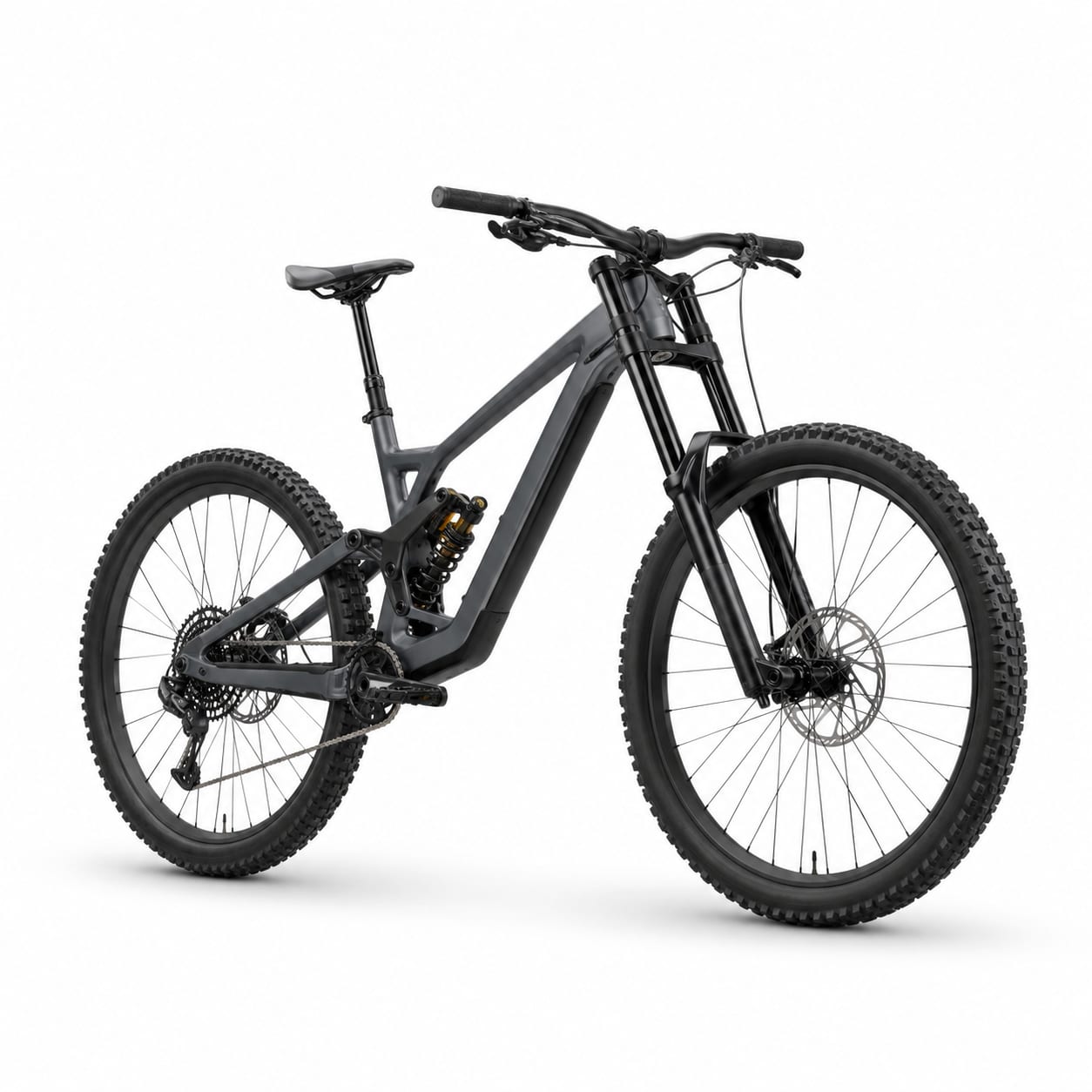
Enduro Mountain Bike
$2000 – $14000
Long-travel mountain bikes built for aggressive descending while maintaining climb capability for enduro racing.
150-180mm suspension travelslack head tube angle (63-65°)long reach and wheelbase
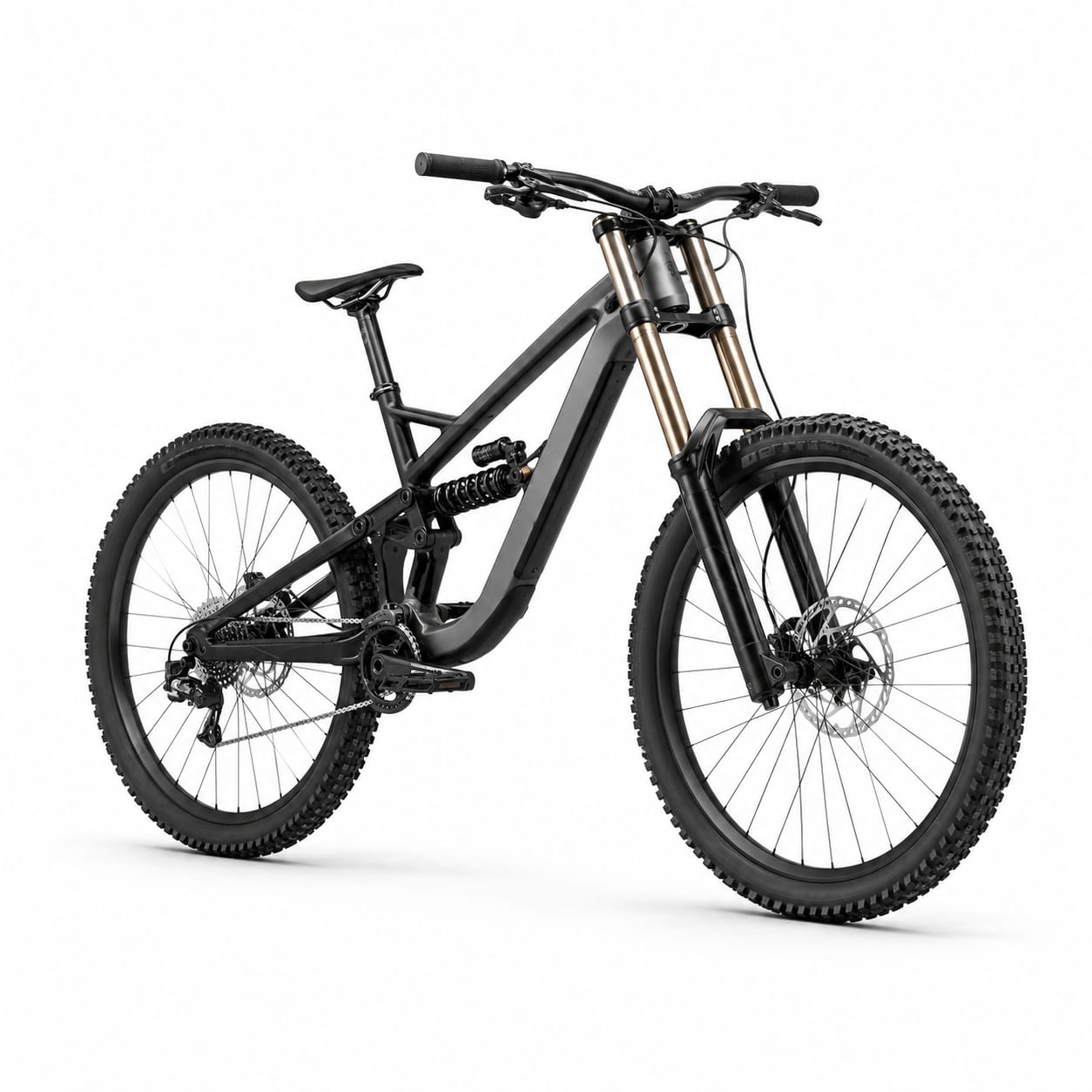
Downhill Mountain Bike
$2500 – $12000
Purpose-built gravity bikes with maximum suspension for lift-accessed and shuttle downhill racing.
200mm+ suspension traveldual crown forkextremely slack geometry (62-64° head tube)
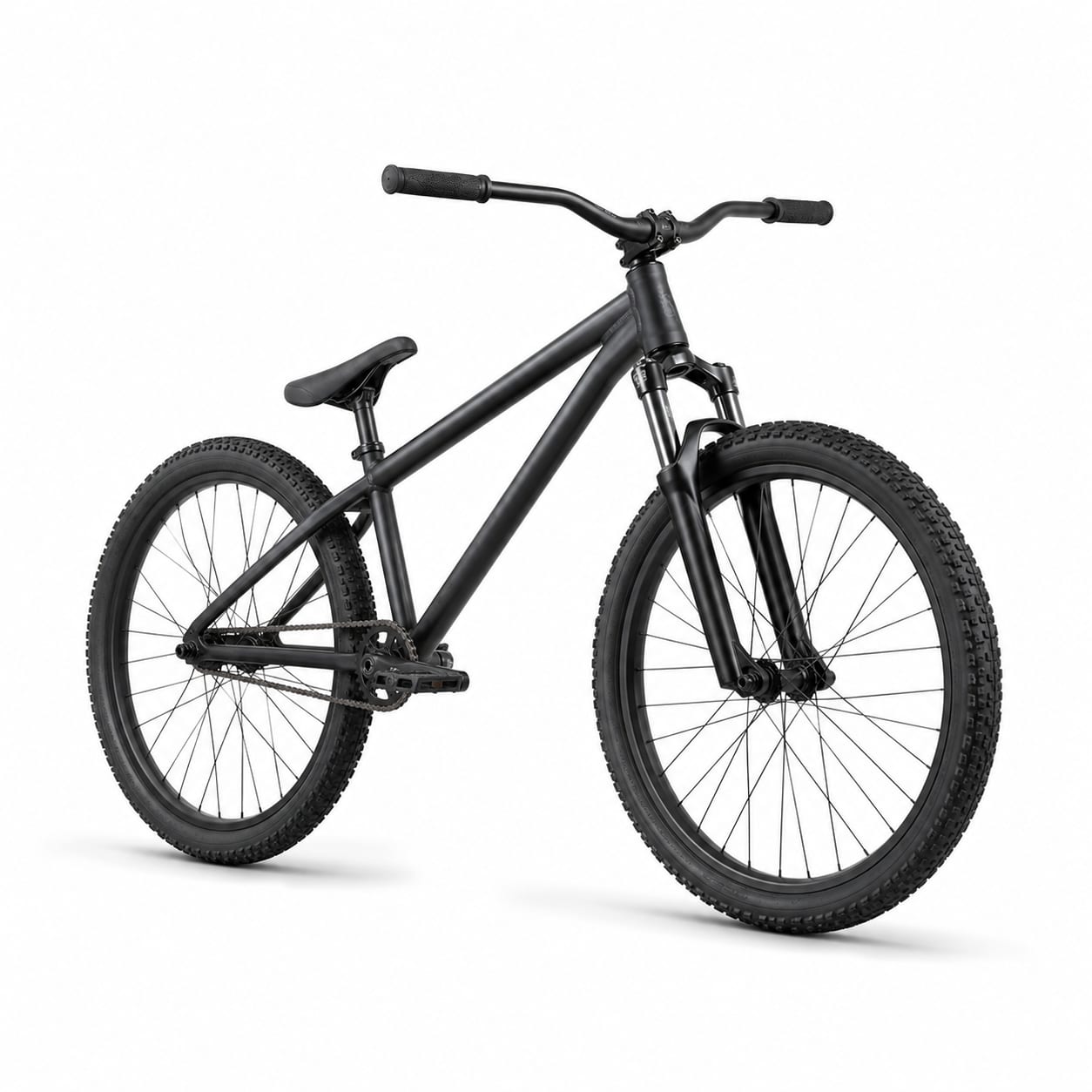
Dirt Jump / Slopestyle Bike
$500 – $4000
Compact, agile bikes built for jumps, tricks, and freestyle riding at dirt jumps and bike parks.
low standover heightshort chainstays80-120mm fork or rigid
More questions
- What's the difference between a freeride bike and an enduro bike?
- Can I use a freeride bike for regular trail riding?
- Do I need a coil shock on a freeride bike?
- How much should I spend on a freeride bike?