Kitvore.com

Kitvore.com

Specs that matter. Gear that fits.

bicycle

Mountain Bike

A bicycle designed for off-road riding on varied terrain including dirt trails, rocky paths, and steep descents, featuring robust construction, wide tires, and suspension systems.

Trail riders seeking all-around off-road capabilityEnduro racers needing aggressive descending performance with climbing efficiencyCross-country racers prioritizing lightweight and efficiencyDownhill riders focused on extreme terrain and bike park use

17

Key specs

10

Subcategories

8

Related gear topics

Mountain Bike

Overview

What this equipment is for

Mountain bikes are engineered to handle rough terrain with features like suspension forks and rear shocks, wide knobby tires, durable frames, and low-range gearing. They range from entry-level recreational models to specialized downhill racing machines. Key differentiators include suspension type and travel, wheel size, frame geometry, and component specifications that determine terrain capability and riding style suitability.

Related equipment

mountain bike forkrear shockmountain bike wheelsetmountain bike tiredropper seatpostmountain bike pedalhydration packmountain bike helmet

Buying specs

Specs worth understanding before you buy

Each spec explains how it affects performance, fit, and whether a product suits your style and use case.

Category & Configuration

Fundamental classification and setup choices that define the bike's intended use and basic architecture.

Bike Category / Discipline

Mountain Bike Category

Importance

The primary riding discipline the mountain bike is designed for, which dictates frame geometry, suspension travel, and component selection.

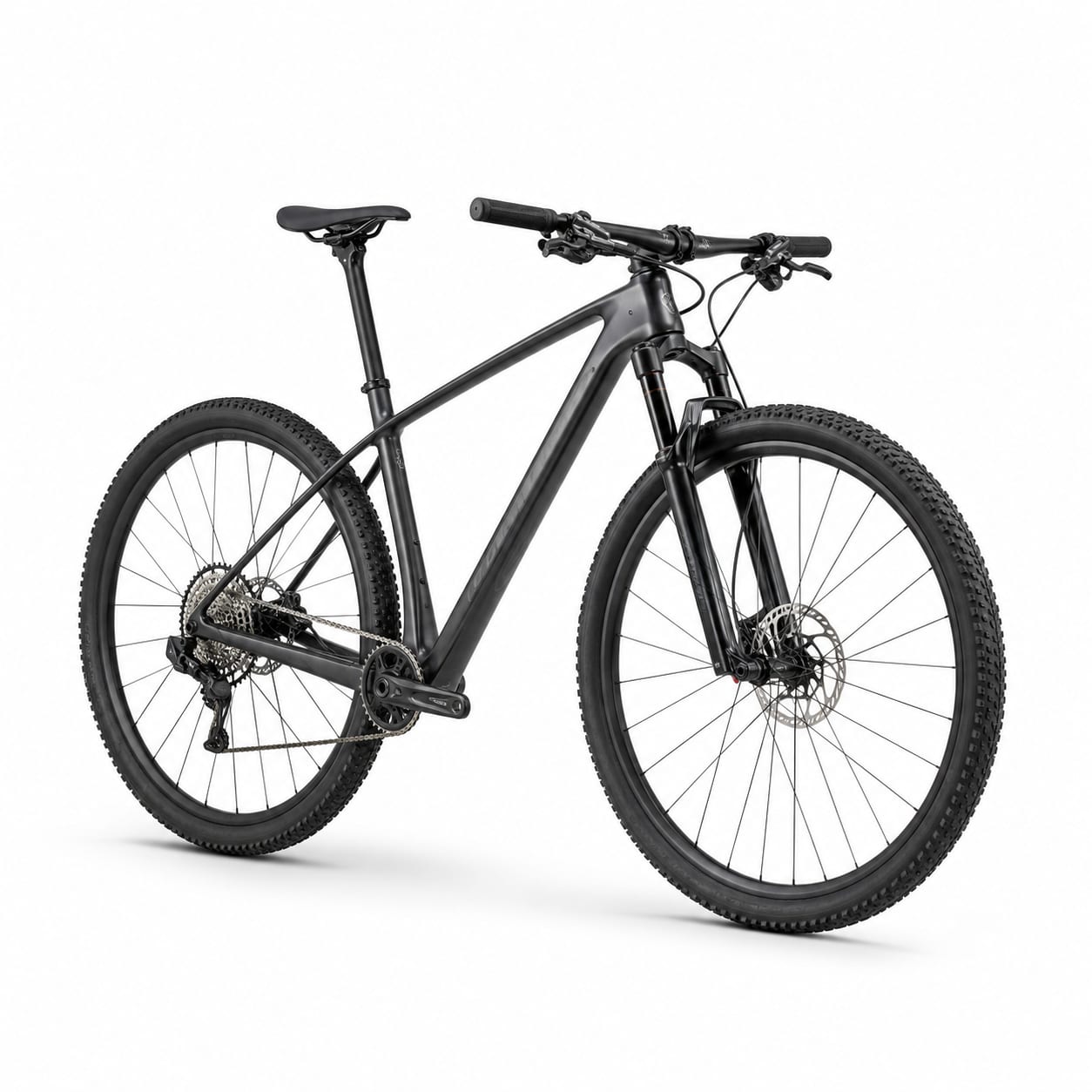
Cross Country (XC)

Lightweight, efficient bikes with steeper geometry and shorter travel for racing and fast trail riding.

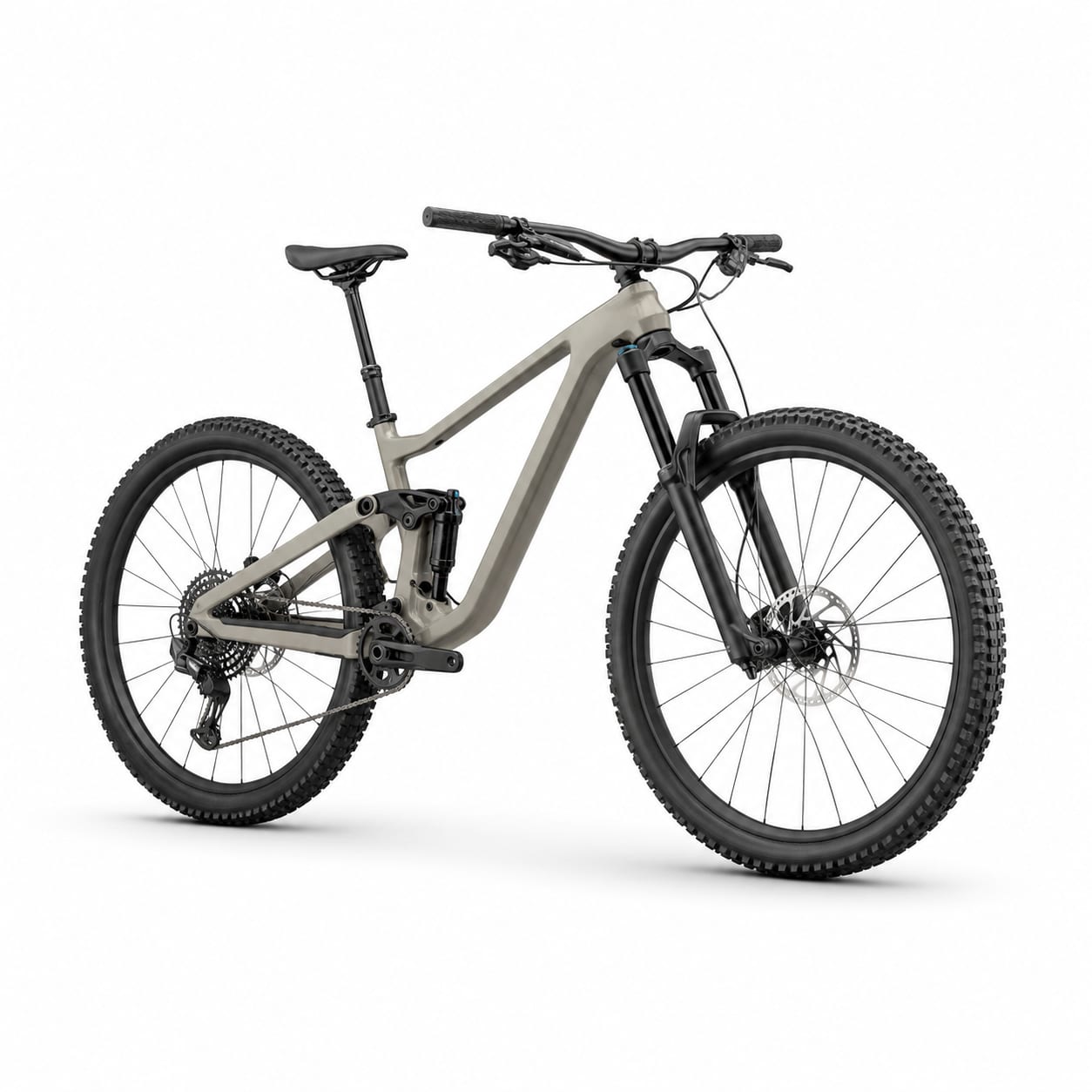
Trail

Versatile all-around bikes balancing climbing efficiency with descending capability.

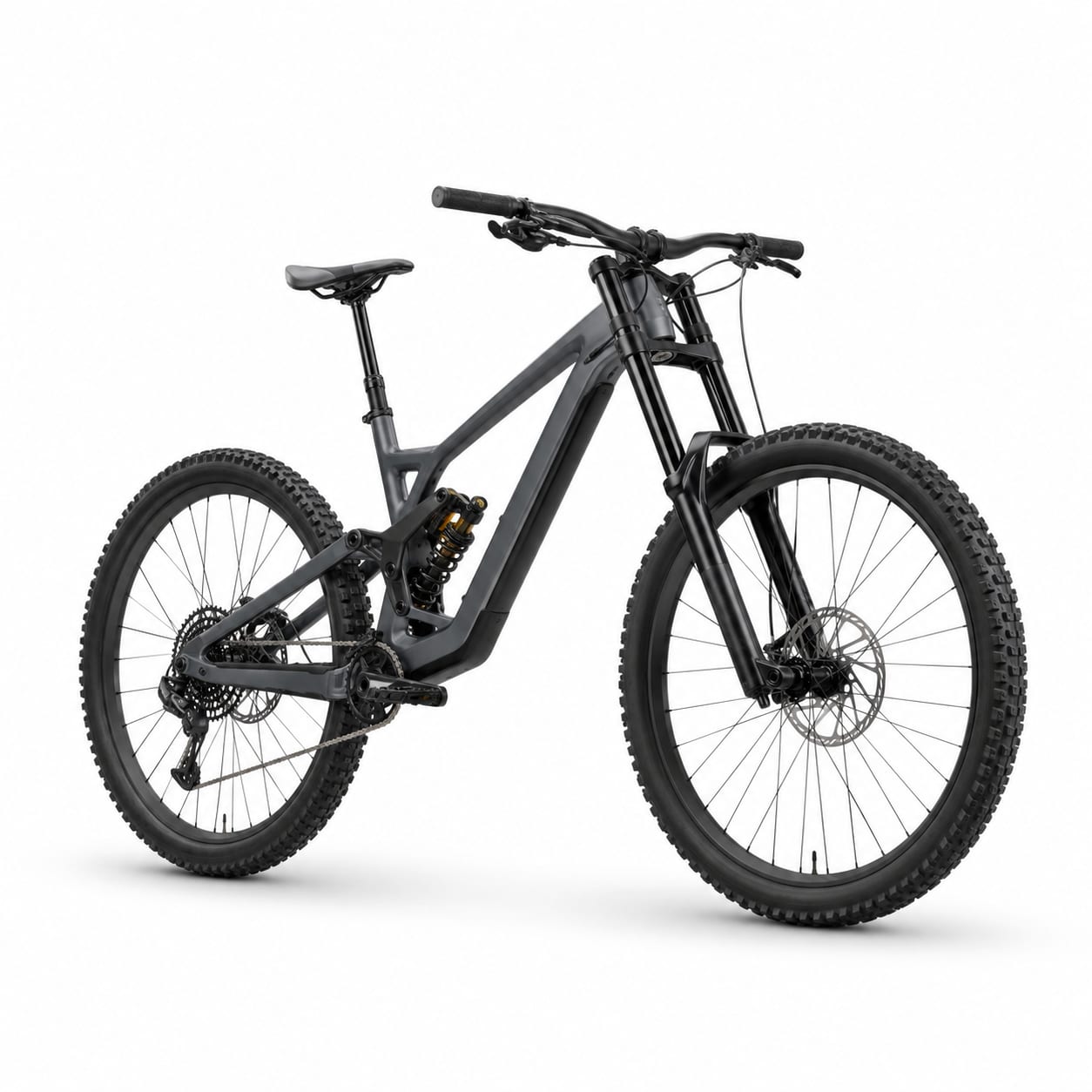
Enduro / All-Mountain

Bikes built for aggressive descending with enough climbing ability for self-powered laps.

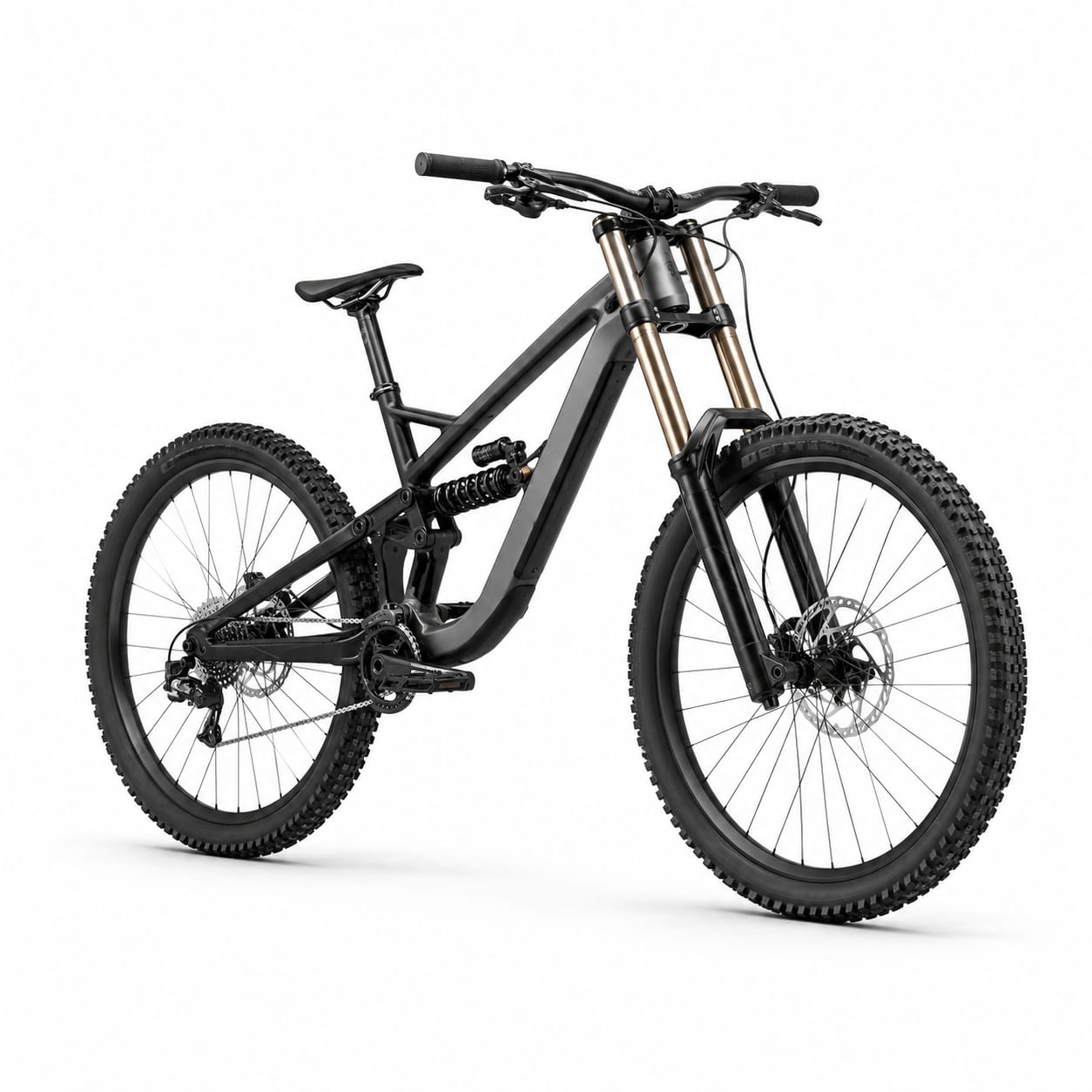
Downhill (DH)

Purpose-built for descending steep, rough terrain at speed with maximum suspension travel.

Choose based on your primary riding style and terrain. Trail bikes are the most versatile starting point. If you spend over 70% of time descending technical terrain, consider enduro. For racing or fitness-focused riding, lean toward cross country.

Suspension Type

Suspension Type

Importance

Whether the bike has front suspension only (hardtail) or both front and rear suspension (full suspension), fundamentally affecting comfort, traction, and efficiency.

Hardtail

Front suspension fork only; rear wheel is rigidly attached to the frame.

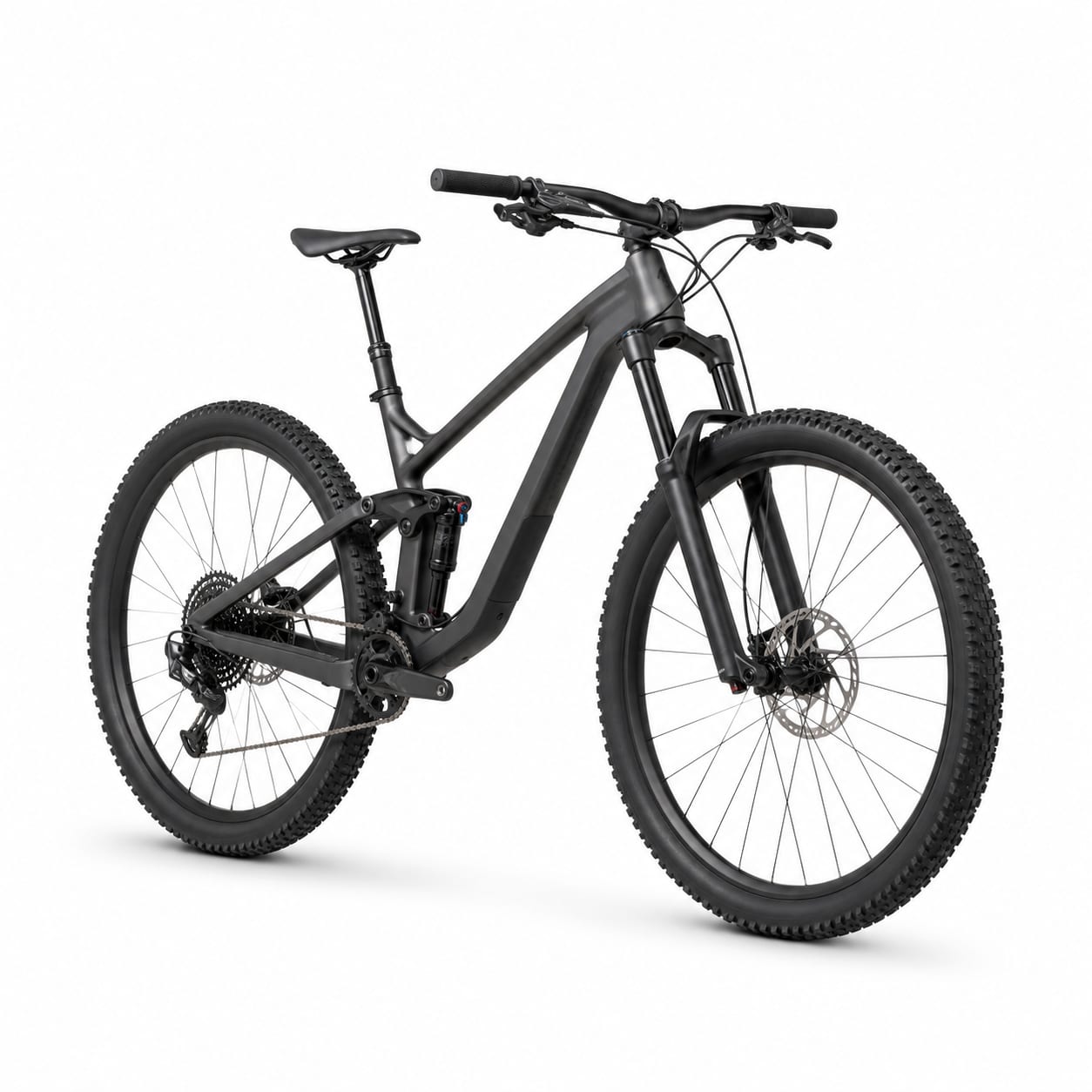
Full Suspension (Full Squish)

Both front fork and rear shock absorb impacts; rear wheel moves on a linkage system.

Full suspension is recommended for most trail riding with significant rocks, roots, and descents. Hardtails are ideal for smoother trails, racing on a budget, or riders who prefer a simpler, lighter machine. Modern full suspension designs minimize pedaling efficiency losses.

Wheel Size

Wheel Size

Importance

The nominal diameter of the wheel/rim, which affects rollover ability, acceleration, handling precision, and tire volume availability.

27.5" (650B)

Smaller diameter wheels offering quicker acceleration, more nimble handling, and easier maneuverability in tight terrain.

29" (29er)

Larger diameter wheels with superior rollover ability, better momentum retention, and larger tire contact patch.

Mullet (29" front / 27.5" rear)

Mixed wheel setup combining 29" front for rollover with 27.5" rear for agility and shorter chainstays.

29" dominates XC and trail categories for rollover and speed. 27.5" suits smaller riders and playful riding styles. Mullet setups are increasingly popular in enduro for combining front stability with rear agility. Most modern frames are designed for one specific size.

Suspension

Suspension travel and characteristics that determine terrain capability and ride quality.

Front Travel

Front Suspension Travel

Importance

The maximum distance the front suspension fork can compress, measured in millimeters. Determines the size of obstacles the bike can absorb and influences frame geometry.

Typical range: 80–200 mm

XC bikes typically use 100-120mm, trail bikes 130-150mm, enduro bikes 150-170mm, and downhill bikes 180-200mm. More travel provides better bump absorption and steep terrain capability but adds weight and can make the bike feel less responsive on smooth terrain.

Rear Travel

Rear Suspension Travel

Importance

The maximum distance the rear wheel can move vertically on full suspension bikes, measured in millimeters. Works in conjunction with front travel to absorb impacts.

Typical range: 80–210 mm

Rear travel is typically slightly less than front travel. XC full suspension: 100-120mm, trail: 120-140mm, enduro: 150-170mm, downhill: 180-210mm. Balanced front/rear travel provides consistent handling. Many frames allow travel adjustment via shock stroke changes.

Frame & Construction

Material and weight attributes that define the bike's build quality and character.

Frame Material

Frame Material

Importance

The primary material used in the main triangle and frame construction, affecting weight, ride quality, durability, and cost.

Aluminum (Alloy)

Most common frame material offering good strength-to-weight ratio at reasonable cost. Can be butted and manipulated for tuned ride characteristics.

Carbon Fiber (Composite)

Layup-based composite allowing precise tuning of stiffness, compliance, and weight. Highest performance but most expensive.

Steel (Chromoly)

Traditional material known for durability, repairability, and smooth ride quality. Heavier but with a loyal following.

Titanium

Premium metal combining light weight, corrosion resistance, and smooth ride quality. Very expensive but extremely durable.

Aluminum offers the best value for most riders and is the most common choice. Carbon is worth the premium for racers and weight-conscious riders who can afford it. Steel appeals to riders valuing ride feel and repairability. Titanium is a lifetime investment for discerning riders.

Weight

Complete Bike Weight

Importance

The total weight of the complete bicycle without pedals, measured in kilograms or pounds. Affects acceleration, climbing speed, and maneuverability.

Typical range: 9–18 kg

XC race bikes: 9-11kg, trail: 12-14kg, enduro: 13-15.5kg, downhill: 15-18kg. Weight matters most for climbing and acceleration. Rotating weight (wheels/tires) has a larger effect than static frame weight. Don't sacrifice reliability or capability for minimal weight savings.

Geometry

Key frame geometry measurements that determine handling characteristics, stability, and rider position.

Head Tube Angle

Head Tube Angle

Importance

The angle of the head tube relative to the ground, measured in degrees. A primary determinant of steering speed and high-speed stability. Slacker angles (lower numbers) provide more stability at speed.

Typical range: 62–71 degrees

XC bikes: 67-69°, trail: 65-67.5°, enduro: 63.5-65.5°, downhill: 62-64°. Slacker angles provide more stability on steep descents but make climbing steering feel less precise. Steeper angles offer quicker, more responsive steering. A half-degree change is noticeable.

Reach

Reach

Importance

The horizontal distance from the center of the bottom bracket to the top of the head tube, measured in millimeters. The most important sizing metric for modern mountain bikes as it determines the rider's fore-aft position while standing.

Typical range: 380–530 mm

Reach is the primary sizing metric for modern MTBs. Typical ranges: S (410-425mm), M (435-455mm), L (460-480mm), XL (485-510mm). Longer reach provides more stability at speed and room to move on the bike. Size up for stability, size down for agility. Personal preference and riding style matter significantly.

Stack

Stack Height

Importance

The vertical distance from the center of the bottom bracket to the top of the head tube, measured in millimeters. Determines how tall the front end feels and affects rider position between seated and standing.

Typical range: 560–680 mm

Higher stack provides a more upright, comfortable position and easier front wheel lifting. Lower stack enables a more aggressive, aerodynamic position. Stack-to-reach ratio around 1.4-1.5 is typical for trail bikes. Riders with less flexibility may prefer higher stack values.

Chainstay Length

Chainstay Length

Importance

The distance from the center of the bottom bracket to the center of the rear axle, measured in millimeters. Affects how easily the bike manuals, wheelies, and navigates tight turns.

Typical range: 415–460 mm

Shorter chainstays (415-435mm) make the bike more playful and easier to manual/wheelie. Longer chainstays (440-460mm) provide more stability at speed and better climbing traction. Trail bikes typically run 430-445mm. Some modern bikes feature size-specific chainstay lengths.

Effective Seat Tube Angle

Seat Tube Angle

Importance

The angle of the seat tube relative to the ground, measured in degrees at saddle height. Affects climbing position and pedaling efficiency. Steeper angles position the rider more directly over the bottom bracket.

Typical range: 73–80 degrees

Modern mountain bikes feature steeper seat tube angles (75-78°) for better climbing position. Steeper angles (76°+) keep weight forward on steep climbs. Effective angle changes with seat height—taller riders may experience slacker effective angles on some frames. Look for 'effective at saddle height' measurements.

Drivetrain & Brakes

Gearing and braking specifications that affect performance, control, and safety.

Drivetrain Speed

Drivetrain Speed

Importance

The number of rear sprockets in the cassette, which determines the number of gear ratios available and the size range of the cassette.

12-Speed

Current standard with 12 rear cogs offering wide range (typically 10-52T) and tight gear steps. Single chainring only.

11-Speed

Previous generation with 11 rear cogs. Still common on budget and older bikes. 1x or 2x configurations.

10-Speed

Older standard with 10 rear cogs. Found on entry-level and older bikes. Often 2x or 3x front configurations.

12-speed is the current standard and recommended for new purchases. 1x drivetrains (single front chainring) are universal in modern mountain bikes, simplifying shifting and reducing dropped chains. Budget for at least 11-speed if buying used.

Brake Type

Brake Type

Importance

The type of braking system, specifically the actuation method and rotor standard, which determines stopping power, modulation, and maintenance requirements.

Hydraulic Disc (2-Piston)

Fluid-actuated disc brakes with two pistons per caliper. Good modulation and adequate power for XC and light trail use.

Hydraulic Disc (4-Piston)

Fluid-actuated disc brakes with four pistons per caliper. Maximum stopping power and heat dissipation for aggressive riding.

Mechanical Disc (Cable)

Cable-actuated disc brakes. Lower cost and easier maintenance but less power and modulation than hydraulic.

Hydraulic disc brakes are strongly recommended for all mountain biking. 4-piston calipers are preferred for trail, enduro, and downhill. 2-piston is adequate for XC and light trail. Mechanical disc brakes should only be considered for very budget-constrained purchases.

Brake Rotor Size

Rotor Size

Importance

The diameter of the brake rotors in millimeters. Larger rotors provide more stopping power and better heat dissipation, critical for sustained descents.

160mm

Smallest common rotor size. Adequate for XC and light riders on moderate terrain.

180mm

Most versatile rotor size. Good balance of power, weight, and heat management for trail riding.

200mm / 203mm

Large rotor for aggressive riding. Maximum power and heat dissipation for steep, long descents.

220mm / 223mm

Largest common rotor size for extreme descending and heavy riders on DH bikes.

Front/rear rotor sizes often differ (e.g., 180mm front, 160mm rear). For trail riding, 180mm front is the minimum recommended. Enduro riders typically run 200mm front / 180mm rear. Upsizing rotors is one of the most cost-effective braking upgrades.

Contact Points & Tires

Components at the rider-terrain interface affecting traction, comfort, and control.

Tire Width

Tire Width

Importance

The nominal width of the tires mounted on the bike, measured in inches. Affects traction, rolling resistance, bump absorption, and frame clearance requirements.

Typical range: 1.9–5 inches

XC: 2.0-2.3", trail: 2.3-2.5", enduro: 2.4-2.6", plus/fat: 2.8-5.0". Wider tires provide more traction and bump absorption but increase weight and rolling resistance. Front tire is often run slightly wider than rear for cornering grip. Check frame clearance before upsizing.

Dropper Post Travel

Dropper Post Travel

Importance

The maximum distance the dropper seatpost can drop the saddle, measured in millimeters. More travel allows the saddle to get further out of the way for descending.

Typical range: 60–230 mm

Get the maximum travel that fits your frame and allows full leg extension at the top. Common sizes: 100-125mm (S/M frames), 150-170mm (M/L frames), 175-210mm (L/XL frames). More travel is almost always better for descending. Measure seat tube length and insertion depth before purchasing.

Specs FAQ

Common questions about these buying specs

Plain-English answers for each spec and option — tap through for the full explanation.

When should I choose a cross country mountain bike over a trail or enduro bike?

A cross country (XC) mountain bike is the right pick if you prioritize speed, climbing efficiency, and covering distance quickly. These bikes are the lightest in the MTB family, with steeper frame geometry and shorter suspension travel—usually 100-120mm—making them rocket ships on climbs and rolling terrain. XC bikes shine for racing, fast singletrack, and fitness-focused rides where you want to get to the top first and maintain momentum on flatter trails. If your local trails are relatively smooth with moderate descents, an XC bike will feel snappy and efficient. The trade-off is capability on steep, rough descents. The shorter travel and steeper geometry mean less confidence when things get genuinely technical. If your trails feature big drops, rock gardens, or you enjoy charging downhill more than climbing, a trail or enduro bike will serve you better. Choose XC when going fast uphill matters most to you.

Is a Trail mountain bike the right choice if I ride a mix of terrain and don't want to specialize?

A Trail bike is probably your best bet. These bikes are designed to be the most versatile option in the mountain bike lineup, balancing climbing efficiency with confident descending capability. They handle everything from flowing singletrack to chunky descents without feeling out of their element on either end. Trail bikes shine for general trail riding, all-day epics, and varied terrain where you're climbing and descending roughly equally. The geometry is neutral enough to feel comfortable on long rides but still capable when the trail gets rowdy. Most riders—especially those who explore different trail systems—will find a Trail bike covers 80-90% of what they want to do. The main reason to look beyond a Trail bike is if you have a very specific focus. If you're racing or obsessed with Strava times, an XC bike will feel faster on climbs. If you spend most of your time on steep, technical descents or at bike parks, an Enduro bike adds capability there. But for one bike that does it all well, Trail is hard to beat.

Should I get an enduro bike if I ride mostly technical descents but still pedal uphill?

An enduro (or all-mountain) bike is built exactly for that scenario—aggressive descending with self-powered climbing. These bikes come with longer suspension travel and slacker geometry than trail bikes, giving you confidence and control on steep, rough descents, rock gardens, and drops. The trade-off is weight and climbing efficiency. Enduro bikes are heavier and their slacker angles make climbing feel less snappy compared to trail or XC bikes. You'll still get to the top under your own power, just not as quickly. If you spend more than 70% of your ride time descending technical terrain or racing enduro, that's a worthwhile trade. If your local trails are mellow or you prioritize fitness and speed on climbs, a trail bike is probably the better all-around choice. But if you're seeking out steep, gnarly descents and want a bike that thrives there while still climbing to access them, enduro is your category.

I ride at bike parks a lot — should I get a downhill bike?

A downhill (DH) bike is purpose-built for one thing: bombing down steep, rough terrain at speed. With maximum suspension travel and slack, confidence-inspiring geometry, these bikes eat up rock gardens, big drops, and jumps that would overwhelm other mountain bike categories. If you're spending most of your riding time at lift-served bike parks or downhill racing courses, a DH bike is exactly what you need. The trade-off is that DH bikes are not designed for climbing. They're heavy, typically have only a single chainring up front, and the long-travel suspension bobs under pedaling effort. You won't be riding to the top under your own power — these bikes are meant for chairlift or shuttle access. A DH bike makes sense if you're a regular bike park rider or getting into downhill racing. But if you only visit parks occasionally or want the option to pedal uphill, an enduro bike gives you far more versatility while still handling aggressive descents capably.

Subcategories

Different styles, different picks

Each sub-type has its own guide with typical specs, trade-offs, and buying advice.

Cross-Country (XC) Mountain Bike

Cross-Country (XC) Mountain Bike

$800 – $13000

common

Lightweight, efficient mountain bikes optimized for climbing speed and racing on varied terrain.

lightweight frame (often carbon)100-120mm suspension travelsteep head tube angle (67-69°)
Trail Mountain Bike

Trail Mountain Bike

$1200 – $13000

dominant

Versatile all-around mountain bikes balanced for climbing and descending on varied trail terrain.

130-150mm suspension travelbalanced geometry (65-67° head tube)mid-width tires (2.3-2.5")
Enduro Mountain Bike

Enduro Mountain Bike

$2000 – $14000

common

Long-travel mountain bikes built for aggressive descending while maintaining climb capability for enduro racing.

150-180mm suspension travelslack head tube angle (63-65°)long reach and wheelbase
Downhill Mountain Bike

Downhill Mountain Bike

$2500 – $12000

niche

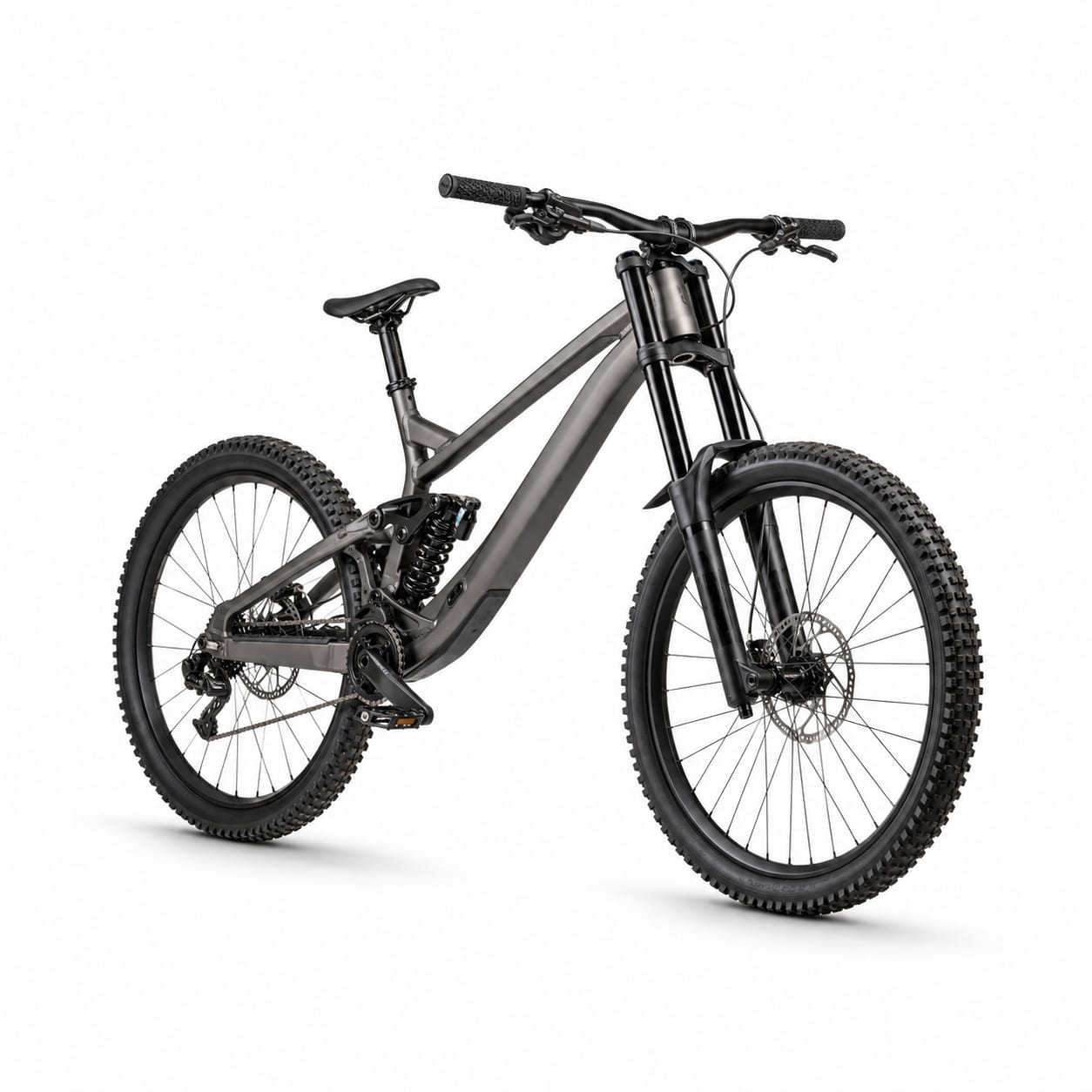
Purpose-built gravity bikes with maximum suspension for lift-accessed and shuttle downhill racing.

200mm+ suspension traveldual crown forkextremely slack geometry (62-64° head tube)
Hardtail Mountain Bike

Hardtail Mountain Bike

$400 – $9000

common

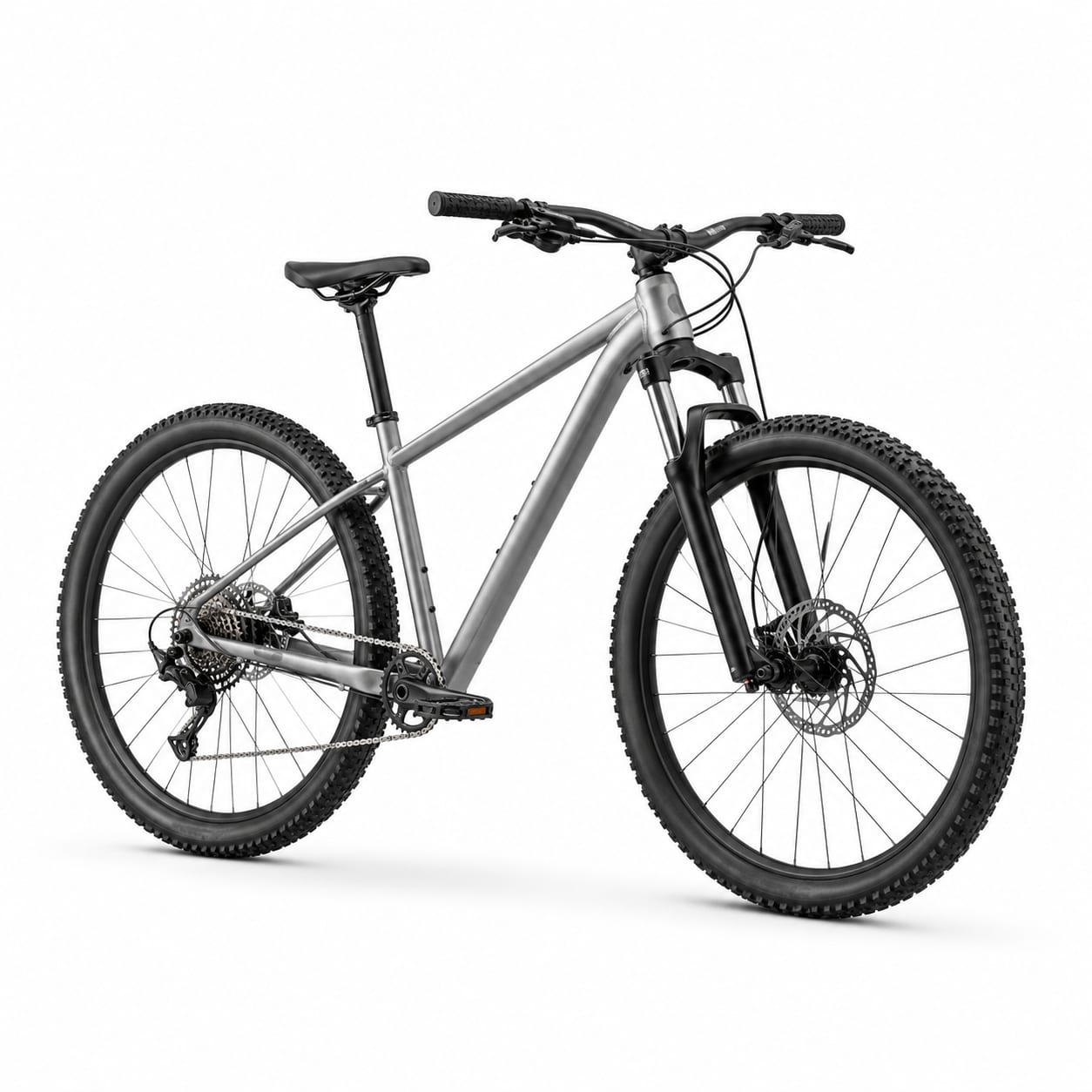
Mountain bikes with front suspension only, offering simplicity, low weight, and value for less technical terrain.

front suspension only (100-140mm)no rear suspensionlighter at same price point
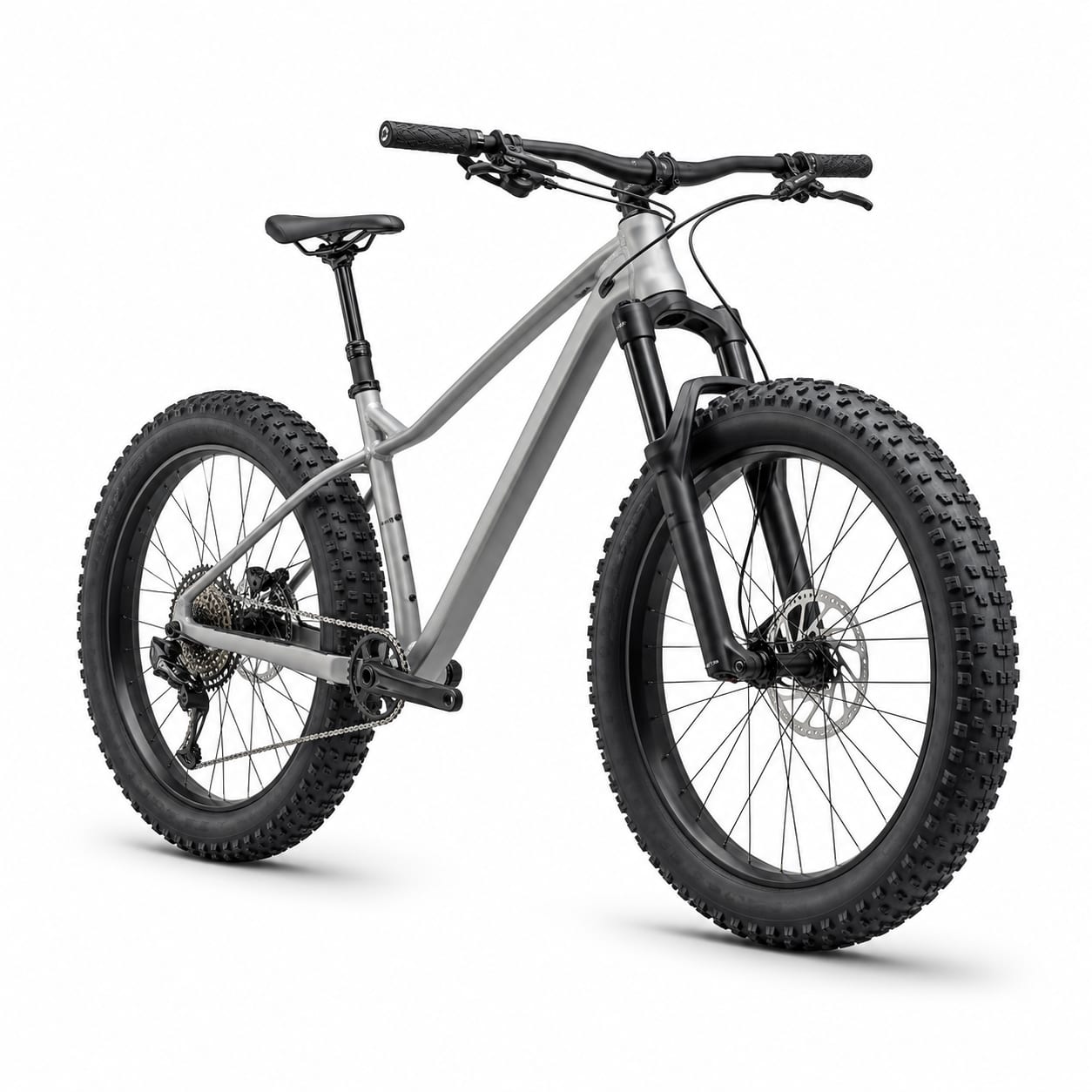
Fat Bike

Fat Bike

$600 – $6000

niche

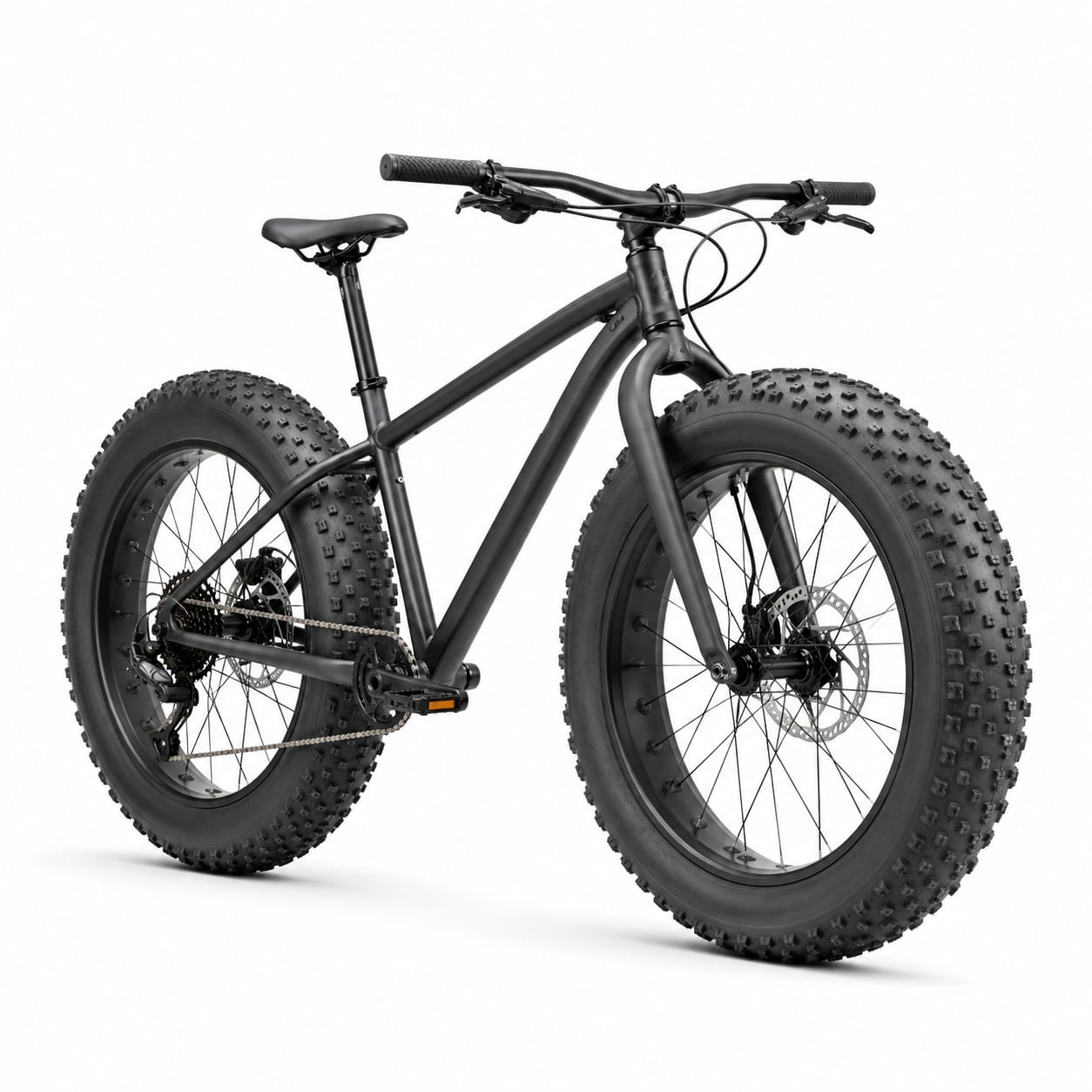
Mountain bikes with ultra-wide tires (3.7"+) designed for flotation on sand, snow, and loose terrain.

3.7-5.0" wide tireswide hub spacing (150-197mm)low tire pressure (5-15 psi)
Dirt Jump / Slopestyle Bike

Dirt Jump / Slopestyle Bike

$500 – $4000

specialty

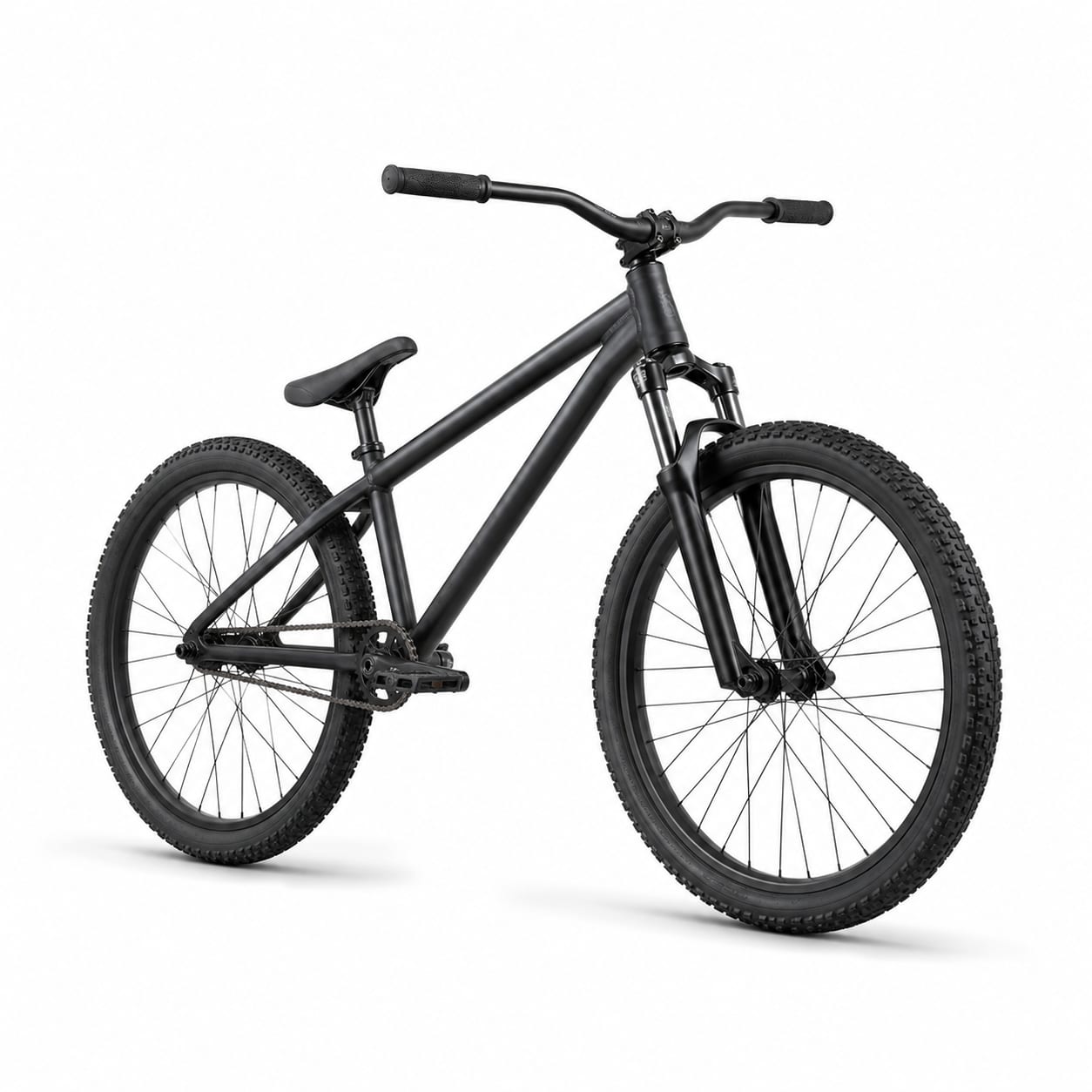
Compact, agile bikes built for jumps, tricks, and freestyle riding at dirt jumps and bike parks.

low standover heightshort chainstays80-120mm fork or rigid
Freeride Mountain Bike

Freeride Mountain Bike

$3000 – $10000

specialty

Long-travel bikes for big mountain riding, hucks, and natural terrain features bridging enduro and downhill.

170-200mm suspension travelslack geometryrobust frame and components
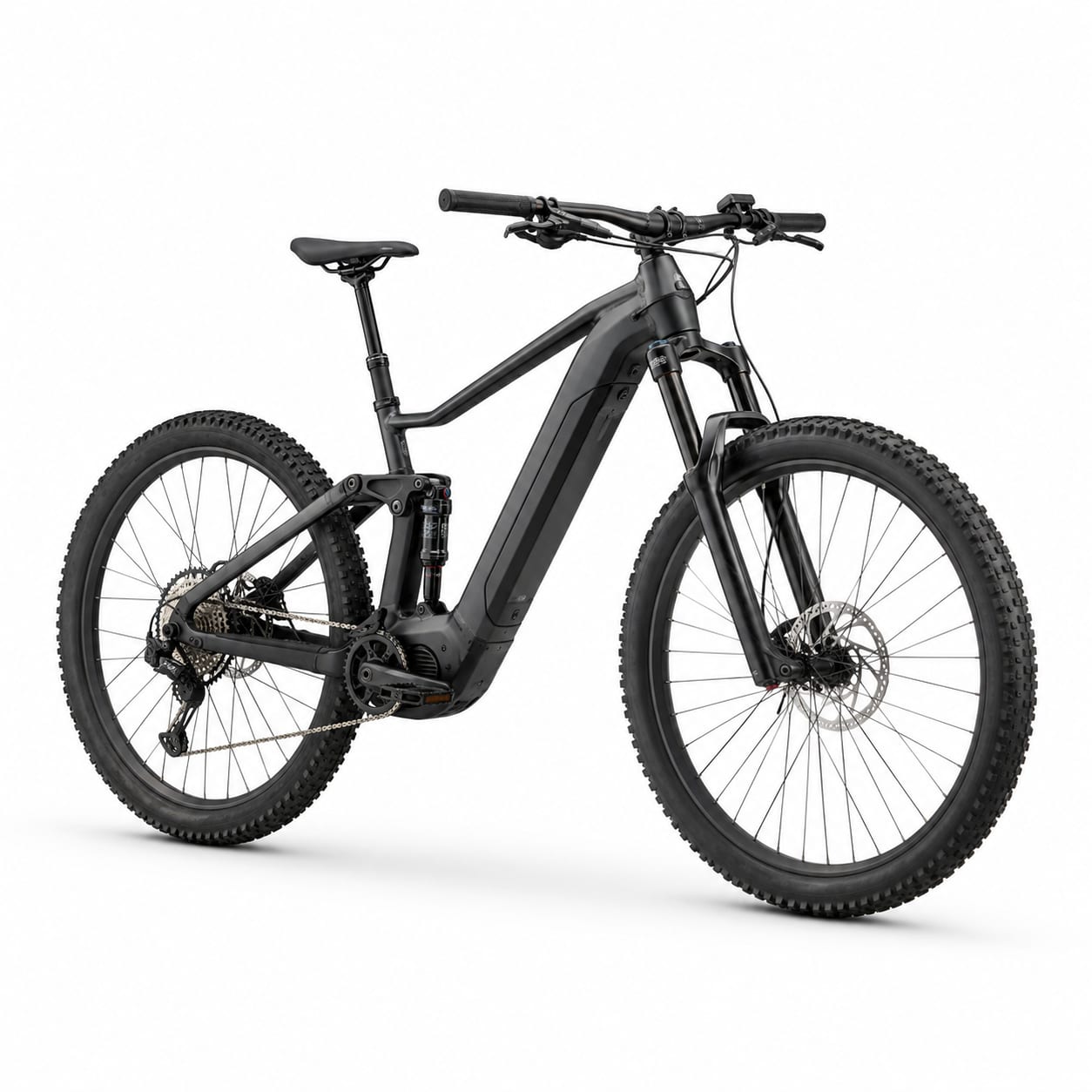
Electric Mountain Bike (eMTB)

Electric Mountain Bike (eMTB)

$2500 – $15000

common

Motor-assisted mountain bikes that amplify pedaling power for more climbing and longer rides.

pedal-assist motor (250-750W)integrated battery (500-750Wh typical)motor cut-off at 20-28 mph
Plus Bike

Plus Bike

$800 – $6000

niche

Mountain bikes with mid-fat tires (2.8-3.25") offering extra traction and cushion beyond standard trail bikes.

2.8-3.25" tire widthwide rims (35-45mm)moderate suspension travel (120-150mm)