Kitvore.com

Kitvore.com

Specs that matter. Gear that fits.

Mountain Bike · Subcategory

Freeride Mountain Bike

Big-hit, aggressive full-suspension mountain bikes built for jumps, drops, and technical freeride lines.

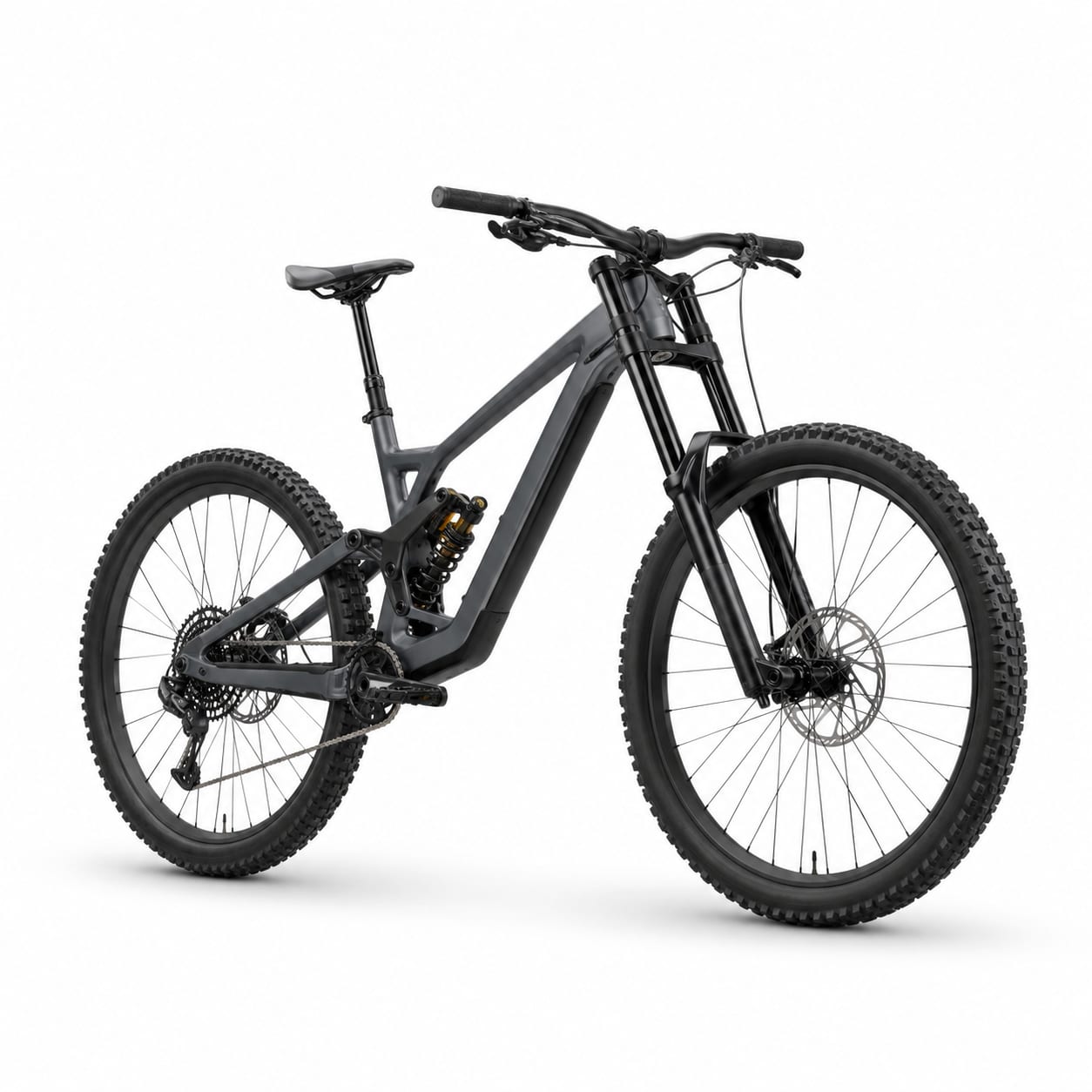
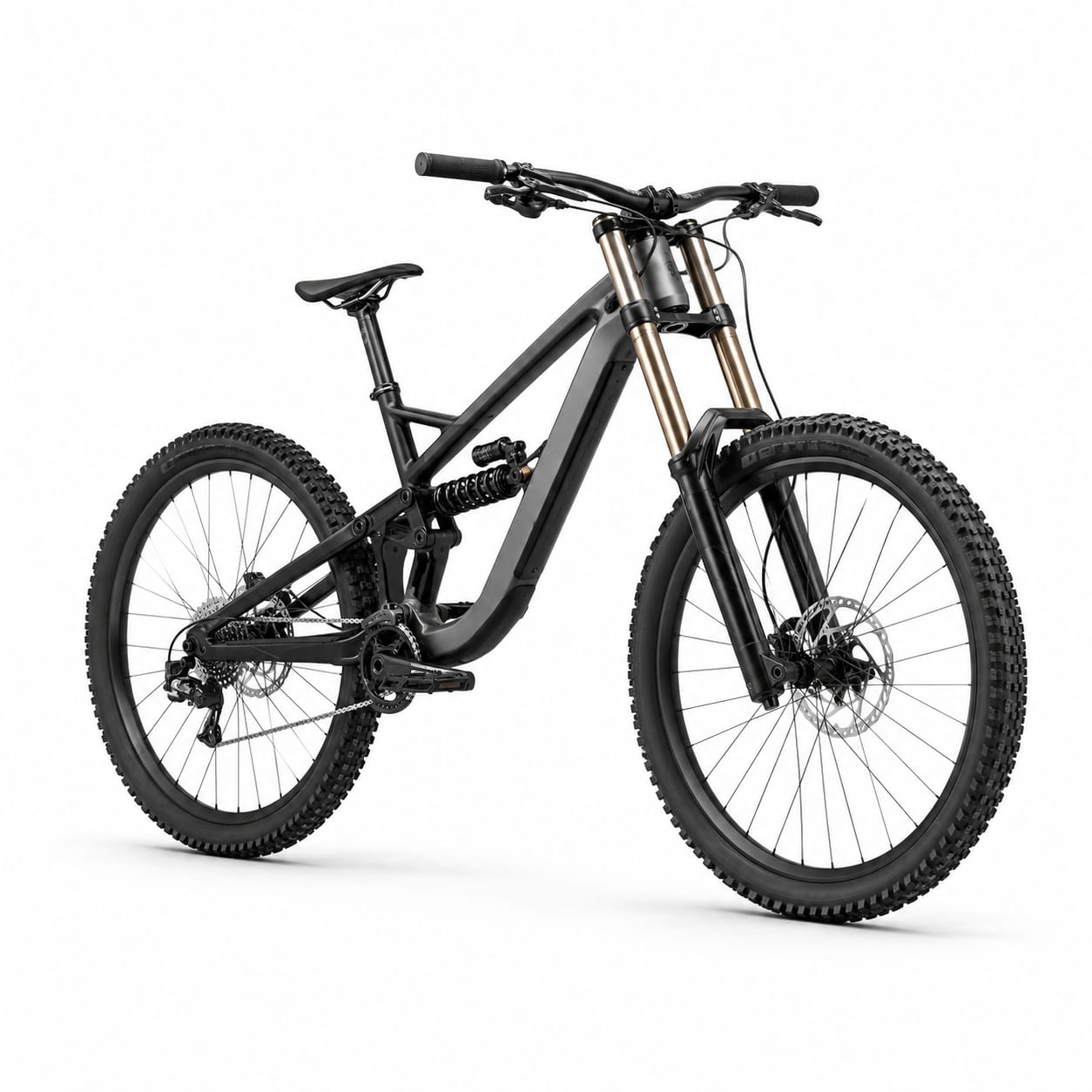
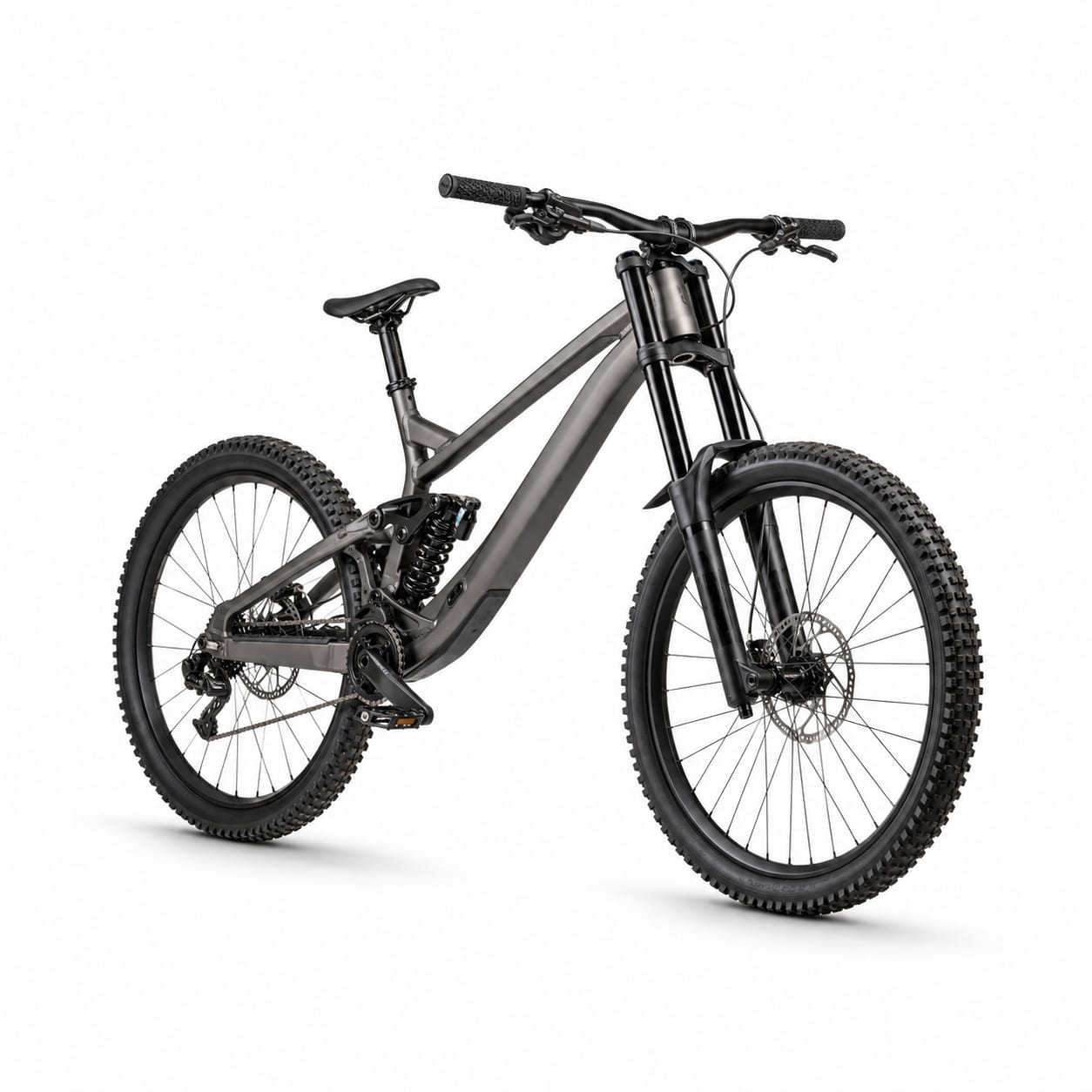
Freeride mountain bikes are purpose-built for riders who seek out big air, steep drops, and technical natural features. Sitting between enduro and downhill in the spectrum, these bikes prioritize suspension performance, structural strength, and maneuverability in the air over climbing efficiency or all-day comfort. With 170-180mm of plush suspension travel, slack geometry, and burly components, freeride bikes thrive at bike parks, on shuttle-accessed terrain, and on natural features where creativity and courage define the line.

$3000 – $10000premium tieradvancedexpert

Best known for

Big jumps and dropsBike park freeride linesShuttle-accessed technical terrainAggressive aerial maneuverabilitySteep, technical natural features
Freeride Mountain Bike

Guide

Detailed overview

Freeride mountain bikes occupy a unique niche between enduro and downhill categories, designed for riders who prioritize hitting big features over pedaling efficiency. These bikes feature long-travel suspension (typically 170-180mm front and rear), extremely slack head tube angles, and robust frame construction that can withstand repeated high-impact landings. Unlike pure downhill bikes, freeride bikes retain some climbing capability and often feature a single-chainring drivetrain with a wide-range cassette, allowing riders to pedal between features or access lines without a shuttle. The geometry is tuned for stability in the air and confidence on steep, loose landings rather than razor-sharp cornering or efficient climbing. Wheel size preferences lean toward 27.5" or mullet setups for their playful, easy-to-manipulate character in the air, though some models offer 29" options. Component choices reflect the abuse these bikes endure: 4-piston hydraulic brakes with large rotors, heavy-duty wheels with wide rims, reinforced tires with aggressive tread and tough casings, and long-travel dropper posts. Frame materials are predominantly aluminum for its combination of strength and cost-effectiveness, though carbon fiber appears on premium models with reinforced layups in high-stress areas. Freeride bikes are not for everyone—they are heavy, inefficient on climbs, and overkill for mellow trails—but for riders who live for big air and technical features, nothing else provides the same combination of capability and confidence.

Freeride mountain biking emerged from the coastal mountains of British Columbia in the late 1990s, where riders began pushing beyond established cross-country trails to explore steep, technical natural terrain. The sport quickly evolved to include purpose-built features—massive wooden ramps, gap jumps, and elevated structures—that demanded bikes capable of absorbing enormous impacts while remaining maneuverable in the air. Modern freeride bikes are the direct descendants of those early purpose-built machines, refined by decades of progression in suspension design, frame geometry, and component durability.

The defining characteristic of a freeride bike is its suspension system. With 170-180mm of travel front and rear, these bikes can absorb landings from drops exceeding 15 feet while maintaining composure on steep, rough landings. The suspension kinematics are typically tuned for mid-stroke support, preventing the bike from blowing through its travel on takeoff lips while still providing bottom-out resistance on heavy landings. Coil shocks are popular among freeriders for their consistent feel and heat management during repeated high-speed impacts, though air shocks offer weight savings and tunability for riders who also pedal to access features.

Geometry on freeride bikes has evolved significantly. Head tube angles in the 63-65° range provide stability on steep landings and at high speeds, while chainstay lengths are kept relatively short (430-445mm) to maintain the playful, easy-to-manual character that freeriders demand. Reach numbers have grown longer over the years, improving stability in the air and providing room to move on the bike during tricks and steep landings. Seat tube angles have steepened to around 76-78°, making the climb back to the top less punishing, though no one would describe a freeride bike as an efficient climber.

Component selection on freeride bikes reflects the extreme demands of the discipline. Brakes must provide consistent, powerful stopping on long, steep descents—4-piston calipers with 200mm+ rotors are standard. Wheels are built with heavy-duty rims laced to robust hubs, often using 32 or 36 spokes front and rear. Tires feature aggressive tread patterns with reinforced casings rated for 2.4-2.6" widths, balancing grip with the ability to run lower pressures for impact absorption. Cockpit components are typically wider (780-820mm bars) and shorter (35-50mm stems) for maximum control during aerial maneuvers. The dropper post is essential, with 150-200mm of travel allowing the saddle to disappear completely during descents and jumps.

For riders considering a freeride bike, it's important to understand the trade-offs. These bikes are heavy (14-16kg), inefficient on climbs, and cumbersome on flat or rolling terrain. They are specialized tools for specialized riding. However, for those who frequent bike parks, shuttle-accessed terrain, or natural features with big drops and jumps, a freeride bike provides an unmatched combination of capability, confidence, and durability. The discipline continues to evolve, with modern freeride bikes becoming more versatile—some models blur the line with enduro bikes, offering pedal-friendly characteristics alongside big-hit capability.

Quick facts

Primary purpose
Big mountain freeriding, natural terrain features, large drops and jumps without race timing
Popular brands
CommencalSanta CruzSpecializedCanyonForbidden
Typical terrain
big mountain linesnatural drops and gapssteep chutesfreeride features

What makes it different

Emphasis on style and creativity over pure speed; built for hucks and big drops; more versatile than downhill bikes; roots in the original freeride movement

Recommended ranges

How this type usually specs out

Each spec is explained in plain language, then we show what buyers usually look for on this type.

Bike Category / Discipline

Mountain Bike Category

What it means

The primary riding discipline the mountain bike is designed for, which dictates frame geometry, suspension travel, and component selection.

Typical for this type

Enduro to Downhill

In practice

Freeride bikes are not officially a separate UCI category but sit between enduro and downhill in design intent. Most are classified as enduro or all-mountain by manufacturers but built with freeride-specific geometry and component choices.

Compared to other types

More travel and slacker geometry than trail or enduro; more pedal-friendly and versatile than pure downhill bikes.

Why it matters: The category classification affects frame design philosophy, suspension kinematics, and component spec. Freeride bikes borrow the self-propelled capability of enduro but push toward downhill-level suspension and strength.

Suspension Type

Suspension Type

What it means

Whether the bike has front suspension only (hardtail) or both front and rear suspension (full suspension), fundamentally affecting comfort, traction, and efficiency.

Typical for this type

Full Suspension Only

In practice

All freeride bikes are full suspension. The rear suspension is essential for absorbing big landings, maintaining traction on steep rough terrain, and providing the control needed for high-speed technical riding.

Compared to other types

Same as enduro and downhill—full suspension is mandatory. Unlike XC where hardtails are viable, freeride demands full suspension.

Why it matters: Full suspension is non-negotiable for freeride. The rear shock absorbs massive impacts that would destroy a hardtail frame and injure the rider. Rear suspension also keeps the rear wheel tracking on steep, loose landings.

Front Travel

Front Suspension Travel

What it means

The maximum distance the front suspension fork can compress, measured in millimeters. Determines the size of obstacles the bike can absorb and influences frame geometry.

Typical for this type

170-200mm

Most common pick: 180mm

In practice

Freeride bikes typically run 170-180mm forks, with some riders opting for 200mm DH forks on more extreme builds. The long travel absorbs big-drop landings and maintains control on high-speed rough terrain.

Compared to other types

More than enduro (150-170mm), similar to downhill (180-200mm). The extra travel over enduro provides a safety margin for bigger features.

Why it matters: Front travel is the primary impact absorber for landings. Insufficient travel leads to harsh bottom-outs on drops and jumps, reducing control and increasing fatigue and injury risk.

Rear Travel

Rear Suspension Travel

What it means

The maximum distance the rear wheel can move vertically on full suspension bikes, measured in millimeters. Works in conjunction with front travel to absorb impacts.

Typical for this type

160-180mm

Most common pick: 170mm

In practice

Rear travel on freeride bikes typically ranges from 160-180mm, usually slightly less than front travel. The rear suspension linkage is designed for progressive rate curves that resist bottom-out on big landings while remaining supple on small bumps.

Compared to other types

More than enduro (150-170mm), slightly less than downhill (180-210mm). The balance of travel provides big-hit capability while keeping the bike manageable at lower speeds.

Why it matters: Rear travel works with the front fork to maintain bike balance and control. A well-tuned rear suspension keeps the rear wheel tracking on steep, loose landings and absorbs the impact of flat landings that would otherwise transmit through the frame.

Wheel Size

Wheel Size

What it means

The nominal diameter of the wheel/rim, which affects rollover ability, acceleration, handling precision, and tire volume availability.

Typical for this type

27.5 or mullet

In practice

27.5" wheels dominate freeride for their maneuverability in the air, quicker acceleration out of landings, and stronger wheel builds. Mullet setups (29" front / 27.5" rear) are gaining popularity for combining front-end rollover with rear-end agility.

Compared to other types

Unlike XC and trail where 29" dominates, freeride favors 27.5" or mullet. Downhill has moved toward mixed sizes as well. The smaller rear wheel allows shorter chainstays for playfulness.

Why it matters: Wheel size affects how the bike behaves in the air and on landings. 27.5" wheels are easier to spin, whip, and manipulate during aerial tricks. They also build into stronger wheels at a given weight, critical for big-impact durability.

Frame Material

Frame Material

What it means

The primary material used in the main triangle and frame construction, affecting weight, ride quality, durability, and cost.

Typical for this type

Aluminum Or Carbon Fiber

In practice

Aluminum is the most common frame material for freeride bikes due to its excellent strength-to-weight ratio, impact resistance, and cost-effectiveness. Carbon fiber appears on premium models with reinforced layups in high-stress areas like the downtube and chainstays.

Compared to other types

Aluminum is more dominant in freeride than in XC or trail, where carbon is more common. The durability and cost advantages of aluminum matter more when crash damage is likely.

Why it matters: Freeride frames endure repeated high-impact loads from drops and jumps. Aluminum handles impacts well and deforms rather than shattering, making it forgiving of crashes. Carbon can be engineered for freeride but at significantly higher cost.

Head Tube Angle

Head Tube Angle

What it means

The angle of the head tube relative to the ground, measured in degrees. A primary determinant of steering speed and high-speed stability. Slacker angles (lower numbers) provide more stability at speed.

Typical for this type

63-65°

Most common pick: 64°

In practice

Freeride bikes run slack head tube angles in the 63-65° range for stability on steep landings and at high speeds. The slack angle keeps the front wheel ahead of the rider on steep descents and provides a stable platform for absorbing impacts.

Compared to other types

Slacker than enduro (63.5-65.5°), similar to downhill (62-64°). The slack angle prioritizes descending confidence over climbing steering precision.

Why it matters: Head tube angle is the primary geometry determinant of high-speed stability and steering feel. Slack angles prevent the front wheel from tucking on steep landings and provide confidence at speed, though they make slow-speed steering less precise.

Reach

Reach

What it means

The horizontal distance from the center of the bottom bracket to the top of the head tube, measured in millimeters. The most important sizing metric for modern mountain bikes as it determines the rider's fore-aft position while standing.

Typical for this type

455-500mm

Most common pick: 470mm

In practice

Freeride bikes feature moderate-to-long reach values that provide stability in the air and room to move on the bike during landings. The reach must balance high-speed stability with the ability to manual and manipulate the bike on features.

Compared to other types

Similar to enduro reach values but sometimes slightly shorter to maintain playfulness. Longer than XC reach for stability, shorter than some DH bikes for maneuverability.

Why it matters: Reach determines the rider's standing position on the bike. For freeride, enough reach to feel stable at speed and in the air is critical, but excessive reach makes the bike feel sluggish to maneuver on jumps and technical features.

Stack

Stack Height

What it means

The vertical distance from the center of the bottom bracket to the top of the head tube, measured in millimeters. Determines how tall the front end feels and affects rider position between seated and standing.

Typical for this type

615-650mm

Most common pick: 630mm

In practice

Freeride bikes have moderate-to-high stack heights that provide a comfortable, confident position for descending and absorbing impacts. The taller front end helps riders stay centered on steep landings and reduces fatigue on long descents.

Compared to other types

Higher stack than XC for descending comfort. Similar to enduro and downhill. The taller front end is a feature, not a bug, for freeride applications.

Why it matters: Stack height affects how tall the front end feels. A higher stack makes it easier to keep weight back on steep terrain and reduces the effort needed to resist forward momentum on hard landings.

Chainstay Length

Chainstay Length

What it means

The distance from the center of the bottom bracket to the center of the rear axle, measured in millimeters. Affects how easily the bike manuals, wheelies, and navigates tight turns.

Typical for this type

425-445mm

Most common pick: 435mm

In practice

Freeride bikes run moderate chainstay lengths that balance playfulness with stability. Shorter chainstays make the bike easier to manual, whip, and maneuver on jumps, while sufficient length provides high-speed tracking on rough landings.

Compared to other types

Shorter than downhill (445-460mm) for playfulness, similar to enduro (430-445mm). The freeride emphasis on aerial maneuverability favors shorter chainstays.

Why it matters: Chainstay length directly affects how easily the bike can be manualled and whipped—core freeride skills. Too long and the bike feels sluggish; too short and it becomes nervous at speed on rough terrain.

Drivetrain Speed

Drivetrain Speed

What it means

The number of rear sprockets in the cassette, which determines the number of gear ratios available and the size range of the cassette.

Typical for this type

12_speed

In practice

All modern freeride bikes use 12-speed drivetrains with wide-range cassettes (typically 10-52T). The 1x setup simplifies the cockpit, eliminates front derailleur issues during landings, and provides sufficient range for shuttle climbs and pedaling between features.

Compared to other types

Same as modern enduro and trail bikes. Downhill bikes sometimes use 7-speed cassettes for narrower range and durability, but freeride bikes need the wider range for pedaling access.

Why it matters: 12-speed provides the widest gear range with 1x simplicity. The single chainring reduces the chance of dropped chains during big landings and eliminates the front derailleur that could be damaged in crashes.

Brake Type

Brake Type

What it means

The type of braking system, specifically the actuation method and rotor standard, which determines stopping power, modulation, and maintenance requirements.

Typical for this type

Hydraulic Disc 4p

In practice

4-piston hydraulic disc brakes are standard on freeride bikes. The additional stopping power and heat dissipation are essential for controlling speed on steep, sustained descents and heavy landings where brake fade could be dangerous.

Compared to other types

Same as enduro and downhill. 2-piston brakes are inadequate for freeride speeds and terrain. The power margin of 4-piston calipers is a safety requirement.

Why it matters: Freeride terrain demands maximum braking power and consistent performance. 4-piston calipers provide the lever feel, power, and heat management needed for steep, technical descents with heavy bikes at high speeds.

Brake Rotor Size

Brake Rotor Size

What it means

The diameter of the brake rotors in millimeters. Larger rotors provide more stopping power and better heat dissipation, critical for sustained descents.

Typical for this type

200-220mm front / 180-200mm rear

Most common pick: 200mm front / 180mm rear

In practice

Large rotors are essential on freeride bikes for maximum stopping power and heat management. 200mm front rotors are standard, with some riders running 220mm for extreme terrain. Rear rotors are typically 180mm.

Compared to other types

Larger than trail (180mm front typical) and similar to enduro and downhill. The rotor size matches the speeds and terrain severity of freeride riding.

Why it matters: Rotor size directly affects braking power and heat dissipation. On long, steep descents with a heavy bike, undersized rotors will overheat and fade, creating a dangerous situation. Larger rotors provide a safety margin.

Tire Width

Tire Width

What it means

The nominal width of the tires mounted on the bike, measured in inches. Affects traction, rolling resistance, bump absorption, and frame clearance requirements.

Typical for this type

2.4-2.6 inches

Most common pick: 2.5 inches

In practice

Freeride bikes run wide tires (2.4-2.6") with aggressive tread patterns and reinforced casings. The width provides traction for steep landings, volume for impact absorption, and the reinforced casing resists pinch flats and sidewall cuts.

Compared to other types

Wider than XC (2.0-2.3") and similar to enduro (2.4-2.6"). The emphasis on reinforced casings is stronger than in enduro, where weight is more of a consideration.

Why it matters: Tire width and casing strength are critical for freeride. Wide tires at lower pressures absorb landing impacts and provide grip on loose, steep terrain. Weak casings will pinch flat or cut on the first rocky landing.

Dropper Post Travel

Dropper Post Travel

What it means

The maximum distance the dropper seatpost can drop the saddle, measured in millimeters. More travel allows the saddle to get further out of the way for descending.

Typical for this type

150-200mm

Most common pick: 170mm

In practice

Long-travel dropper posts (150-200mm) are essential on freeride bikes to get the saddle completely out of the way during descents, jumps, and landings. Maximum travel that fits the frame is always recommended.

Compared to other types

Longer travel than XC (100-125mm) and trail (125-150mm). Similar to enduro (150-170mm). The need to clear the saddle completely is more critical in freeride than any other discipline.

Why it matters: A dropped saddle is critical for body position on steep landings and during aerial maneuvers. Insufficient dropper travel leaves the saddle in the way, forcing the rider to adjust position and reducing control on technical features.

Weight

Complete Bike Weight

What it means

The total weight of the complete bicycle without pedals, measured in kilograms or pounds. Affects acceleration, climbing speed, and maneuverability.

Typical for this type

14-17kg

Most common pick: 15.5kg

In practice

Freeride bikes are heavy due to their robust frames, long-travel suspension, and durable components. Typical weights range from 14-17kg, with aluminum builds on the heavier end and carbon builds on the lighter end.

Compared to other types

Heavier than enduro (13-15.5kg) and similar to downhill (15-18kg). The weight is a trade-off for the durability and capability needed for big-hit riding.

Why it matters: Weight affects acceleration and climbing but is less critical for freeride than for XC or trail. The strength and durability that add weight are more valuable than weight savings. Rotating weight (wheels, tires) matters more than frame weight for handling feel.

Effective Seat Tube Angle

Effective Seat Tube Angle

What it means

The angle of the seat tube relative to the ground, measured in degrees at saddle height. Affects climbing position and pedaling efficiency. Steeper angles position the rider more directly over the bottom bracket.

Typical for this type

75-78°

Most common pick: 76.5°

In practice

Freeride bikes feature steep seat tube angles (75-78°) to maintain a reasonable climbing position despite the slack head angle and long travel. The steep angle keeps weight forward on climbs, making shuttle access climbs more manageable.

Compared to other types

Steeper than older DH bikes (which often had very slack seat angles) and similar to modern enduro bikes. The steep angle is a nod to the pedal-accessible nature of freeride versus pure downhill.

Why it matters: While freeride bikes aren't designed for efficient climbing, riders still need to pedal to access features. Steep seat tube angles make the climbing portions less punishing and keep the bike manageable on traverses between features.

Evaluation

Strengths and trade-offs

Pros

What this type does best

Exceptional big-hit capability

Critical

With 170-180mm of suspension travel and robust frame construction, freeride bikes can handle drops, jumps, and impacts that would overwhelm enduro or trail bikes. The suspension provides a safety margin for pushing limits.

Confidence-inspiring on steep terrain

Critical

The slack geometry, long wheelbase, and low bottom bracket create a stable, planted feel on steep descents and loose landings. Riders can commit to lines knowing the bike will remain composed.

Air maneuverability

High

The 27.5" or mullet wheel setup, moderate chainstays, and balanced geometry make freeride bikes easy to whip, scrub, and adjust in the air. The bike responds predictably to rider input during aerial maneuvers.

Durability under abuse

High

Built with reinforced frames, heavy-duty wheels, and robust components, freeride bikes are designed to withstand repeated high-impact landings and crashes that would destroy lighter bikes.

More versatile than downhill

High

Unlike pure DH bikes, freeride bikes can be pedaled to access features, navigate traverses, and even handle moderate climbs. This makes them more practical for riders who don't always have shuttle or lift access.

Progressive suspension feel

Medium

Freeride suspension is typically tuned with a progressive rate curve that provides small-bump sensitivity at the top, mid-stroke support for takeoffs, and bottom-out resistance for big landings. This three-zone feel is ideal for freeride demands.

Strong component spec for the price

Medium

Because freeride bikes prioritize function over weight savings, manufacturers often spec durable, proven components rather than expensive lightweight parts. This typically means better value and reliability.

Cons

Trade-offs to be aware of

Poor climbing efficiency

Significant

The heavy weight, long travel, and slack geometry make freeride bikes inefficient climbers. Expect to work significantly harder on ascents compared to enduro or trail bikes. Long climbs are punishing.

Heavy and cumbersome on flat terrain

Significant

At 14-17kg, freeride bikes feel sluggish on flat and rolling terrain. Acceleration is slow, and the bike requires more effort to change direction. They are not suitable for all-day rides with varied terrain.

Overkill for moderate trails

Moderate

On trails without big features, a freeride bike feels unnecessarily heavy and unresponsive. The suspension can feel vague on small bumps, and the slack geometry makes slow-speed handling imprecise.

Higher maintenance requirements

Moderate

Long-travel suspension requires more frequent service, heavy braking wears pads and rotors quickly, and the overall stress on components means more regular replacement of wear items like tires, chains, and brake pads.

Limited frame and model options

Minor

Fewer manufacturers produce dedicated freeride bikes compared to enduro or trail categories. This means fewer size options, color choices, and price points. Some riders end up modifying enduro frames instead.

Transportation and storage challenges

Minor

The long wheelbase, slack geometry, and heavy weight make freeride bikes difficult to transport on standard car racks and store in small spaces. They often require DH-specific racks or truck beds.

Best for

Surfaces & terrain

Bike park freeride linesSteep natural descents with dropsShuttle-accessed technical terrainJump lines and slopestyle coursesRock gardens with high-speed entries

Riding conditions

Dry and looseSteep and technicalHigh-speed roughBike park conditions

Skill level

AdvancedExpert

Riding discipline

FreerideSlopestyleBike park ridingBig mountainShuttle runs

Rider profile

Riders who prioritize jumps and drops over climbingBike park regulars who hit advanced and expert linesShuttle riders accessing steep technical terrainRiders progressing toward big-mountain freerideRiders who want one bike for park days and aggressive trail riding

Not ideal for

Reasons

Too much bike for the terrain—wastes energy and reduces fun on mellow trailsHeavy weight and slack geometry make learning fundamentals more difficultClimbing inefficiency limits range for all-day ridesMaintenance costs are higher for riders who don't need the capabilityBeginners may develop bad habits from relying on suspension instead of technique

Surfaces & terrain

Flat and rolling singletrackLong cross-country loopsSmooth flow trails without featuresExtended climbing routes

Skill level

BeginnerIntermediate

Riding discipline

Cross-country racingEndurance ridingBikepackingCasual trail cruising

Compare

How it stacks up

This page

Freeride Mountain Bike

More suspension travel, stronger frame construction, and more confidence on big drops and jumps. Better suited for bike park freeride lines and repeated high-impact riding.

Alternative

Enduro Mountain Bike

Significantly better climbing efficiency, lighter weight, and more versatile on varied terrain. Enduro bikes can handle most aggressive trail riding while still being pedal-friendly for all-day rides.

Bottom line

Choose freeride if you spend most of your time on big features, bike parks, and shuttle runs. Choose enduro if you need to pedal to the top and want a bike that handles everything from technical descents to long climbs.

This page

Freeride Mountain Bike

Can be pedaled to access features, more maneuverable at lower speeds, and more versatile for mixed riding. Freeride bikes are easier to transport and don't require dedicated DH trails to be enjoyable.

Alternative

Downhill Mountain Bike

Maximum suspension travel (200mm+), purpose-built for the fastest, roughest descents, and superior performance in DH race conditions. DH bikes are the ultimate tool for lift-served bike parks.

Bottom line

Choose freeride if you need to pedal between features or want one bike for park days and aggressive trail rides. Choose downhill if you exclusively ride lift-served or shuttle-accessed terrain and want maximum descending performance.

This page

Freeride Mountain Bike

Far more capable on big drops, jumps, and steep technical terrain. The suspension and frame strength provide a safety margin that trail bikes lack for aggressive freeride features.

Alternative

Trail Mountain Bike

Much lighter, more efficient climbing, and more fun on varied terrain including flow trails and rolling singletrack. Trail bikes are the most versatile category and suitable for the widest range of riding.

Bottom line

Choose freeride only if you regularly ride features that exceed trail bike capability. For most riders, a trail bike provides more fun across a wider range of terrain. Freeride bikes are specialized tools for specialized riding.

This page

Freeride Mountain Bike

Full suspension absorbs big landings that would be punishing on a rigid dirt jump bike. Freeride bikes can handle a wider variety of terrain including steep, rough descents that dirt jump bikes cannot.

Alternative

Dirt Jump Bike

Much lighter, more nimble in the air, and better for technical trick riding on dirt jumps and pump tracks. Dirt jump bikes are purpose-built for aerial tricks and skatepark-style riding.

Bottom line

Choose freeride for big-mountain riding, natural terrain, and bike park features. Choose dirt jump for dedicated jump lines, pump tracks, and trick progression where the lighter, more maneuverable platform excels.

Shopping

Buying tips

  • 1

    Prioritize frame strength and suspension performance over weight savings. A lighter freeride bike that breaks or bottoms out is worse than a heavier one that holds up to abuse.

  • 2

    Consider a mullet wheel setup if available—it combines the rollover benefits of a 29" front wheel with the maneuverability of a 27.5" rear, ideal for freeride applications.

  • 3

    Budget for heavy-duty wheels with at least 32 spokes and reinforced rims. Stock wheels on freeride bikes are often the first component to upgrade or replace.

  • 4

    If you ride bike parks regularly, consider a coil rear shock for consistent performance and heat management during long park days. Air shocks are fine for occasional freeride use.

  • 5

    Don't undersize the dropper post—get the maximum travel that fits your frame. Being able to get the saddle completely out of the way is essential for freeride body positioning.

  • 6

    Check that the frame has ISCG 05 chainguide mounts, even if you run a clutch derailleur. A chainguide prevents dropped chains during big landings and rough terrain.

  • 7

    Consider buying last year's model or a used freeride bike—these bikes are often barely used because they're too specialized for most riders, meaning great deals on lightly-ridden machines.

  • 8

    Ensure brake rotors are at least 200mm front and 180mm rear. Upsizing rotors is cheap insurance for the speeds and terrain freeride bikes encounter.

Care

Maintenance notes

  • Service suspension more frequently than trail bikes—every 50-75 hours for fork and shock due to the higher forces involved. Check for oil leaks after particularly hard landings.
  • Inspect frame welds and pivot points regularly for cracks, especially after crashes. Aluminum frames can develop fatigue cracks at weld junctions over time.
  • Replace brake pads proactively—freeride riding wears pads much faster than trail riding. Carry spare pads on long park days and check pad thickness before every ride.
  • Check wheel true and spoke tension frequently. Hard landings can loosen spokes and knock wheels out of true. Consider having wheels professionally tensioned every few months.
  • Monitor tire casing integrity—cuts and sidewall damage are common on freeride terrain. Replace tires before the casing fails, not after. Use reinforced casings (DD, SuperGravity, or equivalent).
  • Grease suspension pivot bearings every 3-6 months depending on conditions. Wet and muddy riding accelerates bearing wear. Listen for creaking as an early sign of bearing issues.
  • Check chain wear more frequently—long-travel suspension and aggressive riding accelerate drivetrain wear. Replace chains before they reach 0.75% elongation to protect the cassette and chainring.

Progression

Skill development path

Freeride mountain biking requires a strong foundation in bike handling before progressing to big features. Start with a trail or enduro bike on progressively steeper and rougher terrain, developing comfort with speed, drops, and airtime. Move to small jump lines and rollable drops at a bike park, learning proper takeoff and landing technique. Progress to medium features only after consistently landing small features with control. A freeride bike becomes appropriate when you're regularly hitting features that exceed enduro bike capability—typically drops over 5 feet and jumps requiring 170mm+ of travel. Professional coaching is strongly recommended for progressing to large freeride features. The consequences of mistakes on big features are severe, and proper technique is essential for safety. Many bike parks offer freeride progression camps that provide structured skill development with appropriate features for each level.

FAQ

Common questions

Each question has a dedicated page with a full answer and links to the buying guide.

What's the difference between a freeride bike and an enduro bike?

Freeride bikes have more suspension travel (170-180mm vs 150-170mm), slacker geometry, stronger frame construction, and are optimized for big hits and bike park riding. Enduro bikes are lighter, climb better, and are designed for all-day riding with aggressive descending capability. Freeride bikes sacrifice climbing efficiency for big-hit performance; enduro bikes balance both.

Can I use a freeride bike for regular trail riding?

Technically yes, but it's not ideal. Freeride bikes are heavy (14-17kg), inefficient on climbs, and feel sluggish on flat or rolling terrain. On mellow trails, the long-travel suspension can feel vague and unresponsive. If you only occasionally hit big features, an enduro bike is more versatile. A freeride bike makes sense only if big features are your primary riding.

Do I need a coil shock on a freeride bike?

Not necessarily, but many freeriders prefer them. Coil shocks provide consistent performance during repeated high-speed impacts and don't heat up like air shocks on long descents. However, modern air shocks are very capable and offer easier tunability. If you ride bike parks all day, a coil shock is worth considering. For occasional freeride use, an air shock is fine.

Why do freeride bikes use 27.5" wheels instead of 29"?

27.5" wheels are preferred for freeride because they're easier to maneuver in the air—easier to whip, scrub, and adjust during jumps. They also build into stronger wheels at a given weight, which matters for big-impact durability. Mullet setups (29" front, 27.5" rear) are becoming popular as they combine front rollover capability with rear maneuverability.