
Mountain Bike · FAQ
Questions about Plus Bike
Straight answers on fit, specs, and when this type makes sense — each topic has its own page with links back to the buying guide.
Open Plus Bike guide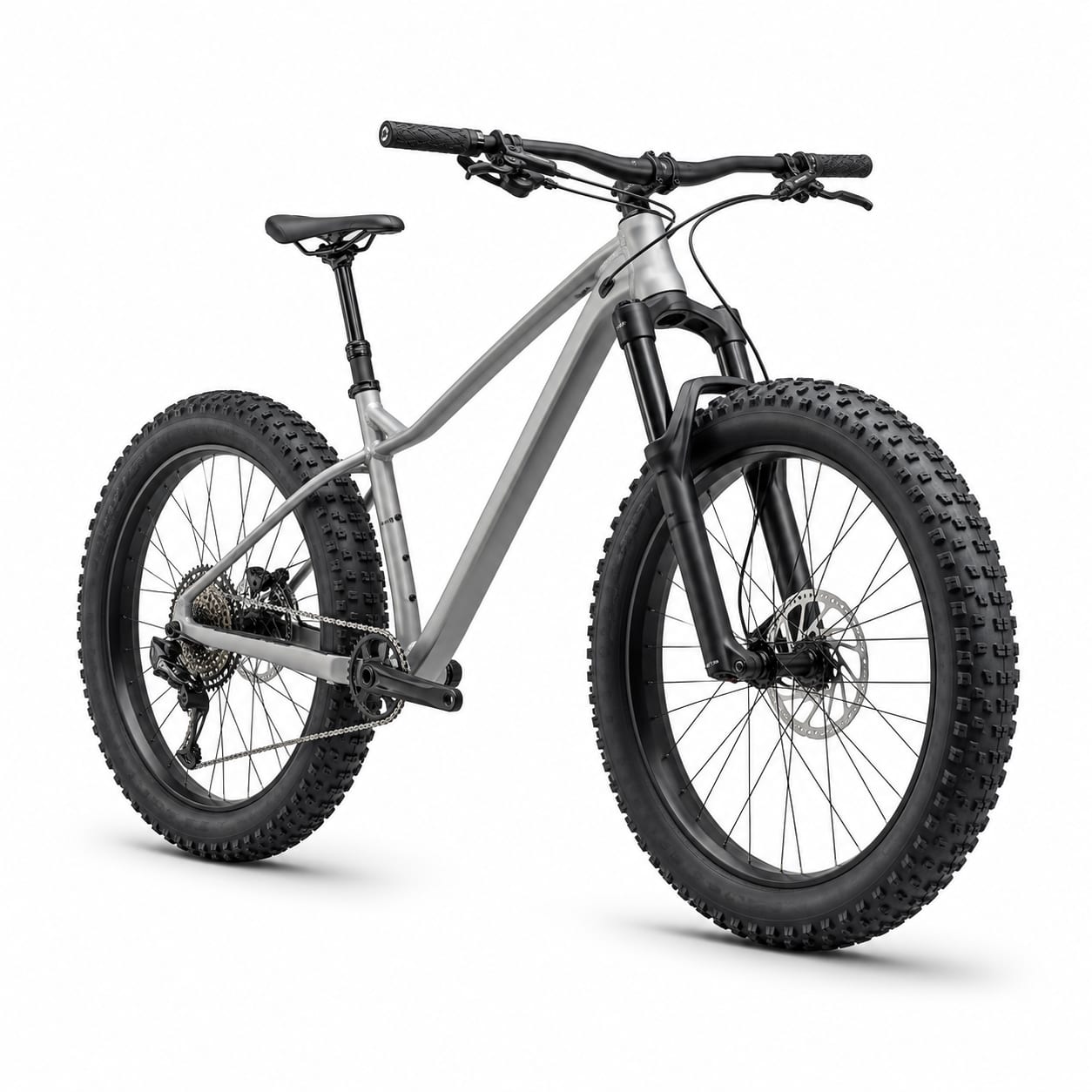
6 topics
Pick a question
Every answer links to the full subcategory guide and related gear types when it helps you decide.
Are plus bikes still worth buying in 2024?
Yes, if your riding involves loose, sandy, or soft terrain where traction is the limiting factor. The plus format remains one of the most capable solutions for decomposed granite, sandy soils, wet roots, and light snow. The market has contracted, but the bikes themselves are excellent. Used plus bikes offer exceptional value, and tire selection in 2.8" has actually improved with options from Maxxis, Schwalbe, and Terrene. If you ride hardpack or smooth trails primarily, a standard trail bike is the better choice.
Read answer →02What pressure should I run in plus tires?
Most riders find the sweet spot between 12–18 psi, depending on rider weight, terrain, and tire casing. Start at 14 psi front / 15 psi rear for a 75kg rider and adjust from there. Too low (below 10 psi) risks rim damage and tire burping. Too high (above 20 psi) negates the traction and comfort benefits. Use a digital gauge—plus tires are so volume-rich that squeezing them is unreliable for pressure estimation. Front tire can typically run 1–2 psi lower than rear.
Read answer →03Can I put standard tires on a plus bike frame?
Many plus bike frames can accommodate standard 27.5" tires (2.3–2.5"), but check the manufacturer's specifications first. Some frames have minimum tire width recommendations for proper rim protection, and the wide rims (35–50mm internal) designed for plus tires don't pair well with narrow tires. If you want to switch, you may need a second wheelset with narrower rims (25–30mm internal) for optimal performance. Some frames feature adjustable geometry chips that optimize handling for either plus or standard wheel setups.
Read answer →04Why did plus bikes lose popularity?
Several factors converged: standard trail bikes adopted wider tires (2.4–2.5") that approached plus-level traction for many riders; the weight and rolling resistance penalties of plus wheels were significant; some riders found the tall tire feel vague at lean angles; and the industry moved toward 29er dominance for trail and enduro categories. The plus format didn't fail—it was simply more niche than initially projected. Riders in loose terrain regions still benefit enormously from plus tires, but the format isn't the universal upgrade that some marketing suggested.
Read answer →05Is 27.5+ the same as 29er?
A 27.5" rim with a 2.8" plus tire creates an overall wheel diameter very close to a 29" wheel with a standard tire—approximately 29" in total. This is why the 27.5+ format was initially called '27.5+ = 29' by some brands. However, the ride feel is different: the 27.5+ wheel has more air volume, a wider contact patch, and different flex characteristics. The rollover ability is similar, but the traction, cushioning, and handling feel are distinctly plus-like rather than 29er-like.
Read answer →06What's the best plus tire for general trail riding?
The Maxxis Rekon+ 2.8" is widely considered the best all-around plus tire for its balance of rolling speed, cornering grip, and reasonable weight. The Schwalbe Nobby Nic 2.8" is another strong option with excellent all-conditions performance. For more aggressive terrain, the Maxxis Minion DHF/DHR II combo in 2.8" provides maximum grip at the cost of rolling speed. Choose the EXO or SuperGravity casing for durability—plus tires at low pressures stress sidewalls more than standard tires.
Read answer →