
Several factors converged: standard trail bikes adopted wider tires (2.4–2.5") that approached plus-level traction for many riders; the weight and rolling resistance penalties of plus wheels were significant; some riders found the tall tire feel vague at lean angles; and the industry moved toward 29er dominance for trail and enduro categories. The plus format didn't fail—it was simply more niche than initially projected. Riders in loose terrain regions still benefit enormously from plus tires, but the format isn't the universal upgrade that some marketing suggested.
Mountain Bike · Plus Bike
Why did plus bikes lose popularity?
Related gear types
If this answer nudged you toward a different style, these guides compare specs and trade-offs.
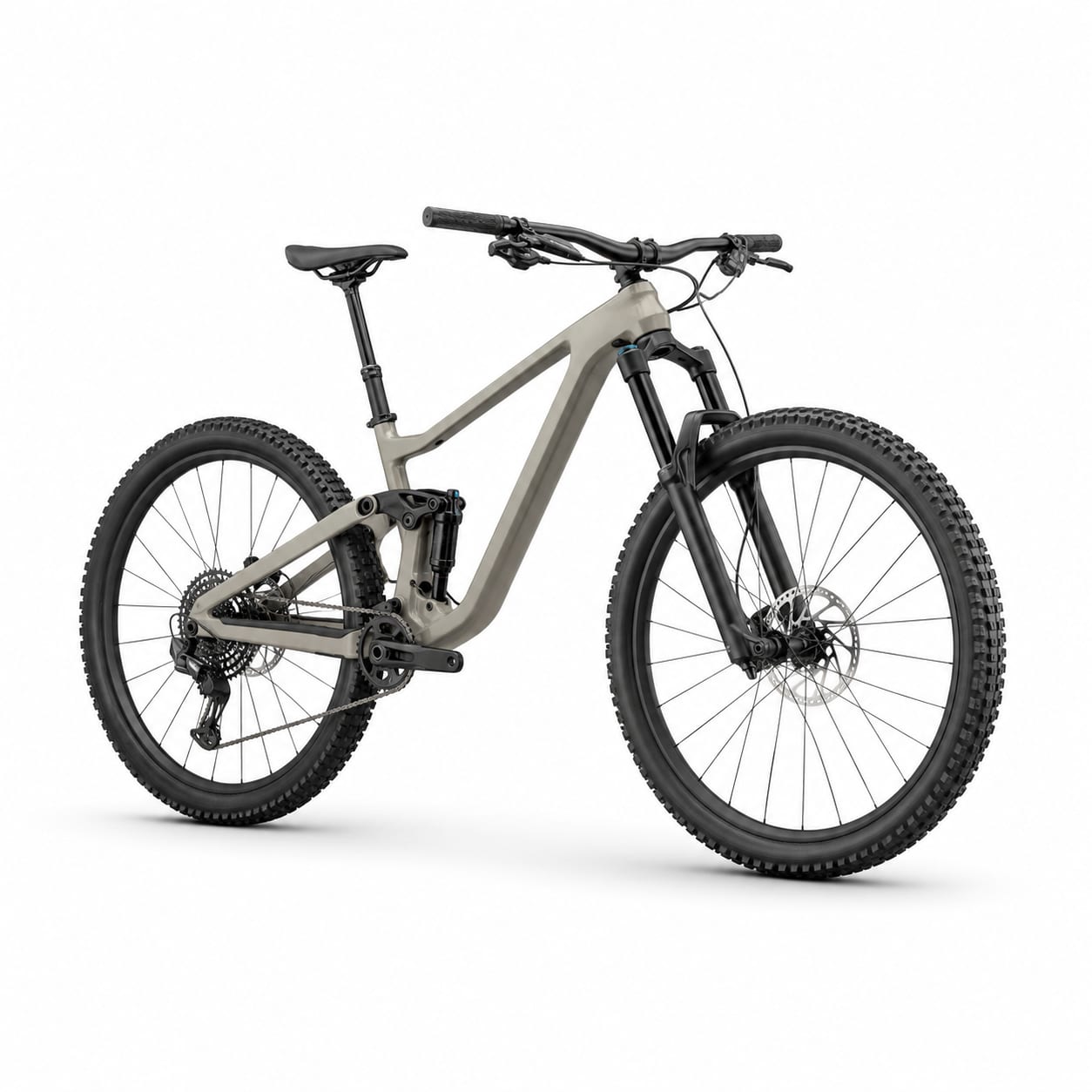
Trail Mountain Bike
$1200 – $13000
Versatile all-around mountain bikes balanced for climbing and descending on varied trail terrain.
130-150mm suspension travelbalanced geometry (65-67° head tube)mid-width tires (2.3-2.5")
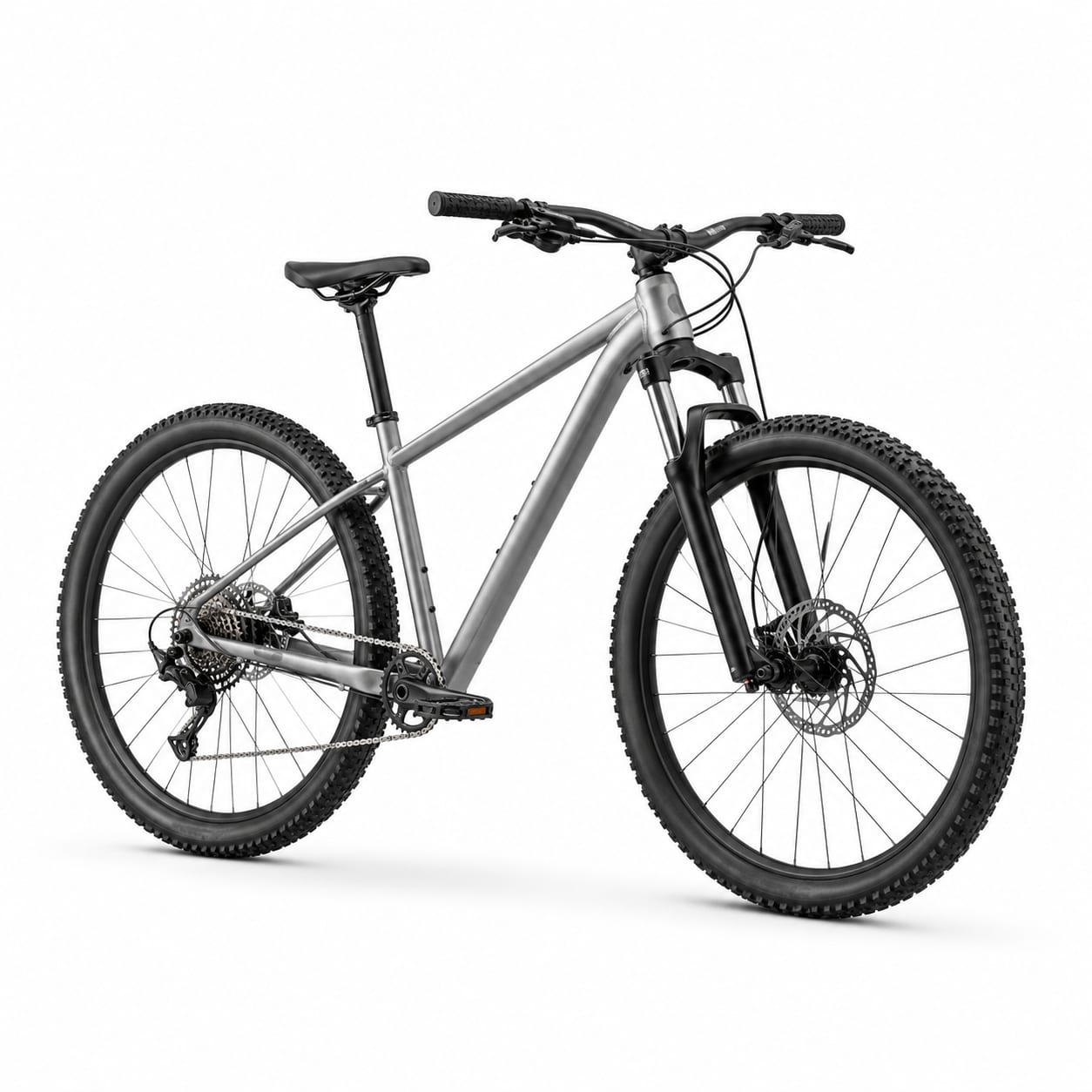
Hardtail Mountain Bike
$400 – $9000
Mountain bikes with front suspension only, offering simplicity, low weight, and value for less technical terrain.
front suspension only (100-140mm)no rear suspensionlighter at same price point
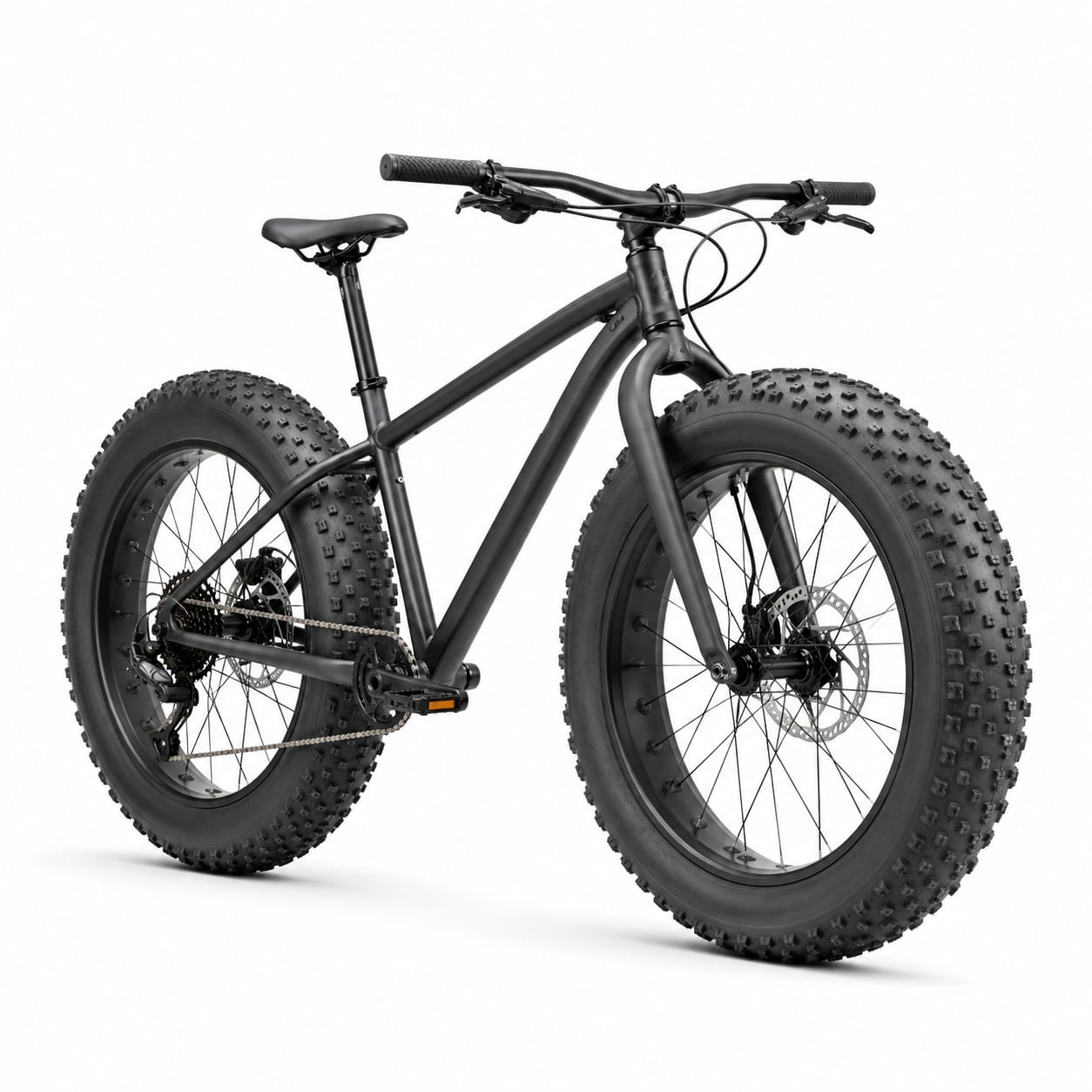
Fat Bike
$600 – $6000
Mountain bikes with ultra-wide tires (3.7"+) designed for flotation on sand, snow, and loose terrain.
3.7-5.0" wide tireswide hub spacing (150-197mm)low tire pressure (5-15 psi)
More questions
- Are plus bikes still worth buying in 2024?
- What pressure should I run in plus tires?
- Can I put standard tires on a plus bike frame?
- Is 27.5+ the same as 29er?