
Road Bike · FAQ
Questions about Gravel Bike
Straight answers on fit, specs, and when this type makes sense — each topic has its own page with links back to the buying guide.
Open Gravel Bike guide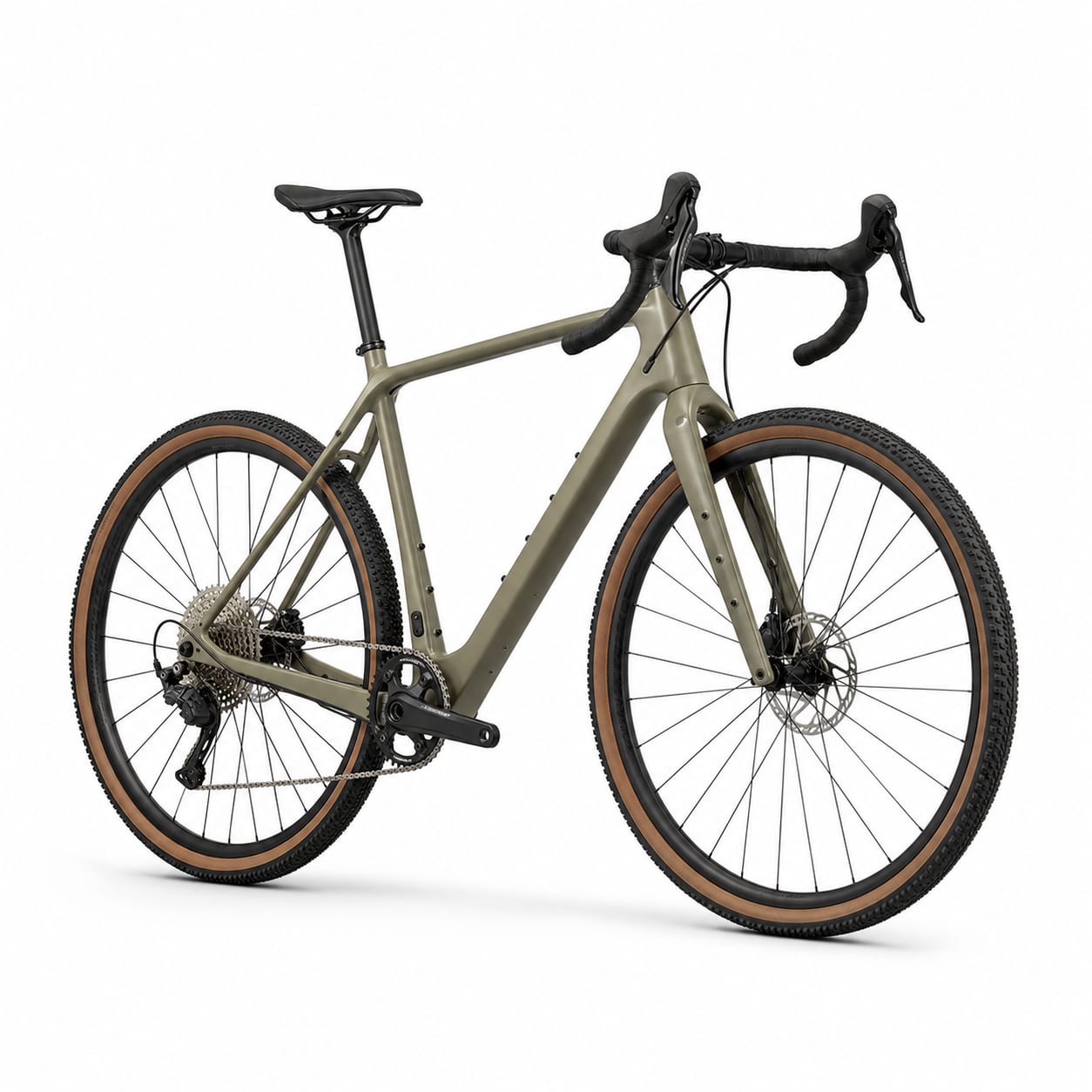
6 topics
Pick a question
Every answer links to the full subcategory guide and related gear types when it helps you decide.
Can I ride a gravel bike on the road?
Absolutely. Gravel bikes are efficient on pavement, especially with road-oriented tires mounted. You'll be slightly slower than on a pure road bike due to wider tires and more upright position, but the difference is modest at recreational speeds. Many gravel riders maintain a second wheelset with road tires for paved days, which narrows the performance gap significantly.
Read answer →02What tire width should I run on my gravel bike?
For general mixed-surface riding, 38–42mm is the sweet spot — fast enough on road and capable on most gravel. For rougher terrain and bikepacking, go 45–50mm. If you ride mostly paved roads with occasional gravel, 35–38mm works well. Run the widest tire your frame clears for maximum comfort and capability — you can always run lower pressures rather than narrower tires.
Read answer →03Should I choose 1x or 2x drivetrain for gravel?
1x is simpler, lighter, and provides better chain retention on rough terrain — ideal if you ride mostly off-road. 2x offers tighter gear steps and a wider overall range, which matters if you spend significant time on paved roads or have very steep climbs and fast descents in the same ride. If unsure, 2x is the safer choice for versatility; you can always go 1x on your next bike.
Read answer →04Do I need suspension on a gravel bike?
Most gravel riders don't need suspension — wide tires at low pressures provide excellent bump absorption. Some gravel bikes offer micro-suspension (like the Specialized Future Shock or Trek IsoSpeed) that adds comfort without the weight and complexity of a suspension fork. True suspension forks add significant weight and are only worthwhile if you regularly ride very rough terrain that exceeds what tires can absorb.
Read answer →05How does a gravel bike differ from an endurance road bike?
The key differences are tire clearance (40–50mm vs 32–35mm), geometry (slacker angles and longer wheelbase for stability), mounting derailleurs and wider-range gearing). An endurance road bike is faster on pavement; a gravel bike can actually ride off-road. If you never leave pavement, endurance road is the better choice.
Read answer →06Is a gravel bike a good first road bike?
For many riders, yes. The comfortable geometry, stable handling, and ability to explore beyond paved roads make gravel bikes excellent first bikes. They're forgiving of rough roads and rider mistakes, and they don't lock you into one type of riding. The main downside is weight and cost — you can get a lighter road bike for the same price if you don't need off-road capability.
Read answer →