
For general mixed-surface riding, 38–42mm is the sweet spot — fast enough on road and capable on most gravel. For rougher terrain and bikepacking, go 45–50mm. If you ride mostly paved roads with occasional gravel, 35–38mm works well. Run the widest tire your frame clears for maximum comfort and capability — you can always run lower pressures rather than narrower tires.
Road Bike · Gravel Bike
What tire width should I run on my gravel bike?
Related gear types
If this answer nudged you toward a different style, these guides compare specs and trade-offs.
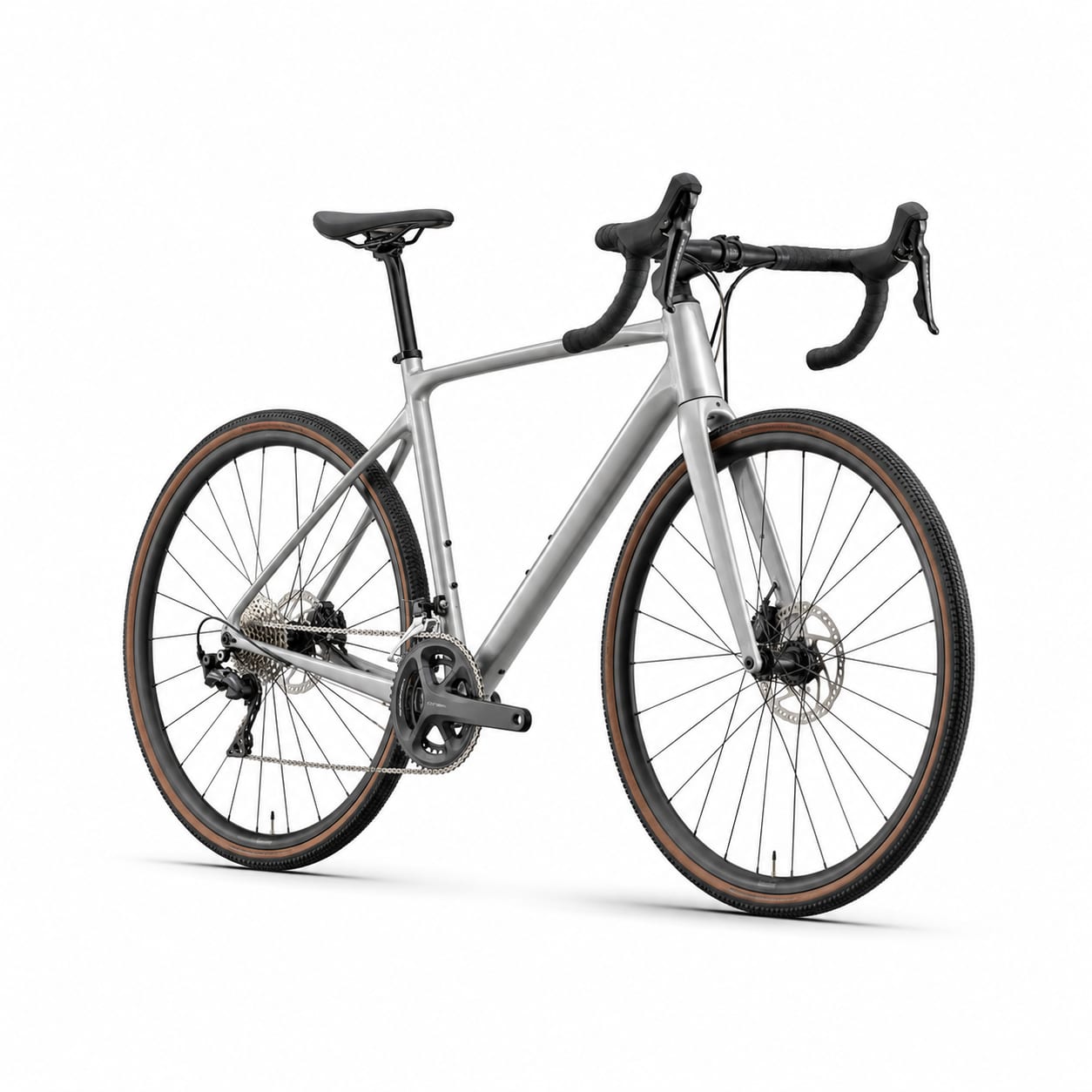
All-Road Bike
$1000 – $10000
Road bikes with moderate off-pavement capability bridging endurance and gravel categories.
Moderate tire clearance (32-38mm)Road-oriented handlingDisc brakes
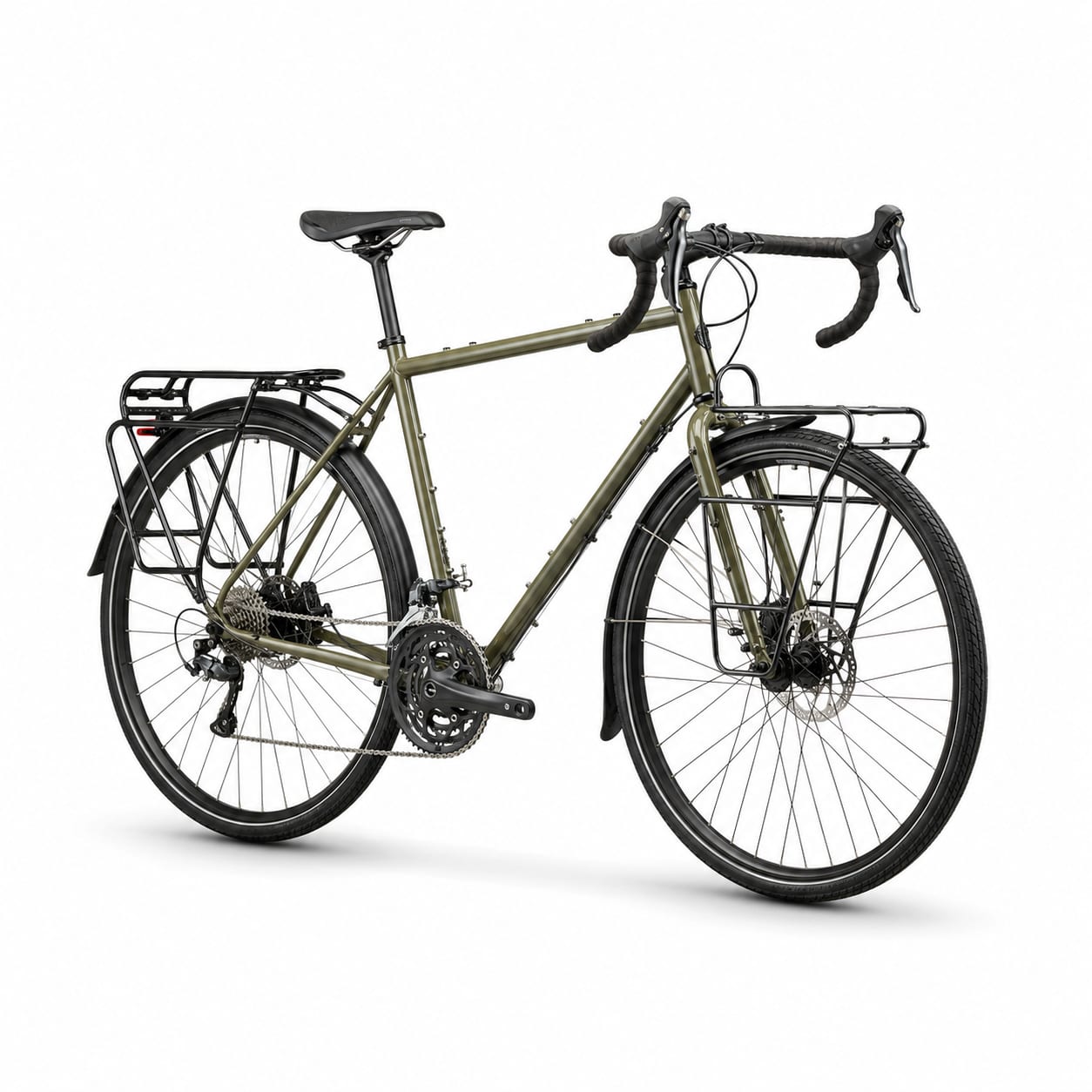
Touring Road Bike
$800 – $6000
Heavy-duty road bikes built for loaded long-distance touring with extensive cargo capacity.
Extensive mounting pointsStable loaded geometryDurable components
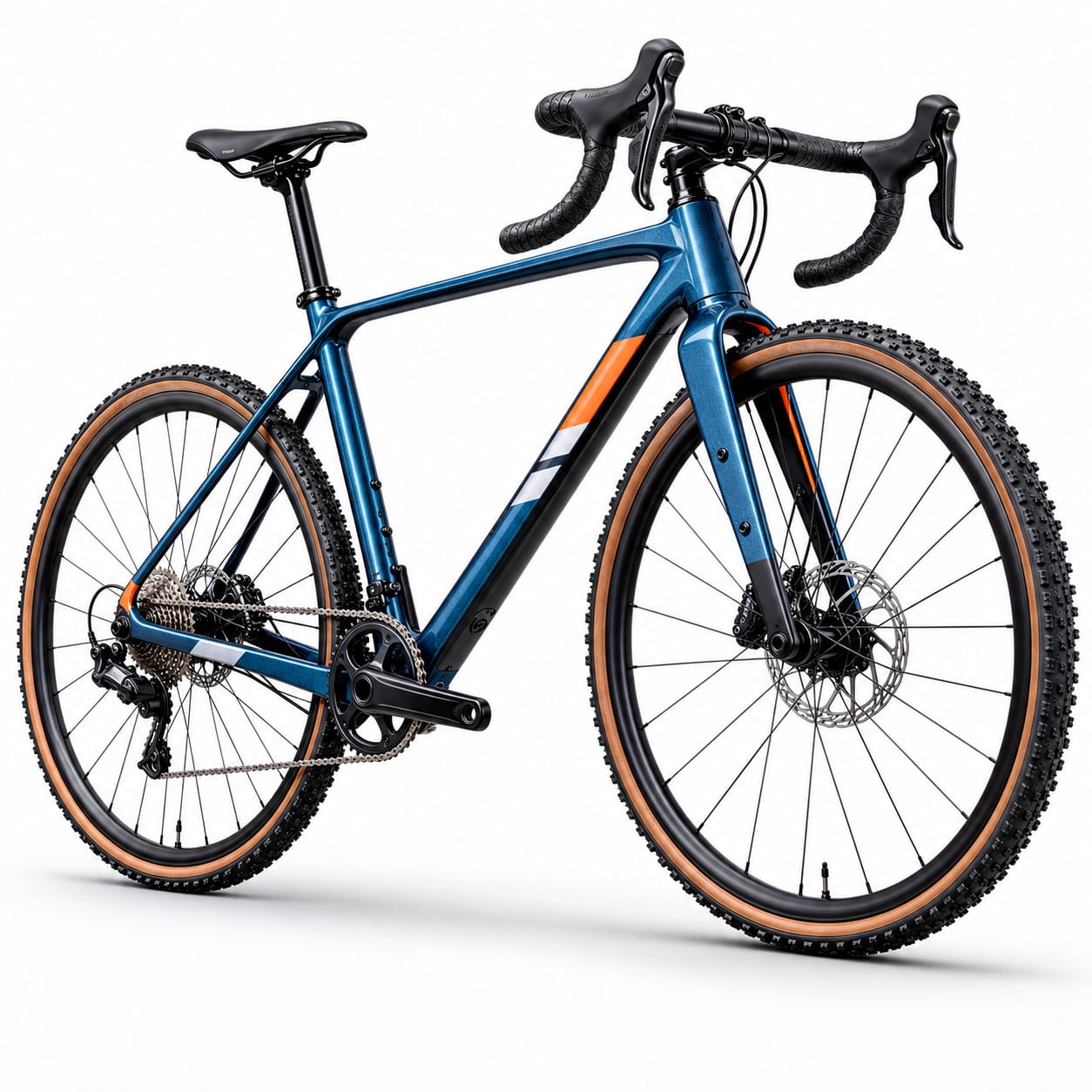
Cyclocross Bike
$1000 – $8000
Drop-bar bikes purpose-built for cyclocross racing with mud clearance and shouldering-friendly design.
Aggressive race geometryMud-specific tire clearanceShouldering-friendly frame
More questions
- Can I ride a gravel bike on the road?
- Should I choose 1x or 2x drivetrain for gravel?
- Do I need suspension on a gravel bike?
- How does a gravel bike differ from an endurance road bike?