
Road Bike · FAQ
Questions about Track Bike
Straight answers on fit, specs, and when this type makes sense — each topic has its own page with links back to the buying guide.
Open Track Bike guide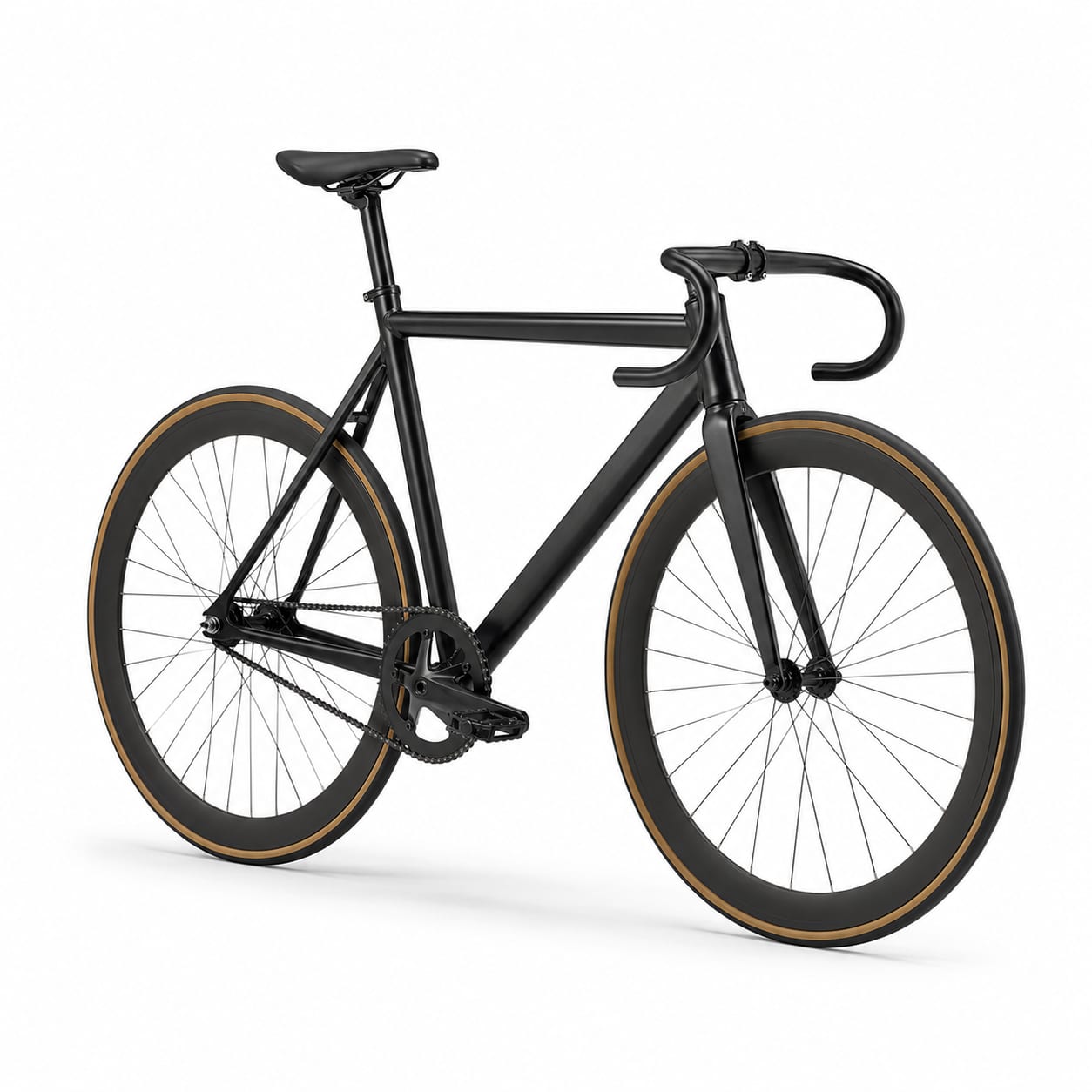
6 topics
Pick a question
Every answer links to the full subcategory guide and related gear types when it helps you decide.
Can I ride a track bike on the road?
No. Track bikes have no brakes, which makes them illegal on public roads in most jurisdictions and extremely dangerous in traffic. Even if you add a front brake, the fixed gear, aggressive geometry, and minimal tire clearance make track bikes poorly suited for road use. If you want a fixed-gear experience on the road, purchase a dedicated street fixie with at least a front brake, more relaxed geometry, and wider tire clearance.
Read answer →02How do you stop a track bike without brakes?
Track bikes are slowed by resisting the forward rotation of the cranks with leg pressure — essentially pushing backward against the pedals. For gradual deceleration, riders simply reduce power and let the drivetrain slow them. For quicker stops, riders apply back-pressure to slow the rear wheel. In the velodrome, riders also use the banking to scrub speed by riding up the slope. Coming to a complete stop requires significant back-pressure and sometimes briefly skidding the rear wheel. This technique takes practice to master and is one of the key skills taught in track certification courses.
Read answer →03What gear ratio should I use on a track bike?
Gear ratio selection depends on the event, rider strength, and track configuration. Beginners should start with a moderate ratio around 48/15 (approximately 84 gear inches) which provides a balance of acceleration and top speed. Sprinters typically use larger gears (49–54 teeth chainring with 13–15 tooth cog) for maximum top-end speed. Endurance riders may prefer slightly smaller gears for higher cadence efficiency. Most track riders own multiple chainrings and cogs to adjust for different events. Your gear ratio is one of the few tunable variables on a track bike, so experimentation is essential.
Read answer →04Do I need a special bike for track cycling, or can I convert my road bike?
You need a proper track bike. Road bikes cannot be safely converted for velodrome use — they have the wrong geometry (especially bottom bracket height), brakes that are not permitted, and horizontal dropouts are needed for proper chain tension on a fixed gear. Most velodromes will not allow road bikes on the track. Many velodromes offer rental track bikes for beginners, which is the best way to start before making a purchase.
Read answer →05Why is the bottom bracket higher on a track bike?
Track bikes have higher bottom brackets (lower BB drop, typically 55–62mm versus 65–75mm for road bikes) to prevent pedal strike on the steeply banked turns of a velodrome. When a rider leans into a banked turn at 45° or more, the inside pedal comes very close to the track surface. A higher bottom bracket provides the necessary clearance to keep pedaling through the banking without the pedal hitting the surface, which would cause an immediate crash. This is a safety-critical design feature unique to track bikes.
Read answer →06Is track cycling good training for road cycling?
Yes, many coaches and professional riders consider track training extremely beneficial for road cycling. The fixed gear develops a smooth, efficient pedal stroke and high cadence ability. The intensity of track training improves sprint power, anaerobic capacity, and bike handling skills. The structured environment of the velodrome allows precise interval training without traffic or terrain variables. Many WorldTour professionals, including several Tour de France winners, have strong track cycling backgrounds. However, track training should complement, not replace, road-specific training for road racing goals.
Read answer →