
Ski Balaclava · FAQ
Questions about Full Face Balaclava
Straight answers on fit, specs, and when this type makes sense — each topic has its own page with links back to the buying guide.
Open Full Face Balaclava guide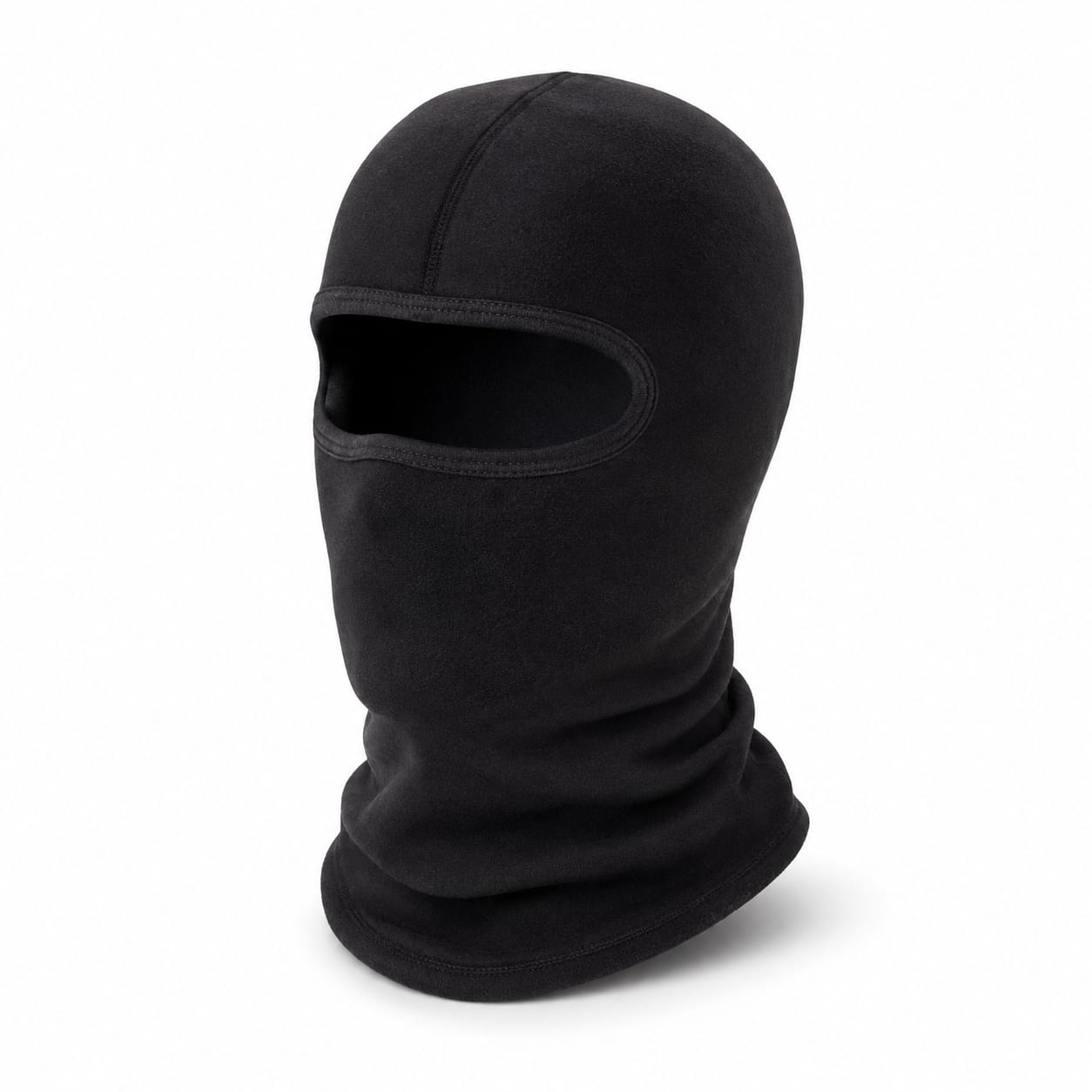
6 topics
Pick a question
Every answer links to the full subcategory guide and related gear types when it helps you decide.
Will a full face balaclava make my goggles fog?
It can, but modern designs with breath management features dramatically reduce fogging. Look for models with mesh breath zones or directed exhaust channels that route exhaled breath downward away from your goggles. Without these features, fogging is likely. Also ensure your goggles have good ventilation and aren't too tight against the balaclava fabric, which blocks airflow. If fogging persists, try a model with an open nose design that allows breath to escape naturally.
Read answer →02How do I prevent the claustrophobic feeling of a full face balaclava?
Start by choosing a model with 4-way stretch that conforms to your face without feeling tight. Wear it around the house for 20–30 minutes before your trip to acclimate. Focus on breathing through your nose rather than your mouth, which reduces the sensation of restricted airflow. If claustrophobia is a significant concern, consider a convertible model that you can pull down when the feeling becomes uncomfortable, or a half-face balaclava that leaves the nose exposed.
Read answer →03Can I eat and drink while wearing a full face balaclava?
Not easily — the fabric covering your mouth makes it impractical to eat or drink without pulling the balaclava down. For quick sips from a hydration tube, some riders can maneuver the tube under the fabric at the chin, but this is awkward and can break the seal. For eating on the lift, you'll need to pull the balaclava down to your chin. This is one of the main practical disadvantages of the full face design and a reason some riders prefer convertible styles.
Read answer →04What temperature warrants using a full face balaclava?
Most riders find a full face balaclava beneficial when temperatures drop below -10°C (14°F) or when wind chill makes it feel that cold. If you're riding exposed lifts in wind, a full face balaclava can be comfortable even at -5°C. For temperatures above -5°C with low wind, most riders are more comfortable with a half-face or convertible style. If you run cold or have poor circulation, you may prefer full face at warmer temperatures. The key is matching the coverage to the conditions rather than wearing full face regardless of temperature.
Read answer →05Should I size up my helmet to accommodate a full face balaclava?
No — your helmet should fit properly with or without the balaclava. A properly fitting full face balaclava adds minimal bulk (1–3mm) and should not require a helmet size change. If your helmet feels too tight with the balaclava, the balaclava is either too thick or the helmet was already too small. Look for low-profile, helmet-optimized balaclavas with flatlock or seamless construction. A loose helmet is a safety hazard and is not the solution to balaclava bulk.
Read answer →06How do I stop my breath from freezing on the balaclava fabric?
Breath freezing on the fabric is caused by moisture condensation in extreme cold. To minimize it: choose a balaclava with active moisture-wicking fabric (polypropylene or merino wool), look for mesh breath zones that disperse moisture before it can accumulate, and avoid touching the icy fabric to your skin. Some riders carry two balaclavas on extreme cold days and swap at lunch, giving the frozen one time to dry. Applying a thin layer of anti-fog treatment to the mesh breath zone can also help.
Read answer →