
Most riders find a full face balaclava beneficial when temperatures drop below -10°C (14°F) or when wind chill makes it feel that cold. If you're riding exposed lifts in wind, a full face balaclava can be comfortable even at -5°C. For temperatures above -5°C with low wind, most riders are more comfortable with a half-face or convertible style. If you run cold or have poor circulation, you may prefer full face at warmer temperatures. The key is matching the coverage to the conditions rather than wearing full face regardless of temperature.
Ski Balaclava · Full Face Balaclava
What temperature warrants using a full face balaclava?
Related gear types
If this answer nudged you toward a different style, these guides compare specs and trade-offs.
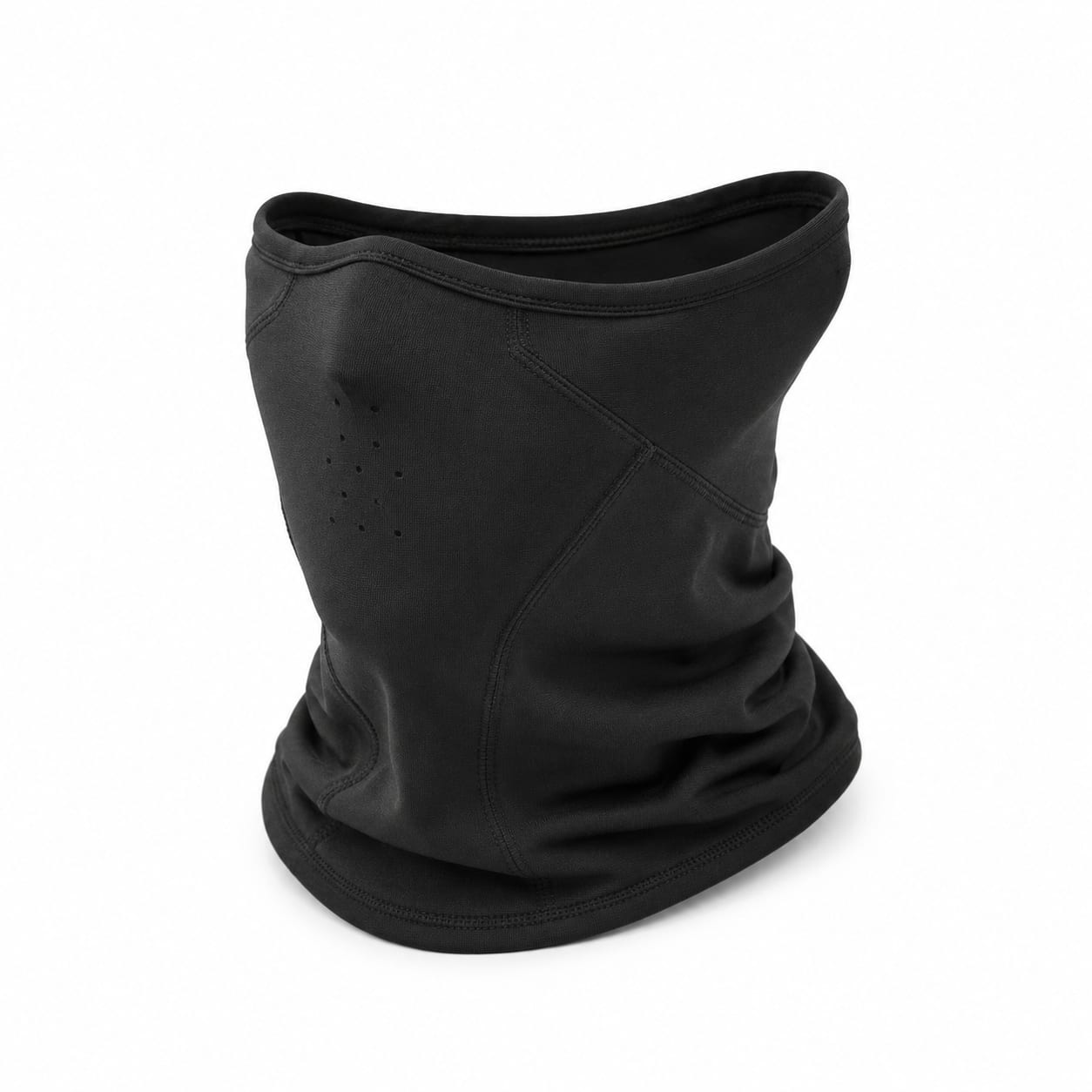
Half Face Balaclava
$10 – $40
Lower face and neck covering that leaves the top of the head exposed for helmet compatibility.
Exposes top of headCovers nose to neckHelmet-friendly
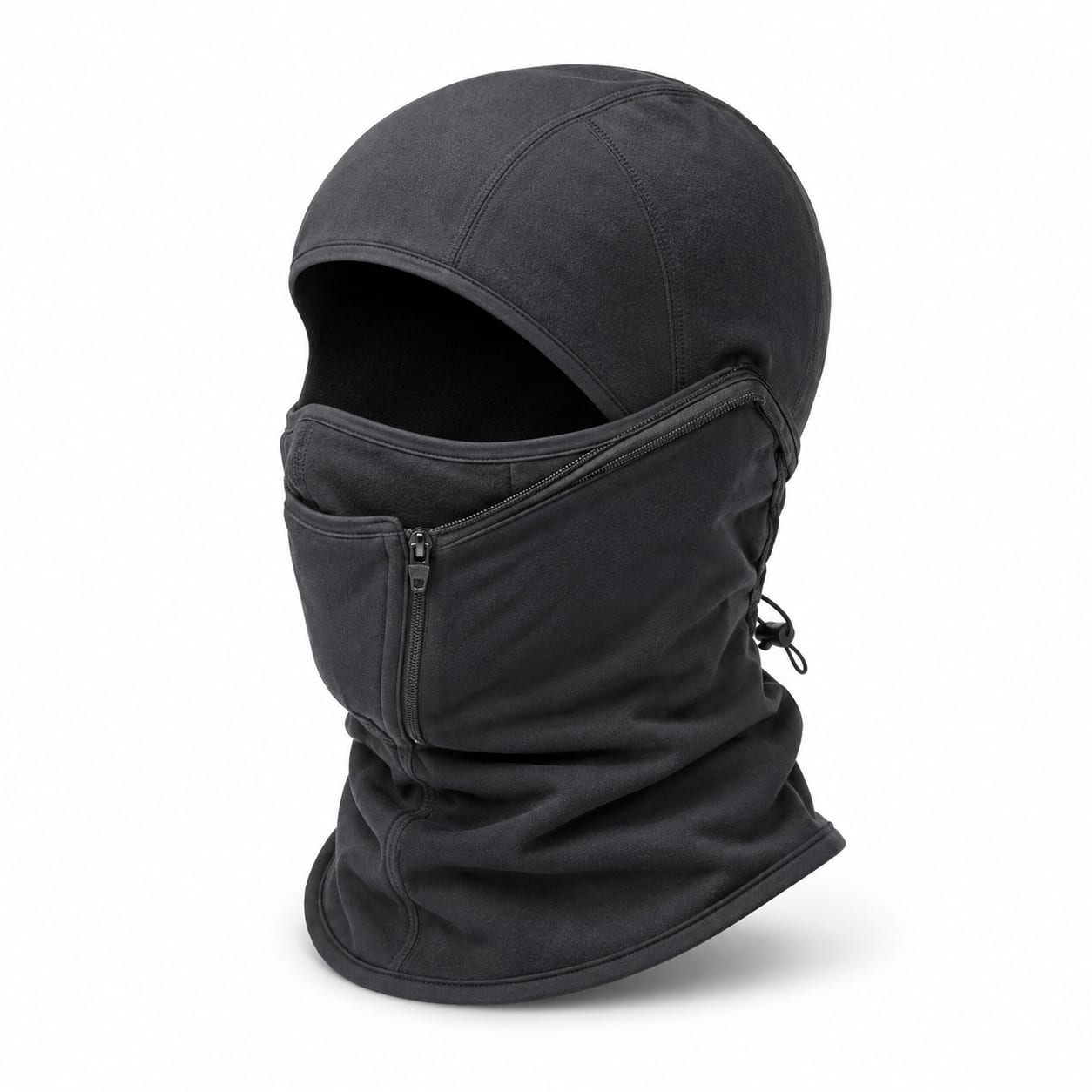
Convertible Balaclava
$20 – $65
Multi-configuration balaclava that can be worn as full face, half face, neck gaiter, or beanie.
Multiple wear configurationsHinged or zippered panelsOn-the-fly adjustment
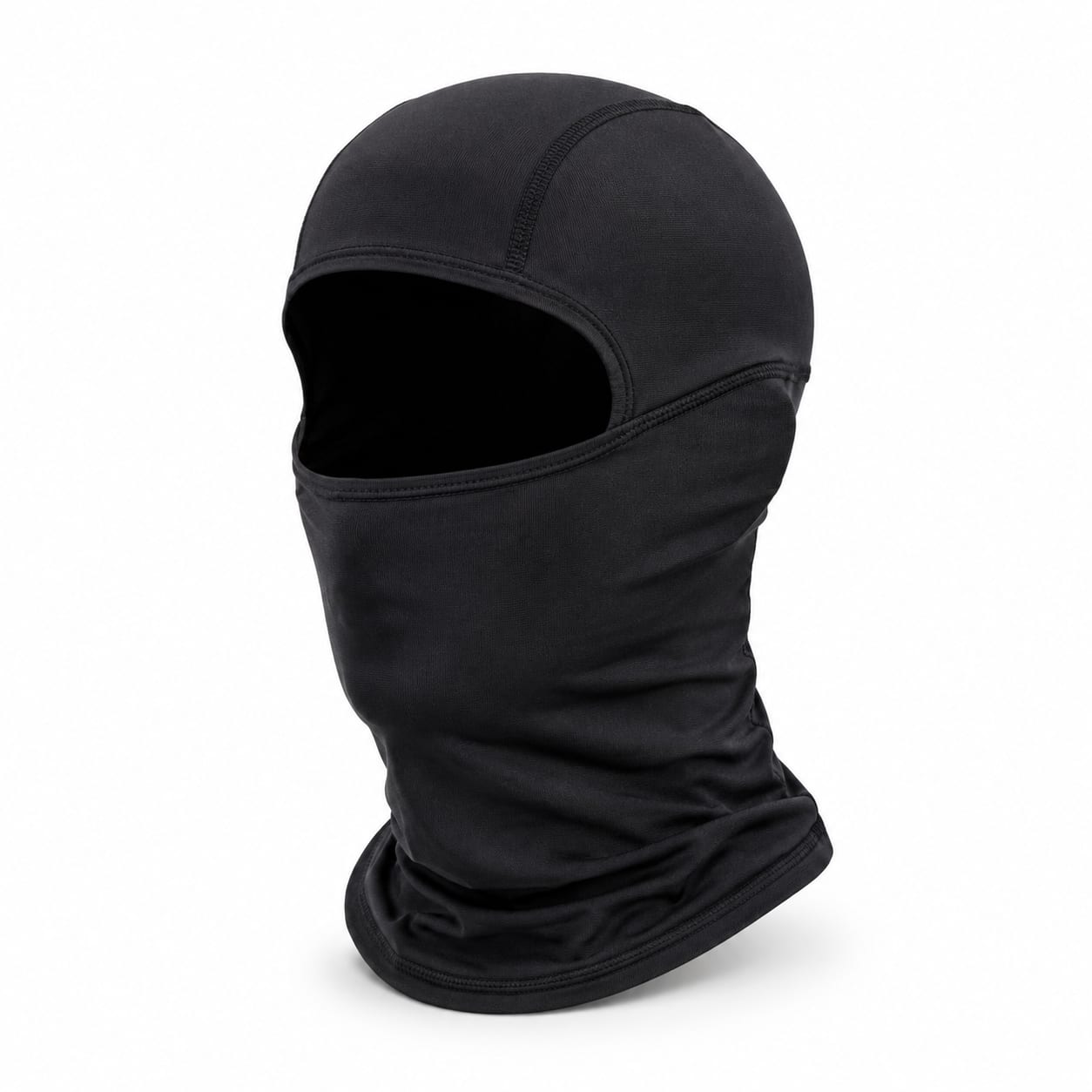
Helmet Liner Balaclava
$15 – $50
Ultra-thin balaclava engineered to fit seamlessly under a ski helmet without altering fit or comfort.
Ultra-thin constructionFlatlock seamsMoisture-wicking
More questions
- Will a full face balaclava make my goggles fog?
- How do I prevent the claustrophobic feeling of a full face balaclava?
- Can I eat and drink while wearing a full face balaclava?
- Should I size up my helmet to accommodate a full face balaclava?