
Ski Balaclava · FAQ
Questions about Half Face Balaclava
Straight answers on fit, specs, and when this type makes sense — each topic has its own page with links back to the buying guide.
Open Half Face Balaclava guide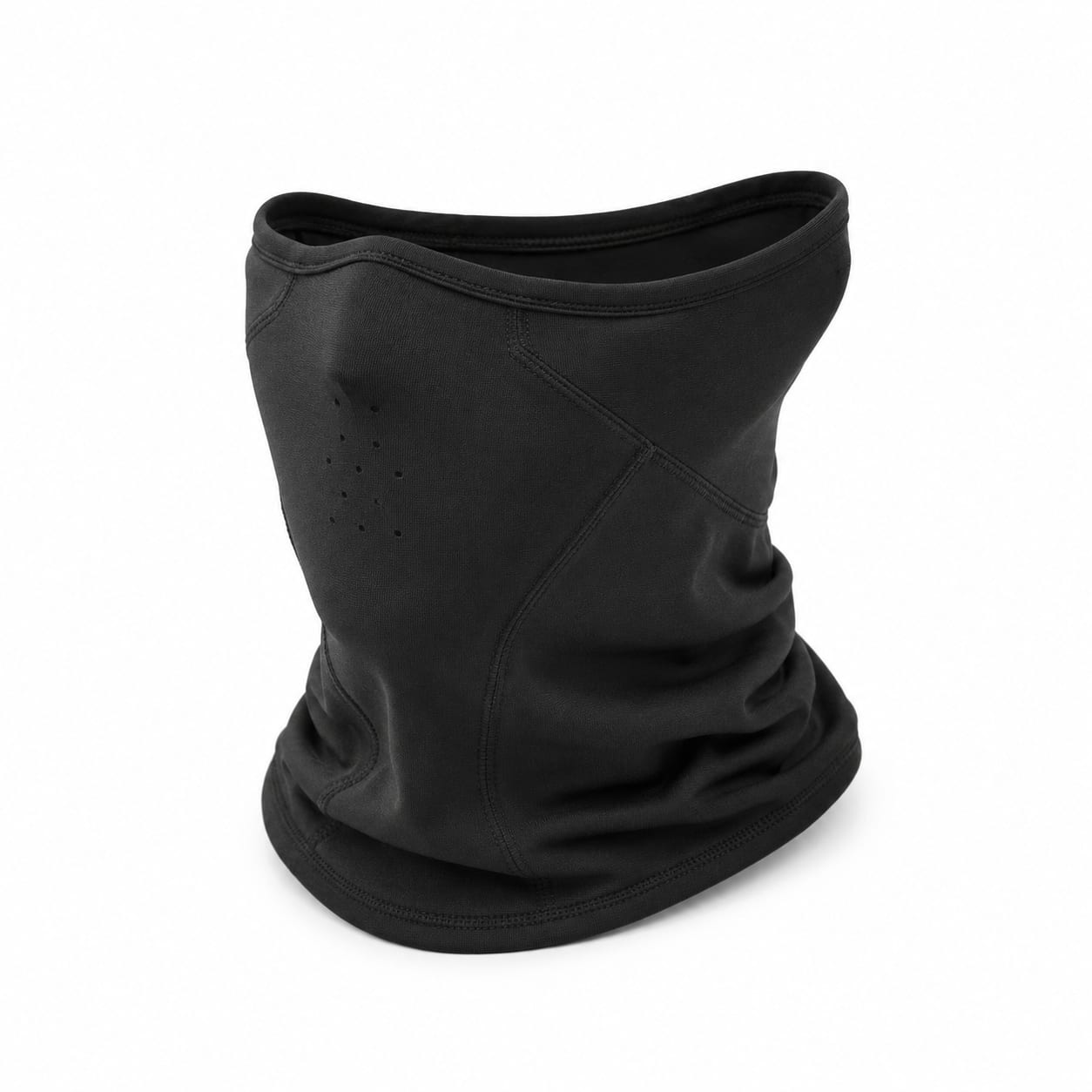
6 topics
Pick a question
Every answer links to the full subcategory guide and related gear types when it helps you decide.
Will my nose get cold with a half face balaclava?
In temperatures above roughly -10°C (14°F), most riders find their nose stays comfortable because the surrounding fabric and helmet retain enough heat. Below -10°C, the exposed nose can feel cold, especially on windy chairlift rides. You can apply a thin layer of Vaseline or a dedicated cold-weather face balm to the nose for insulation, or switch to a full-face or convertible model for very cold days.
Read answer →02Does a half face balaclava prevent goggle fogging?
It significantly reduces goggle fogging compared to full-face designs because exhaled breath escapes directly into the air rather than being directed upward through fabric toward the goggle lens. However, fogging can still occur from forehead sweat, poor goggle ventilation, or rapid temperature changes (like entering a lodge). The half face design addresses the most common cause of fogging—breath moisture—but is not a complete solution for all fogging scenarios.
Read answer →03Can I wear a half face balaclava with a neck gaiter for extra coverage?
Yes, this is a popular combination for riders who want the breathability of a half face design with the option of pulling a neck gaiter up over their nose and mouth during cold chairlift rides. The balaclava provides the base layer of head and neck coverage, and the gaiter adds adjustable face coverage when needed. This combination effectively creates a DIY convertible system with two simple, reliable pieces.
Read answer →04How do I keep the face opening from riding up over my nose?
This is usually a fit issue. If the balaclava is too small or lacks adequate stretch, it will naturally ride up. Try a larger size or a model with 4-way stretch. Also ensure the balaclava is properly seated below your nose when you put it on—pull it down from the bottom rather than pulling it on from the top. Some riders find that tucking the neck portion securely into their base layer prevents upward migration.
Read answer →05Is a half face balaclava warm enough for a ski trip to places like Whistler or Chamonix?
For Whistler, where winter temperatures typically range from -5°C to 5°C (23°F to 41°F), a half face balaclava is generally ideal. For Chamonix, where temperatures can drop to -20°C (-4°F) at elevation with significant wind, a half face model may be insufficient on the coldest days. If you're visiting a destination with variable conditions, consider bringing both a half face model for moderate days and a full-face or convertible model for extreme cold.
Read answer →06Can I wear glasses or sunglasses with a half face balaclava?
Yes, the half face design works well with glasses and sunglasses because there's no fabric interfering with the nose bridge or temples. This is actually one of the advantages over full-face designs, which can push glasses around or cause fogging on both goggles and glasses. If you wear prescription glasses under your goggles (OTG setup), the half face balaclava is one of the most compatible face coverage options.
Read answer →