
For Whistler, where winter temperatures typically range from -5°C to 5°C (23°F to 41°F), a half face balaclava is generally ideal. For Chamonix, where temperatures can drop to -20°C (-4°F) at elevation with significant wind, a half face model may be insufficient on the coldest days. If you're visiting a destination with variable conditions, consider bringing both a half face model for moderate days and a full-face or convertible model for extreme cold.
Ski Balaclava · Half Face Balaclava
Is a half face balaclava warm enough for a ski trip to places like Whistler or Chamonix?
Related gear types
If this answer nudged you toward a different style, these guides compare specs and trade-offs.
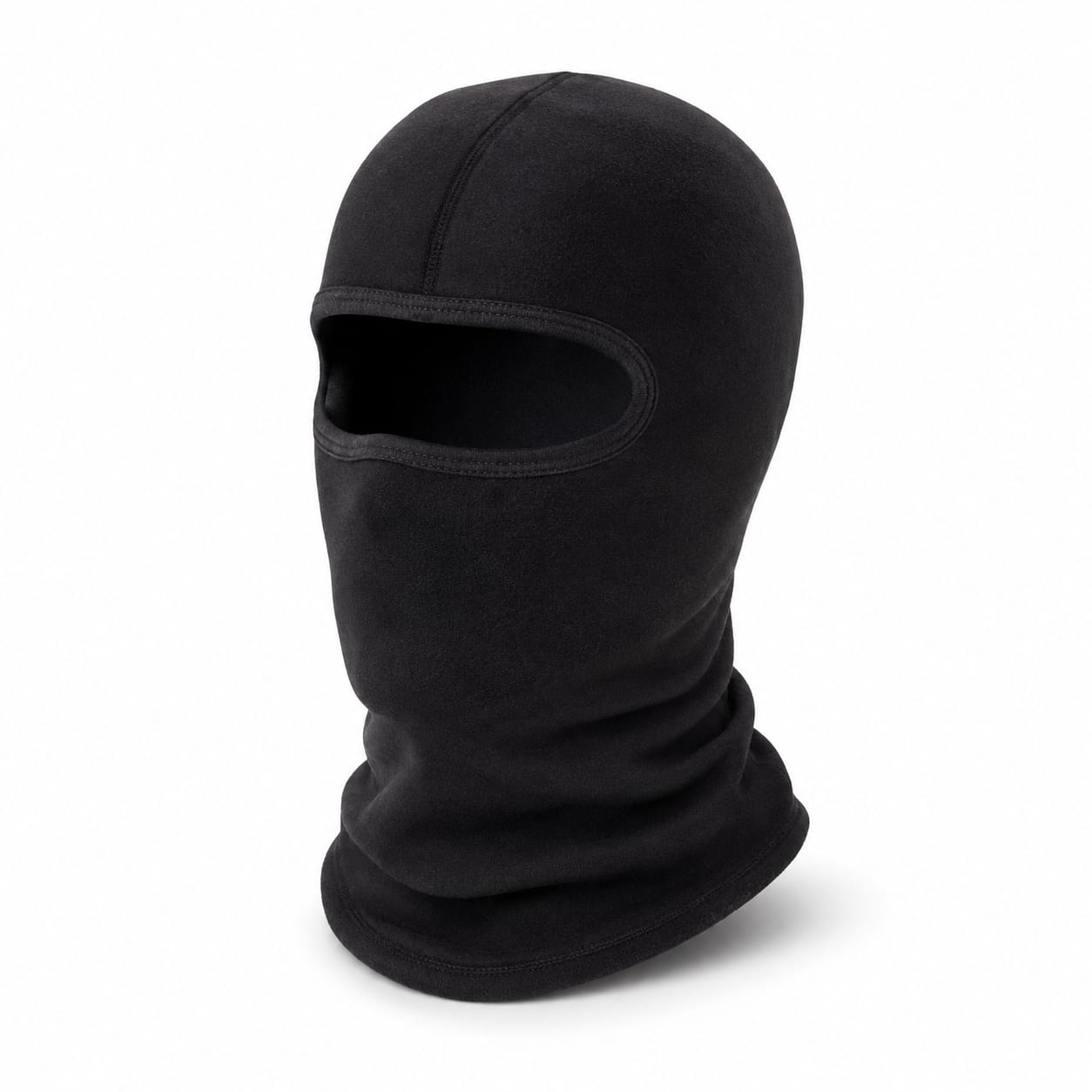
Full Face Balaclava
$12 – $55
Traditional balaclava with single eye opening providing complete head, face, and neck coverage.
Single eye openingFull head and neck coverageTucks into jacket collar
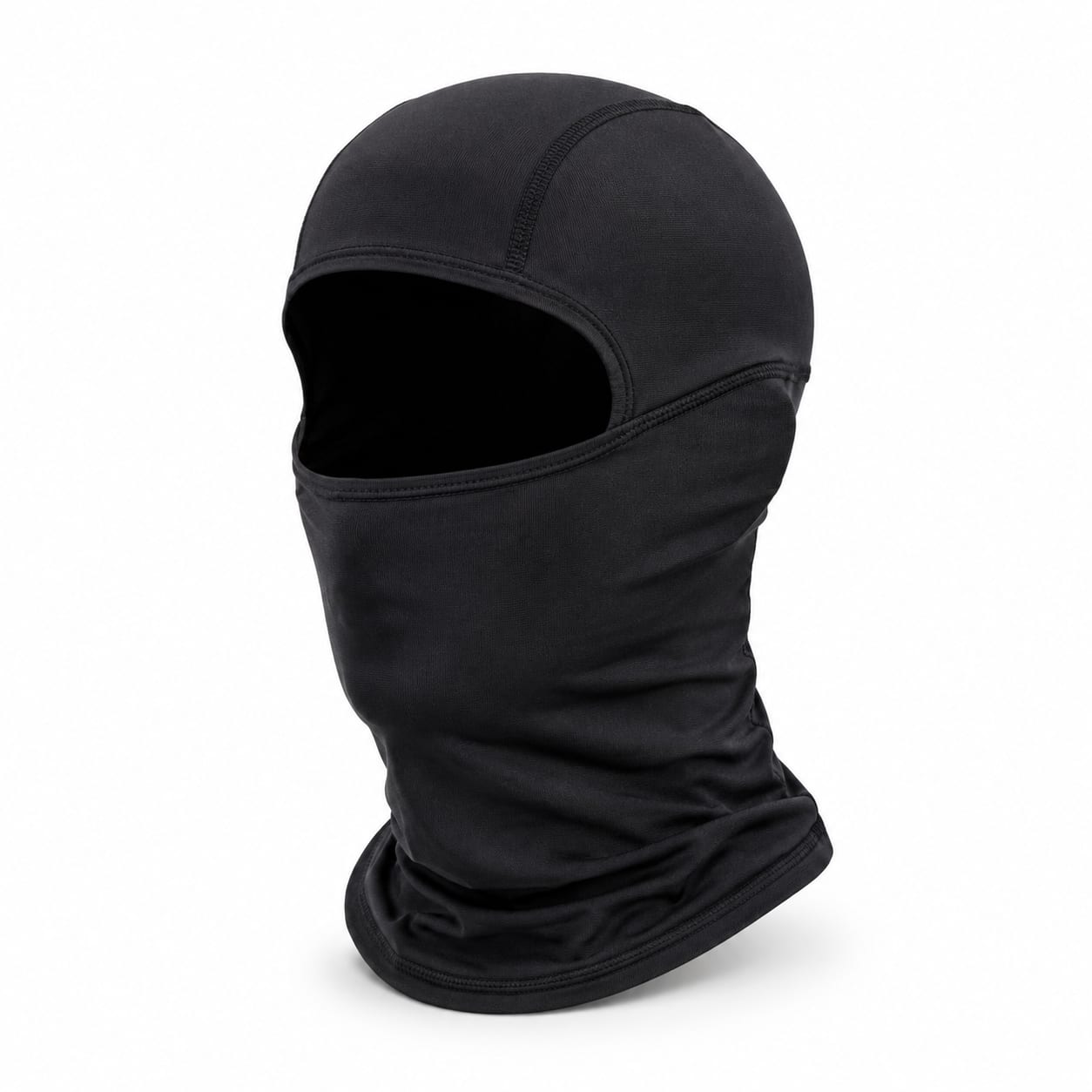
Helmet Liner Balaclava
$15 – $50
Ultra-thin balaclava engineered to fit seamlessly under a ski helmet without altering fit or comfort.
Ultra-thin constructionFlatlock seamsMoisture-wicking
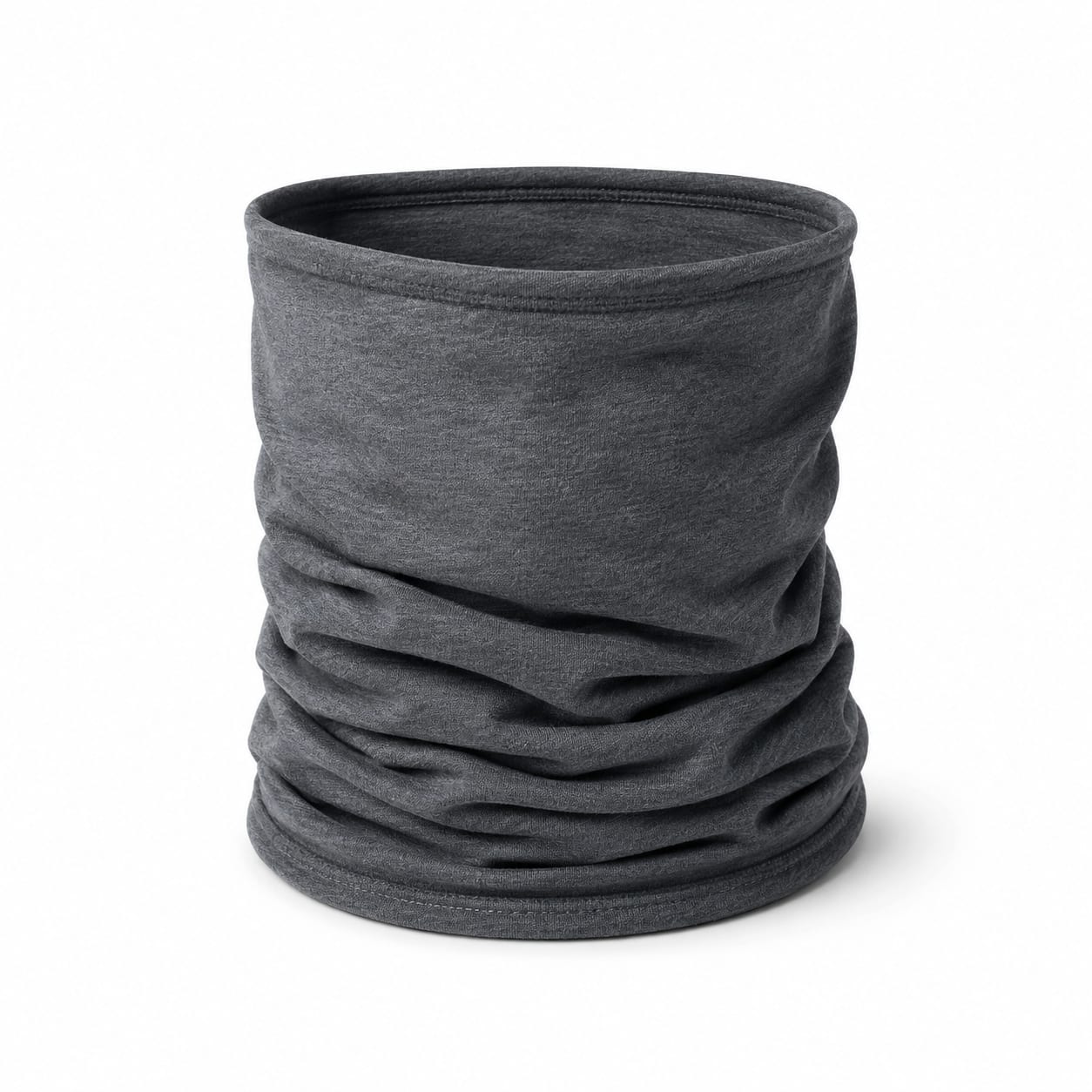
Neck Gaiter
$10 – $40
Open-ended tube of fabric worn around the neck and pulled up over the lower face as needed.
Open tube designPull-up coverageNo head coverage
More questions
- Will my nose get cold with a half face balaclava?
- Does a half face balaclava prevent goggle fogging?
- Can I wear a half face balaclava with a neck gaiter for extra coverage?
- How do I keep the face opening from riding up over my nose?