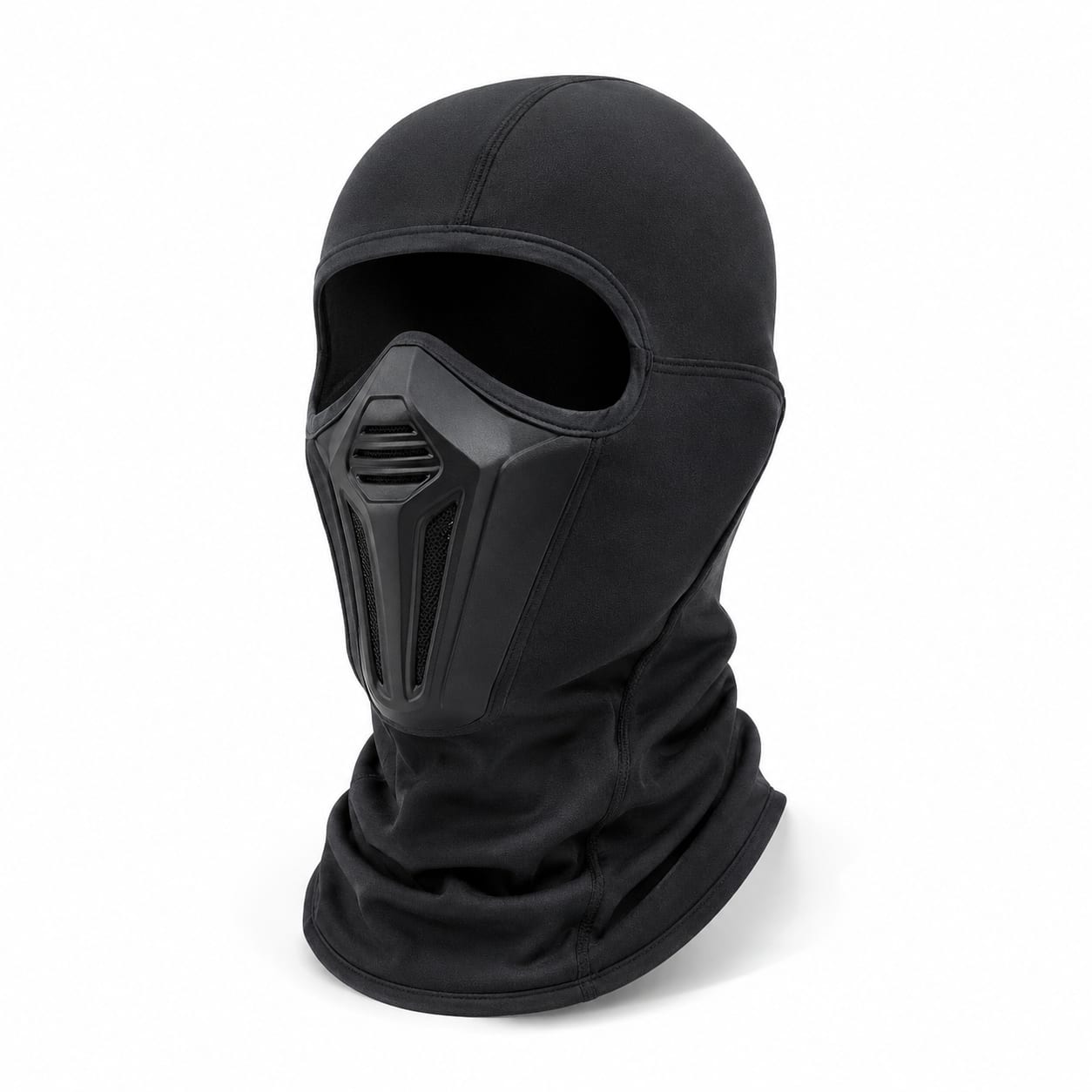
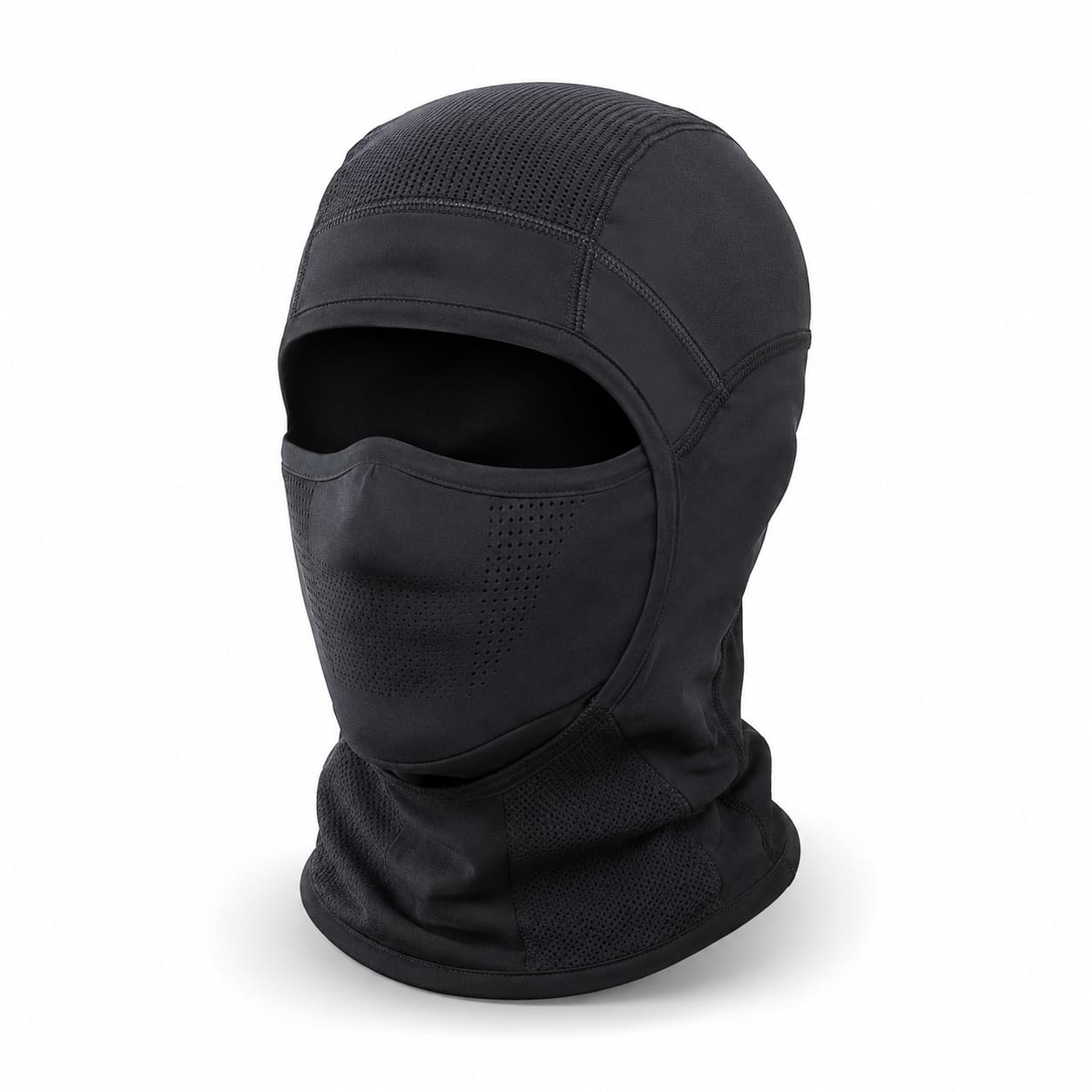
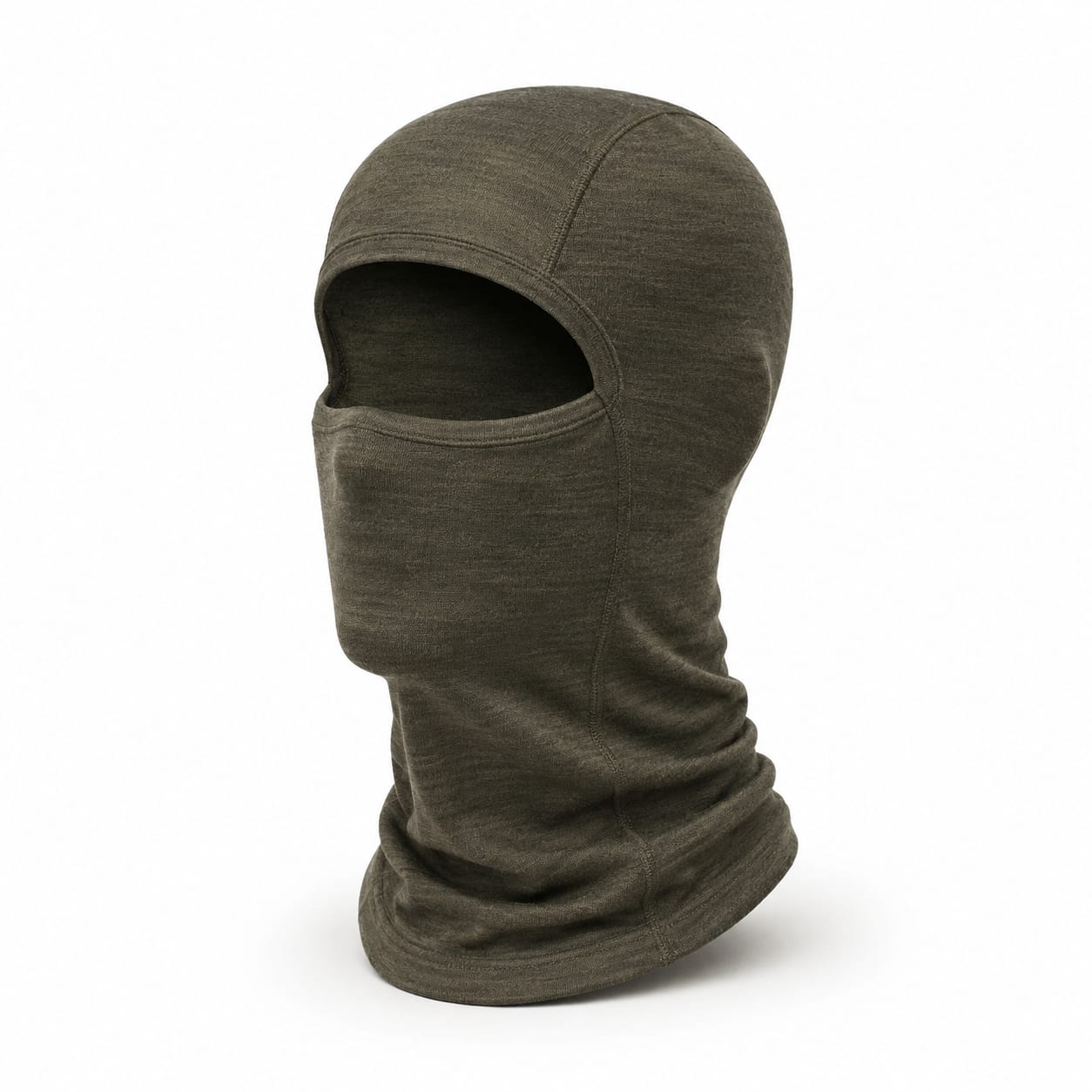
Coverage Style
Coverage Style
What it means
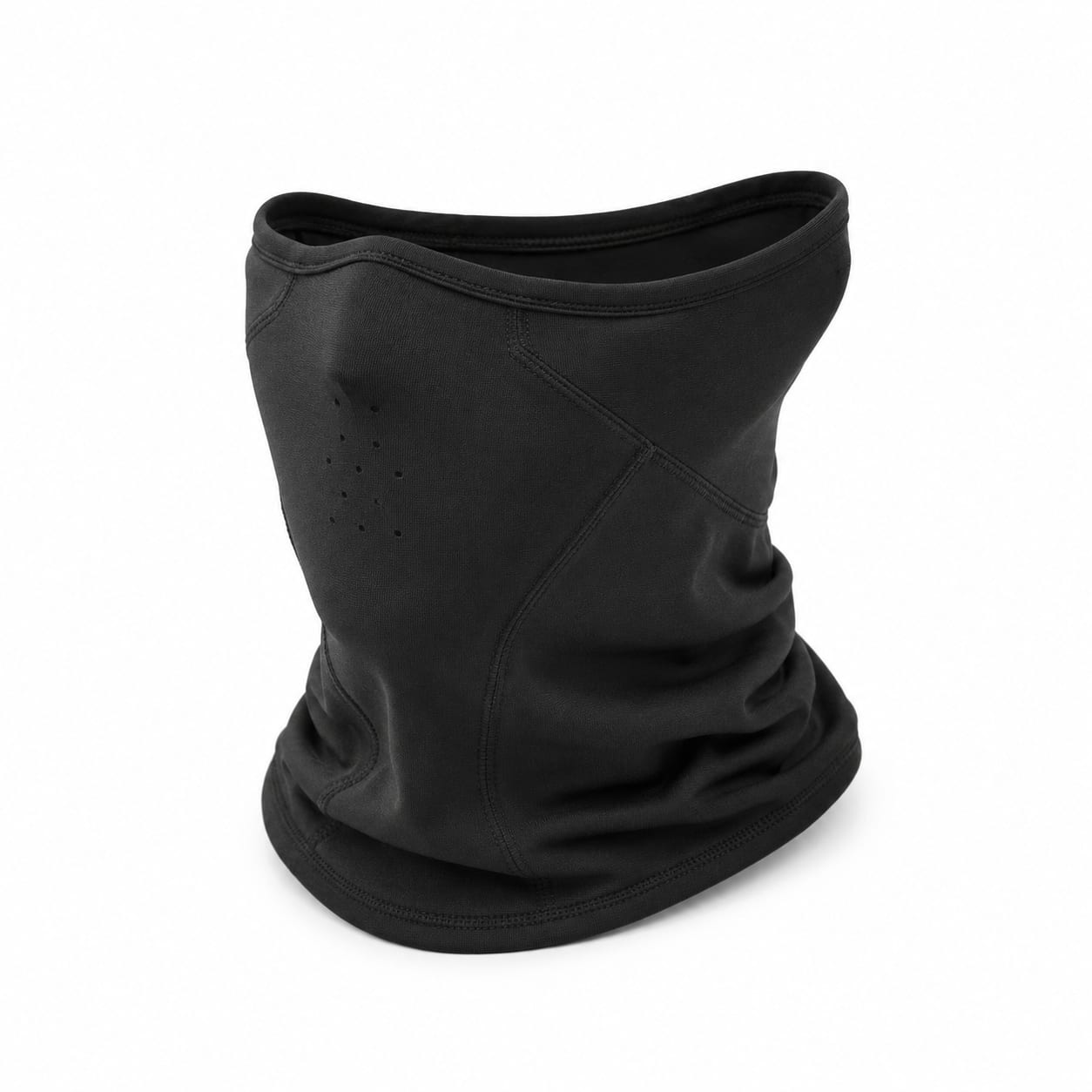
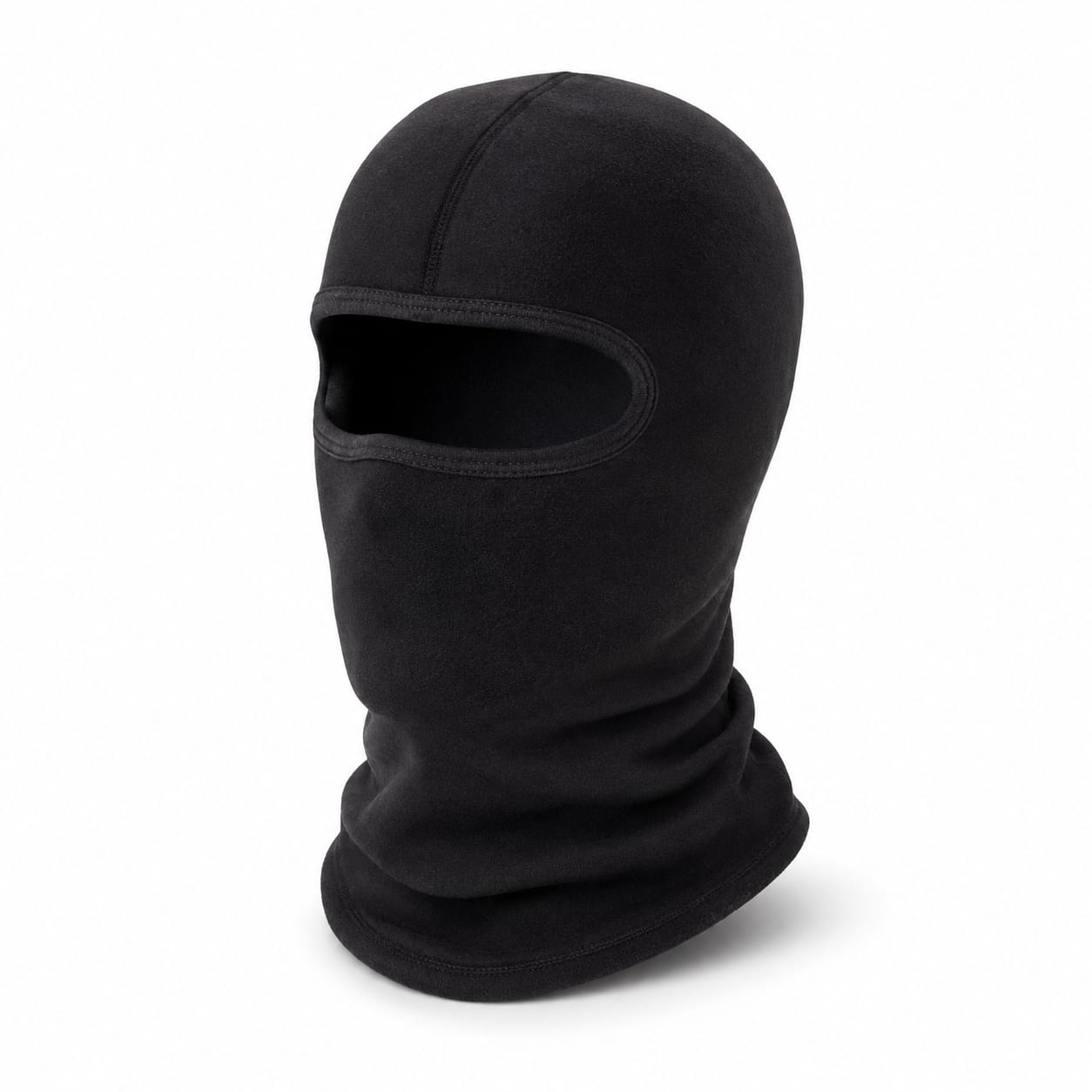
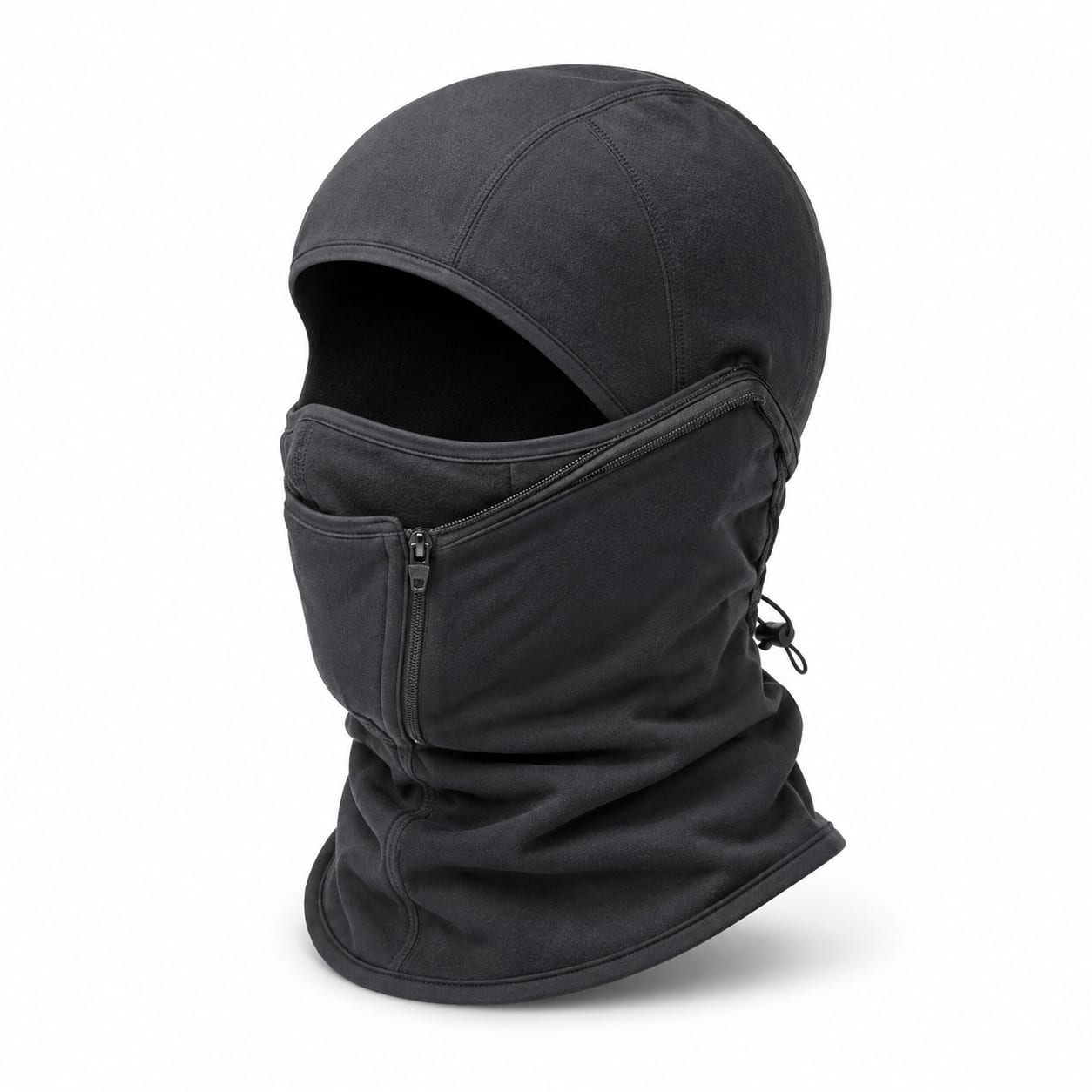
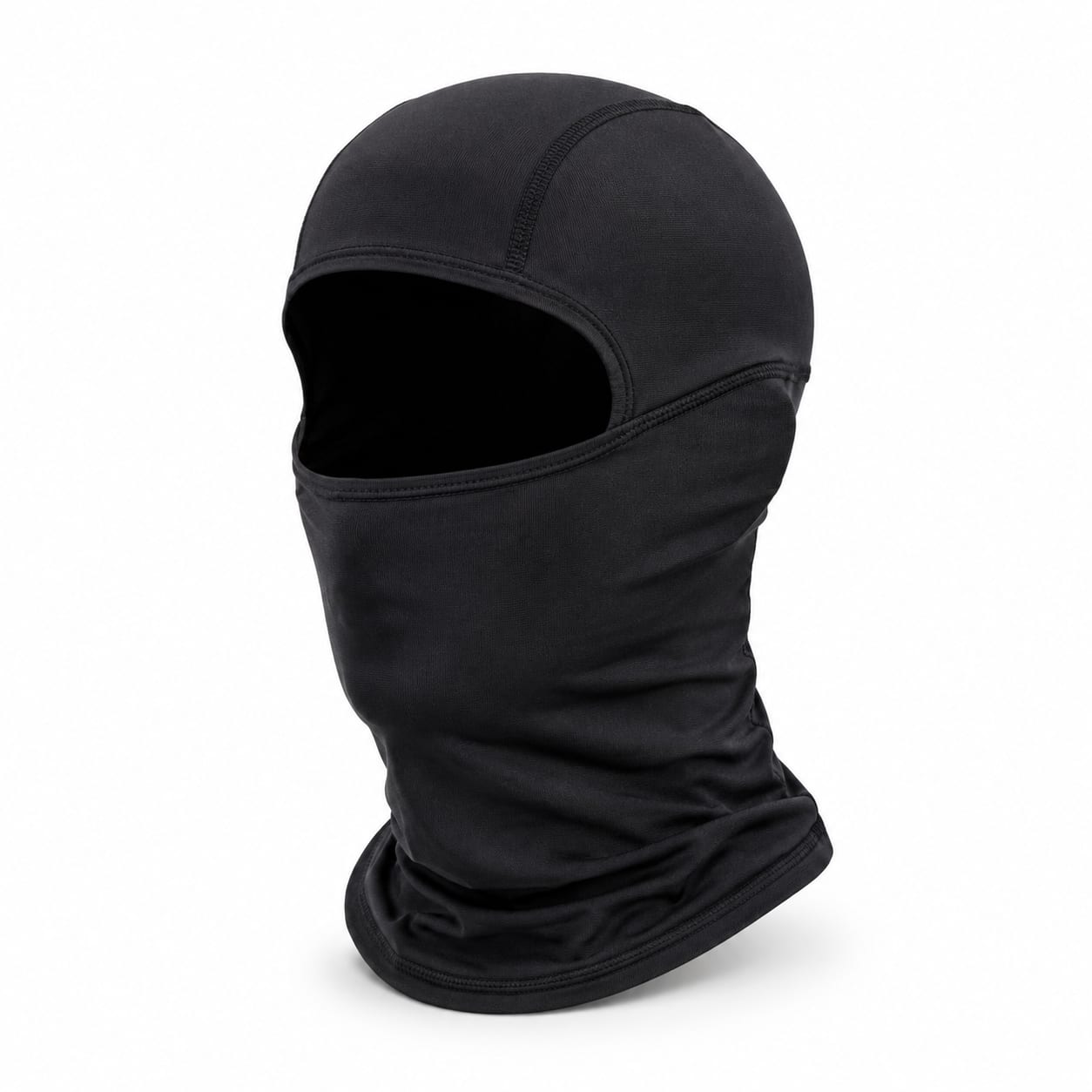
The extent and configuration of face and head coverage provided by the balaclava, determining how much skin is exposed and how the garment interfaces with goggles and helmets.
Typical for this type
Half Face
In practice
The half face balaclava by definition uses half_face coverage, covering the head, neck, and lower face below the nose while leaving the nose and mouth exposed.
Compared to other types
Compared to full_face coverage, half_face provides significantly better breathability and less goggle fogging but leaves the nose and upper cheeks exposed. Compared to open_face, it offers more lower face and chin protection. Unlike convertible styles, the coverage is fixed and cannot be adjusted on the fly.
Why it matters: This coverage style is the defining characteristic of the subcategory, directly determining the balance between warmth and breathability. It is the core reason riders choose this style over full-face or open-face alternatives.
Primary Fabric Material
Primary Fabric Material
What it means
The main material used in construction, which determines warmth, breathability, moisture management, stretch, and feel against skin.
Typical for this type
Polyester Fleece, Merino Wool, Hybrid Multi Zone
In practice
Polyester fleece is the most common primary fabric for half face balaclavas due to its good warmth, quick drying, and affordability. Merino wool is popular for premium models, and hybrid multi-zone designs are increasingly common as they pair wind-resistant panels with breathable zones.
Compared to other types
Full-face balaclavas more commonly use windstopper softshell to compensate for the breathability limitation of full coverage. Half face models can use more breathable fabrics since the open nose and mouth area already provides ventilation. Open-face models often use lighter nylon-spandex blends since less coverage means less insulation is needed.
Why it matters: Fabric choice determines how well the half face design performs its core mission of balancing warmth and breathability. The right fabric enhances the natural advantages of the half-face cut; the wrong one can undermine them.
What it means
The total weight of the balaclava in grams, affecting packability, layering comfort, and perceived bulk under a helmet.
Typical for this type
50–110g
Most common pick: 70g
In practice
Half face balaclavas typically fall in the midweight range (50–110g) because they need enough fabric to cover the head, neck, and lower face with adequate insulation, but they don't require the heavy construction of extreme-cold full-face models.
Compared to other types
Full-face models tend to be heavier (80–150g) due to more fabric and often thicker construction. Open-face models are typically lighter (40–70g) with less coverage area. Half face hits a middle ground that suits most winter conditions.
Why it matters: Weight affects how the balaclava feels under a helmet and how packable it is for stowing in a pocket during warm afternoons. Too heavy and it feels bulky; too light and it may not provide enough warmth for the lower face and neck.
Wind Resistance
Wind Resistance
What it means
The degree to which the balaclava blocks wind penetration, critical for comfort on exposed chairlifts and high-speed descents.
Typical for this type
Moderately Wind Resistant to Highly Wind Resistant
In practice
Most half face balaclavas use standard fleece or knit construction that provides moderate wind resistance. Premium models may incorporate wind-resistant panels at the ears and forehead for highly wind resistant performance without sacrificing breathability at the neck.
Compared to other types
Full-face models more frequently feature windproof ratings since they are chosen for extreme conditions. Open-face models often have minimal to moderate wind resistance since they are used in milder conditions. Half face models balance wind protection with the breathability that is the style's primary advantage.
Why it matters: Wind resistance is critical on exposed chairlifts and during high-speed descents. However, since the half face design already leaves the nose exposed, prioritizing breathability over absolute wind protection aligns with the intended use case.
Breathability
Breathability
What it means
The ability of the fabric to allow moisture vapor (sweat) to escape, preventing clamminess and reducing goggle fogging.
Typical for this type
Good to Excellent
In practice
The half face design inherently provides good to excellent breathability because the nose and mouth are uncovered, allowing exhaled moisture to escape directly rather than through fabric. Most half face balaclavas pair this design advantage with breathable fabrics.
Compared to other types
Half face balaclavas offer significantly better breathability than full-face models (typically rated moderate) because breath escapes directly rather than through fabric. Open-face models have excellent breathability but sacrifice lower face protection. Convertible models vary depending on configuration.
Why it matters: Breathability is the primary reason riders choose a half face balaclava. The open nose and mouth area combined with breathable fabric creates a system that minimizes goggle fogging and moisture buildup, which are the top complaints with full-face designs.
Helmet Compatibility
Helmet Compatibility
What it means
How well the balaclava fits and functions under a ski helmet, including bulk, seam placement, and integration with helmet straps and goggle straps.
Typical for this type
Compatible to Optimized Helmet Fit
In practice
Most half face balaclavas are designed to work under ski helmets and are rated compatible. Premium performance-oriented models feature optimized helmet fit with flat seams and low-bulk construction specifically engineered for under-helmet use.
Compared to other types
Half face balaclavas tend to have better helmet compatibility than full-face models because there is less fabric and fewer seams around the face opening. The simpler construction reduces the chance of pressure points. Bulky extreme-cold full-face models are most likely to cause helmet fit issues.
Why it matters: Since nearly all resort skiers and snowboarders wear helmets, how the balaclava fits underneath directly affects all-day comfort. Pressure points from seams or bunching fabric can cause headaches and distraction.
Goggle Integration
Goggle Integration
What it means
How well the balaclava interfaces with ski goggles, including gap elimination, fogging prevention, and strap compatibility.
Typical for this type
Good Integration to Seamless Integration
In practice
Half face balaclavas generally achieve good goggle integration because the face opening edge sits below the nose, which aligns well with the bottom edge of most goggle frames. Premium models with contoured face openings achieve seamless integration.
Compared to other types
Full-face models can achieve seamless integration more easily because the fabric covers the entire face up to the goggle frame. However, they are more prone to fogging from trapped breath. Open-face models have the most goggle integration challenges because the face opening is larger and less defined. Half face strikes a balance where the face opening edge aligns naturally with goggle frames.
Why it matters: The gap between goggles and balaclava is a common source of cold air entry and exposed skin. Good integration eliminates this gap and is one of the key comfort factors on cold days. The half face design naturally reduces fogging, but goggle gap can still be an issue if the face opening is too large.
Moisture Wicking
Moisture Wicking
What it means
The ability of the fabric to actively pull moisture (sweat and breath condensation) away from the skin surface to the exterior where it can evaporate.
Typical for this type
Moderate Wicking to Active Wicking
In practice
Most half face balaclavas with polyester fleece or merino wool construction offer moderate to active wicking performance. Since the nose and mouth are uncovered, there is less breath condensation to manage compared to full-face designs, making moderate wicking adequate for most users.
Compared to other types
Full-face models require active wicking more critically because all breath moisture must pass through the fabric. Open-face models have less moisture to manage overall. Half face models have moderate moisture management needs that most quality fabrics handle adequately.
Why it matters: Even with the nose and mouth exposed, the lower face and neck areas still accumulate sweat during active skiing. Good moisture wicking prevents the fabric from becoming damp and cold, especially during rest periods on the chairlift.
UV Protection (UPF)
UV Protection (UPF)
What it means
The Ultraviolet Protection Factor rating indicating how effectively the fabric blocks UV radiation, important at high altitude where UV exposure is significantly stronger.
Typical for this type
Upf 30 To 49 to Upf 50 Plus
In practice
Most quality half face balaclavas offer UPF 30–49 protection, which is adequate for most skiing conditions. Premium models may feature UPF 50+ for maximum protection at high altitude or during spring skiing when UV exposure is highest.
Compared to other types
Full-face models provide more UV protection simply by covering more skin. Open-face models leave the entire face exposed and rely more heavily on sunscreen. Half face models cover most of the face but still require sunscreen on the nose and upper cheeks.
Why it matters: At altitude, UV radiation is significantly stronger, and snow reflects up to 80% of UV back onto exposed skin. The half face design leaves the nose and cheeks exposed to reflected UV, making fabric protection on covered areas important but not sufficient on its own—sunscreen is still needed on exposed skin.
What it means
The sizing system and general fit characteristics of the balaclava, affecting comfort, coverage, and compatibility with other gear.
Typical for this type
One Size (With S/M And L/XL Preferred For Extreme Head Sizes)
In practice
The majority of half face balaclavas are offered in one-size-fits-most construction, relying on stretch fabric to accommodate different head sizes. Some brands offer S/M and L/XL options for better fit on smaller or larger heads.
Compared to other types
All balaclava subcategories face similar sizing challenges, but half face models are particularly sensitive to fit because the face opening position is critical. Full-face models have more tolerance since the entire face is covered. Convertible models with adjustable features can compensate for fit issues more easily.
Why it matters: Fit is particularly important for half face balaclavas because the face opening must sit precisely below the nose. Too loose and the fabric sags, exposing the cheeks; too tight and it rides up over the nose, defeating the half-face design. Proper fit also ensures the balaclava seals with goggles and stays in place during activity.
Seam Construction
Seam Construction
What it means
The type and placement of seams in the balaclava, affecting comfort against skin, pressure points under helmets, and durability.
Typical for this type
Flatlock Seams to Seamless
In practice
Most mid-range and premium half face balaclavas use flatlock seams for a low-profile, comfortable construction. Seamless or bonded models are available at higher price points and offer maximum comfort under helmets.
Compared to other types
Half face balaclavas typically have fewer seams than full-face models due to simpler construction, which naturally reduces pressure point risk. Open-face models are even simpler. Convertible models with hinges or zippers have more complex seam patterns that can create additional pressure points.
Why it matters: Seam placement and construction directly affect comfort under a helmet. A seam running across the forehead or temples can create a pressure point that becomes painful over a full day of skiing. Flatlock and seamless construction minimize this issue.
Odor Resistance
Odor Resistance
What it means
The fabric's ability to resist developing unpleasant odors over multi-day use, important for ski trips where daily washing isn't possible.
Typical for this type
Antimicrobial Treated to Natural Odor Resistant
In practice
Most synthetic half face balaclavas use antimicrobial treatments for odor control. Merino wool models offer natural odor resistance and are preferred for multi-day trips. Budget models may have minimal odor resistance.
Compared to other types
Odor resistance needs are similar across all balaclava subcategories since they all sit against the skin in a high-moisture environment. However, full-face models may accumulate more odor due to trapped breath moisture against the fabric. Half face models have slightly less moisture exposure at the face opening.
Why it matters: A balaclava worn for a full day of active skiing accumulates significant moisture and body oils. Without odor resistance, it becomes unpleasant after a single day, making it unsuitable for multi-day ski trips without washing.
Thermal Insulation Class
Thermal Insulation Class
What it means
The warmth category of the balaclava, indicating the temperature range and conditions it is designed to handle comfortably.
Typical for this type
Cold to Cool
In practice
The most common thermal class for half face balaclavas is 'cold,' designed for temperatures from approximately -15°C to -5°C (5°F to 23°F). This matches the typical winter resort conditions where the half face design is most appropriate. Some lighter models fall in the 'cool' class for milder days.
Compared to other types
Full-face models are more commonly found in extreme_cold and cold thermal classes. Open-face models tend toward cool and mild classes. Half face models primarily occupy the cold and cool classes, which aligns with the moderate conditions where the design excels.
Why it matters: The thermal class must match the conditions where you ski. Since the half face design leaves the nose exposed, it is inherently less suited to extreme cold than full-face models. Choosing the right insulation class ensures comfort without overheating or under-protecting.
Nose/Mouth Breath Feature
Nose/Mouth Breath Feature
What it means
Specific design features around the nose and mouth area that manage breath direction and moisture to reduce goggle fogging and improve comfort.
Typical for this type
Open Nose Design (Inherent to The Subcategory)
In practice
The half face balaclava inherently features an open nose design because the face opening sits below the nasal bridge, leaving the nose and mouth completely uncovered. This is the defining feature of the subcategory rather than an added design element.
Compared to other types
Full-face models may use directed exhaust, mesh breath zones, or no special feature to manage breath. Convertible models can switch between covered and open configurations. The half face design makes breath management features unnecessary since the nose and mouth are always uncovered.
Why it matters: The open nose/mouth area is the primary functional advantage of the half face design. It allows breath to escape naturally without passing through fabric, eliminating the moisture management and fogging issues that plague covered designs. It also enables clear speech and easy eating and drinking.
Neck Coverage Length
Neck Coverage Length
What it means
How far down the neck the balaclava extends, affecting how well it seals with your base layer or jacket collar and prevents cold air entry.
Typical for this type
Standard Neck to Extended Neck
In practice
Most half face balaclavas feature standard neck coverage extending to just below the collarbone, which is adequate for tucking into a jacket collar or base layer. Extended neck models are available for riders who want maximum seal against cold air entry.
Compared to other types
Neck coverage needs are similar across subcategories, but full-face models more commonly feature extended neck coverage since they are chosen for colder conditions. Open-face models may have shorter neck coverage since they are used in milder weather. Half face models offer the full range of neck lengths depending on intended use conditions.
Why it matters: Neck coverage determines how well the balaclava seals with your jacket or base layer. A gap at the neck is a common source of cold air entry, especially when turning the head on chairlifts. Standard coverage works for most layering setups, but extended coverage provides more security in cold conditions.
Stretch / Flexibility
Stretch / Flexibility
What it means
The degree of stretch in the fabric and construction, affecting how the balaclava conforms to different head shapes and moves with the wearer.
Typical for this type
2_way_stretch to 4_way_stretch
In practice
Most half face balaclavas feature 2-way stretch construction, typically stretching horizontally to accommodate different head widths. Premium models with 4-way stretch provide better conformability and stay in place more effectively during head movement.
Compared to other types
Stretch needs are similar across subcategories, but half face models benefit particularly from good stretch because the face opening position is critical. Full-face models have more tolerance for slight movement since the entire face is covered. Minimal stretch is less common in half face models because the face opening needs to adapt to different facial geometries.
Why it matters: Stretch affects how well the balaclava conforms to your head shape and stays in position during activity. Since the half face design relies on the face opening sitting precisely below the nose, adequate stretch ensures the edge stays in place rather than riding up or sagging during a day of skiing.