
Ski Bindings · FAQ
Questions about Racing Bindings
Straight answers on fit, specs, and when this type makes sense — each topic has its own page with links back to the buying guide.
Open Racing Bindings guide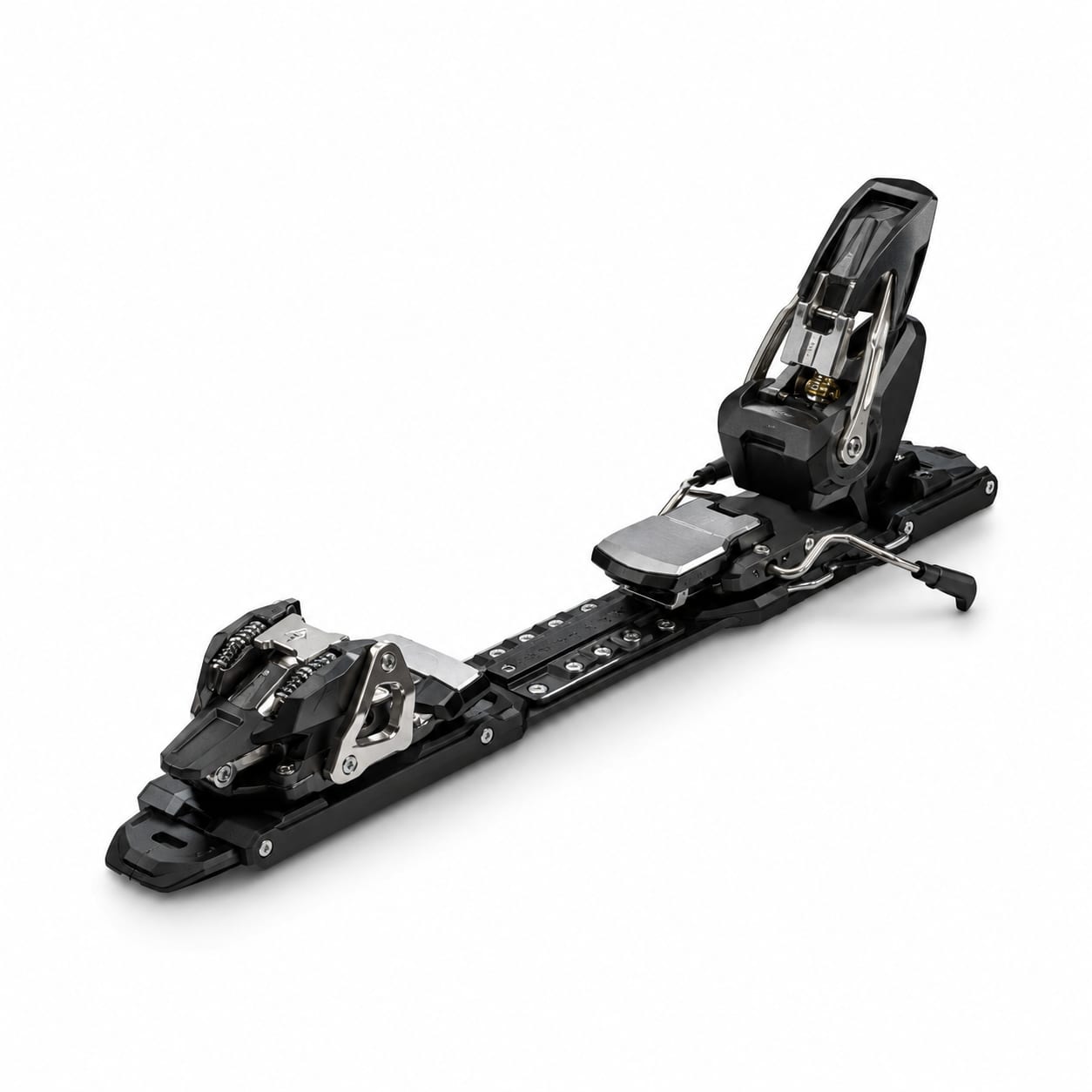
6 topics
Pick a question
Every answer links to the full subcategory guide and related gear types when it helps you decide.
Can I use racing bindings for recreational skiing if I'm an expert skier?
It's not recommended unless you primarily ski in a race style on firm groomers. Racing bindings are optimized for a very specific use case—high-speed carving on hard snow with race skis. Their tall stand height, narrow brakes, and aggressive retention make them poorly suited to all-mountain skiing, powder, moguls, or casual cruising. Even expert skiers will find racing bindings overly demanding and less enjoyable outside of gates. A high-DIN all-mountain or freeride binding is a better choice for expert recreational skiing.
Read answer →02What DIN should I set my racing bindings to?
Use a certified DIN chart and calculate based on your weight, ability level (Type III+ for racing), and boot sole length. Your calculated DIN is the starting point—your race coach or a certified technician may adjust slightly based on discipline and conditions. Never set DIN higher than recommended to 'solve' pre-release issues; instead, address the root cause (technique, binding condition, or wrong binding choice). Racing does not automatically mean maximum DIN.
Read answer →03Do I need a riser plate with racing bindings?
Most racing bindings are designed to be used with riser plates or integrated lifters, and many come as a binding-plus-plate system. The plate increases stand height for better edge angle leverage. If you're racing GS or speed events, a plate is essential. For slalom, some racers prefer a lower profile. Always use the plate that the binding manufacturer specifies—mixing plates and bindings from different brands can compromise performance and safety.
Read answer →04How often should racing bindings be replaced?
Racing bindings should be replaced after 5–7 seasons of regular use, or sooner if you notice any play in the heel track, inconsistent release values during testing, visible cracks, or damage from crashes. Springs fatigue over time, and the extreme forces of racing accelerate wear. Annual testing by a certified technician with a calibrated device will reveal if release values have drifted. If a binding can no longer maintain consistent release at the set DIN, replace it immediately.
Read answer →05Can I mount racing bindings on all-mountain skis?
Physically yes, but it's a poor combination. The narrow brakes won't fit wider all-mountain skis, the tall stand height will feel unstable in variable snow, and the aggressive retention is unnecessary for non-race skiing. You'd be paying a premium for characteristics you don't need while creating potential safety issues. If you want high performance on all-mountain skis, choose a high-DIN all-mountain or freeride binding instead.
Read answer →06What's the difference between racing bindings and high-DIN freeride bindings?
While both have high DIN ranges, they're designed for different purposes. Racing bindings prioritize elastic travel and power transmission for high-speed carving on firm snow, with tall stand heights and narrow brakes. Freeride bindings prioritize durability and retention for aggressive off-piste skiing in variable conditions, with lower stand heights and wider brakes. A racing binding's elastic travel is typically greater, and its release characteristics are tuned for the consistent forces of carving rather than the unpredictable forces of big mountain skiing.
Read answer →