
While both have high DIN ranges, they're designed for different purposes. Racing bindings prioritize elastic travel and power transmission for high-speed carving on firm snow, with tall stand heights and narrow brakes. Freeride bindings prioritize durability and retention for aggressive off-piste skiing in variable conditions, with lower stand heights and wider brakes. A racing binding's elastic travel is typically greater, and its release characteristics are tuned for the consistent forces of carving rather than the unpredictable forces of big mountain skiing.
Ski Bindings · Racing Bindings
What's the difference between racing bindings and high-DIN freeride bindings?
Related gear types
If this answer nudged you toward a different style, these guides compare specs and trade-offs.
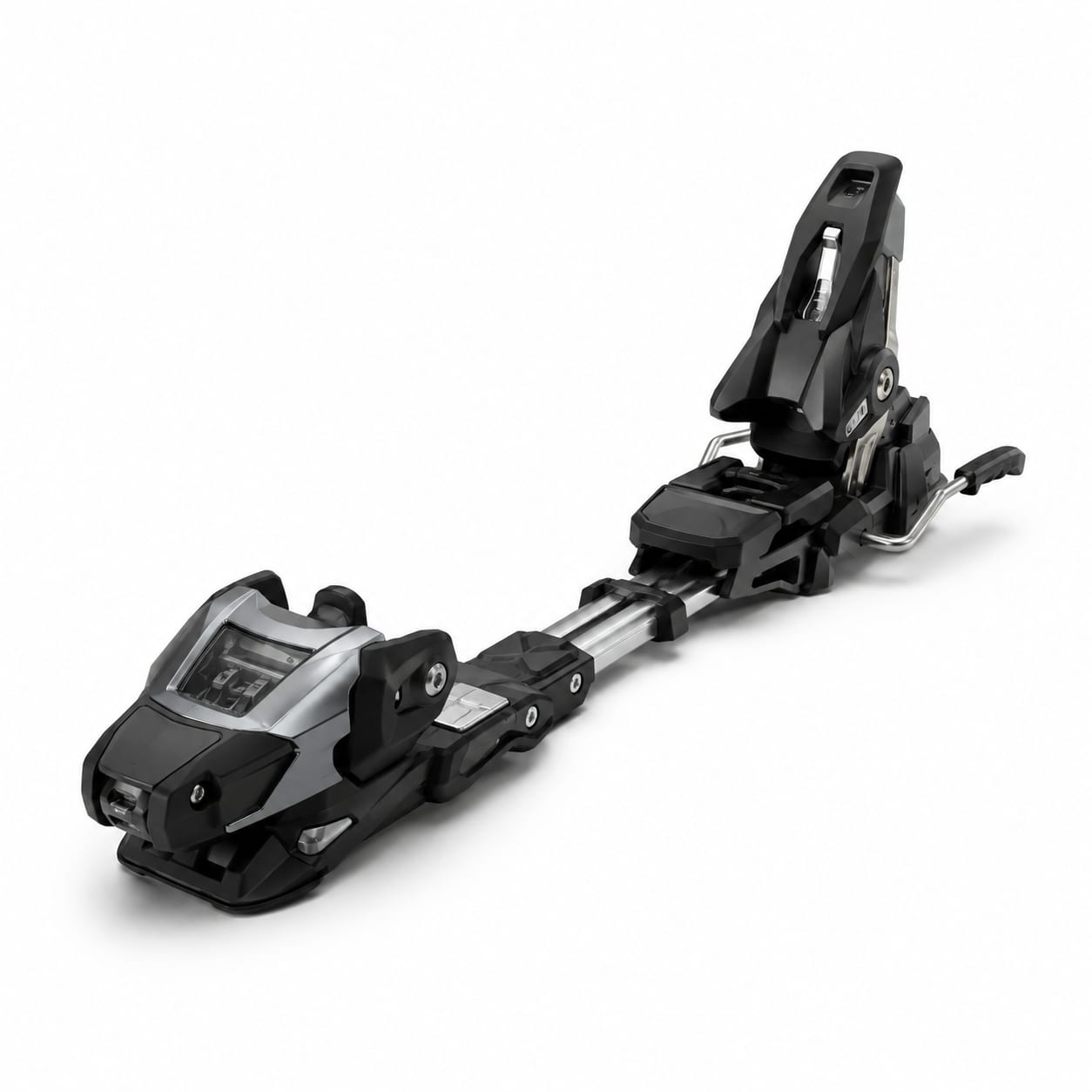
Alpine/Downhill Bindings
$120 – $450
Standard resort ski bindings designed for lift-served downhill skiing with fixed heels and reliable release performance.
fixed heelDIN-certified releaseISO 5355 boot compatibility
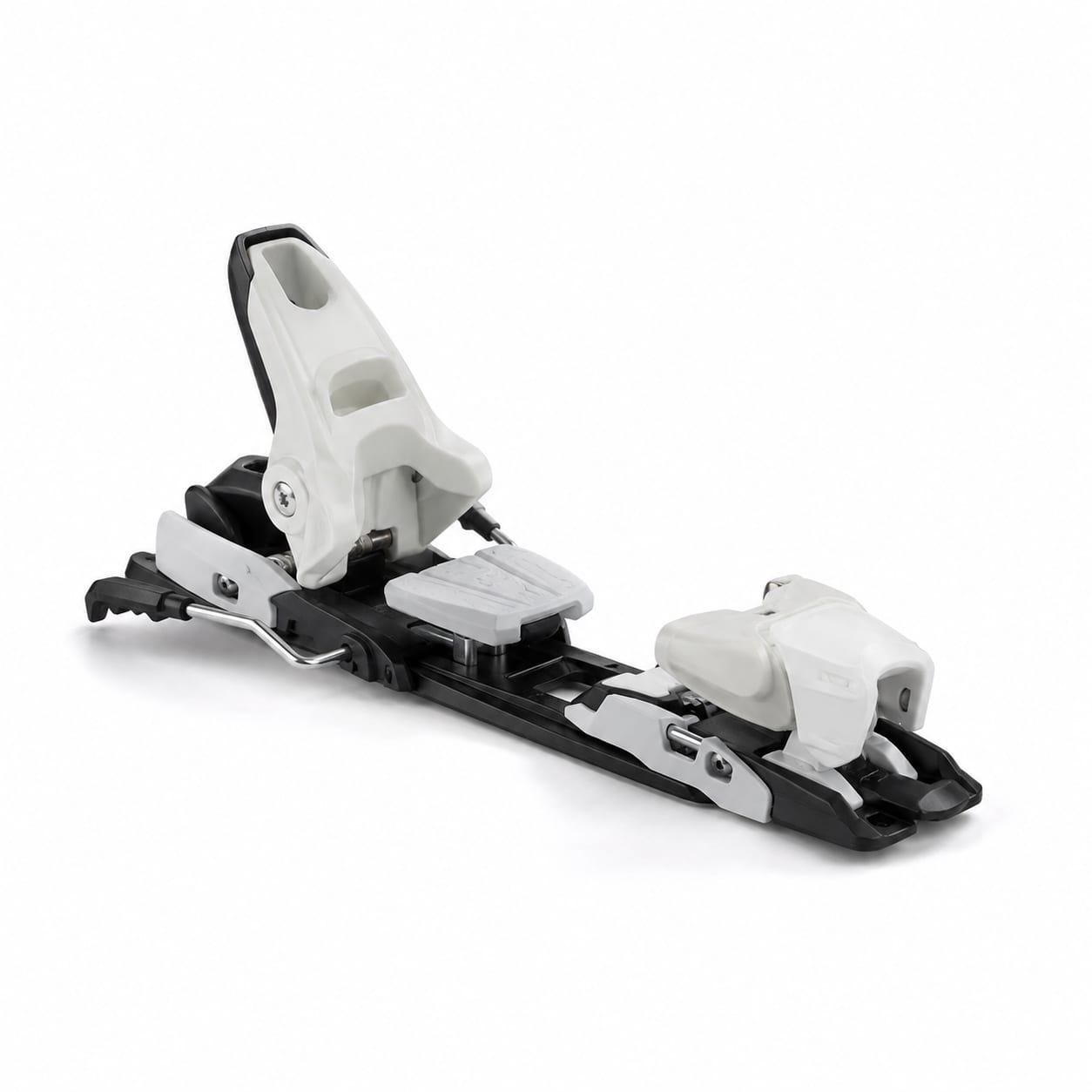
Junior/Youth Bindings
$70 – $200
Alpine bindings with lower DIN ranges and appropriate release values designed for children and lighter-weight youth skiers.
low DIN rangechildren's boot sole compatibilitylightweight construction
More questions
- Can I use racing bindings for recreational skiing if I'm an expert skier?
- What DIN should I set my racing bindings to?
- Do I need a riser plate with racing bindings?
- How often should racing bindings be replaced?