
Ski Goggles · FAQ
Questions about Frameless Ski Goggles
Straight answers on fit, specs, and when this type makes sense — each topic has its own page with links back to the buying guide.
Open Frameless Ski Goggles guide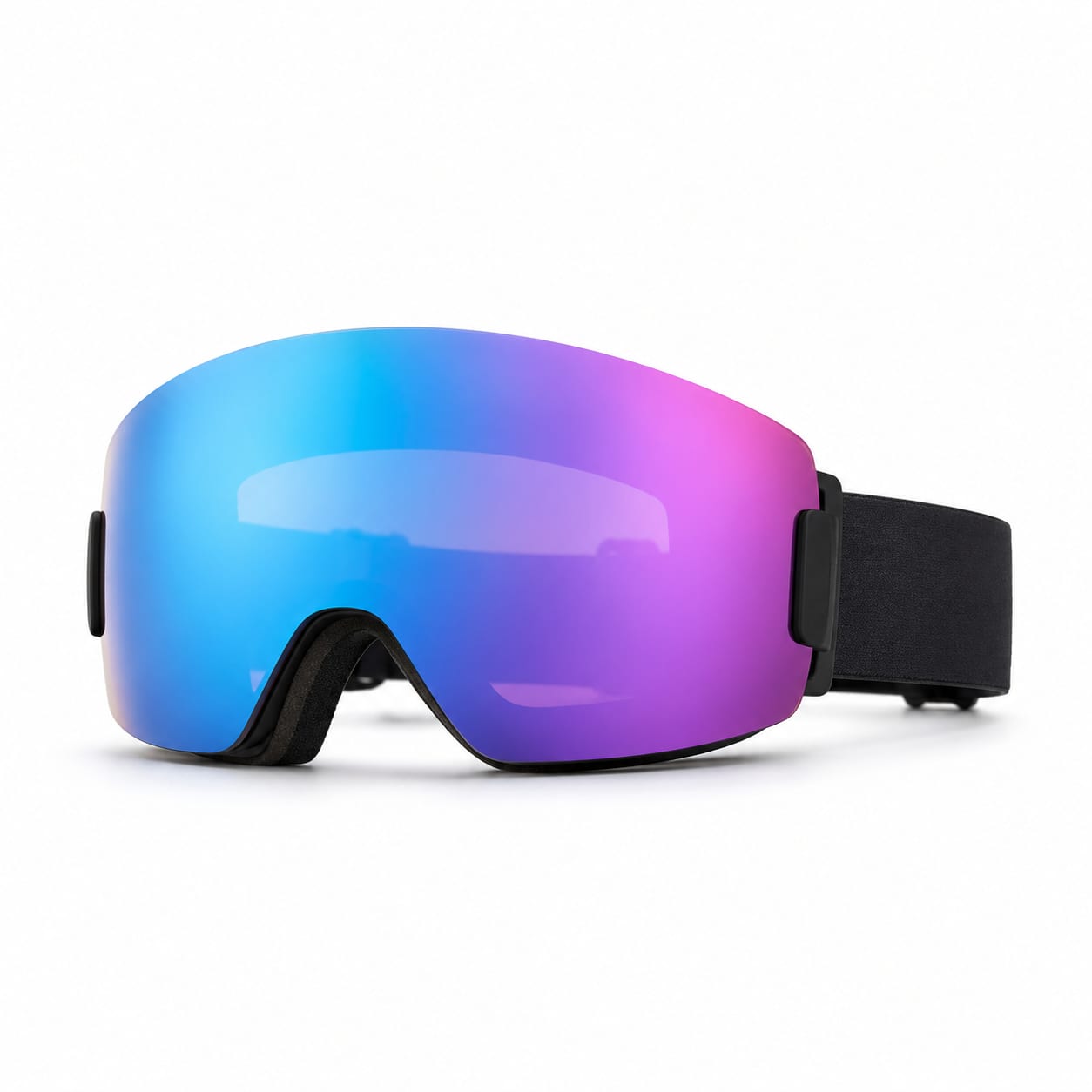
6 topics
Pick a question
Every answer links to the full subcategory guide and related gear types when it helps you decide.
Are magnetic lenses on frameless goggles secure enough for aggressive skiing?
Yes, modern magnetic lens systems use multiple high-strength magnets (typically 8-12 points) that hold securely during normal and aggressive skiing. They are designed to withstand high speeds, bumps, and typical crashes. However, extremely violent impacts can potentially dislodge a lens—this is rare but possible. If you race competitively or ski extremely aggressive lines, check that your specific model meets any applicable competition standards.
Read answer →02Can I wear prescription glasses with frameless goggles?
Most frameless goggles are not designed for over-the-glasses (OTG) use. The close lens-to-face fit and minimal frame design leave insufficient space for glasses temples. If you wear prescription glasses, look for the few OTG-compatible frameless models, consider contact lenses, or check if the goggle supports a prescription insert that mounts behind the main lens. Rx inserts are often the best solution for frameless goggles.
Read answer →03Do frameless goggles fog more or less than framed goggles?
Frameless goggles generally fog less than comparably-priced framed goggles because they typically feature enhanced passive ventilation with larger airflow channels and premium anti-fog coatings as standard. The minimal frame design can actually improve airflow across the lens surface. However, fog prevention depends more on the anti-fog system quality and ventilation design than on whether the goggle has a frame.
Read answer →04How do I change lenses on a frameless goggle with gloves on?
Magnetic quick-swap systems are specifically designed for gloved operation. To remove, grip the lens edge firmly and pull straight away from the goggle body—the magnets will release. To install, align the lens roughly with the goggle and let the magnets pull it into place, then press gently around the edges to ensure all magnets are engaged. Practice the swap at home before trying it on the mountain. Mechanical clip systems may require slightly more dexterity but are also designed for gloved use.
Read answer →05Are frameless goggles worth the extra cost compared to framed goggles?
If you ski regularly and encounter variable conditions, the wider field of view and fast lens-swap capability of frameless goggles provide meaningful performance and convenience advantages that justify the premium. The unobstructed peripheral vision is immediately noticeable and enhances safety in trees and crowded areas. However, if you ski only a few days per year in consistent conditions, a quality spherical framed goggle at a lower price point may serve you equally well.
Read answer →06How do I protect the exposed lens edges of frameless goggles?
Always store frameless goggles in a soft microfiber pouch or hard case when not in use. Avoid placing them lens-down on any surface. When carrying spare lenses, use the protective sleeves that come with them. Be mindful in terrain parks and tight trees where branches or rail contacts can chip exposed edges. The minimal frame design does leave edges more vulnerable, so careful handling and storage habits are more important than with framed goggles.
Read answer →