
If you ski regularly and encounter variable conditions, the wider field of view and fast lens-swap capability of frameless goggles provide meaningful performance and convenience advantages that justify the premium. The unobstructed peripheral vision is immediately noticeable and enhances safety in trees and crowded areas. However, if you ski only a few days per year in consistent conditions, a quality spherical framed goggle at a lower price point may serve you equally well.
Ski Goggles · Frameless Ski Goggles
Are frameless goggles worth the extra cost compared to framed goggles?
Related gear types
If this answer nudged you toward a different style, these guides compare specs and trade-offs.
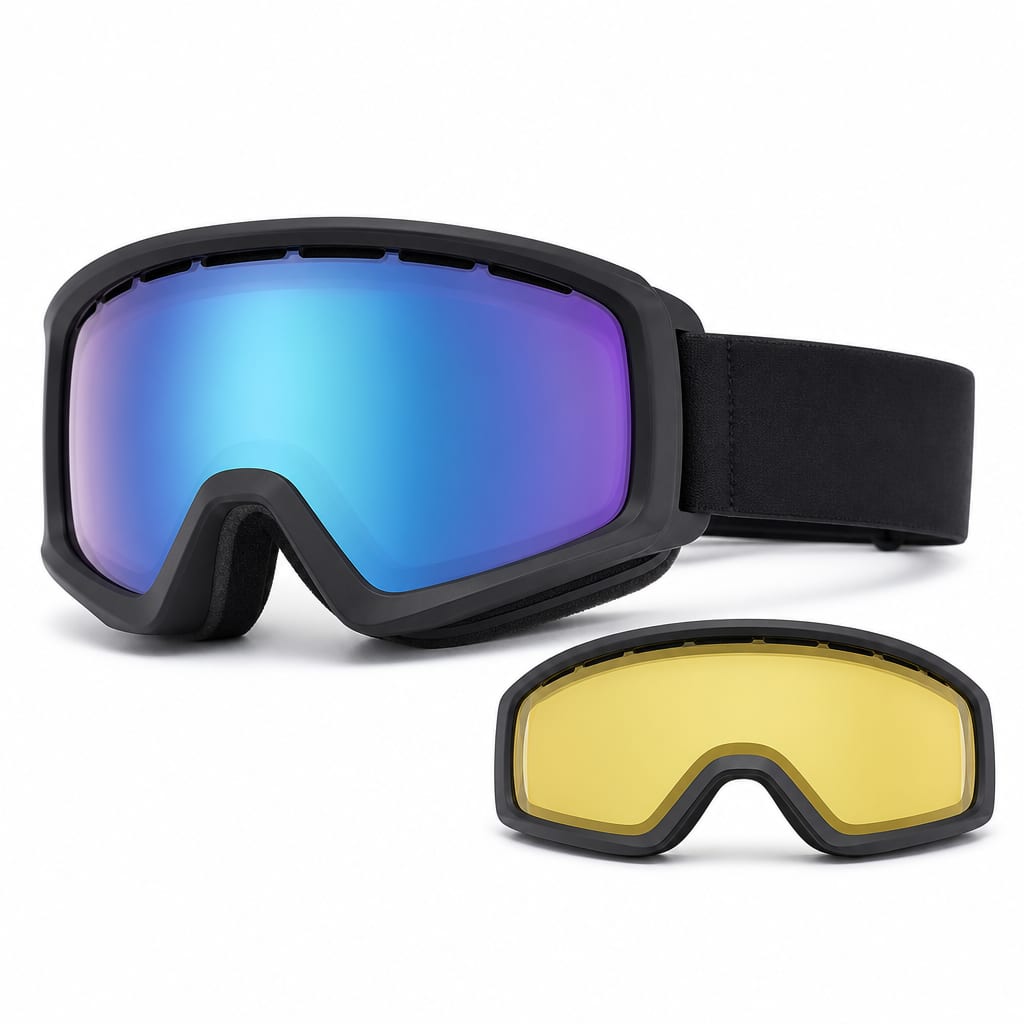
All-Mountain Ski Goggles
$50 – $250
Versatile goggles designed for general use across varied terrain and light conditions.
versatile lens tintshelmet-compatible framesmoderate VLT range
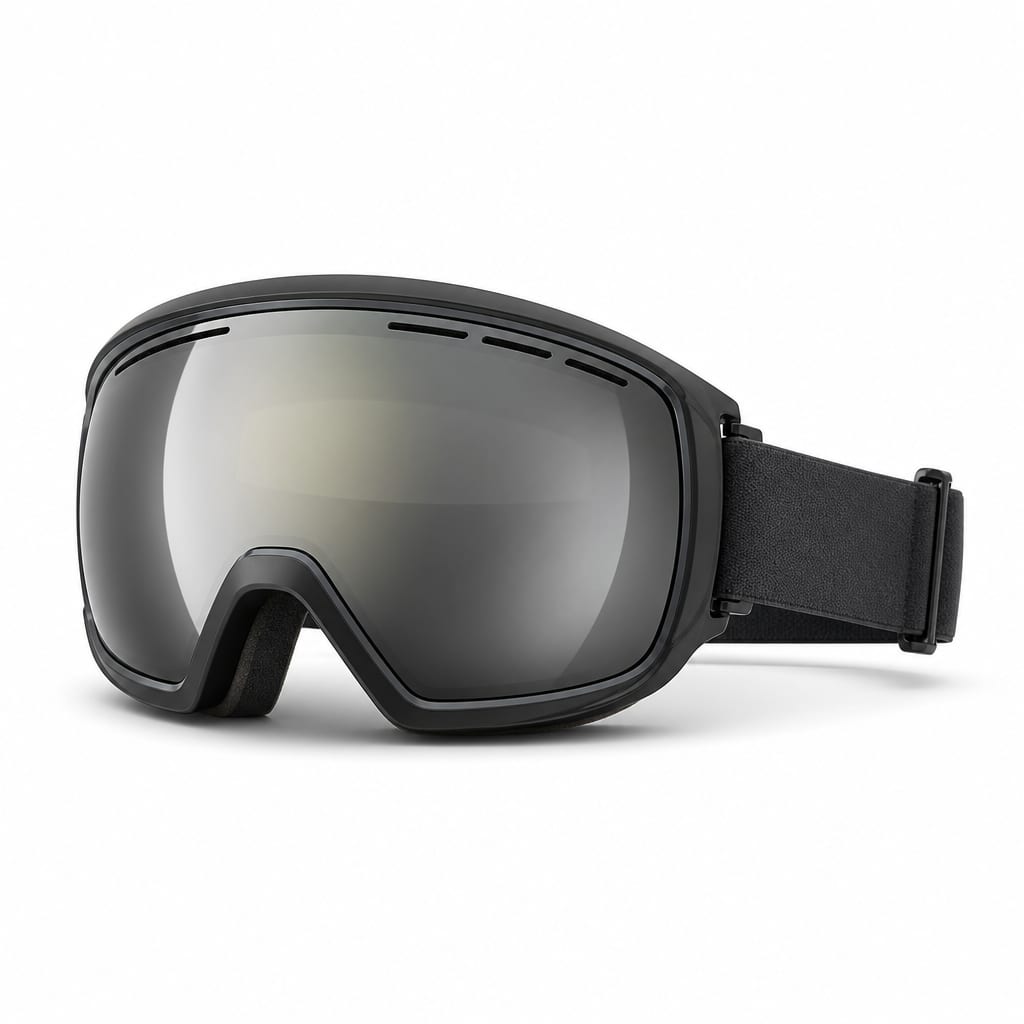
Spherical Lens Ski Goggles
$100 – $350
Goggles featuring horizontally and vertically curved lenses for superior optics and reduced glare.
dual-axis curved lenswider field of viewreduced peripheral distortion
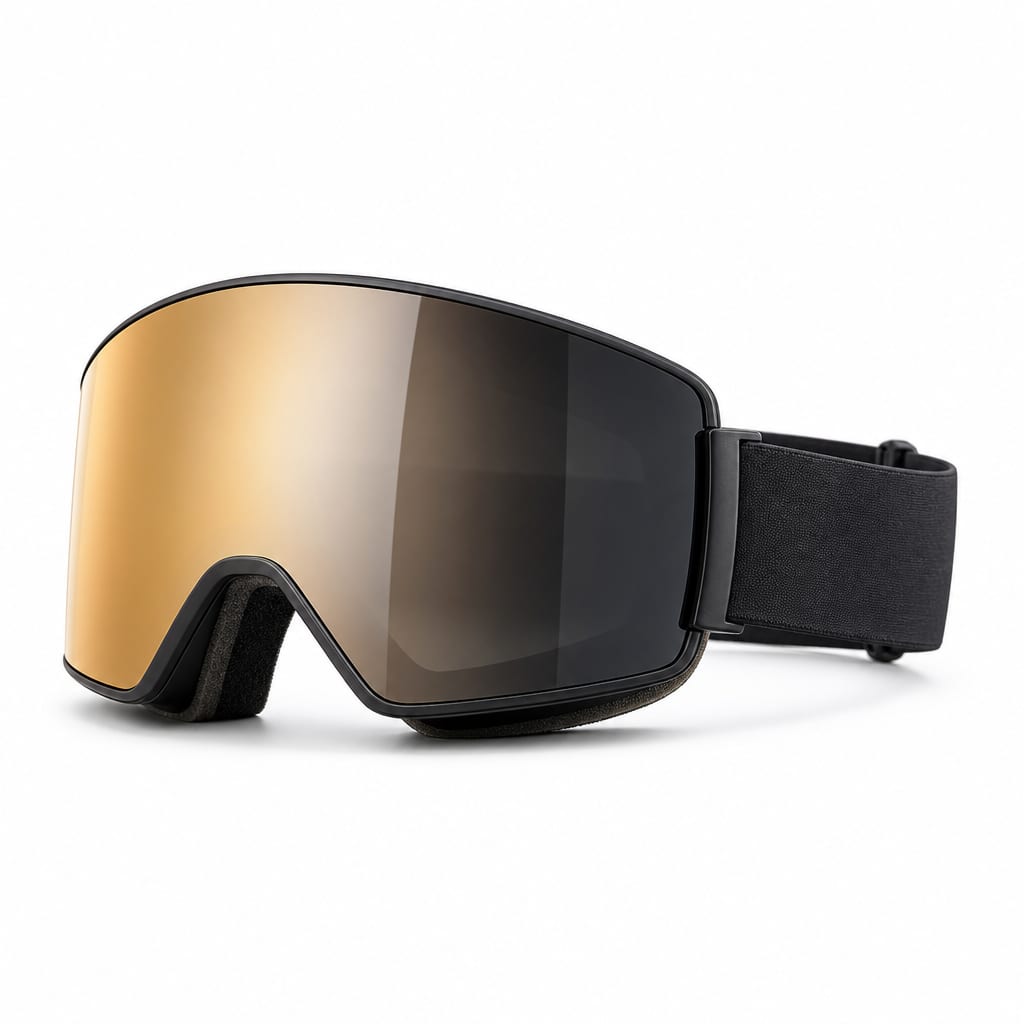
Photochromic Ski Goggles
$120 – $350
Goggles with light-reactive lenses that automatically adjust tint to changing conditions.
auto-darkening lenseswide VLT rangeUV-reactive technology
More questions
- Are magnetic lenses on frameless goggles secure enough for aggressive skiing?
- Can I wear prescription glasses with frameless goggles?
- Do frameless goggles fog more or less than framed goggles?
- How do I change lenses on a frameless goggle with gloves on?