What it means
The curvature profile of the goggle lens, affecting optical clarity, distortion, and field of view.
Typical for this type
Spherical Or Toric
In practice
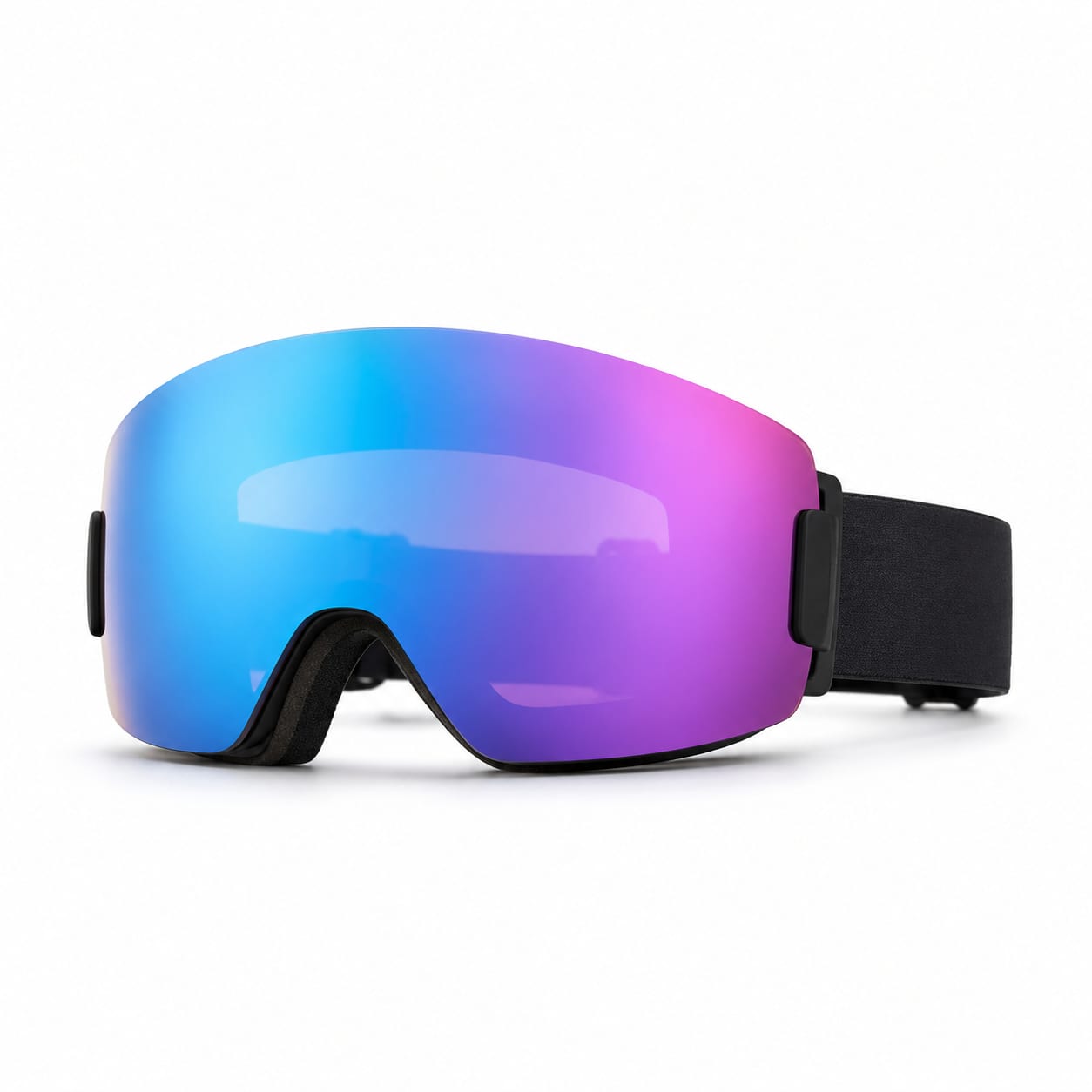
Frameless goggles overwhelmingly feature spherical lenses, as the curved lens serves as the structural element of the goggle. Toric lenses are also common, offering a distinctive wide-horizontal profile. Cylindrical lenses are rare in frameless designs because the flat vertical curve provides less rigidity for frameless mounting.
Compared to other types
Framed goggles commonly use cylindrical lenses at lower price points. Frameless goggles almost exclusively use spherical or toric lenses, contributing to their premium positioning and superior optical performance.
Why it matters: Spherical and toric lenses provide the optical clarity and structural integrity needed for a frameless design. They also maximize the field of view advantage that frameless goggles are built to deliver.
VLT (%)
Visible Light Transmission
What it means
The percentage of visible light that passes through the lens, determining brightness and suitability for different weather conditions.
Typical for this type
Own Lenses Covering 8-20% (Sunny) And 40-70% (Overcast/Low Light)
Most common pick: 15-25%
In practice
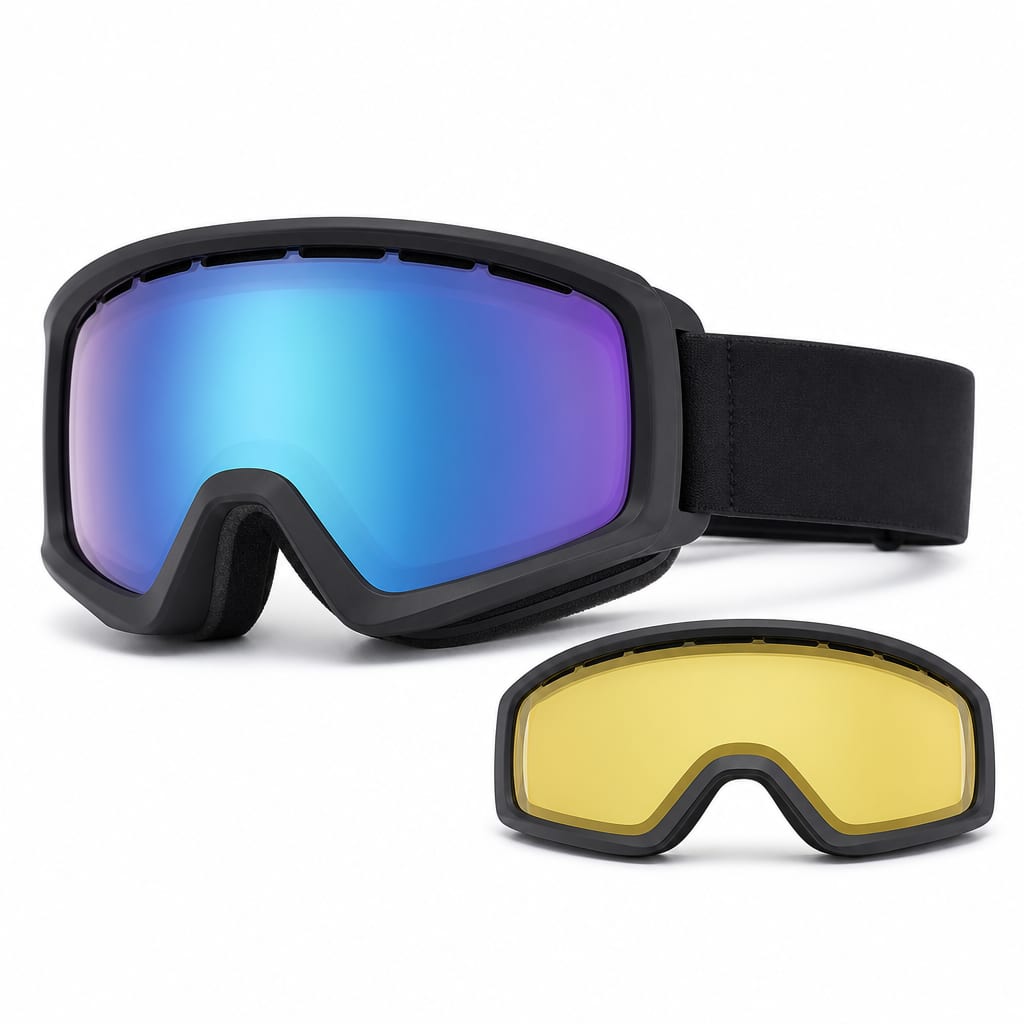
Frameless goggles typically ship with a versatile mid-VLT lens (15-25%) suitable for partly cloudy to sunny conditions. The real advantage is the quick-swap system that makes carrying and changing to low-VLT or high-VLT lenses practical on the mountain.
Compared to other types
VLT ranges are identical across framed and frameless goggles, but frameless models make lens swaps practical enough that you will actually use multiple VLT options rather than struggling through with one lens.
Why it matters: VLT is the single most important spec for matching your goggles to conditions. Frameless goggles with magnetic swap systems make it realistic to carry a second lens and adapt, so plan to invest in at least one additional lens for low-light conditions.
What it means
The color tint of the lens, which filters light differently to enhance contrast and definition in specific conditions.
Typical for this type
Rose/Copper/Amber As Primary; Gray/Black Or Yellow/Gold As Secondary
Most common pick: Rose Copper
In practice
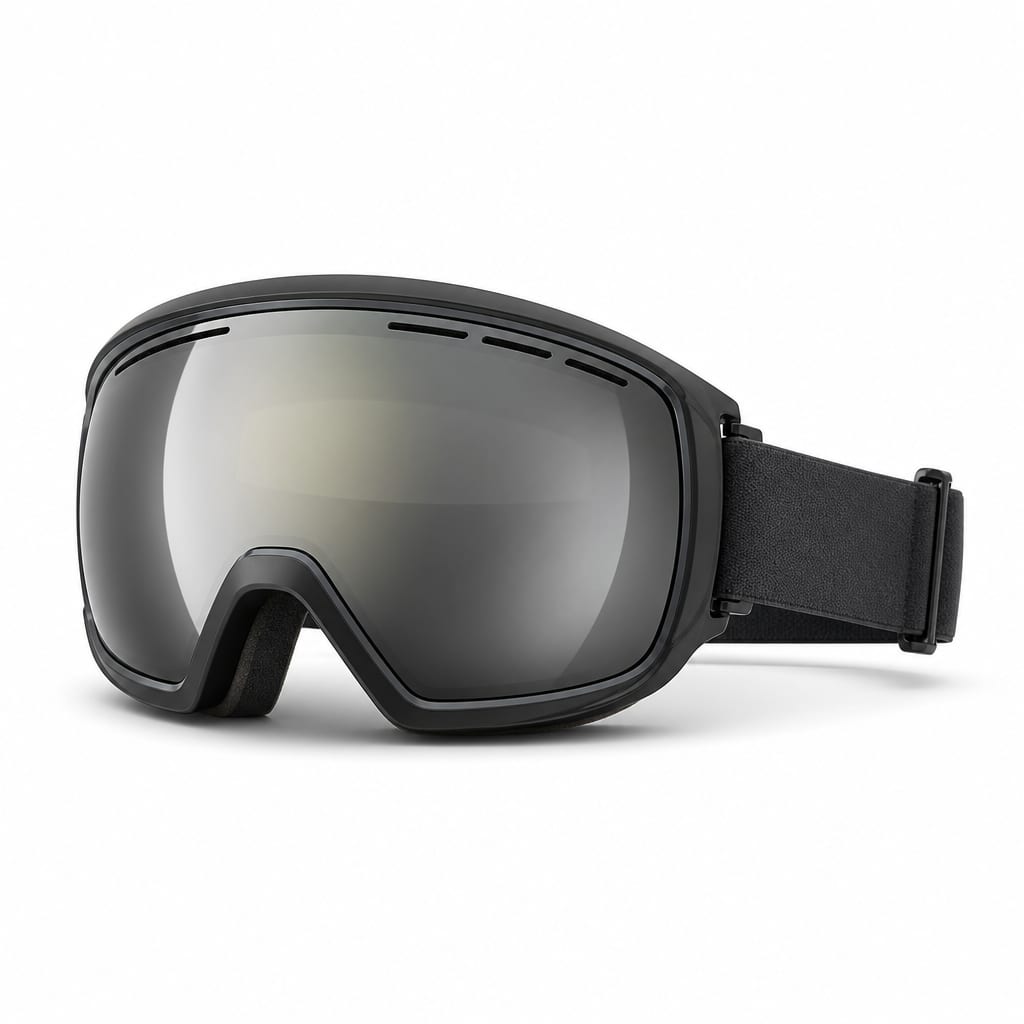
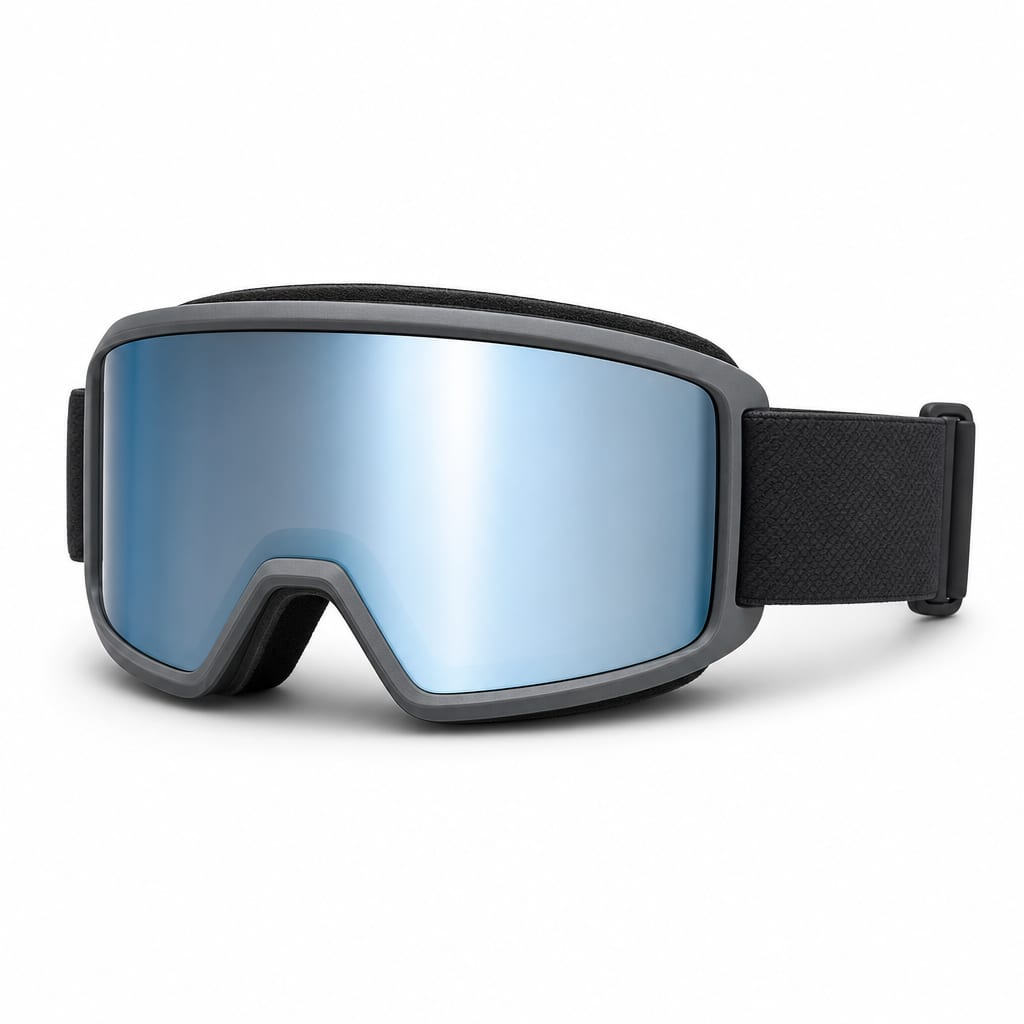
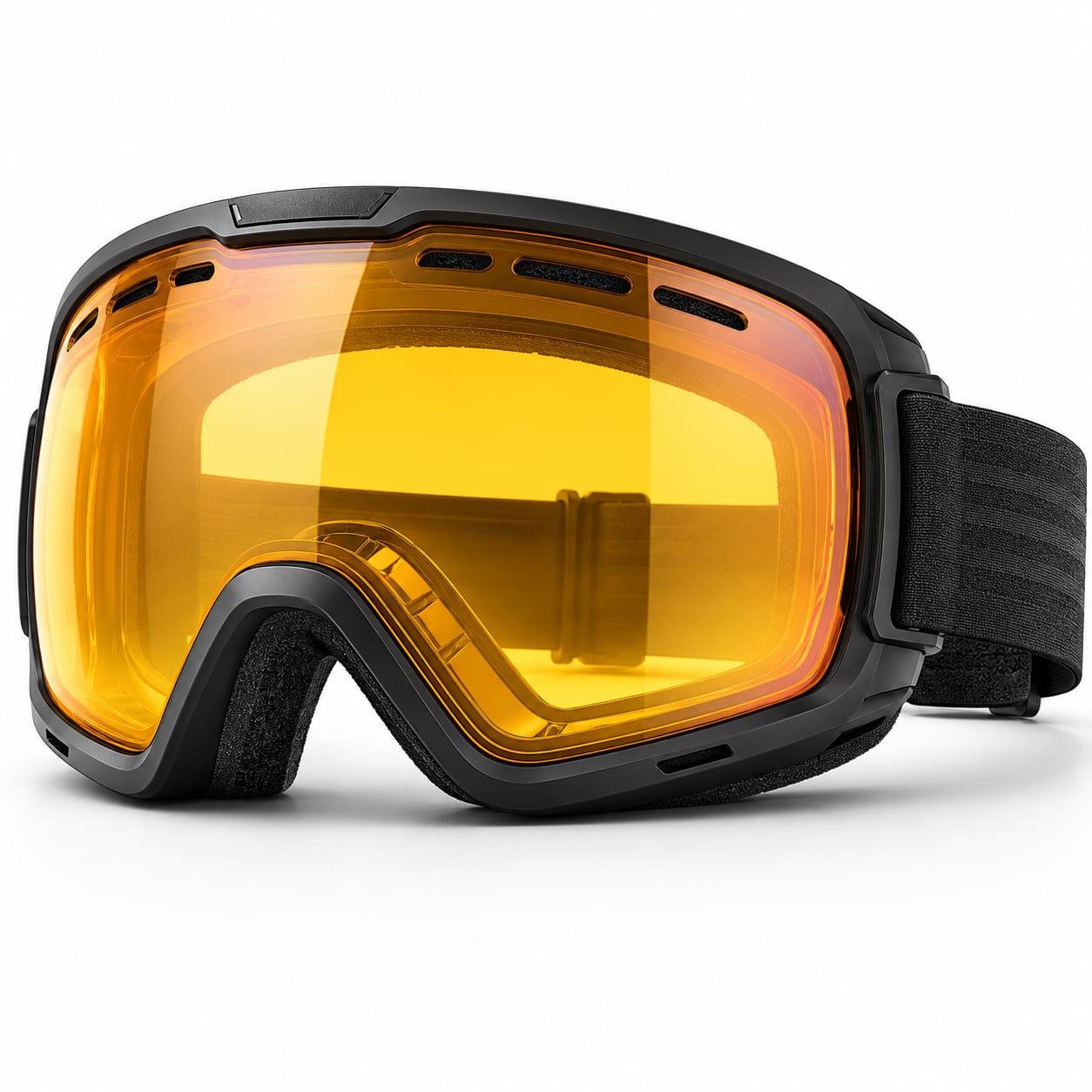
Most frameless goggles include a rose/copper/amber tint as the stock lens, as this provides the best all-around contrast enhancement. The quick-swap capability makes it easy to add a dark gray/mirror lens for bluebird days or a yellow/gold lens for storms.
Compared to other types
Tint options are the same across all goggle types, but frameless goggles with magnetic swap systems make it far more practical to own and use multiple tints for different conditions compared to traditional frame-swap designs.
Why it matters: Contrast-enhancing tints reveal terrain features in flat light, which is critical for safety and performance. The tint you choose has a bigger impact on visibility than almost any other feature.
What it means
The overall size of the goggle frame and lens, determining field of view and face fit compatibility.
Typical for this type
Medium For Most Adults; Large For Maximum Field Of View; Small Frameless Options Are Limited
Most common pick: Medium to Large
In practice
Frameless goggles skew medium to large because the design inherently requires a broad lens surface to maintain structural integrity and deliver the panoramic field of view that defines the category. Small frameless options exist but are fewer in number.
Compared to other types
Framed goggles offer more size options including small/youth and Asian fit models. Frameless goggles have fewer Asian/Low Bridge options, though some brands are expanding these fits.
Why it matters: Proper fit ensures a good face seal to prevent fogging and cold air intrusion. Frameless goggles that are too large for your face will gap at the nose or cheeks, while too-small goggles sacrifice the wide field of view that is the whole point of the design.
Anti-Fog System
Anti-Fog System
What it means
The technology and design features preventing lens fogging, including dual-layer construction, coatings, and ventilation.
Typical for this type
Dual Lens + Premium Anti-Fog Coating
Most common pick: Dual Lens Premium Coating
In practice
Frameless goggles are positioned in the mid-to-premium tier, so dual-lens construction with premium anti-fog coating is standard. The enhanced passive ventilation common in frameless designs also supports fog management by allowing more consistent airflow across the lens.
Compared to other types
Frameless goggles almost universally include premium anti-fog systems, whereas framed goggles at lower price points may use standard coatings or dual-lens-only construction.
Why it matters: Fogging is the number one complaint among goggle users. Premium anti-fog coatings combined with the ventilation design of frameless goggles provide the best defense, but you must never touch or wipe the inner lens coating.
Lens Interchangeability
Lens Interchangeability
What it means
The system and ease with which lenses can be swapped to adapt to changing light conditions.
Typical for this type
Magnetic Quick-Swap Preferred; Mechanical Quick-Swap Acceptable
Most common pick: Magnetic Quick Swap
In practice
Magnetic quick-swap is the dominant lens attachment system for frameless goggles. Without a frame to hold the lens via tension, magnets provide secure retention while enabling tool-free swaps in seconds. Some frameless models use mechanical clip systems as an alternative.
Compared to other types
Framed goggles predominantly use traditional frame-swap systems that require flexing the frame and prying the lens. Frameless goggles with magnetic systems offer dramatically faster, easier lens changes—a core category advantage.
Why it matters: The magnetic swap system is one of the primary practical advantages of frameless goggles. It transforms lens changing from a frustrating, cold-fingers ordeal into a simple snap-on/snap-off process, meaning you will actually adapt to changing conditions rather than suffering through the wrong lens.
UV Protection
UV Protection
What it means
The level of ultraviolet radiation blocking provided by the lens, critical for eye health at altitude.
Typical for this type
UV400 (100% UVA/UVB) — Non-Negotiable
Most common pick: Uv400
In practice
All quality frameless goggles feature UV400 protection as standard. The polycarbonate and Trivex lens materials used in frameless goggles inherently block UV radiation, and reputable brands ensure 100% UVA/UVB protection across their lens lineup.
Compared to other types
UV400 is standard across all quality goggle subcategories. Frameless goggles at their typical price point should always deliver full UV400 protection—any that do not should be avoided.
Why it matters: UV exposure increases 30-40% at altitude and snow reflects up to 80% of UV radiation. UV400 protection is essential for preventing photokeratitis (snow blindness) and long-term eye damage.
Over-the-Glasses (OTG) Compatible
Over-the-Glasses (OTG) Compatible
What it means
Whether the goggle is designed to accommodate prescription eyeglasses underneath without discomfort or fogging.
Typical for this type
Most Frameless Goggles Are Not OTG Compatible; Seek Specific OTG Frameless Models If Needed
Most common pick: False
In practice
The majority of frameless goggles are not designed for OTG use. The minimal frame design and close lens-to-face proximity leave insufficient space for prescription glasses. A few brands offer OTG-compatible frameless models with deeper channels, but they are the exception.
Compared to other types
Framed goggles offer far more OTG-compatible options with deeper frame channels designed to fit glasses. Frameless goggles sacrifice this accommodation for their minimalist design and close lens-to-face fit.
Why it matters: If you wear prescription glasses, most frameless goggles will not accommodate them comfortably. You will need to seek out specific OTG frameless models, use contact lenses, or consider a prescription insert if the goggle supports one.
Field of View
Field of View
What it means
The peripheral vision range provided by the goggle, measured in degrees of horizontal and vertical visibility.
Typical for this type
180-210 degrees horizontal
Most common pick: 180-200 degrees horizontal
In practice
Frameless goggles deliver the widest field of view in the ski goggle category, typically ranging from 180 to 200 degrees horizontal. The elimination of frame edges at the periphery removes visual obstruction, and the large spherical or toric lenses maximize the visible arc.
Compared to other types
Frameless goggles offer 10-25 degrees more horizontal field of view than comparable framed goggles. This is the primary performance advantage of the frameless design and the reason many advanced riders prefer them.
Why it matters: Wider field of view improves peripheral awareness of other skiers, terrain features, and obstacles. In trees, chutes, and crowded areas, the difference between 170 and 195 degrees of horizontal vision is immediately noticeable and can be safety-critical.
What it means
Whether the lens includes polarization to reduce glare from reflective snow surfaces.
Typical for this type
Non-Polarized Preferred For Most Skiing; Polarized Available As Secondary Lens Option
Most common pick: False
In practice
Most frameless goggles do not use polarized lenses as the stock option. Polarization reduces glare from snow but can make it harder to distinguish ice patches—a significant safety concern. Some brands offer polarized lenses as swap options for bright glacier skiing.
Compared to other types
Polarized lens availability is similar across framed and frameless goggles. The frameless advantage is that if you do want a polarized option for specific conditions, the quick-swap system makes it practical to carry one as a secondary lens.
Why it matters: Polarization is a double-edged sword in snow sports. It cuts glare effectively but can hide the visual difference between icy and snowy surfaces. Most experienced skiers prefer non-polarized contrast-enhancing lenses for better terrain reading.
Mirror Coating
Mirror Coating
What it means
Reflective coating on the outer lens surface that bounces additional light away, reducing glare and VLT.
Typical for this type
Full Mirror For Sunny Lens; No Mirror Or Partial Mirror For Low-Light Lens
Most common pick: Full Mirror
In practice
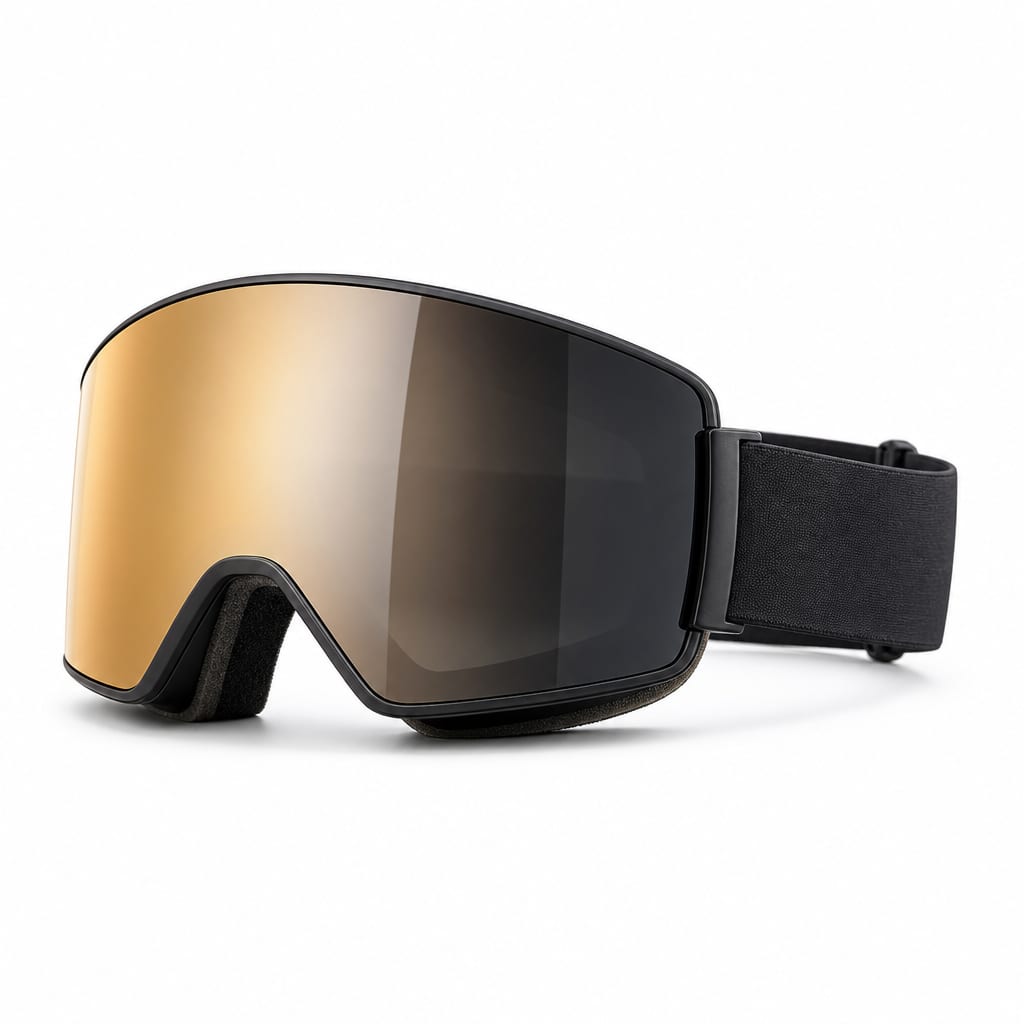
Frameless goggles commonly feature full mirror coatings on their stock lenses, both for the additional glare reduction and for the striking aesthetic that complements the frameless design. The mirror finish on a large, frameless spherical lens creates a distinctive, premium look.
Compared to other types
Mirror coatings are equally available on framed and frameless goggles, but the visual impact of a full mirror on a frameless lens is more dramatic due to the uninterrupted reflective surface.
Why it matters: Mirror coatings reduce incoming light by an additional 5-15% beyond the base tint, which is helpful in bright conditions. However, mirror coatings are the most scratch-prone part of any lens and require careful cleaning with microfiber cloths.
Ventilation Design
Ventilation Design
What it means
The airflow system built into the goggle frame to manage moisture and prevent fogging during activity.
Typical for this type
Enhanced Passive Ventilation
Most common pick: Enhanced Passive
In practice
Frameless goggles typically feature enhanced passive ventilation with larger, more numerous vents integrated into the minimal frame structure. The design allows consistent airflow across the inner lens surface to manage moisture and prevent fogging during exertion.
Compared to other types
Frameless goggles often have better ventilation than comparably-priced framed goggles because the minimal frame design allows larger vent channels. However, they may allow slightly more wind at very high speeds due to the larger lens surface area.
Why it matters: Proper ventilation is critical for fog prevention, especially during high-output activities like hiking to backcountry lines or skiing aggressively in wet snow. Enhanced passive ventilation provides excellent airflow without the weight and complexity of powered systems.
What it means
The multi-layer foam padding that creates a seal against the face, affecting comfort, fit, and moisture management.
Typical for this type
Triple Layer Standard Minimum; Triple Layer With Moisture Wicking Preferred
Most common pick: Triple Layer Standard
In practice
Frameless goggles at their typical price point feature triple-layer foam construction. The foam attaches directly to the lens edge rather than a frame, creating a seamless seal. Premium models upgrade to moisture-wicking top layers for improved sweat management.
Compared to other types
Frameless goggles typically offer comparable or superior foam quality to framed goggles at the same price point, as they are positioned in the mid-to-premium segment where triple-layer foam is standard.
Why it matters: Face foam is the primary interface between the goggle and your face. Quality foam ensures a comfortable, gap-free seal that prevents cold air, wind, and moisture intrusion. Triple-layer foam maintains its shape and seal over multiple seasons better than dual or single-layer alternatives.
Helmet Compatibility
Helmet Compatibility
What it means
How well the goggle integrates with ski helmets in terms of fit, strap grip, and gap-free interface.
Typical for this type
Universal Compatible; Test With Your Specific Helmet Before Purchasing
Most common pick: Universal Compatible
In practice
Most frameless goggles are designed for universal helmet compatibility with adjustable silicone-backed straps. However, the large lens surface and minimal frame can create fit nuances with certain helmet shapes, particularly those with narrow goggle grooves or recessed brims.
Compared to other types
Framed goggles, especially brand-matched sets, may offer more predictable helmet integration. Frameless goggles with their larger lens surface require more careful compatibility checking, though most work well with modern helmets.
Why it matters: Gaper gap between goggle and helmet causes cold foreheads and can contribute to fogging. The large profile of frameless goggles means fit testing with your specific helmet is more important than with smaller framed goggles.
Frame Material
Frame Material
What it means
The primary material used in the goggle frame, affecting flexibility, cold-weather performance, and durability.
Typical for this type
TPU Flexible
Most common pick: Tpu Flexible
In practice
Frameless goggles use TPU (thermoplastic polyurethane) for the minimal structural elements that remain—typically the lens edge channel and strap attachment points. TPU remains flexible in extreme cold and provides the slight give needed for magnetic lens systems to function properly.
Compared to other types
Frame material is less of a differentiator for frameless goggles since there is minimal frame present. The focus is on lens quality and attachment system engineering rather than frame composition.
Why it matters: Flexible frame material is essential for both comfort and lens swap functionality. TPU ensures the goggle conforms to your face and that the magnetic or clip attachment system maintains a secure seal in all temperatures.
Prescription Lens Compatible
Prescription Lens Compatible
What it means
Whether the goggle supports prescription vision correction through inserts or Rx-able lens options.
Typical for this type
Rx Insert Compatible (Sold Separately) If You Wear Glasses; Check Specific Model Compatibility
Most common pick: Rx Insert Compatible
In practice
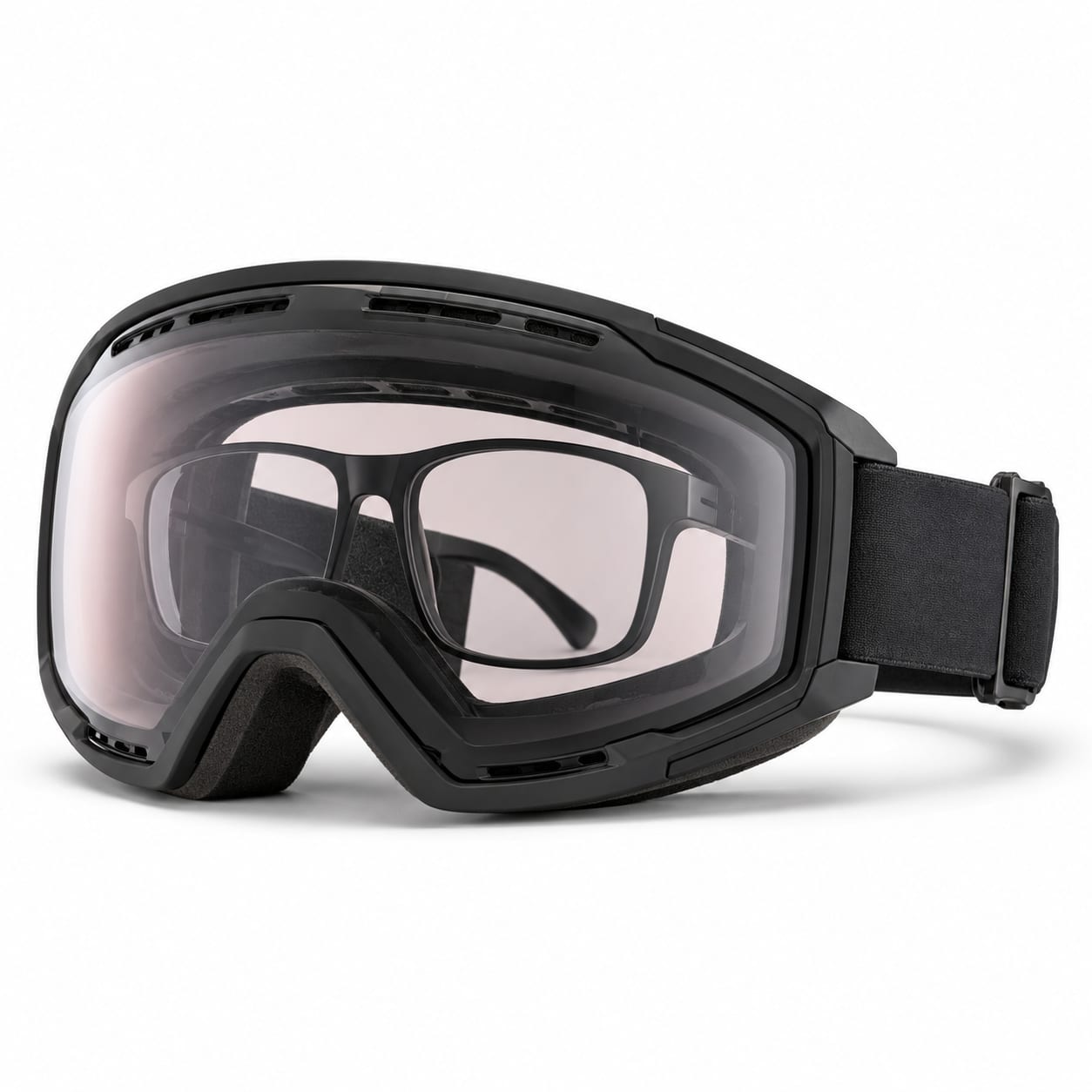
Some frameless goggles are compatible with prescription inserts that mount behind the main lens. However, not all frameless models support inserts, and the close lens-to-face design of some models leaves insufficient interior volume. Check specific model compatibility before purchasing.
Compared to other types
Framed goggles, especially OTG models, more commonly support prescription inserts or direct Rx lenses. Frameless goggles have fewer Rx options, though the category is expanding as brands recognize the demand.
Why it matters: For glasses wearers, Rx inserts solve both vision correction and the double-fog problem that occurs when wearing glasses under goggles. If a frameless goggle supports an insert, it is usually a better solution than attempting OTG use.