
Ski Goggles · FAQ
Questions about OTG (Over-the-Glasses) Ski Goggles
Straight answers on fit, specs, and when this type makes sense — each topic has its own page with links back to the buying guide.
Open OTG (Over-the-Glasses) Ski Goggles guide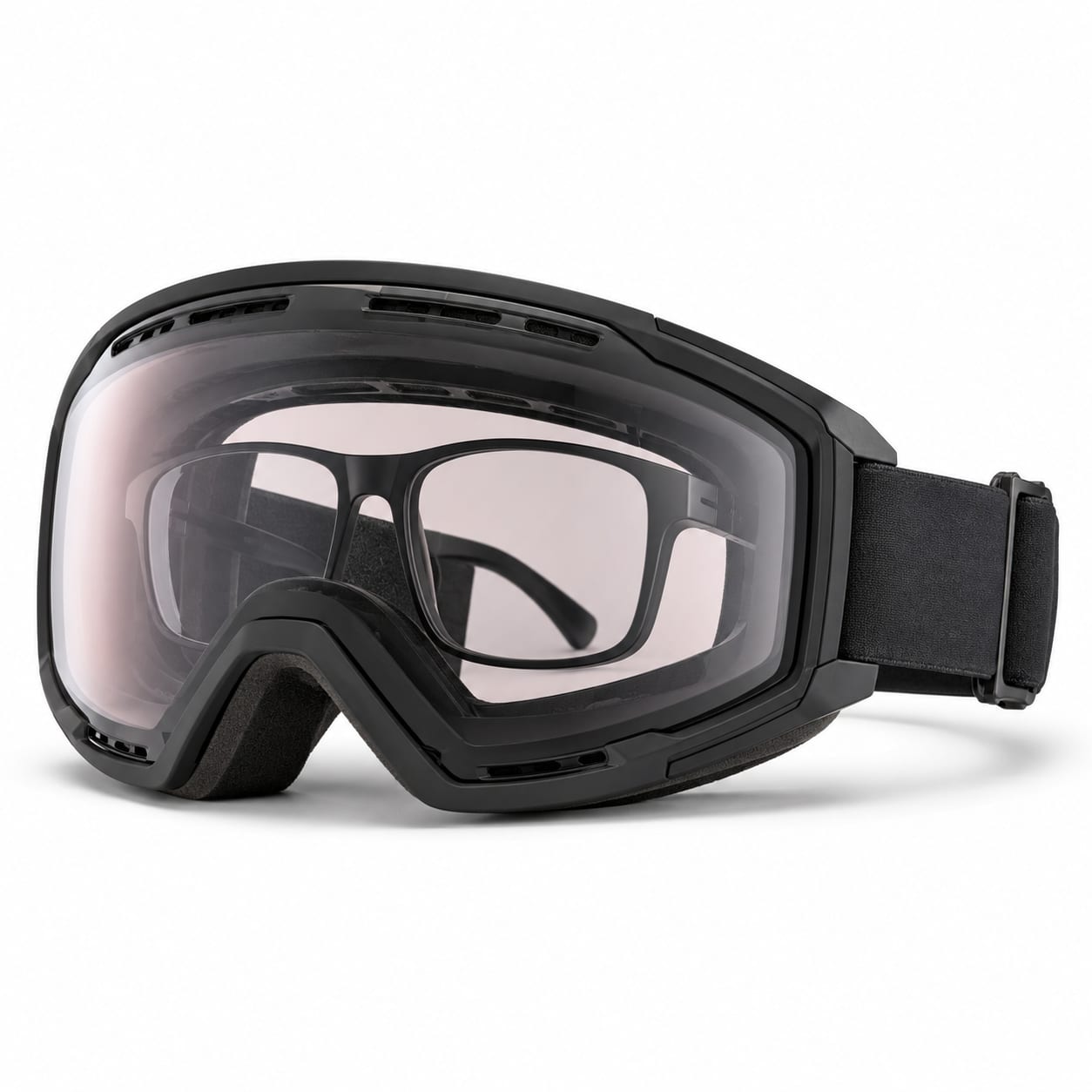
6 topics
Pick a question
Every answer links to the full subcategory guide and related gear types when it helps you decide.
Can I wear any goggles over my glasses, or do I need specific OTG goggles?
You need goggles specifically designed as OTG compatible. While some large standard goggles may physically fit over small glasses frames, they lack the temple notches, interior volume, and enhanced ventilation that make OTG use comfortable and fog-free. Standard goggles worn over glasses typically cause temple pressure, lens contact, and severe fogging. Always choose goggles explicitly labeled as OTG compatible.
Read answer →02Will my specific glasses frames fit under OTG goggles?
It depends on your frame size and style. Thin metal frames and smaller glasses fit most OTG goggles easily. Thick plastic frames, oversized fashion glasses, and frames with prominent nose pads may not fit well. The best approach is to bring your glasses when shopping and try on multiple OTG models. If your frames are particularly large, consider whether a smaller pair of glasses dedicated to skiing would improve your experience.
Read answer →03How do I prevent my glasses from fogging inside OTG goggles?
Managing double fog requires a multi-pronged approach: choose OTG goggles with premium anti-fog coating and enhanced ventilation, apply anti-fog treatment to your glasses lenses, avoid overdressing that causes excessive perspiration, briefly pull the goggle away from your face on chairlifts to flush humid air, and never put goggles on your forehead where they collect moisture. For chronic fogging, consider active ventilation goggles or Rx inserts that eliminate glasses from the equation.
Read answer →04Are OTG goggles significantly bulkier than regular goggles?
Modern OTG goggles are only modestly larger than standard goggles—typically 10-20% deeper in frame profile to accommodate glasses. Premium OTG models with spherical lenses look nearly identical to standard goggles from the front. The visual difference is most noticeable from the side due to the deeper frame. Most current OTG goggles do not look noticeably different when worn with a helmet.
Read answer →05Should I consider contact lenses instead of OTG goggles?
If you can comfortably wear contact lenses, they offer advantages: wider goggle selection, better fog performance, and no glasses-related visual restrictions. However, many skiers experience dry eyes, irritation, or discomfort from contacts in cold, dry mountain air at altitude. Contacts also require hygiene management and backup glasses. OTG goggles are the better choice if you have contact lens intolerance, dry eye syndrome, or simply prefer the convenience and lower cost of wearing your regular glasses.
Read answer →06Can I use an Rx insert with OTG goggles?
Many OTG goggles are also Rx insert compatible, and some include the insert. This gives you the best of both worlds: wear your glasses underneath on mild days, or use the Rx insert on fog-prone days when you want to eliminate the double-lens fog risk. Check the specific goggle model for Rx insert availability, and note that the insert requires a separate visit to your optometrist for custom prescription fitting.
Read answer →