Kitvore.com

Kitvore.com

Specs that matter. Gear that fits.

Ski Goggles · Subcategory

OTG (Over-the-Glasses) Ski Goggles

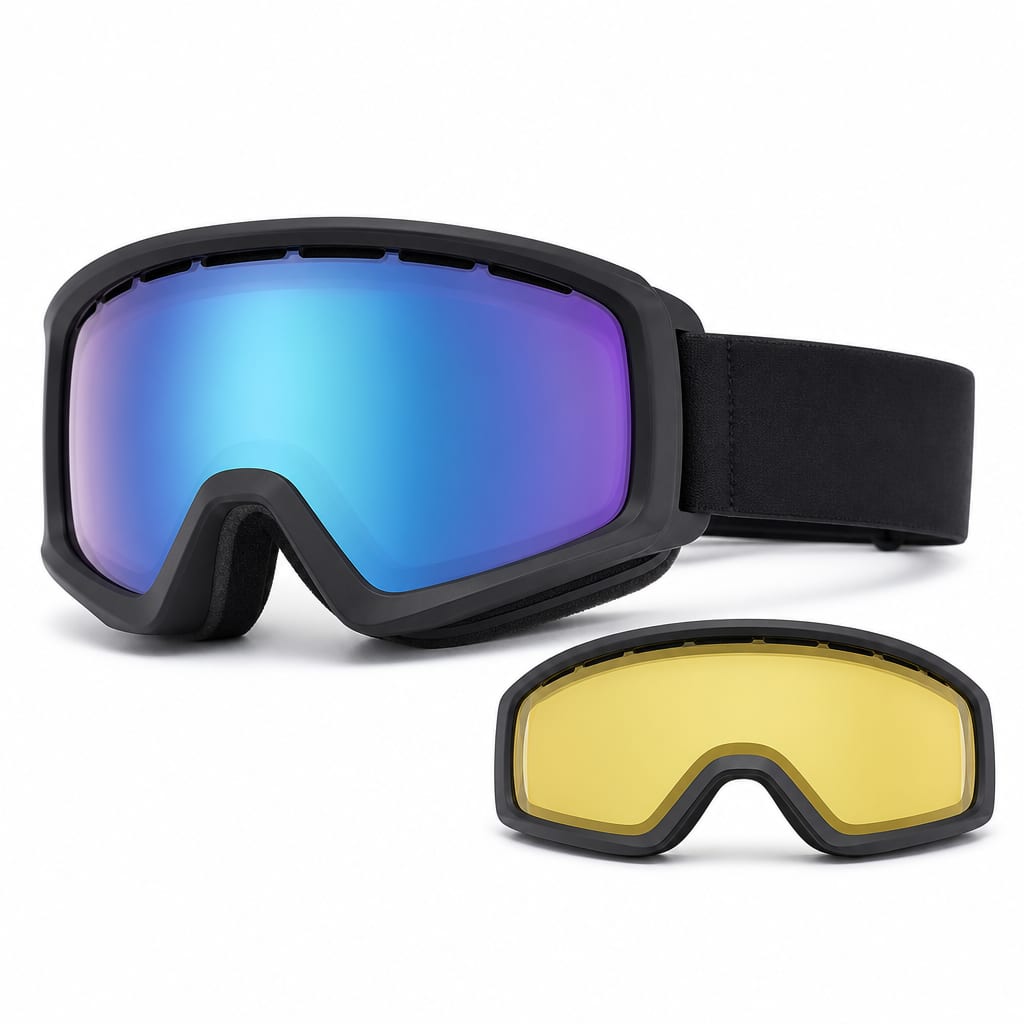
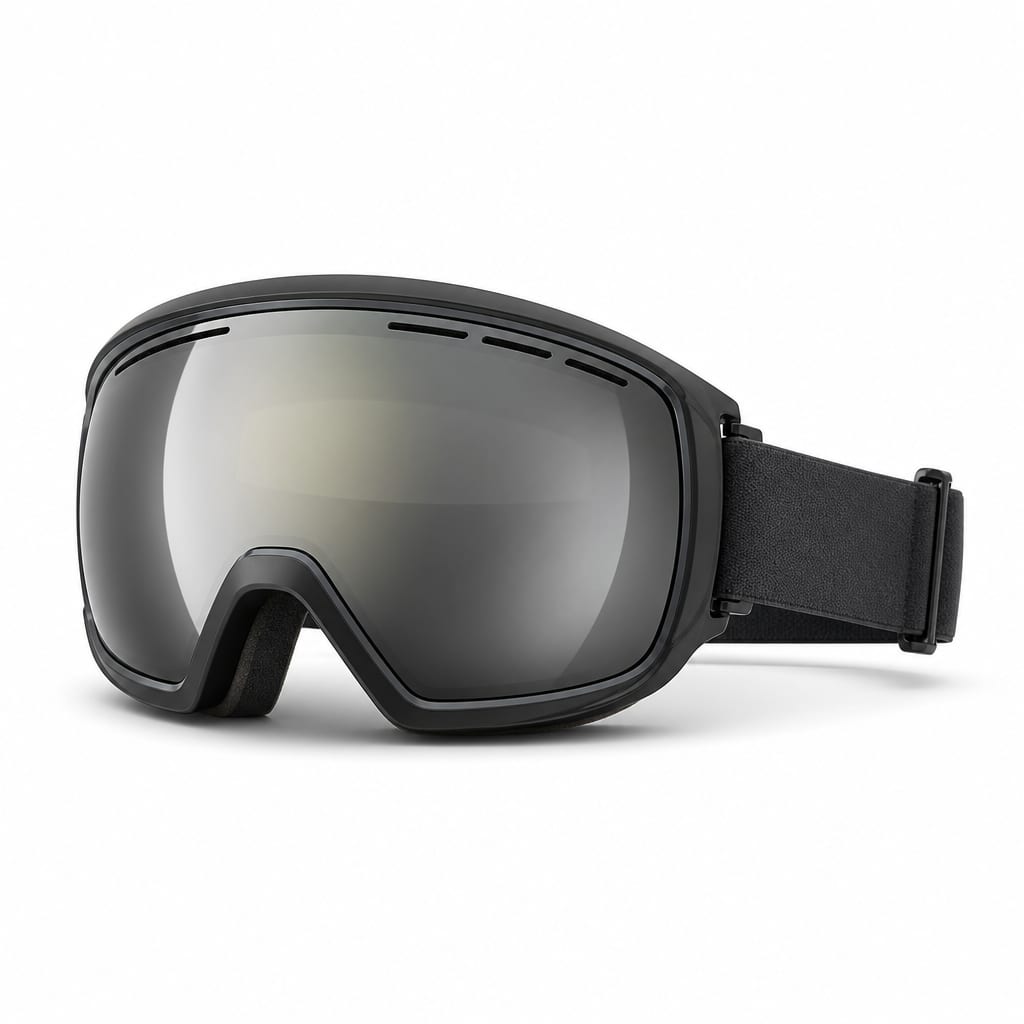
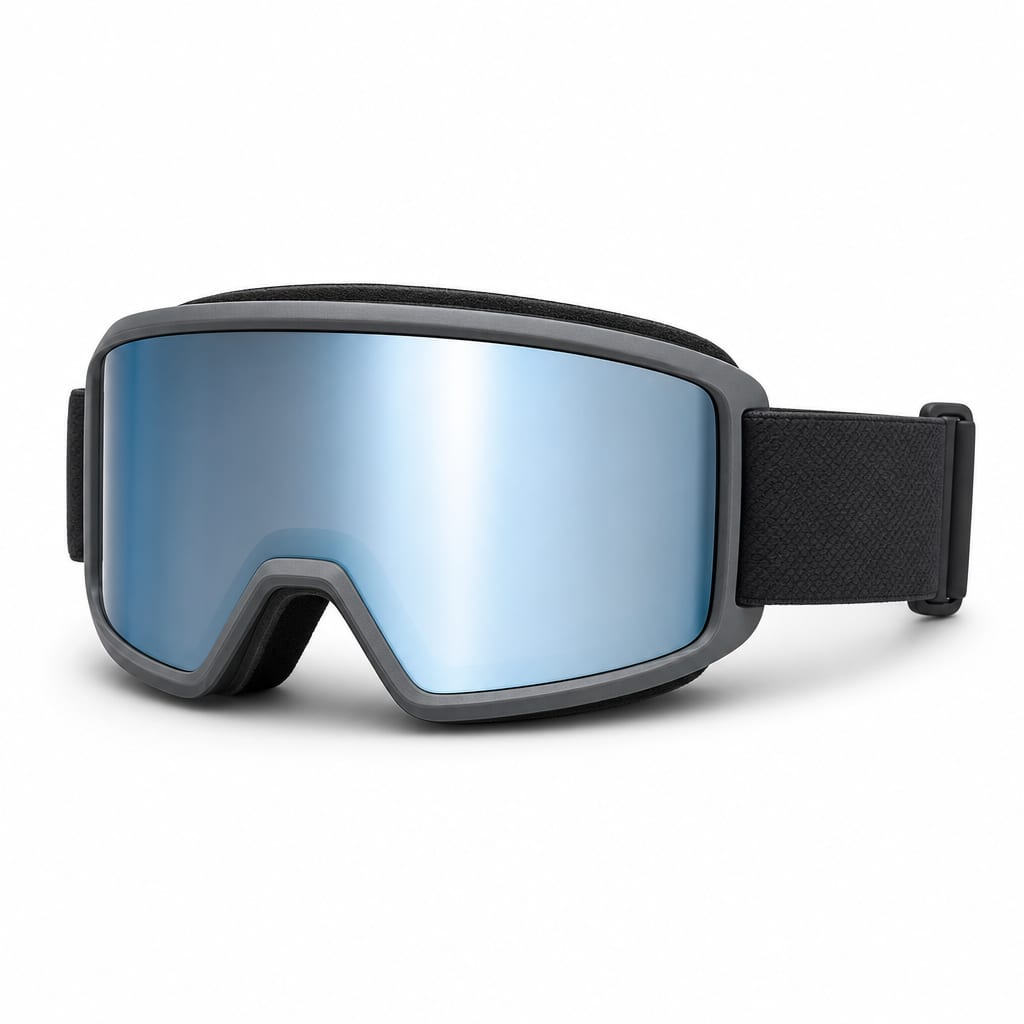
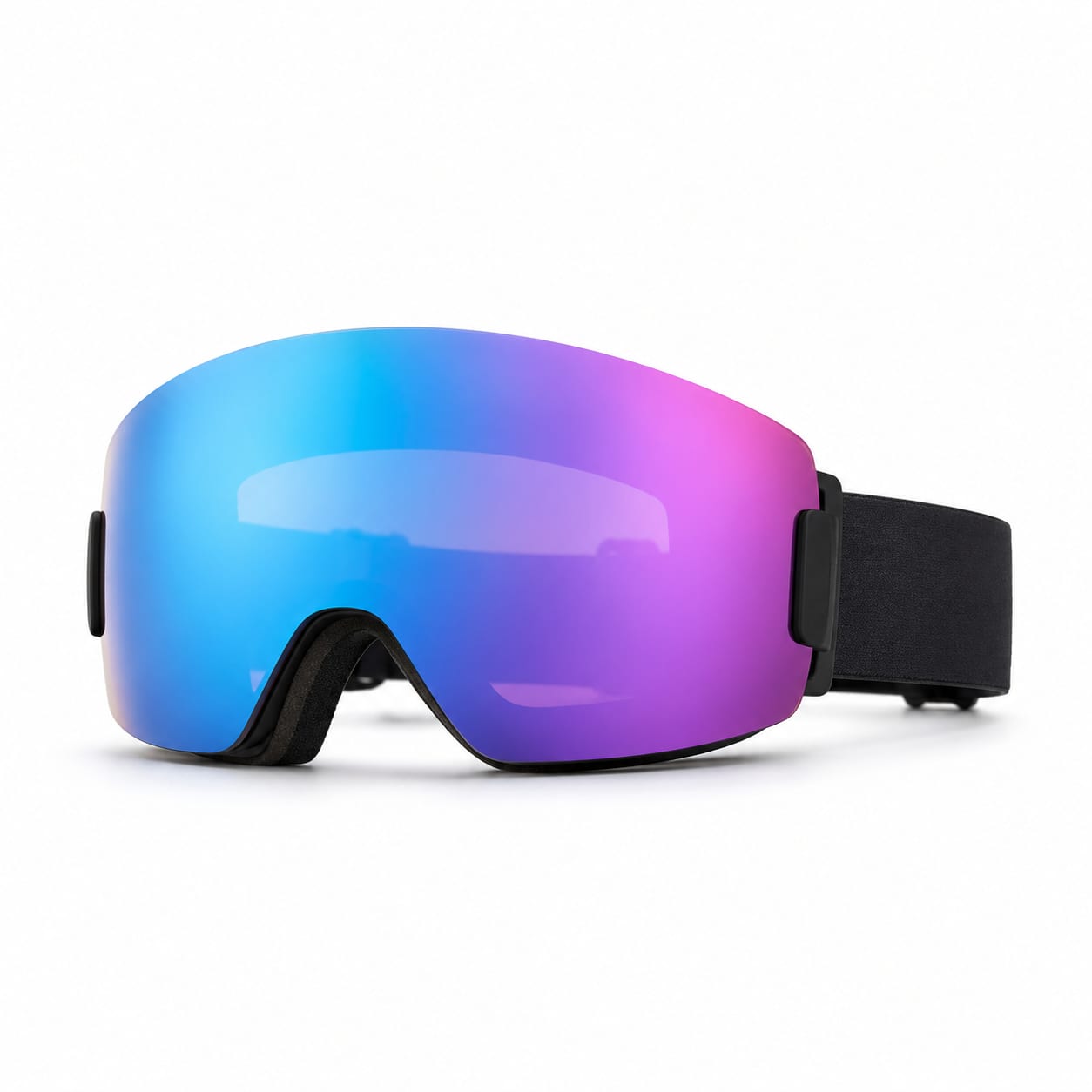
Ski goggles engineered with extra depth and notched temples to comfortably fit over prescription eyeglasses.

OTG ski goggles solve one of the most frustrating problems for glasses-wearing skiers and snowboarders: how to see clearly without switching to contacts or buying expensive prescription lenses. With deeper frame channels, relieved temple cutouts, and enhanced ventilation to combat double-fog risk, modern OTG goggles deliver the same optical performance and protection as standard goggles while accommodating your everyday frames underneath.

$40 – $180mid tierbeginnerintermediateadvanced

Best known for

Accommodating prescription glasses comfortably underneathNotched temple channels that reduce pressure on glasses armsExtra interior volume and deeper frame designEnhanced ventilation systems to combat double fogging
OTG (Over-the-Glasses) Ski Goggles

Guide

Detailed overview

OTG (Over-the-Glasses) ski goggles are purpose-built for the significant portion of skiers and snowboarders who wear prescription eyeglasses and prefer not to use contact lenses or invest in prescription goggle inserts. Unlike standard goggles, OTG models feature a deeper frame profile that creates sufficient interior volume for glasses frames without crushing them against the wearer's face. The temple areas are notched or relieved to allow glasses arms to pass through without creating painful pressure points during a full day on the mountain. This specialized construction addresses both comfort and performance: ill-fitting goggles over glasses cause temple pain, lens distortion from compressed frames, and a dramatically increased risk of fogging on both the glasses lenses and the goggle lenses. Quality OTG goggles incorporate enhanced ventilation systems and premium anti-fog coatings specifically to manage the higher moisture load that glasses introduce into the goggle's interior microclimate. Modern OTG goggles have evolved significantly from their bulky predecessors, with many current models offering spherical lenses, quick-swap systems, and styling nearly indistinguishable from standard goggles.

For the estimated 60% of adults who wear prescription eyewear, the question of how to see clearly on the mountain is not trivial. Contact lenses dry out in mountain air and can irritate at altitude. Prescription goggle inserts require a separate optometrist visit and add significant cost. OTG goggles remain the most accessible and immediate solution, allowing you to wear your everyday glasses under your goggles with no modifications, no extra appointments, and no ongoing consumable costs.

The engineering challenges of OTG design are more complex than simply making a bigger goggle. The interior volume must accommodate glasses frames without allowing them to shift or contact the goggle lens, which would cause smudges and fogging. Temple channels must be precisely shaped to relieve pressure on glasses arms while maintaining enough foam contact to create a proper face seal. Ventilation must be significantly enhanced because glasses-wearers face a double fog problem: moisture from breath and perspiration can fog both the inner goggle lens and the glasses lenses simultaneously. Premium OTG goggles address this with larger vent ports, optimized airflow channels that route air behind the glasses, and dual-lens construction with the best available anti-fog coatings.

Fit is the single most critical factor when choosing OTG goggles, and it depends on both your face shape and your specific glasses frames. Thin metal frames fit more easily than thick plastic frames. Small to medium glasses fit better than oversized fashion frames. The goggle must be tested with your actual glasses—trying them in a store is ideal. Pay special attention to whether the glasses touch the inner goggle lens, whether the temple arms create pressure points, and whether the goggle sits flush against your face without gaps that let in cold air and moisture. Always test OTG goggles with your helmet as well, since the strap and frame must integrate properly while still accommodating your glasses.

The performance gap between OTG and standard goggles has narrowed dramatically in recent years. Top OTG models now offer spherical lenses with wide fields of view, magnetic quick-swap lens systems, and premium anti-fog technology that rivals any standard goggle. The main trade-offs remain slightly increased bulk, a modest weight penalty, and the ongoing need to manage fogging more actively than non-glasses-wearers. For many skiers, these are minor compromises compared to the convenience and cost savings of wearing their regular prescription glasses on the slopes.

Quick facts

Primary purpose
Allow skiers who wear prescription glasses to use goggles comfortably without contacts
Popular brands
SmithOakleyScottBolléUVEX
Typical terrain
all resort terraingroomed runscasual skiing

What makes it different

Engineered interior space and arm routing for prescription frames; Enhanced ventilation to combat double-lens fogging

Recommended ranges

How this type usually specs out

Each spec is explained in plain language, then we show what buyers usually look for on this type.

Lens Shape

Lens Shape

What it means

The curvature profile of the goggle lens, affecting optical clarity, distortion, and field of view.

Typical for this type

Spherical Or Toric Preferred For Best Peripheral Vision With Glasses

Most common pick: Cylindrical

In practice

OTG goggles are available in all lens shapes, but cylindrical has historically been most common due to lower cost and simpler frame construction. Spherical lenses are increasingly available and especially beneficial for OTG users because the wider field of view helps compensate for the slight visual restriction that glasses frames impose.

Compared to other types

OTG goggles historically skewed cylindrical, but current premium models match standard goggle lens shape options. The performance benefit of spherical lenses is arguably greater for OTG users than for non-glasses-wearers.

Why it matters: Glasses frames already reduce your peripheral vision. A spherical or toric OTG goggle lens maximizes the remaining visible area and reduces edge distortion, which compounds when viewing through two layers of lenses.

VLT (%)

Visible Light Transmission

What it means

The percentage of visible light that passes through the lens, determining brightness and suitability for different weather conditions.

Typical for this type

18-45% for primary OTG goggle lens

Most common pick: 25%

In practice

VLT selection for OTG goggles follows the same principles as standard goggles, but glasses-wearers should lean toward slightly higher VLT values. Glasses frames and lens reflections slightly reduce overall light reaching the eye, and the double-lens effect can make very low VLT lenses feel darker than their rating suggests.

Compared to other types

OTG users benefit more from versatile mid-range VLT lenses (25-40%) and contrast-enhancing tints than standard goggle users, since the double-lens effect makes extreme low-VLT lenses feel darker.

Why it matters: A VLT that feels adequate in a standard goggle may feel too dark when viewed through prescription glasses as well. Choosing a slightly higher VLT or a contrast-enhancing tint compensates for this effect.

Lens Tint/Color

Lens Tint

What it means

The color tint of the lens, which filters light differently to enhance contrast and definition in specific conditions.

Typical for this type

Rose Copper Or Photochromic For Maximum Versatility

In practice

Rose, copper, and amber tints are especially recommended for OTG goggles because they enhance contrast and depth perception—qualities that are slightly diminished when viewing through prescription glasses. Photochromic lenses are an excellent OTG choice since glasses-wearers may find on-mountain lens swaps more cumbersome.

Compared to other types

OTG users should prioritize contrast-enhancing tints more heavily than standard goggle users. The convenience of photochromic lenses is also greater for OTG wearers since swapping lenses while managing glasses is more difficult.

Why it matters: Contrast enhancement helps compensate for the slight visual degradation of looking through two sets of lenses. If you struggle with flat light while wearing glasses, a contrast-enhancing goggle tint is your most impactful upgrade.

Frame Size

Frame Size

What it means

The overall size of the goggle frame and lens, determining field of view and face fit compatibility.

Typical for this type

Medium to Large; Must Accommodate Your Specific Glasses Frames

In practice

OTG goggles are inherently larger than standard goggles to create interior volume for glasses. Most true OTG models fall in the medium-large to large range. Small-faced glasses-wearers face a particular challenge finding OTG goggles that both fit their face and accommodate their frames.

Compared to other types

OTG goggles run larger than standard goggles by necessity. This means small-faced glasses-wearers have fewer options and should prioritize trying on multiple models. Asian/Low Bridge OTG goggles exist but are less common.

Why it matters: A frame that is too small will compress glasses against your face, causing pain and fogging. A frame that is too large may not seal properly, also causing fogging and cold air intrusion. The goggle must fit both your face and your glasses simultaneously.

Anti-Fog System

Anti-Fog System

What it means

The technology and design features preventing lens fogging, including dual-layer construction, coatings, and ventilation.

Typical for this type

Dual Lens With Premium Anti-Fog Coating Is Strongly Recommended

Most common pick: Dual Lens Premium Coating

In practice

Anti-fog performance is arguably the most critical specification for OTG goggles. Glasses inside goggles create a double fog risk: moisture can condense on both the goggle's inner lens and the glasses lenses. Premium dual-lens construction with high-quality anti-fog coating is essential, not optional.

Compared to other types

OTG goggles demand higher anti-fog performance than standard goggles. Where a standard goggle user might accept dual-lens with standard coating, OTG users should insist on premium coatings and consider active ventilation options.

Why it matters: A standard goggle that fogs occasionally is annoying. An OTG goggle that fogs is dangerous—fog on both your glasses and goggle lenses can completely obscure your vision. Premium anti-fog systems are a safety requirement for OTG use.

Lens Interchangeability

Lens Interchangeability

What it means

The system and ease with which lenses can be swapped to adapt to changing light conditions.

Typical for this type

Magnetic Quick Swap Or Mechanical Quick Swap Preferred For Convenience With Glasses

Most common pick: Frame Swap

In practice

Lens interchangeability is especially valuable for OTG users because changing conditions are harder to manage when you cannot easily swap lenses. Magnetic quick-swap systems are ideal because they can be operated with gloves on while wearing glasses, without removing either.

Compared to other types

Quick-swap lens systems provide greater relative benefit to OTG users than standard goggle users because the physical process of lens swapping is more cumbersome when wearing glasses underneath.

Why it matters: Swapping lenses on a traditional frame goggle while wearing glasses is awkward and risks damaging the lens, the goggle, or your glasses. Quick-swap systems dramatically reduce this friction and make you more likely to adapt to changing light.

UV Protection

UV Protection

What it means

The level of ultraviolet radiation blocking provided by the lens, critical for eye health at altitude.

Typical for this type

UV400 (100% UVA/UVB) — Non-Negotiable

Most common pick: Uv400

In practice

UV400 protection is standard across quality OTG goggles and should never be compromised. UV exposure at altitude is intense, and glasses do not provide adequate side protection. The goggle must deliver complete UV blocking regardless of prescription eyewear underneath.

Compared to other types

UV protection requirements are identical between OTG and standard goggles. However, OTG users should verify that their glasses do not create UV exposure gaps on the sides that the goggle lens must cover.

Why it matters: Your prescription glasses may not block UV from the sides or below. UV400 goggle lenses provide wraparound protection that glasses alone cannot. This is a health requirement, not a feature upgrade.

Over-the-Glasses (OTG) Compatible

Over-the-Glasses (OTG) Compatible

What it means

Whether the goggle is designed to accommodate prescription eyeglasses underneath without discomfort or fogging.

Typical for this type

True (By Definition For This Subcategory)

In practice

All goggles in this subcategory are OTG compatible by design. This means they feature deeper interior volume, notched or relieved temple areas for glasses arms, and sufficient frame flexibility to accommodate various glasses frame sizes and shapes.

Compared to other types

This is the defining characteristic of this subcategory. Standard goggles may be large but lack the specific features (temple notches, interior depth, enhanced ventilation) that make wearing glasses comfortable and fog-free.

Why it matters: True OTG compatibility is more than just a large frame. It requires intentional design features: temple cutouts, interior volume management, and ventilation optimized for the additional moisture load that glasses introduce.

Field of View

Field of View

What it means

The peripheral vision range provided by the goggle, measured in degrees of horizontal and vertical visibility.

Typical for this type

155-190 degrees horizontal

Most common pick: 160 degrees horizontal

In practice

OTG goggles typically offer slightly less peripheral vision than equivalent standard goggles because the deeper frame construction and glasses-compatible design can limit lens curvature at the edges. However, premium OTG models with spherical lenses approach the field of view of standard goggles.

Compared to other types

OTG goggles typically have 5-15 degrees less horizontal field of view than comparable standard goggles due to frame depth requirements. Spherical OTG lenses narrow this gap significantly.

Why it matters: Your glasses frames already restrict peripheral vision. The goggle should minimize additional restriction. Wider field of view OTG goggles help compensate for the visual limitation imposed by wearing glasses underneath.

Polarized

Polarized Lens

What it means

Whether the lens includes polarization to reduce glare from reflective snow surfaces.

Typical for this type

Non-Polarized Preferred For Most OTG Users

Most common pick: False

In practice

Polarization is generally less recommended for OTG goggles. The double-lens effect of glasses plus goggles can create visual artifacts with polarization, and ice detection is already more challenging when viewing through prescription lenses. Non-polarized contrast-enhancing tints are usually the better choice.

Compared to other types

Polarization is less commonly recommended for OTG goggles than standard goggles due to potential interaction with prescription lens coatings and the compounding effect on ice detection difficulty.

Why it matters: Polarization can interact with prescription lens coatings to create distracting visual effects. Additionally, OTG users already have slightly reduced contrast from their glasses, making the ice-detection trade-off of polarization more significant.

Mirror Coating

Mirror Coating

What it means

Reflective coating on the outer lens surface that bounces additional light away, reducing glare and VLT.

Typical for this type

Partial Mirror Or No Mirror For Versatile OTG Use

In practice

Partial or flash mirror coatings are common on OTG goggles because they provide modest glare reduction without excessively darkening the view through two sets of lenses. Full mirror coatings are available but should be paired with higher-VLT base tints to avoid making the view too dark.

Compared to other types

OTG users should be more cautious with full mirror coatings than standard goggle users. The cumulative light reduction from glasses + base tint + mirror coating can result in insufficient visibility.

Why it matters: Mirror coatings reduce light transmission beyond the base tint VLT. Since glasses already slightly reduce light reaching your eyes, aggressive mirror coatings on OTG goggles can make the overall view too dark, especially in variable or flat light conditions.

Ventilation Design

Ventilation Design

What it means

The airflow system built into the goggle frame to manage moisture and prevent fogging during activity.

Typical for this type

Enhanced Passive Or Active Vent Strongly Recommended

In practice

Enhanced ventilation is critical for OTG goggles because glasses trap moisture and warm air inside the goggle chamber, dramatically increasing fog risk. The best OTG goggles feature oversized vent ports and airflow channels specifically designed to route air behind the glasses lenses.

Compared to other types

OTG goggles require a higher ventilation standard than standard goggles. Where enhanced passive ventilation is a nice upgrade for standard goggles, it is a practical necessity for OTG use. Active ventilation should be seriously considered by chronic fog sufferers.

Why it matters: Glasses-wearers generate significantly more fog potential inside their goggles than non-glasses-wearers. Standard passive ventilation is often insufficient. Enhanced or active ventilation is the difference between a functional OTG goggle and a fogged-up liability.

Face Foam

Face Foam

What it means

The multi-layer foam padding that creates a seal against the face, affecting comfort, fit, and moisture management.

Typical for this type

Triple Layer Standard Or Triple Layer Moisture Wicking

In practice

Quality face foam is important for OTG goggles because the foam must create a seal around both the goggle frame and the glasses temple arms. Triple-layer foam provides the conformability needed to seal around the irregular shape created by glasses underneath. Moisture-wicking top layers help manage the increased perspiration that glasses-wearers often experience.

Compared to other types

OTG goggles benefit more from premium face foam than standard goggles because the foam must accommodate the irregular profile of glasses frames. Dual-layer or single-layer foam is more likely to develop gaps around glasses arms.

Why it matters: Glasses arms create channels in the face foam that can become leak points for cold air and moisture. Higher-quality, multi-density foam conforms better around these obstacles, maintaining a proper seal and improving comfort during long days.

Helmet Compatibility

Helmet Compatibility

What it means

How well the goggle integrates with ski helmets in terms of fit, strap grip, and gap-free interface.

Typical for this type

Universal Compatible Or Seamless Integration With Tested Helmet

In practice

OTG goggles must integrate with helmets while still allowing room for glasses. This makes helmet compatibility even more important than for standard goggles, since the OTG goggle's larger frame and deeper profile can create fit issues with certain helmet shapes. Testing with both your glasses and your helmet is essential.

Compared to other types

OTG goggles are more likely to have helmet compatibility issues than standard goggles due to their larger frame profile. The deeper frame can conflict with some helmet brims, making pre-purchase testing even more important.

Why it matters: An OTG goggle that fits over your glasses but doesn't integrate with your helmet creates gaper gap, cold foreheads, and fogging. The three-way fit—goggle, glasses, and helmet—must all work together. This is the most common fit failure for OTG users.

Frame Material

Frame Material

What it means

The primary material used in the goggle frame, affecting flexibility, cold-weather performance, and durability.

Typical for this type

TPU Flexible — Essential For OTG Use

Most common pick: Tpu Flexible

In practice

Flexible TPU frames are especially important for OTG goggles because the frame must flex around glasses frames without cracking or creating pressure points. The flexibility also allows the goggle to conform to the irregular surface created by glasses underneath, maintaining a proper seal.

Compared to other types

Flexible frame material is more important for OTG goggles than standard goggles because the frame must conform around glasses. Rigid plastic frames should be strictly avoided for OTG use.

Why it matters: Rigid frames cannot accommodate the variable shapes of different glasses frames. TPU flexibility allows the OTG goggle to adapt to your specific glasses, creating a better seal and more comfortable fit. In extreme cold, this flexibility prevents the frame from becoming brittle against stiff glasses arms.

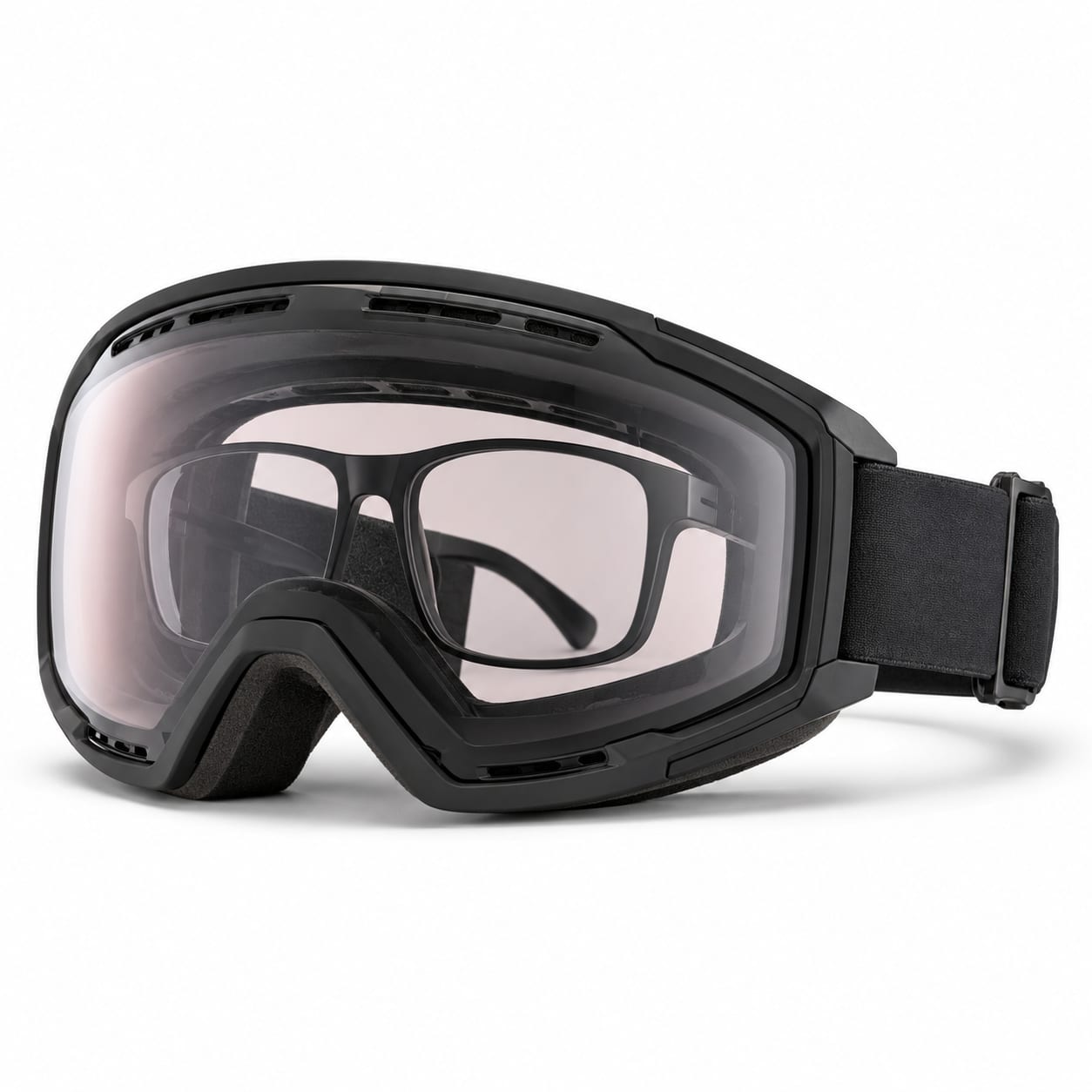
Prescription Lens Compatible

Prescription Lens Compatible

What it means

Whether the goggle supports prescription vision correction through inserts or Rx-able lens options.

Typical for this type

Rx Insert Included Or Rx Insert Compatible As A Valuable Alternative Or Supplement to OTG Use

In practice

Many OTG goggles also offer Rx insert compatibility, providing a best-of-both-worlds solution. An Rx insert eliminates the need to wear glasses underneath, solving the double-fog problem while keeping the goggle's OTG capability as a backup. Some OTG goggles include the insert; others offer it as an accessory.

Compared to other types

OTG goggles are more likely to offer Rx insert options than standard goggles because the target user already wears prescription eyewear. This dual approach (OTG + Rx insert) is unique to this subcategory and provides maximum flexibility.

Why it matters: Rx inserts solve the fundamental OTG problem—fogging—by removing the glasses from the equation. Having both OTG capability and Rx insert compatibility gives you flexibility: use the insert on fog-prone days, wear your glasses on milder days.

Evaluation

Strengths and trade-offs

Pros

What this type does best

No contacts or prescription inserts required

Critical

Wear your everyday prescription glasses directly under the goggles with no additional purchases, optometrist visits, or ongoing consumable costs. This is the simplest and most affordable vision solution for glasses-wearing skiers.

Immediate usability out of the box

High

Unlike prescription goggle lenses or inserts that require custom ordering and fitting, OTG goggles work with your existing glasses from day one. No lead time, no extra appointments, no waiting.

Temple notch design eliminates pressure points

High

Purpose-built OTG goggles feature notched or relieved temple areas that allow glasses arms to pass through without creating the painful pressure that standard goggles cause. This makes all-day wear comfortable for glasses-wearers.

Wide availability across price points

Medium

OTG goggles are available from budget-friendly models under $50 to premium options with spherical lenses and magnetic swap systems. Glasses-wearers have genuine choice across the price spectrum.

Many models include Rx insert compatibility

Medium

The best OTG goggles offer both over-the-glasses capability and Rx insert compatibility, giving you the option to eliminate glasses entirely on fog-prone days while retaining OTG as a backup.

Modern OTG goggles match standard goggle performance

Medium

Current premium OTG goggles offer spherical lenses, wide fields of view, quick-swap systems, and premium anti-fog coatings that rival any standard goggle. The performance gap has largely closed.

Cons

Trade-offs to be aware of

Double fog risk with glasses inside

Significant

Glasses inside goggles create a double fog problem: moisture can condense on both the goggle inner lens and the glasses lenses simultaneously. Even with premium anti-fog systems, OTG users must manage fogging more actively than standard goggle users.

Slightly reduced field of view

Moderate

The deeper frame construction required for glasses accommodation and the glasses frames themselves both reduce peripheral vision compared to standard goggles. This can be mitigated with spherical lenses but not entirely eliminated.

Bulkier appearance and fit

Minor

OTG goggles are necessarily larger and deeper than standard goggles, which some users find less aesthetically appealing and which can create more integration challenges with certain helmet styles.

Glasses compatibility varies by frame style

Moderate

Not all glasses frames work equally well under OTG goggles. Thick plastic frames, oversized fashion glasses, and wire-rimmed frames with nose pads that extend far may not fit comfortably. Your specific glasses determine your OTG experience.

More difficult lens swaps while wearing glasses

Minor

Changing goggle lenses is more cumbersome when wearing glasses because you cannot easily remove the goggles without also managing your prescription frames. Quick-swap magnetic systems help but do not fully eliminate this friction.

Best for

Terrain

Groomed runsAll-mountainResort skiingBackcountry touring

Snow conditions

Variable conditionsOvercast and flat lightCold dry conditionsStorm days with enhanced ventilation

Skill level

BeginnerIntermediateAdvancedExpert

Riding style

Recreational skiingAll-mountain skiingFreerideBackcountry touring

Rider profile

Glasses-wearing skiers who prefer not to use contactsSkiers with dry eyes or contact lens intoleranceBudget-conscious glasses wearers seeking an affordable vision solutionOccasional skiers who do not want to invest in prescription goggle lensesSkiers who want both OTG capability and Rx insert flexibility

Not ideal for

Reasons

Skiers who can comfortably wear contact lenses may prefer standard goggles for lower fog risk and wider field of viewThose willing to invest in direct prescription goggle lenses get superior optical clarity without the double-lens effectRiders with very small faces and large glasses frames may struggle to find an OTG goggle that fits both properlySkiers who frequently ski in warm, humid storm conditions where fog management is already challenging

Terrain

Terrain parks where maximum peripheral vision is critical

Riding style

High-speed racing where minimal profile and maximum field of view are paramount

Compare

How it stacks up

This page

OTG (Over-the-Glasses) Ski Goggles

Accommodates prescription glasses comfortably with purpose-built temple notches and interior volume, eliminating the need for contacts or Rx solutions.

Alternative

Standard Ski Goggles

Lower fog risk, wider field of view, more compact profile, broader style options, and typically lower weight.

Bottom line

Choose OTG if you wear glasses and prefer not to use contacts. Choose standard goggles if you have functional contact lenses or prescription inserts, as they offer slightly better fog performance and field of view.

This page

OTG (Over-the-Glasses) Ski Goggles

No additional cost or optometrist visit required. Works with your existing glasses immediately. You can switch between wearing glasses under the goggle or using an insert if the goggle supports both.

Alternative

Prescription Insert Goggles

Eliminates double-fog risk entirely by removing glasses from the goggle interior. Cleaner optical path with no glasses frame obstruction. More secure fit without glasses shifting during activity.

Bottom line

Choose OTG if you want the simplest, most affordable solution or prefer the flexibility of wearing your own glasses. Choose Rx insert goggles if fogging is your primary concern and you are willing to invest in a custom insert.

This page

OTG (Over-the-Glasses) Ski Goggles

Significantly lower total cost. No custom lens manufacturing required. Works with any prescription, including complex or changing prescriptions that would require costly Rx lens replacement.

Alternative

Direct Prescription Lens Goggles

Best possible optical quality with no double-lens effect. Lightest weight solution. No fog risk from glasses. Cleanest aesthetic with no visible interior frames.

Bottom line

Choose OTG for affordability and flexibility, especially if your prescription changes. Choose direct Rx lenses if budget allows and you want the highest optical performance with zero fog risk from glasses.

This page

OTG (Over-the-Glasses) Ski Goggles

No eye irritation from contacts in dry, high-altitude mountain air. No risk of losing a contact on the mountain. No need for contact lens supplies and hygiene management during ski trips.

Alternative

Contact Lenses + Standard Goggles

Widest goggle selection with no fit compromises. Best field of view and fog performance. No glasses-related visual restrictions. Simplest goggle management.

Bottom line

Choose OTG if you experience contact lens discomfort, dry eyes, or prefer not to deal with contacts in mountain conditions. Choose contacts + standard goggles if you wear contacts comfortably and want maximum goggle performance and selection.

Shopping

Buying tips

  • 1

    Bring your actual prescription glasses and helmet when trying on OTG goggles. Fit depends on your specific glasses frames, and the three-way interaction between goggle, glasses, and helmet must all work together.

  • 2

    Prioritize anti-fog performance above all other features. Look for dual-lens construction with premium anti-fog coating and enhanced or active ventilation. This is the feature that determines whether your OTG goggles are usable or frustrating.

  • 3

    Choose spherical lenses if budget allows. The wider field of view and reduced distortion are more beneficial for OTG users because glasses frames already restrict peripheral vision and add visual complexity.

  • 4

    Consider photochromic lenses as your primary OTG lens. They eliminate the need for on-mountain lens swaps, which are more cumbersome when wearing glasses, and adapt to changing light automatically.

  • 5

    Check that your glasses do not touch the inner goggle lens when the goggles are on. Contact between glasses and goggle lens causes smudges, scratches, and fogging hot spots. There should be visible clearance on all sides.

  • 6

    If you have thick plastic frames, consider whether smaller or thinner glasses would improve your OTG experience. The single biggest variable in OTG comfort is your glasses frame choice, not the goggle choice.

  • 7

    Look for OTG goggles that also offer Rx insert compatibility. This gives you the option to use an insert on high-fog-risk days while retaining OTG capability as a backup, providing maximum flexibility.

  • 8

    Avoid OTG goggles with minimal ventilation regardless of price. The budget savings are not worth the fogging frustration. Enhanced passive ventilation should be the minimum standard for any OTG purchase.

Care

Maintenance notes

  • Never wipe the inner goggle lens or your glasses lenses while wearing the goggles. Removing the goggle to clean your glasses is essential but do it away from wind and snow to prevent moisture intrusion.
  • Store OTG goggles with the strap extended and nothing resting on the frame. The deeper frame is more susceptible to deformation if crushed in a gear bag. Use a soft goggle pouch or hard case.
  • Allow goggles to air dry completely after each use before storing. The interior volume that accommodates glasses also traps more moisture, making thorough drying more important than with standard goggles.
  • Clean glasses before putting on OTG goggles. Fingerprints and oils on your glasses lenses are magnified by the goggle lens and reduce overall clarity more than you would experience without goggles.
  • If using an Rx insert, clean it with the same care as the goggle's inner lens. Rx inserts have anti-fog coatings that are equally delicate and should never be wiped with dry or abrasive materials.
  • Replace face foam more proactively than with standard goggles. The foam in OTG goggles experiences more compression and deformation from glasses arms, and degraded foam leads to gaps that cause fogging.
  • Keep a microfiber cloth accessible for cleaning both your glasses and goggle outer lens. OTG users need to manage two sets of lenses, making a dedicated cleaning cloth more important.

Progression

Skill development path

OTG goggles serve glasses-wearing skiers at every skill level, but the relationship with the equipment evolves. Beginners benefit from the immediate usability and affordability of OTG goggles, allowing them to focus on learning without vision concerns. As skiers advance and spend more full days on the mountain, fog management becomes the primary skill—learning when to ventilate goggles on lifts, how to manage exertion levels to reduce fogging, and when to briefly remove goggles to clear glasses. Advanced and expert OTG users often invest in premium models with active ventilation and Rx inserts for backcountry and high-exertion touring where fog risk is highest. Many long-term glasses-wearing skiers eventually develop a two-system approach: OTG goggles for resort days and convenience, and Rx inserts or prescription goggles for demanding backcountry or storm-day missions.

FAQ

Common questions

Each question has a dedicated page with a full answer and links to the buying guide.

Can I wear any goggles over my glasses, or do I need specific OTG goggles?

You need goggles specifically designed as OTG compatible. While some large standard goggles may physically fit over small glasses frames, they lack the temple notches, interior volume, and enhanced ventilation that make OTG use comfortable and fog-free. Standard goggles worn over glasses typically cause temple pressure, lens contact, and severe fogging. Always choose goggles explicitly labeled as OTG compatible.

Will my specific glasses frames fit under OTG goggles?

It depends on your frame size and style. Thin metal frames and smaller glasses fit most OTG goggles easily. Thick plastic frames, oversized fashion glasses, and frames with prominent nose pads may not fit well. The best approach is to bring your glasses when shopping and try on multiple OTG models. If your frames are particularly large, consider whether a smaller pair of glasses dedicated to skiing would improve your experience.

How do I prevent my glasses from fogging inside OTG goggles?

Managing double fog requires a multi-pronged approach: choose OTG goggles with premium anti-fog coating and enhanced ventilation, apply anti-fog treatment to your glasses lenses, avoid overdressing that causes excessive perspiration, briefly pull the goggle away from your face on chairlifts to flush humid air, and never put goggles on your forehead where they collect moisture. For chronic fogging, consider active ventilation goggles or Rx inserts that eliminate glasses from the equation.

Are OTG goggles significantly bulkier than regular goggles?

Modern OTG goggles are only modestly larger than standard goggles—typically 10-20% deeper in frame profile to accommodate glasses. Premium OTG models with spherical lenses look nearly identical to standard goggles from the front. The visual difference is most noticeable from the side due to the deeper frame. Most current OTG goggles do not look noticeably different when worn with a helmet.