
If you can comfortably wear contact lenses, they offer advantages: wider goggle selection, better fog performance, and no glasses-related visual restrictions. However, many skiers experience dry eyes, irritation, or discomfort from contacts in cold, dry mountain air at altitude. Contacts also require hygiene management and backup glasses. OTG goggles are the better choice if you have contact lens intolerance, dry eye syndrome, or simply prefer the convenience and lower cost of wearing your regular glasses.
Ski Goggles · OTG (Over-the-Glasses) Ski Goggles
Should I consider contact lenses instead of OTG goggles?
Related gear types
If this answer nudged you toward a different style, these guides compare specs and trade-offs.
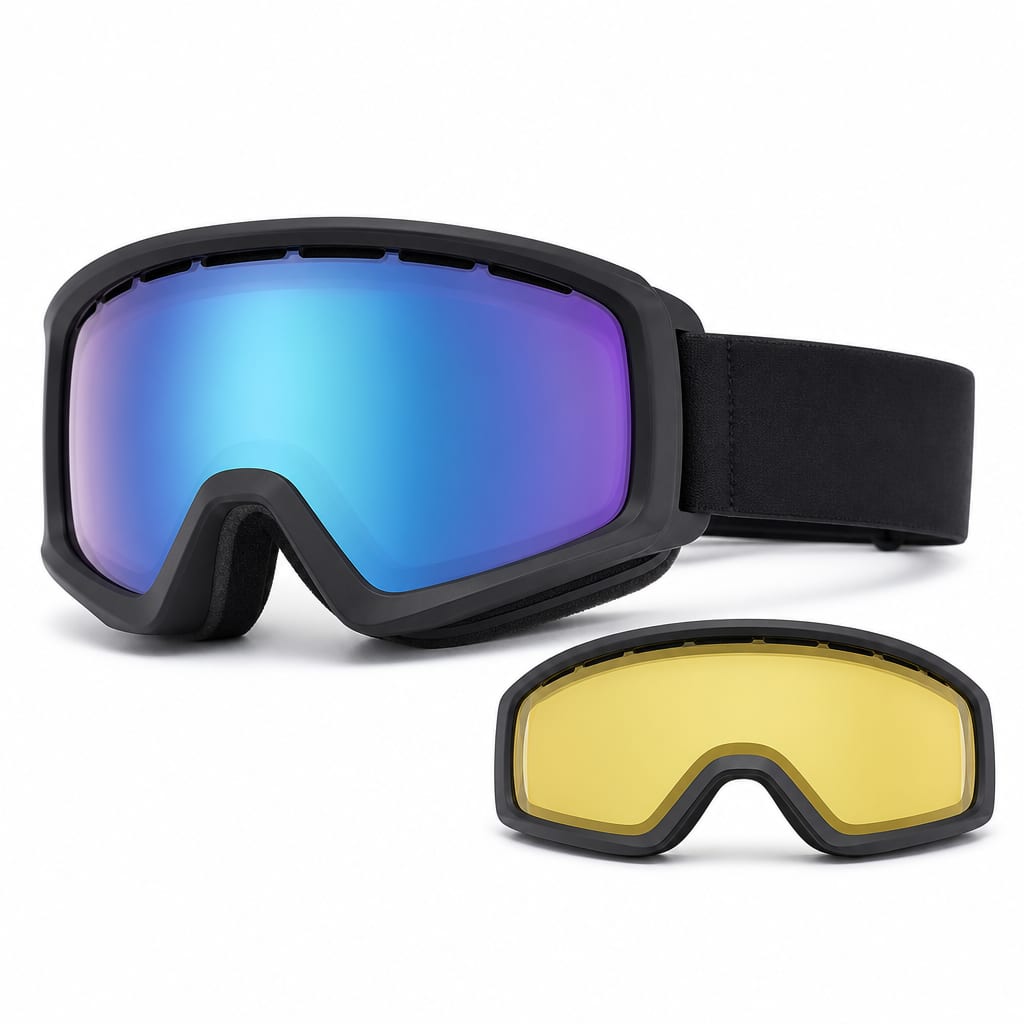
All-Mountain Ski Goggles
$50 – $250
Versatile goggles designed for general use across varied terrain and light conditions.
versatile lens tintshelmet-compatible framesmoderate VLT range
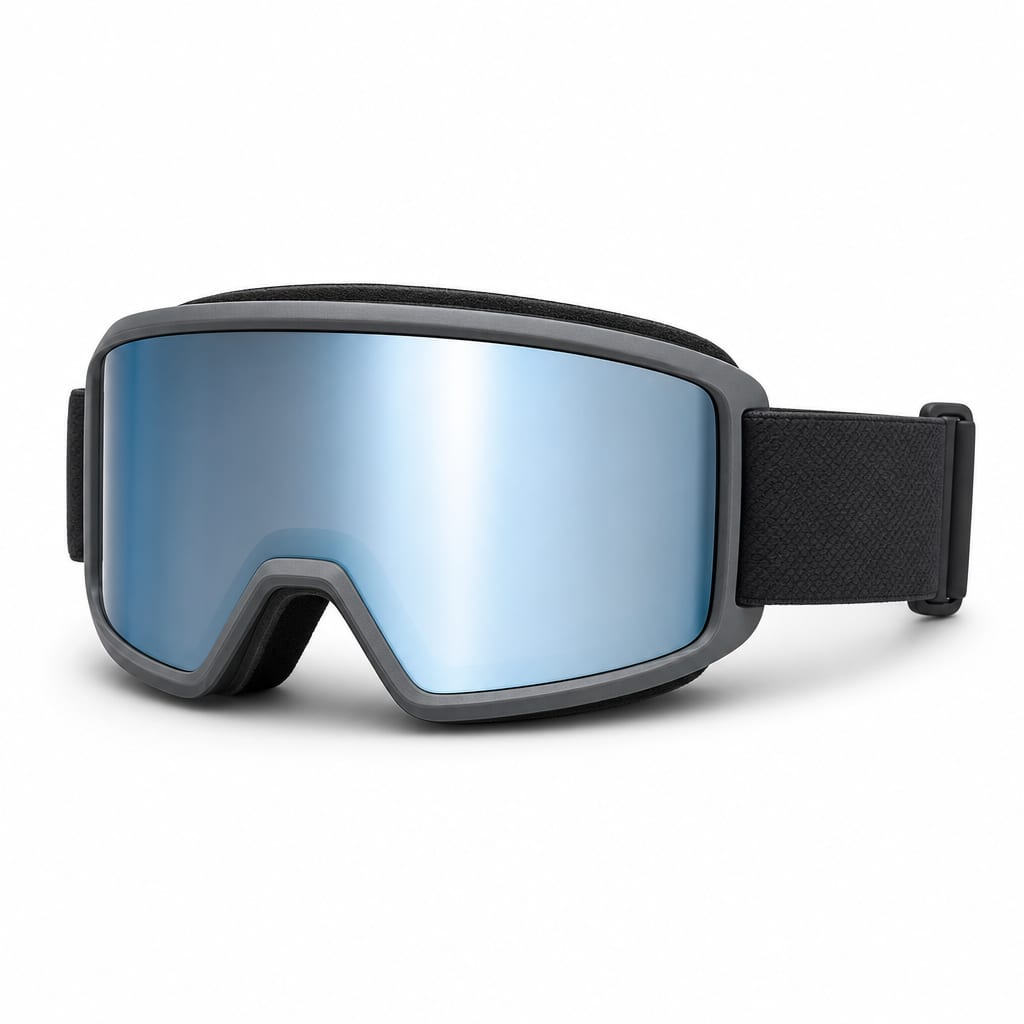
Cylindrical Lens Ski Goggles
$40 – $200
Goggles with horizontally curved flat lenses offering a classic look at accessible price points.
single-axis horizontal curveflat vertical profilelower price point
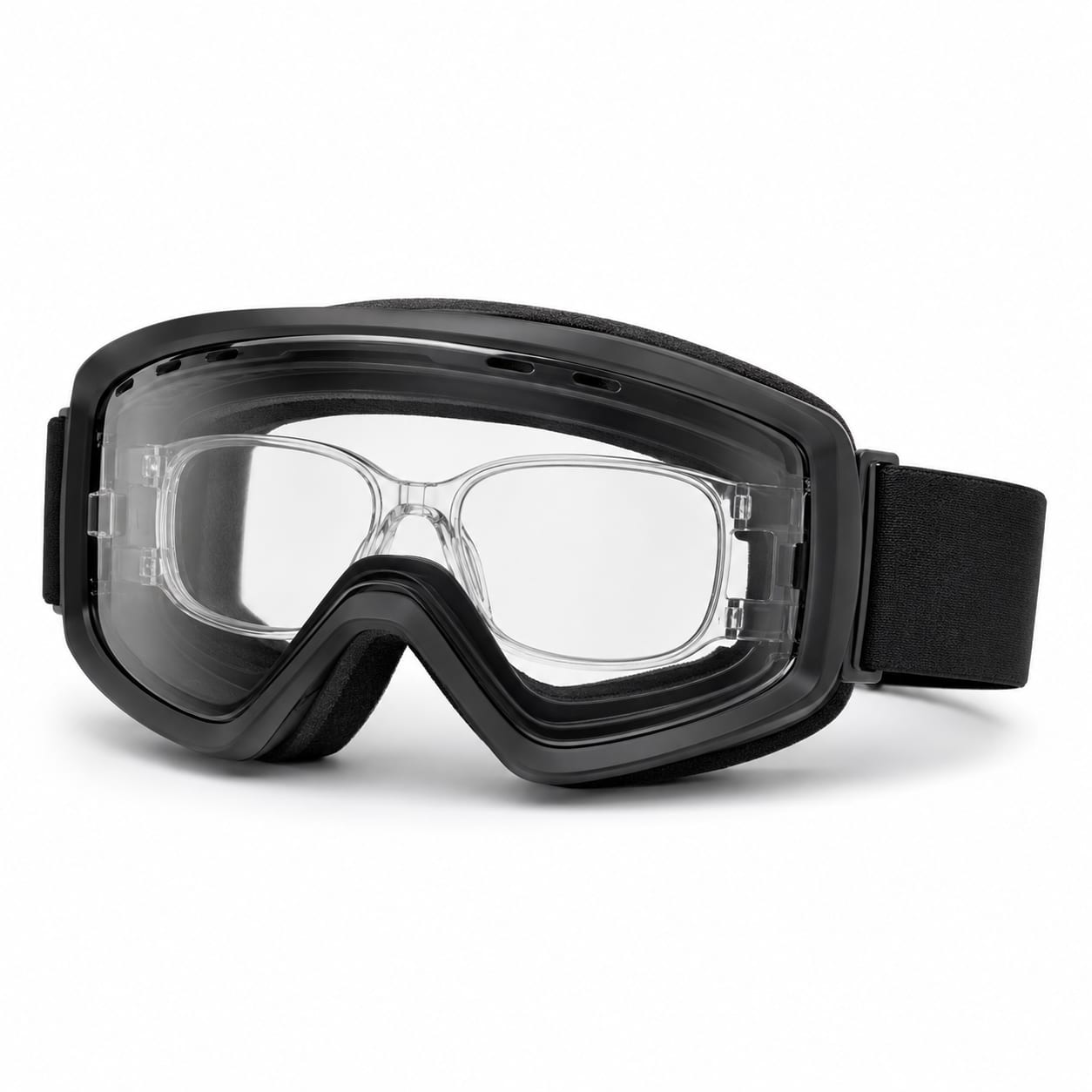
Prescription / Rx Insert Ski Goggles
$150 – $400
Goggles with integrated prescription lens inserts for vision correction without separate glasses.
internal Rx insertcustom prescription lensesanti-fog spacing
More questions
- Can I wear any goggles over my glasses, or do I need specific OTG goggles?
- Will my specific glasses frames fit under OTG goggles?
- How do I prevent my glasses from fogging inside OTG goggles?
- Are OTG goggles significantly bulkier than regular goggles?