
Ski Goggles · FAQ
Questions about Spherical Lens Ski Goggles
Straight answers on fit, specs, and when this type makes sense — each topic has its own page with links back to the buying guide.
Open Spherical Lens Ski Goggles guide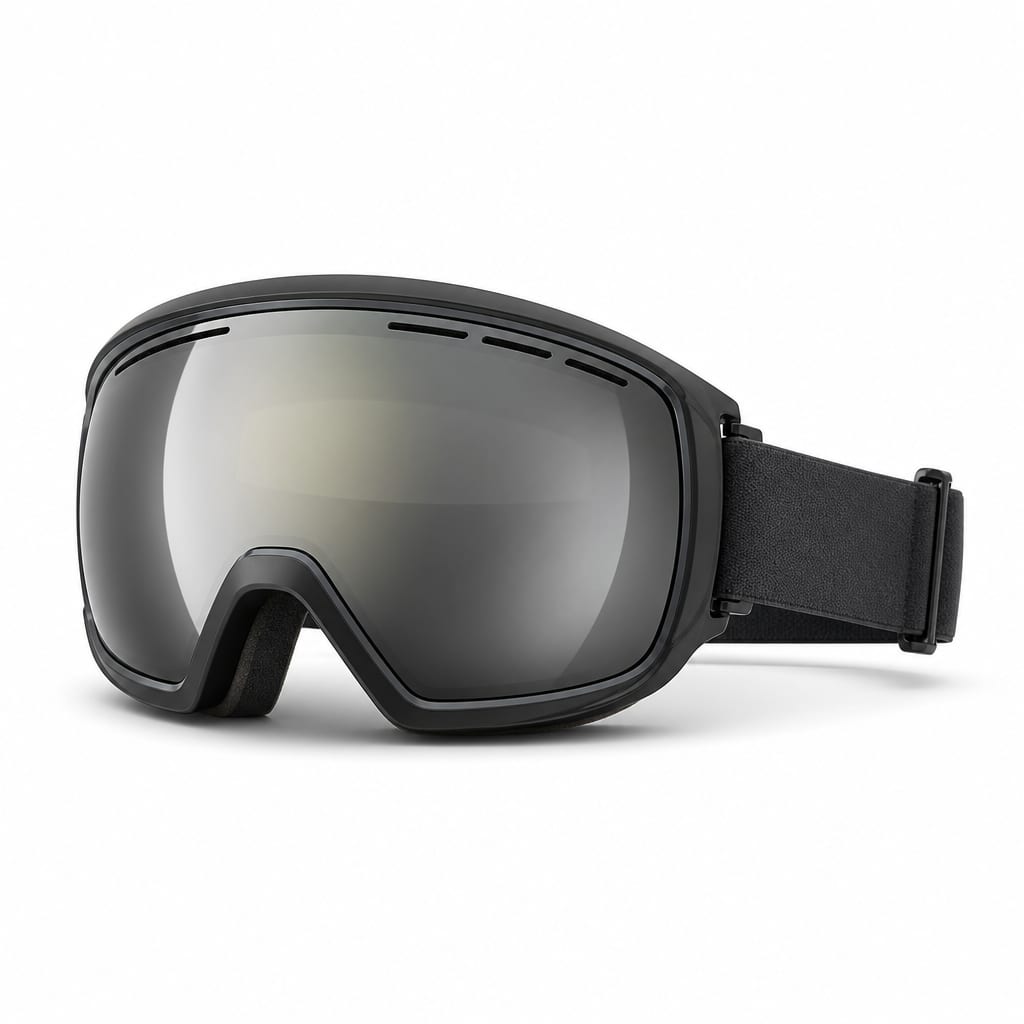
6 topics
Pick a question
Every answer links to the full subcategory guide and related gear types when it helps you decide.
Are spherical ski goggles really worth the extra cost compared to cylindrical?
For frequent skiers and riders who tackle varied terrain, yes. The distortion-free peripheral vision and wider field of view are immediately noticeable and directly impact safety and confidence. If you ski 15+ days per season, the $30-80 premium works out to a few dollars per day. However, if you ski fewer than 5 days per season on groomed runs, a quality cylindrical goggle will serve you well and the savings can go toward other gear.
Read answer →02Will I notice the difference between spherical and cylindrical lenses?
Most riders notice the difference within their first run. The wider field of view is immediately apparent, and the absence of edge distortion is particularly noticeable when scanning the periphery. Riders who are switching from cylindrical to spherical often report that objects at the edge of their vision appear 'where they should be' rather than slightly shifted. The improvement is most dramatic in tree skiing, moguls, and high-speed freeride where peripheral awareness is critical.
Read answer →03Do spherical lenses really fog less than cylindrical lenses?
Yes, but it's a physical advantage, not magic. The larger internal volume between dual spherical lenses creates a thicker thermal barrier that resists temperature equalization—the primary cause of condensation. This inherent advantage supplements whatever anti-fog coating and ventilation system the goggle employs. However, a poorly-fitting spherical goggle with blocked vents will still fog. Proper fit, unobstructed ventilation, and intact anti-fog coatings remain essential regardless of lens shape.
Read answer →04Can I get prescription lenses for spherical goggles?
Yes, through several paths. Many spherical goggles with quick-swap systems are compatible with Rx inserts that sit behind the main lens—your optometrist can fit these with your prescription. Some brands offer direct Rx lenses where the goggle lens itself is made with your correction. Contact lenses under standard spherical goggles remain the simplest solution for many wearers. Rx inserts are often the best compromise, solving both vision and fog issues without the double-fog risk of wearing glasses under goggles.
Read answer →05What's the best lens tint for a spherical goggle if I can only buy one?
Rose, copper, or amber tints are the most versatile single-lens choice. These warm, contrast-enhancing tints reveal terrain texture in flat light and overcast conditions where visibility matters most, while still providing adequate comfort on partly sunny days. Pair this with a VLT around 18-25% for the broadest condition coverage. If you frequently ski bright sunny days, add a dark mirror lens; if you often ski storms or night, add a high-VLT yellow or clear lens.
Read answer →06How do I prevent scratches on my spherical goggle lenses?
Never wipe a dry lens—always rinse with water first to float away abrasive particles. Use only clean microfiber cloths and pat rather than wipe when possible. Store goggles in a soft bag inside a hard case when not in use. Never place goggles lens-down on any surface. Keep them away from car keys and other sharp objects in bags. The larger surface area of spherical lenses means more exposure, so disciplined care habits are especially important. Consider the replacement cost of a spherical lens ($50-120) as motivation for proper care.
Read answer →