
Yes, but it's a physical advantage, not magic. The larger internal volume between dual spherical lenses creates a thicker thermal barrier that resists temperature equalization—the primary cause of condensation. This inherent advantage supplements whatever anti-fog coating and ventilation system the goggle employs. However, a poorly-fitting spherical goggle with blocked vents will still fog. Proper fit, unobstructed ventilation, and intact anti-fog coatings remain essential regardless of lens shape.
Ski Goggles · Spherical Lens Ski Goggles
Do spherical lenses really fog less than cylindrical lenses?
Related gear types
If this answer nudged you toward a different style, these guides compare specs and trade-offs.
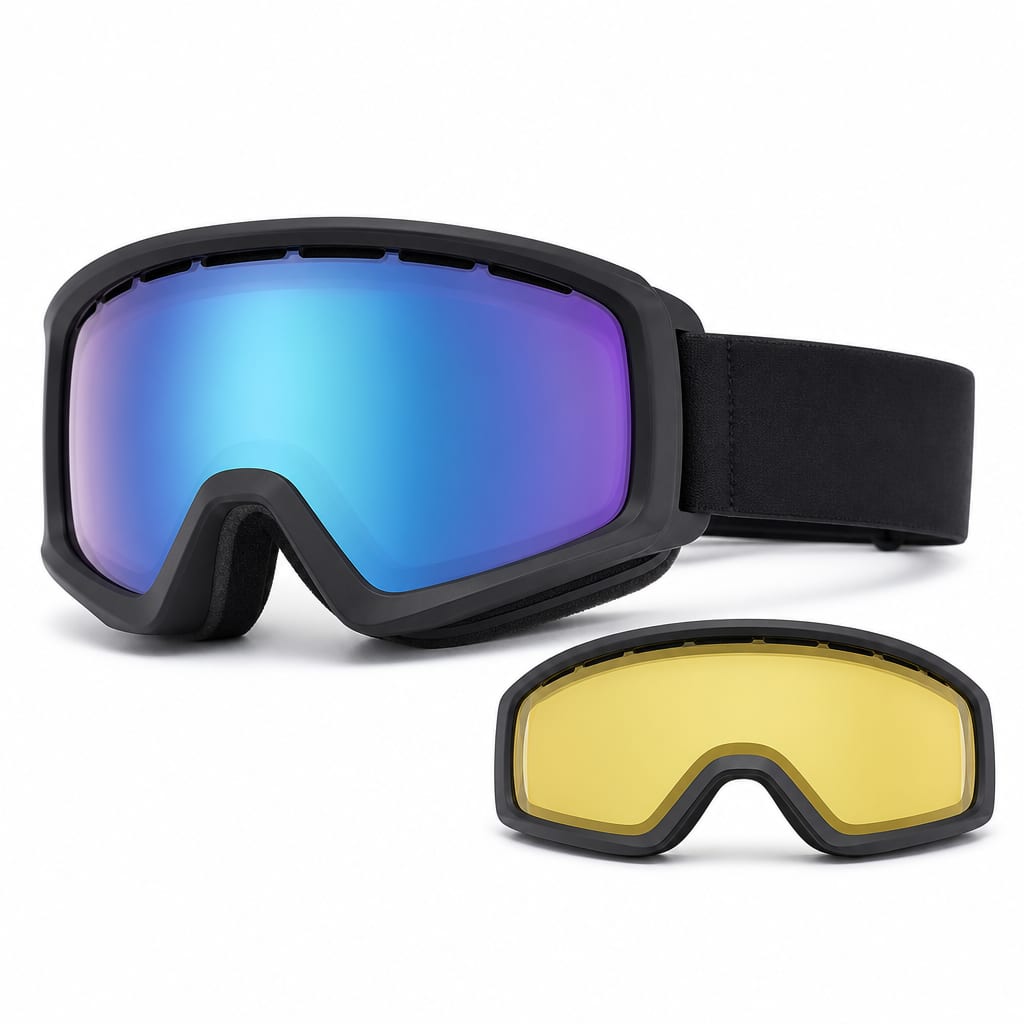
All-Mountain Ski Goggles
$50 – $250
Versatile goggles designed for general use across varied terrain and light conditions.
versatile lens tintshelmet-compatible framesmoderate VLT range
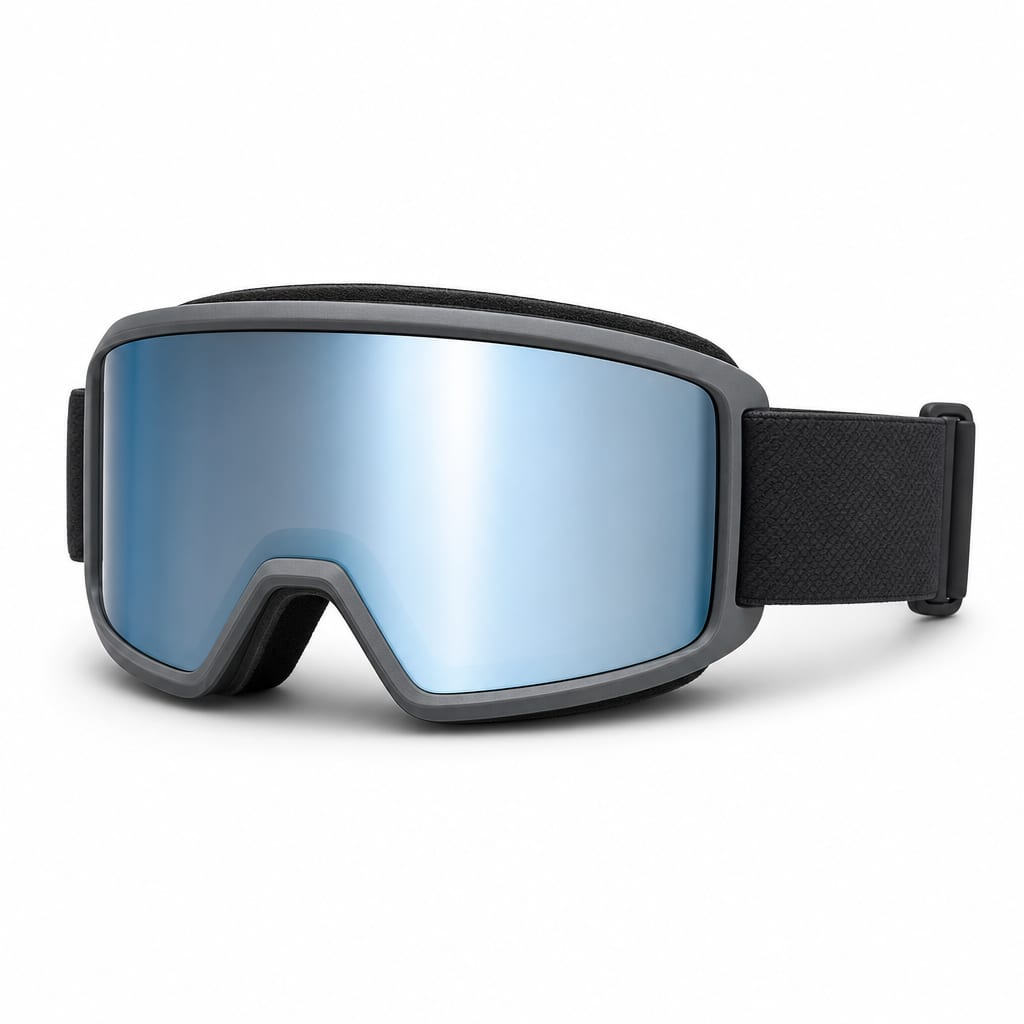
Cylindrical Lens Ski Goggles
$40 – $200
Goggles with horizontally curved flat lenses offering a classic look at accessible price points.
single-axis horizontal curveflat vertical profilelower price point
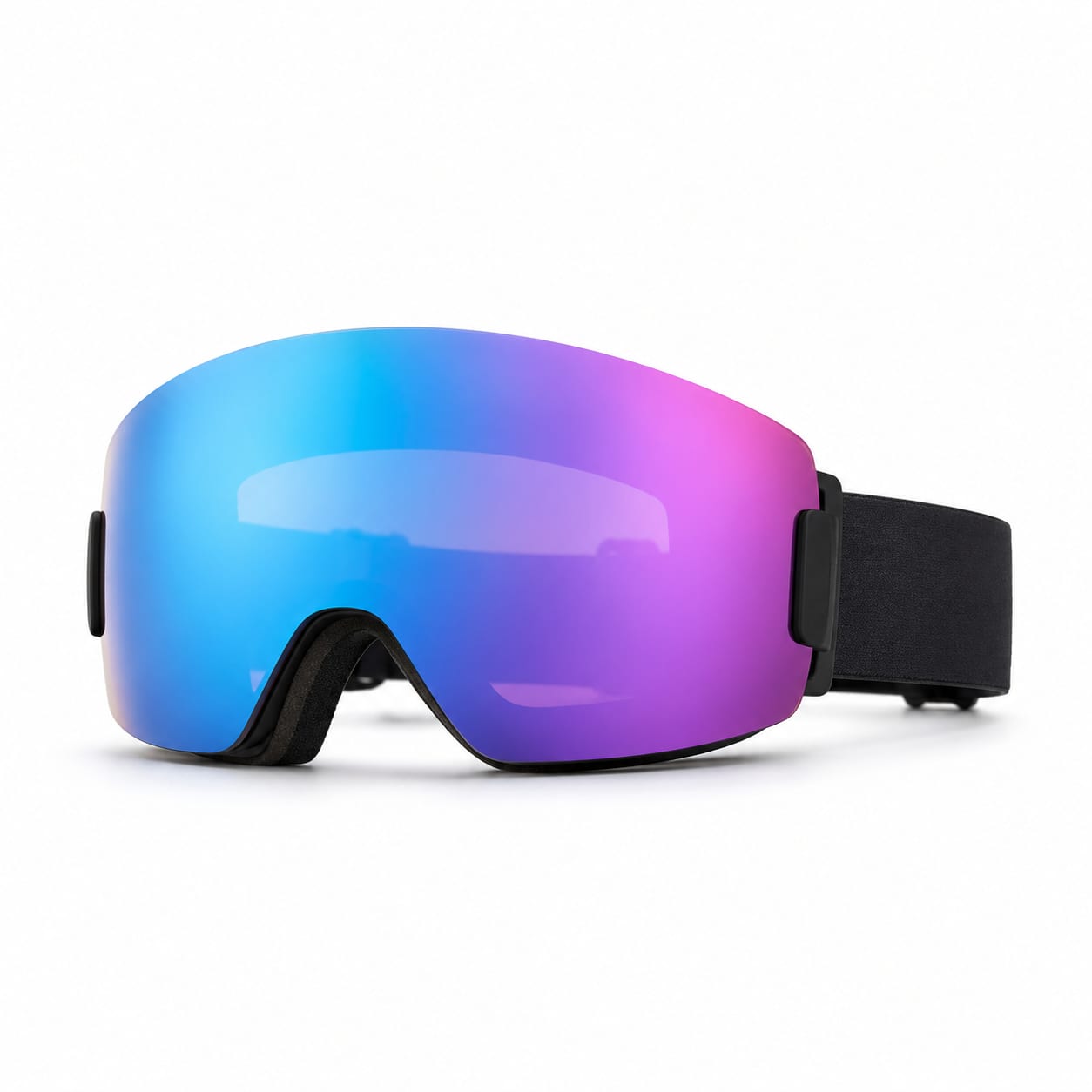
Frameless Ski Goggles
$80 – $300
Goggles with minimal or no frame structure maximizing field of view and modern aesthetics.
minimal frame visibilitymaximum peripheral visionmagnetic lens attachment
More questions
- Are spherical ski goggles really worth the extra cost compared to cylindrical?
- Will I notice the difference between spherical and cylindrical lenses?
- Can I get prescription lenses for spherical goggles?
- What's the best lens tint for a spherical goggle if I can only buy one?