
Ski Handwear · FAQ
Questions about Liner Gloves
Straight answers on fit, specs, and when this type makes sense — each topic has its own page with links back to the buying guide.
Open Liner Gloves guide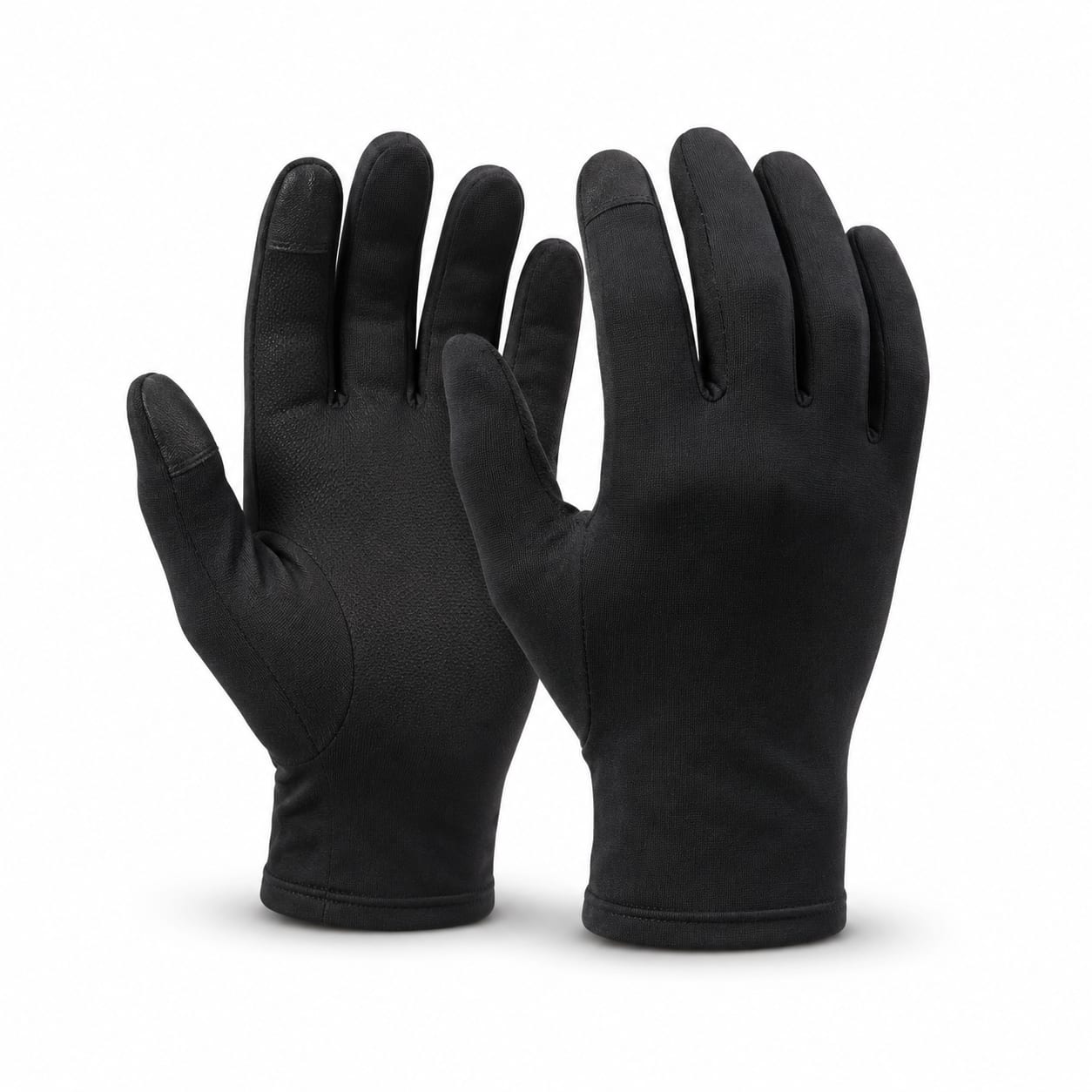
6 topics
Pick a question
Every answer links to the full subcategory guide and related gear types when it helps you decide.
Do I really need liner gloves if my insulated gloves already have a built-in liner?
Built-in fleece liners in insulated gloves provide comfort but do not wick moisture as effectively as a dedicated liner glove, and they cannot be removed for quick drying. A separate liner glove offers superior moisture management, can be dried independently overnight, and gives you a hand covering when you remove your outer glove. If your hands stay warm and dry with built-in liners alone, you may not need separate liners — but most skiers who try them do not go back.
Read answer →02Will wearing liner gloves make my hands too warm or sweaty?
It depends on your outer glove choice and activity level. If you are skiing aggressively in warm conditions with heavily insulated outer gloves plus liners, your hands may overheat. The solution is to match your outer glove insulation to the conditions and use the liner primarily for moisture management. In mild conditions, wear the liner alone or with a lighter outer glove. The layering system gives you more control, not less.
Read answer →03Can I use regular running or cycling glove liners for skiing?
You can, but ski-specific liner gloves are optimized for the sport. Running and cycling liners often lack the palm grip needed for pole straps, may not have touchscreen compatibility, and are not designed to layer smoothly under ski gloves. That said, a lightweight running liner is better than no liner at all in a pinch. For regular skiing, invest in purpose-built ski liner gloves.
Read answer →04How do I know if my outer gloves have enough room for a liner?
Put on the liner glove, then try your outer glove over it. You should be able to make a fist without feeling pressure across the knuckles or tightness that restricts circulation. If the outer glove feels noticeably tighter or you cannot close your hand fully, the combination is too tight and will actually make your hands colder by restricting blood flow. In this case, you need a larger outer glove or a thinner liner.
Read answer →05Are merino wool liner gloves worth the extra cost over synthetic?
For multi-day trips, merino wool liners are worth the premium because they resist odor buildup far better than synthetic, meaning you can wear them for several days without the smell becoming unpleasant. They also manage moisture naturally and feel warmer against the skin when slightly damp. However, synthetic liners dry faster and cost significantly less. For day trips where you wash gear after each use, synthetic is the more practical choice.
Read answer →06How long do liner gloves typically last?
Expect 40–80 days of use from quality liner gloves, depending on how often you wear them alone versus under outer gloves. The fingertips and palm are the first areas to wear through. Wearing liners alone for spring skiing accelerates wear significantly because the thin fabric contacts poles, edges, and abrasive surfaces directly. At $15–$40 per pair, most skiers consider this an acceptable lifespan and simply replace them annually or biannually.
Read answer →