Kitvore.com

Kitvore.com

Specs that matter. Gear that fits.

Ski Handwear · Subcategory

Liner Gloves

Thin, lightweight gloves worn under insulated ski gloves or alone in mild conditions for added warmth and moisture management.

Liner gloves are the unsung heroes of a ski handwear system. These slim, close-fitting gloves add a critical layer of warmth beneath your primary gloves, wick moisture away from your skin, and give you bare-hand-like dexterity when you need to remove your outer glove on the chairlift. On warm spring days, they shine as standalone handwear. Every skier who has pulled off a frozen outer glove only to have bare skin hit sub-zero air knows the value of a good liner.

$15 – $55budget tierbeginnerintermediateadvanced

Best known for

Layering warmth under insulated glovesMoisture wicking and sweat managementStandalone use in mild and spring conditionsTouchscreen compatibility and fine dexterityQuick-drying performance for multi-day trips
Liner Gloves

Guide

Detailed overview

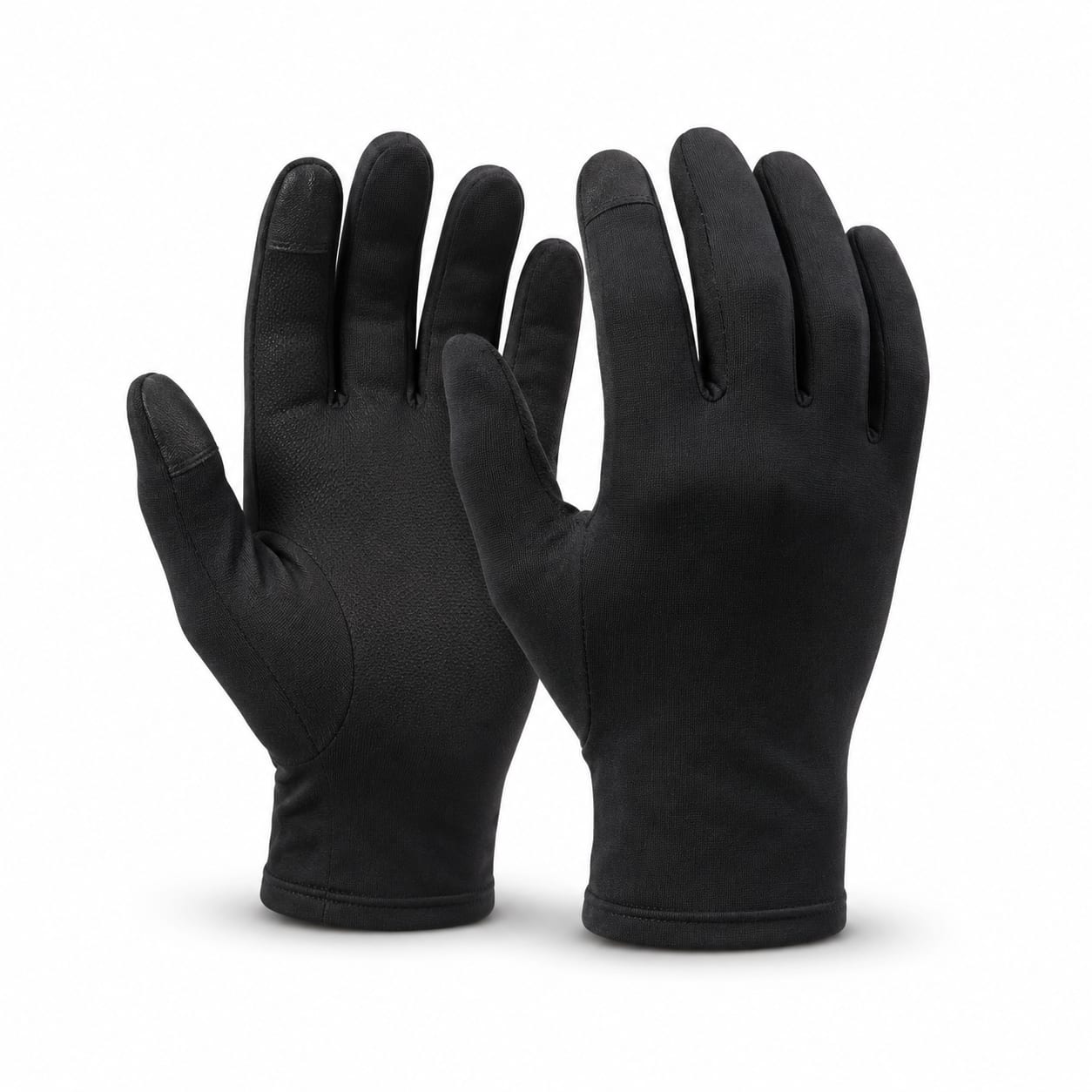
Liner gloves are thin, form-fitting gloves designed to be worn underneath insulated ski gloves or mittens as part of a layering system. Constructed from lightweight synthetic fabrics, merino wool blends, or silk, they provide a base layer of warmth while actively wicking perspiration away from the skin. Their trim profile ensures they fit comfortably inside outer gloves without bunching or restricting circulation. Many liner gloves feature touchscreen-compatible fingertips, making them ideal for smartphone use on chairlifts when removing outer gloves. In spring conditions or for high-output activities like ski touring, liner gloves often serve as standalone handwear, offering just enough coverage without overheating.

Liner gloves fill a specific and often underappreciated role in the ski handwear ecosystem. At their core, they solve two problems: moisture management and supplemental warmth. When you ski hard, your hands sweat even in cold temperatures. That moisture, trapped against your skin inside an insulated glove, becomes a serious problem the moment you stop moving — the sweat chills rapidly, and suddenly your hands are colder than they would have been with drier conditions. A quality liner glove wicks that moisture away from your skin and spreads it across a larger surface area where it can evaporate more efficiently, keeping your hands drier and warmer over the course of a full day. The layering principle that works for your body works for your hands too. A liner plus an insulated outer glove creates a system where each layer traps a pocket of dead air, and the combined insulation is greater than either piece alone. This is especially valuable for skiers who ride in variable conditions — you can choose a lighter outer glove knowing your liner adds 10–15 degrees of effective warmth, or swap to a heavier outer glove with the same liner for the coldest days. The versatility is hard to beat. Beyond layering, liner gloves excel as standalone pieces in specific scenarios. Spring skiing on sunny corn days, skinning up on a backcountry tour, or driving to the mountain are all situations where a full insulated glove is overkill but bare hands are uncomfortable. The touchscreen compatibility found on most modern liner gloves means you can check your phone, adjust your GoPro, or operate a GPS without exposing your skin to the cold. This convenience factor alone makes them worth carrying. For multi-day ski trips, liner gloves are practically essential. They dry overnight far faster than insulated gloves, meaning you always have something dry to put on in the morning. Some touring-oriented skiers carry two pairs — one to wear while the other dries. Their compact size and negligible weight mean there is no real penalty for packing extras. If you have ever spent a cold, miserable day with damp gloves because yesterday's pair did not dry, you understand the value. The main limitation of liner gloves is obvious: on their own, they provide minimal insulation and virtually no weather protection. A liner glove in a blizzard is a fast track to numb fingers. They also wear out faster than insulated gloves because the thin fabrics are less abrasion-resistant. However, given their relatively low cost and the dramatic improvement they make to a handwear system, liner gloves are one of the highest-value purchases in ski accessories.

Quick facts

Primary purpose
Moisture management and supplemental warmth as a base layer, or standalone minimal protection in mild conditions
Popular brands
Outdoor ResearchBlack DiamondSmartwoolHestraIcebreaker
Typical terrain
Spring conditionsMild daysApres-skiAny terrain as a layer

What makes it different

Minimal bulk designed specifically as a layering component rather than standalone cold-weather protection

Recommended ranges

How this type usually specs out

Each spec is explained in plain language, then we show what buyers usually look for on this type.

Type

Handwear Type

What it means

The fundamental construction style of the handwear, determining finger separation and overall warmth-to-dexterity ratio.

Typical for this type

Glove

In practice

Liner gloves are exclusively glove-style with individual finger compartments. This design is essential for maintaining dexterity and ensuring a close, wrinkle-free fit inside outer gloves. Mittens or hybrid designs would create bulk and bunching that defeats the purpose of a liner.

Compared to other types

Unlike insulated gloves or mittens that may prioritize warmth over dexterity, liner gloves must be glove-style to fulfill their layering function. There are no mitten or 3-finger liners in mainstream production.

Why it matters: The glove construction allows liner gloves to layer smoothly under any outer handwear type without interfering with finger mobility or pole grip.

Insulation

Insulation Type

What it means

The primary insulating material used inside the handwear, affecting warmth, packability, moisture resistance, and weight.

Typical for this type

Synthetic, Wool

In practice

Most liner gloves use lightweight synthetic fleece or polyester blends for their excellent moisture-wicking and quick-drying properties. Merino wool blends are a premium alternative offering natural odor resistance and better moisture management but at higher cost and slower drying time.

Compared to other types

Liner gloves use the lightest insulation of any ski handwear subcategory. Unlike insulated gloves that use 100–200g+ of PrimaLoft or Thinsulate, liner gloves rely on the inherent warmth of their thin fabric — typically equivalent to 20–60g of insulation.

Why it matters: The insulation type in a liner glove is primarily about moisture management rather than raw warmth. Synthetic materials move sweat away from skin and dry fast, which is critical for maintaining warmth in the outer glove system.

Insulation Weight

Insulation Weight

What it means

The thickness or gram weight of insulation, directly correlating with warmth level. Often described as lightweight, midweight, or heavyweight.

Typical for this type

Lightweight (20-60g Equivalent)

In practice

Liner gloves fall below the standard lightweight category, offering minimal insulation. Their warmth comes from trapping a thin layer of air and wicking moisture, not from substantial insulation mass. Most liner gloves provide the equivalent of 20–60g of insulation.

Compared to other types

Liner gloves are the lightest subcategory by far. Even lightweight spring gloves typically have 40–100g of insulation. Liner gloves sacrifice standalone warmth for layering compatibility and dexterity.

Why it matters: The minimal insulation weight is intentional — too much bulk defeats the purpose of a liner by making outer gloves too tight and restricting circulation. The goal is a barely-there layer that enhances the system without crowding it.

Waterproofing

Waterproof Rating

What it means

The water column rating (mm) of the waterproof membrane or treatment, indicating resistance to water penetration under pressure.

Typical for this type

Water Resistant (DWR Only)

In practice

Most liner gloves have no waterproof membrane and rely on a DWR (Durable Water Repellent) treatment at best. Many have no water treatment at all. This is by design — waterproof membranes would reduce breathability and increase bulk, both counterproductive for a liner's purpose.

Compared to other types

This is the opposite of insulated gloves where 5,000–20,000mm waterproofing is standard. Liner gloves prioritize breathability over waterproofing because they operate inside the protective shell of an outer glove.

Why it matters: Waterproofing is unnecessary in a liner glove because the outer glove provides the weather barrier. Adding a membrane would compromise the breathability and moisture-wicking performance that makes liner gloves effective.

Membrane

Waterproof Membrane

What it means

The specific waterproof-breathable membrane technology used in the handwear construction.

Typical for this type

None

In practice

Liner gloves do not include waterproof membranes. The absence of a membrane maximizes breathability, stretch, and moisture vapor transmission — all critical for a garment worn directly against the skin that needs to move sweat outward.

Compared to other types

Virtually all other ski handwear subcategories include some form of membrane. Liner gloves are unique in prioritizing pure breathability and moisture transport over weather protection.

Why it matters: No membrane means unrestricted moisture vapor transmission from your skin through the liner and into the outer glove system. This keeps your hands drier and warmer than a membrane would, even though it means the liner itself is not waterproof.

Shell Material

Shell Material

What it means

The outer face fabric of the handwear, affecting durability, weather resistance, dexterity, and feel.

Typical for this type

Softshell, Nylon

In practice

Stretch-woven softshell fabrics dominate the liner glove category because they provide the close, form-fitting feel needed for layering and dexterity. Lightweight nylon is also common, especially in budget options. The emphasis is on stretch, breathability, and a smooth exterior that slides easily into outer gloves.

Compared to other types

Unlike insulated gloves that use durable nylon, leather, or reinforced polyester shells, liner gloves use the lightest, stretchiest materials available. Durability is sacrificed for fit and breathability.

Why it matters: The shell material must be smooth enough to slide into outer gloves without bunching, stretchy enough to maintain a close fit across different hand shapes, and breathable enough to allow moisture vapor to escape.

Palm Material

Palm Material

What it means

The material on the palm and fingers that contacts ski poles and surfaces, affecting grip, durability, and feel.

Typical for this type

Synthetic Suede, Textured Nylon

In practice

Synthetic suede (Clarino, Amara) is the most common palm material in liner gloves, providing decent grip with a low-profile feel. Textured nylon is common in budget options. Some premium liner gloves use silicone grip dots or patterns for enhanced traction without adding bulk.

Compared to other types

Liner gloves use the thinnest palm materials of any subcategory. Leather palms are virtually never used because they add too much bulk and stiffness for a liner application.

Why it matters: Palm grip matters even in a liner glove because you may wear them alone for spring skiing or touring. The palm material also affects how smoothly the liner slides into the outer glove — too grippy and it bunches; too slick and you lose control when worn alone.

Cuff Style

Cuff Style

What it means

The design of the glove opening and how it interfaces with jacket sleeves, affecting snow seal, warmth, and ease of use.

Typical for this type

Under Cuff

In practice

Liner gloves use short, low-profile under-cuff designs that tuck neatly inside the cuff of an outer glove. The cuff is typically minimal — just enough to cover the wrist without creating bulk that would interfere with the outer glove's closure system.

Compared to other types

This is the opposite of gauntlet-style insulated gloves designed to seal over jacket sleeves. Liner gloves must be invisible within the outer glove system — any excess cuff length creates problems.

Why it matters: A streamlined cuff ensures the liner does not bunch at the wrist where the outer glove cinches, which would create pressure points and reduce circulation. The under-cuff design also means the liner stays put when you pull off the outer glove.

Closure

Closure Type

What it means

The mechanism used to secure the glove at the wrist, affecting fit adjustment, ease of use, and snow seal.

Typical for this type

Elastic

In practice

Nearly all liner gloves use an elasticized slip-on design with no adjustable closure. The elastic at the wrist provides a snug fit that keeps the liner in place when pulling off the outer glove, without adding bulk or complexity.

Compared to other types

Unlike insulated gloves that commonly use Velcro straps or drawcords for adjustable sealing, liner gloves prioritize simplicity and low bulk. The elastic-only approach is universal in this subcategory.

Why it matters: A simple elastic closure keeps the liner glove snug against the wrist, preventing it from pulling off when you remove your outer glove. Any additional closure hardware would add unnecessary bulk inside the outer glove.

Liner

Liner Type

What it means

The inner lining or removable liner of the handwear, affecting comfort, moisture management, warmth, and drying capability.

Typical for this type

No Liner

In practice

Liner gloves themselves are the liner — they do not have an additional inner lining. The interior surface is typically the soft, moisture-wicking side of the shell fabric itself, sometimes with a light brushed finish for comfort against the skin.

Compared to other types

This is unique among ski handwear. Insulated gloves have fixed or removable liners; liner gloves have no liner because they serve that function for the outer glove.

Why it matters: Adding a separate liner inside a liner glove would be redundant and add unnecessary bulk. The liner glove IS the innermost layer of the handwear system, worn directly against the skin.

Heated

Heated

What it means

Whether the handwear includes battery-powered heating elements for active warmth generation.

Typical for this type

False

In practice

Standard liner gloves are not heated. However, there is a small niche of heated liner gloves that integrate thin heating elements and connect to external battery packs. These are designed to be worn under non-heated outer gloves, converting any glove into a heated system.

Compared to other types

Heated liner gloves are a distinct sub-niche that differs from heated insulated gloves, which have integrated batteries and heating elements in a single package. Heated liners offer more versatility but require separate battery management.

Why it matters: Non-heated liners are the norm — they are simple, lightweight, and affordable. Heated liners exist as a specialty option for riders with poor circulation who want to add active warmth to their existing glove system.

Touchscreen

Touchscreen Compatible

What it means

Whether the glove includes conductive material on fingertips allowing smartphone and touchscreen use without removing gloves.

Typical for this type

True

In practice

Most modern liner gloves include touchscreen-compatible fingertips, typically on the index finger and thumb. This is one of the key advantages of liner gloves — they allow device operation when you pull off your outer glove on the chairlift without exposing bare skin to cold air.

Compared to other types

While many insulated gloves also offer touchscreen compatibility, liner gloves provide far better screen accuracy due to their thin, close-fitting design. The tactile feel is much closer to bare fingers.

Why it matters: Touchscreen compatibility is arguably more important for liner gloves than any other subcategory because liner gloves are the layer you wear when you need to use your phone. If your liner is not touchscreen-compatible, you must remove it and expose bare skin.

Nose Wipe

Nose Wipe Panel

What it means

A soft fabric panel on the thumb or back of hand designed for wiping the nose and face without irritating skin.

Typical for this type

False

In practice

Most liner gloves do not include a dedicated nose wipe panel. The thin, smooth fabrics used in liner construction do not provide the soft texture needed for comfortable nose wiping, and adding a fleece panel would increase bulk.

Compared to other types

Insulated gloves frequently include nose wipe panels, which compensates for the liner's lack of this feature. When worn alone in spring conditions, the smooth fabric of a liner glove is less comfortable for face wiping.

Why it matters: The absence of a nose wipe is a minor drawback but understandable given the design priorities of liner gloves. When worn under outer gloves, the outer glove's nose wipe serves this function.

Wrist Leash

Wrist Leash

What it means

A loop or cord attached to the glove that goes around the wrist, preventing gloves from falling off or being lost when removed.

Typical for this type

False

In practice

Liner gloves do not include wrist leashes. The lightweight, low-value nature of liner gloves makes leashes unnecessary, and the cords would create bulk and potential discomfort inside the outer glove.

Compared to other types

Unlike insulated gloves where wrist leashes prevent costly losses, liner gloves are inexpensive enough that losing one is an annoyance rather than a financial blow. Most skiers simply tuck them inside their jacket when temporarily removed.

Why it matters: Without wrist leashes, you need to be more careful about setting liner gloves down on chairlifts. However, their low replacement cost and the fact that they are typically worn under outer gloves with leashes makes this a non-issue for most skiers.

Reinforcements

Reinforcement Areas

What it means

Additional material layers in high-wear areas to improve durability where gloves typically wear out first.

Typical for this type

None, Palm

In practice

Most liner gloves have no reinforcement areas. The thin, lightweight construction prioritizes dexterity and low bulk over durability. A small number of touring-oriented liner gloves add light palm reinforcement or silicone grip patterns for better pole contact when worn alone.

Compared to other types

This is the least-reinforced subcategory. Insulated gloves commonly reinforce palms, fingertips, and thumb crotches. Liner gloves accept faster wear as a trade-off for their slim profile and low cost.

Why it matters: Reinforcements add bulk that works against the liner's primary function. Since liner gloves are protected by the outer glove during most use, they experience less abrasion and do not need the same reinforcement as standalone gloves.

Size

Size / Fit

What it means

The sizing and overall fit profile of the handwear, critical for warmth, dexterity, and comfort. Proper fit ensures insulation works effectively.

Typical for this type

XS–XL

Most common pick: S

In practice

Liner gloves are available across the full size range but must fit more precisely than any other handwear type. A proper liner glove fits like a second skin — snug with no excess material at the fingertips or palm. Too loose and it bunches inside the outer glove; too tight and it restricts circulation, causing cold hands.

Compared to other types

Liner gloves require the most precise fit of any ski handwear. Insulated gloves have more tolerance for slight sizing variations because their loft and insulation can accommodate small fit differences. Liner gloves have zero tolerance — they must fit exactly.

Why it matters: Fit is arguably more critical for liner gloves than insulated gloves because the liner must conform smoothly to your hand without wrinkles that create pressure points inside the outer glove. Proper fit also ensures effective moisture wicking — the fabric needs to be in contact with your skin to work.

Gender

Gender Target

What it means

The intended gender fit of the handwear, affecting palm width, finger length, and overall proportions.

Typical for this type

Unisex, Womens, Mens

In practice

Many liner gloves are offered in unisex sizing due to their simple, stretchy construction that accommodates a range of hand shapes. However, some brands offer gender-specific fits with proportioned palm widths and finger lengths for better anatomical alignment.

Compared to other types

Liner gloves are more likely to be unisex than insulated gloves because their stretchy construction is more forgiving of proportional differences. However, the trend toward gender-specific liner fits is growing as brands recognize the importance of precise fit.

Why it matters: Because liner gloves fit so closely, gender-specific proportions can make a noticeable difference in comfort and dexterity. Women with narrower palms may find unisex liners too loose across the palm even when finger length is correct.

Evaluation

Strengths and trade-offs

Pros

What this type does best

Dramatically improves moisture management

Critical

Liner gloves wick sweat away from your skin and spread it across a larger surface area for faster evaporation. This keeps your hands drier inside insulated gloves, which directly translates to warmer hands over a full day of skiing.

Adds 10–15°F of effective warmth to any glove system

Critical

The additional layer traps a pocket of dead air between the liner and outer glove, boosting the insulation value of your entire handwear system without upgrading to a heavier, more expensive outer glove.

Enables glove removal without bare-skin exposure

High

When you need to remove your outer glove on the chairlift to adjust goggles, use your phone, or unzip a pocket, the liner glove keeps your hand covered and reasonably warm instead of shocking bare skin with cold air.

Excellent touchscreen compatibility

High

Most liner gloves include conductive fingertips that work far better than those on insulated gloves. The thin, close-fitting design provides near-bare-finger accuracy on touchscreens, making phone and camera operation easy.

Dries overnight on multi-day trips

High

Thin liner gloves dry in hours at room temperature, compared to insulated gloves that may still be damp the next morning. This makes them essential for multi-day ski trips where drying opportunities are limited.

Versatile standalone use in mild conditions

Medium

On warm spring days, during ski touring approaches, or for driving to the mountain, liner gloves provide just enough coverage without the overheating that comes from wearing insulated gloves in mild temperatures.

Compact and lightweight — no packing penalty

Medium

Liner gloves weigh 1–3 ounces per pair and compress to the size of a sock. There is no reason not to carry a pair as backup, even if you do not plan to use them. They take up negligible space in a pocket or pack.

Affordable enough to own multiple pairs

Medium

Quality liner gloves typically cost $15–$40, making it practical to own several pairs. This means you always have a dry pair available and can rotate them on multi-day trips without worrying about damp gloves.

Cons

Trade-offs to be aware of

Minimal standalone warmth in cold conditions

Significant

Below about 30°F (−1°C), liner gloves alone provide inadequate warmth for most people. In serious cold, they must be paired with an insulated outer glove to be effective. Wearing only a liner in cold weather leads to rapidly numbing fingers.

No weather protection on their own

Significant

Without a waterproof membrane or substantial shell fabric, liner gloves offer no protection from wind, rain, or wet snow. In any precipitation or significant wind chill, they are insufficient as standalone handwear.

Faster wear and shorter lifespan than insulated gloves

Moderate

The thin fabrics used in liner gloves are inherently less durable than the materials in insulated gloves. Expect 1–2 seasons of regular use before the fingertips wear through or the palm shows significant abrasion, especially if worn alone frequently.

Can make outer gloves feel tighter

Moderate

Adding a liner increases the volume inside your outer glove. If your outer gloves already fit snugly, the liner may create pressure that restricts circulation and actually makes your hands colder. You may need to size up your outer gloves to accommodate a liner.

Limited grip when worn alone

Minor

The smooth, thin fabrics of most liner gloves provide less grip than insulated gloves with leather or reinforced palms. Pole straps can feel slippery, and handling equipment is less secure when wearing liners alone.

Easy to lose due to small size and no leashes

Minor

Liner gloves are small, lightweight, and lack wrist leashes. Setting them down on a chairlift or dropping them in the parking lot means they are gone. Their low cost softens the blow, but it is still an annoyance.

Best for

Terrain

All terrain (as a layering piece)Spring corn snow (standalone)Resort groomers on mild days (standalone)Backcountry skin tracks (standalone)

Snow conditions

Mild winter days (30–45°F / −1–7°C) as standaloneAll cold conditions as a layering pieceSpring skiingHigh-output touring and skinning

Skill level

BeginnerIntermediateAdvancedExpert

Riding style

All-mountainBackcountry touringFreestyleRace training

Rider profile

Skiers with sweaty hands who need moisture managementMulti-day trip takers who need fast-drying handwearSmartphone-dependent skiers who need touchscreen access on liftsSki tourers who need lightweight handwear for uphill travelBudget-conscious skiers looking to extend the warmth range of existing glovesSkiers with poor circulation who need every layer they can get

Not ideal for

Reasons

Liner gloves lack the insulation mass needed for cold conditions without an outer gloveNo waterproof membrane means wet snow and rain penetrate quicklyThin shell fabric provides negligible wind resistance when worn aloneThe minimal palm grip is insufficient for aggressive pole planting in variable snow

Terrain

Deep powder (as standalone — hands will get wet and cold)Extreme cold environments (as standalone — insufficient insulation)

Snow conditions

Sub-zero temperatures (as standalone)Wet snow or rain (as standalone)High wind chill (as standalone)

Compare

How it stacks up

This page

Liner Gloves

Far superior moisture wicking and breathability; adds versatility to any glove system; touchscreen accuracy; compact packability; fast drying; affordable enough for multiple pairs.

Alternative

Insulated Gloves (Midweight)

Substantially warmer as standalone handwear; waterproof membrane protects against wet conditions; reinforced palms and durable construction last multiple seasons; better grip for pole use.

Bottom line

Use both — liner gloves under insulated gloves create the most versatile and effective handwear system. If you must choose only one, insulated gloves are the primary piece; add liners when budget allows.

This page

Liner Gloves

Full finger dexterity for device use and equipment handling; touchscreen compatibility; can be worn alone in mild conditions; layering a liner under a mitten gives maximum warmth with dexterity when the mitten is removed.

Alternative

Insulated Mittens

Far warmer in extreme cold due to finger-to-finger heat sharing; better snow protection; simpler construction with fewer failure points; preferred by skiers with chronically cold hands.

Bottom line

Liner gloves plus insulated mittens is the ultimate cold-weather combination — maximum warmth when mittens are on, full dexterity when you pull the mitten off and still have the liner. This pairing is ideal for extremely cold conditions.

This page

Liner Gloves

Thinner and more breathable for high-output activities; better moisture wicking against the skin; more precise touchscreen operation; packs smaller; costs less; dries faster.

Alternative

Spring / Light Gloves

More durable construction with reinforced palms; better grip for pole use; some weather resistance for unexpected conditions; more substantial feel; can handle a wider temperature range as standalone handwear.

Bottom line

Choose liner gloves for touring, layering, and mild spring days where breathability is paramount. Choose spring gloves for resort skiing in variable spring conditions where you need more durability and weather resistance.

This page

Liner Gloves

Full individual finger dexterity; better for fine motor tasks like phone use and zipper operation; simpler construction; lower cost; layers smoothly under any outer glove type including 3-finger designs.

Alternative

3-Finger / Lobster Gloves

Warmer than any glove-style handwear due to finger grouping; better pole grip than mittens; good balance of warmth and function in cold conditions without needing a separate outer glove.

Bottom line

Use liner gloves under 3-finger outer gloves for the best of both worlds — warmth from the 3-finger design with a wicking liner underneath. As standalone pieces, they serve completely different purposes and are not direct substitutes.

Shopping

Buying tips

  • 1

    Size your liner gloves to fit like a second skin — any excess material will bunch inside your outer glove and create cold spots from restricted circulation.

  • 2

    If you plan to wear liners under existing insulated gloves, try the combination before buying. Some outer gloves are too tight to accommodate a liner comfortably, and you may need to size up your outer gloves.

  • 3

    Merino wool blend liners offer the best odor resistance and natural moisture management for multi-day trips, but synthetic liners dry faster and cost less. Choose based on your trip duration and drying access.

  • 4

    Look for silicone grip dots or patterns on the palm if you plan to wear liners alone for spring skiing or touring. Bare synthetic fabric can be surprisingly slippery on pole straps.

  • 5

    Touchscreen compatibility is nearly universal in modern liner gloves, but check which fingertips are enabled — index finger and thumb are the minimum you need. Some budget models skip this feature entirely.

  • 6

    Consider buying two pairs in different weights: a ultralight silk or polyester liner for touring and mild days, and a slightly heavier fleece liner for cold resort days. The total investment is still less than one pair of premium insulated gloves.

  • 7

    Avoid cotton liner gloves — they absorb moisture, dry slowly, and can actually make your hands colder when damp. Stick with synthetic or wool blends designed for active use.

  • 8

    If your hands run cold, do not expect a liner alone to solve the problem. The liner enhances your existing glove system; it does not replace proper insulation. Address cold hands with better outer gloves first, then add a liner for system optimization.

Care

Maintenance notes

  • Wash liner gloves regularly — they absorb sweat and body oils directly. Machine wash on gentle cycle with mild detergent; air dry. Avoid fabric softeners which clog moisture-wicking fibers.
  • Inspect fingertips and palm for wear after each season. Liner gloves wear out faster than insulated gloves, and thinning fabric at the fingertips compromises both warmth and touchscreen function.
  • Dry liner gloves inside out after each use to speed moisture evaporation. This is especially important on multi-day trips where overnight drying time is limited.
  • Store liner gloves flat or loosely folded, not crammed into a pocket long-term. The elastic wrist will lose recovery if stored stretched for extended periods.
  • If touchscreen conductivity degrades over time, gently clean the conductive fingertips with rubbing alcohol to remove oil buildup that can interfere with screen contact.
  • Carry a backup pair on multi-day trips. Liner gloves are cheap and compact enough that having a spare is always worthwhile — there is no excuse for putting on damp liners in the morning.

Progression

Skill development path

Liner gloves are relevant across all skill levels but become increasingly valued as skiers advance. Beginners often overlook them, assuming insulated gloves alone are sufficient. Intermediate skiers start to appreciate them on cold days when they notice sweaty hands freezing on chairlifts. Advanced and expert skiers — particularly backcountry tourers and multi-day travelers — consider liner gloves an essential piece of their handwear system. The progression from 'never using liners' to 'always packing liners' typically coincides with the first experience of spending a full cold day with damp, cold hands that could have been prevented by a $20 liner glove.

FAQ

Common questions

Each question has a dedicated page with a full answer and links to the buying guide.

Do I really need liner gloves if my insulated gloves already have a built-in liner?

Built-in fleece liners in insulated gloves provide comfort but do not wick moisture as effectively as a dedicated liner glove, and they cannot be removed for quick drying. A separate liner glove offers superior moisture management, can be dried independently overnight, and gives you a hand covering when you remove your outer glove. If your hands stay warm and dry with built-in liners alone, you may not need separate liners — but most skiers who try them do not go back.

Will wearing liner gloves make my hands too warm or sweaty?

It depends on your outer glove choice and activity level. If you are skiing aggressively in warm conditions with heavily insulated outer gloves plus liners, your hands may overheat. The solution is to match your outer glove insulation to the conditions and use the liner primarily for moisture management. In mild conditions, wear the liner alone or with a lighter outer glove. The layering system gives you more control, not less.

Can I use regular running or cycling glove liners for skiing?

You can, but ski-specific liner gloves are optimized for the sport. Running and cycling liners often lack the palm grip needed for pole straps, may not have touchscreen compatibility, and are not designed to layer smoothly under ski gloves. That said, a lightweight running liner is better than no liner at all in a pinch. For regular skiing, invest in purpose-built ski liner gloves.

How do I know if my outer gloves have enough room for a liner?

Put on the liner glove, then try your outer glove over it. You should be able to make a fist without feeling pressure across the knuckles or tightness that restricts circulation. If the outer glove feels noticeably tighter or you cannot close your hand fully, the combination is too tight and will actually make your hands colder by restricting blood flow. In this case, you need a larger outer glove or a thinner liner.