
For multi-day trips, merino wool liners are worth the premium because they resist odor buildup far better than synthetic, meaning you can wear them for several days without the smell becoming unpleasant. They also manage moisture naturally and feel warmer against the skin when slightly damp. However, synthetic liners dry faster and cost significantly less. For day trips where you wash gear after each use, synthetic is the more practical choice.
Ski Handwear · Liner Gloves
Are merino wool liner gloves worth the extra cost over synthetic?
Related gear types
If this answer nudged you toward a different style, these guides compare specs and trade-offs.
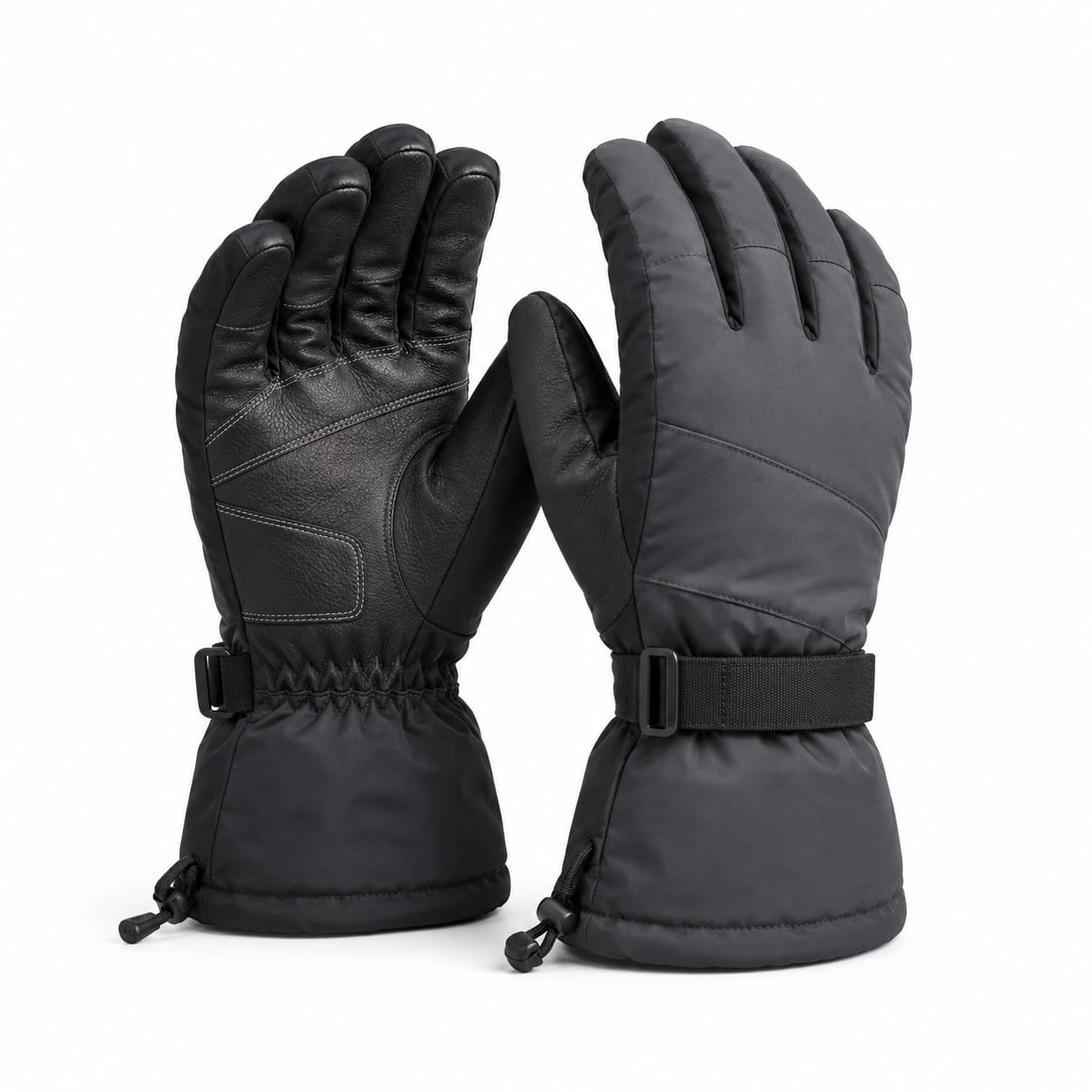
Insulated Ski Gloves
$40 – $220
Fully fingered, insulated gloves providing warmth, waterproofing, and dexterity for all-mountain skiing.
Individual fingers for dexterityWaterproof-breathable membraneSynthetic or down insulation
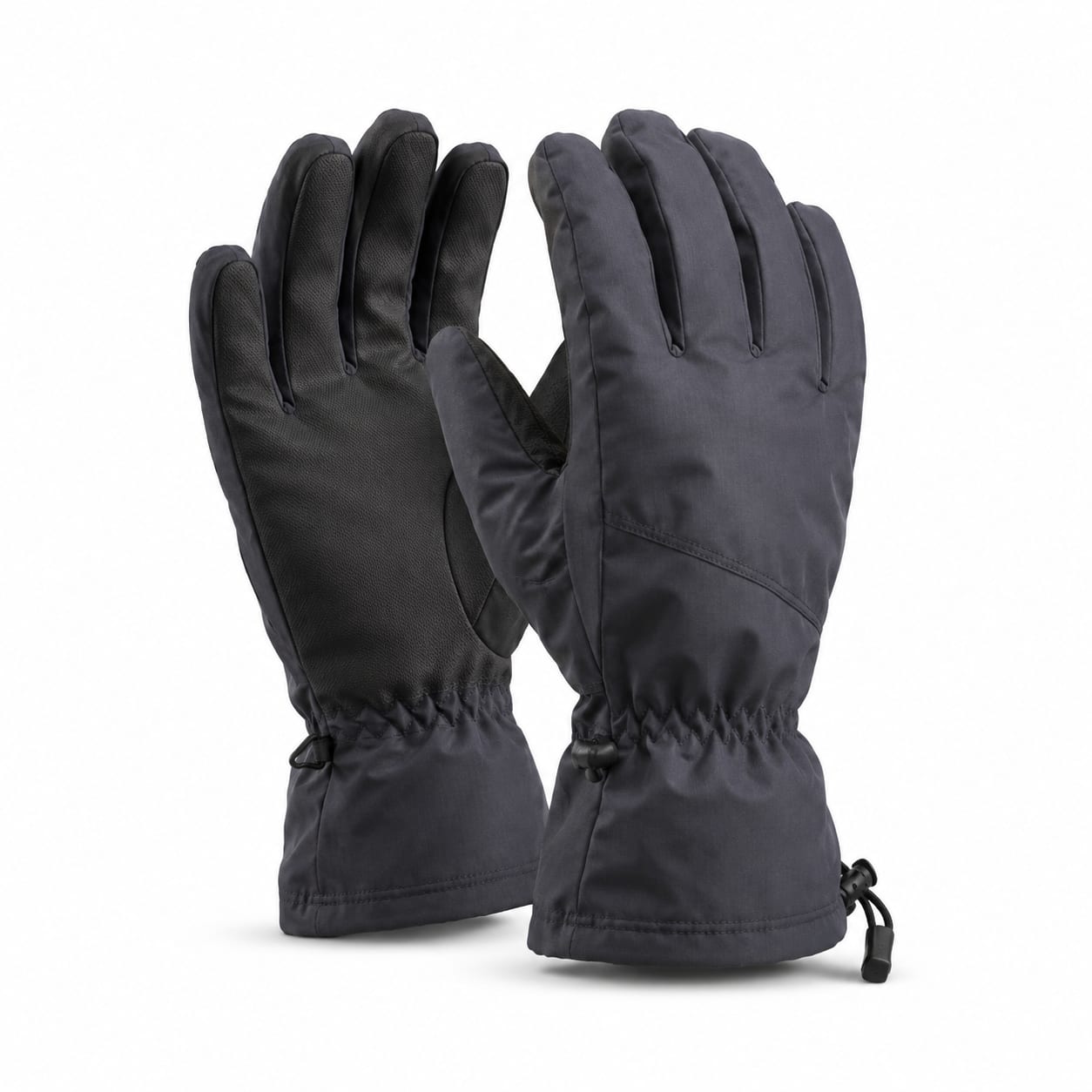
Shell Gloves / Shells
$50 – $200
Uninsulated waterproof-breathable gloves designed as outer layers in a layering system or standalone in mild conditions.
No insulationWaterproof-breathable membraneDesigned to layer over liners
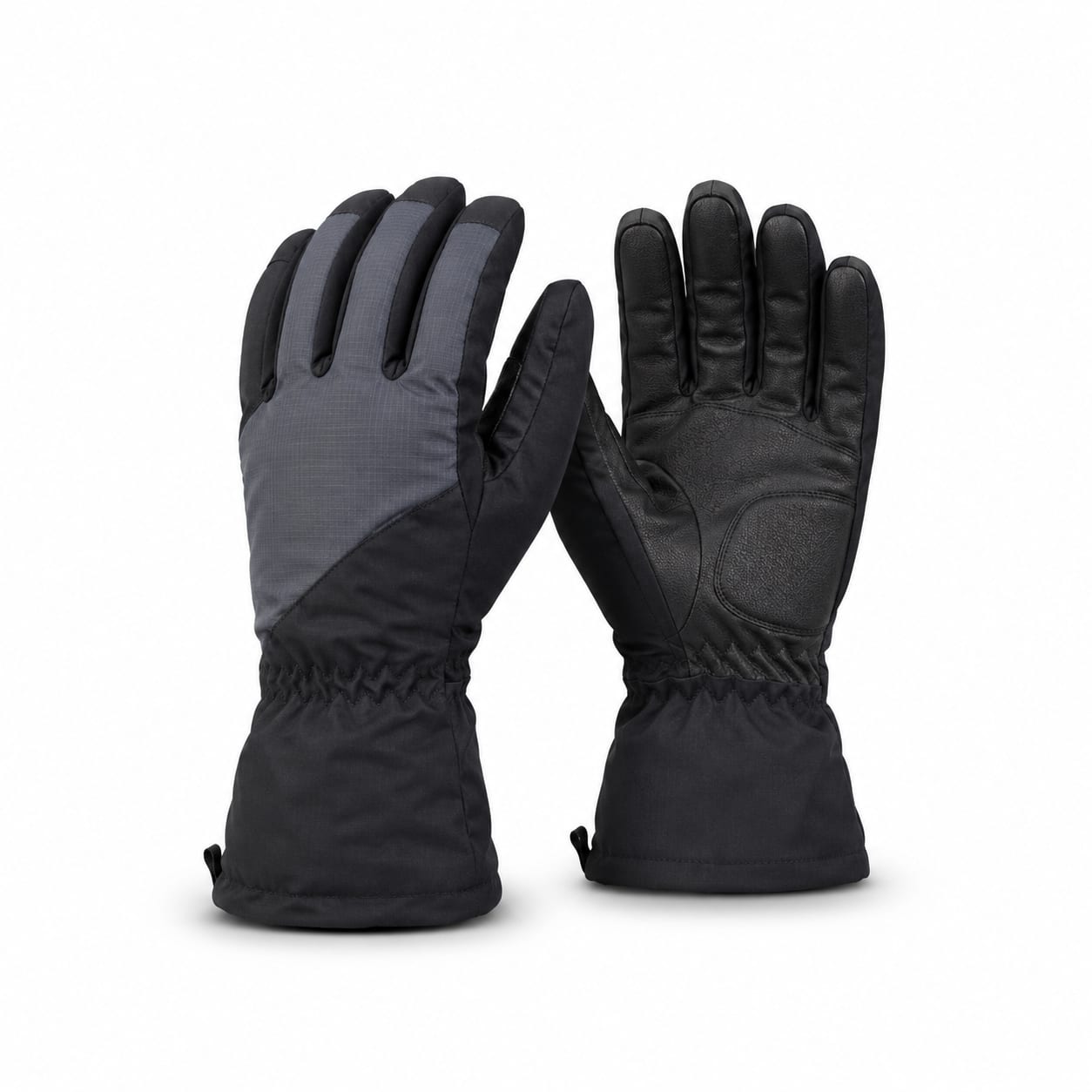
Backcountry / Touring Gloves
$60 – $220
Versatile gloves optimized for ski touring with breathability for uphill travel and warmth for downhill descents.
Moderate insulation for versatilityHigh breathability for uphill travelCompatible with liner layering
More questions
- Do I really need liner gloves if my insulated gloves already have a built-in liner?
- Will wearing liner gloves make my hands too warm or sweaty?
- Can I use regular running or cycling glove liners for skiing?
- How do I know if my outer gloves have enough room for a liner?