
Ski Helmet · FAQ
Questions about Audio-Integrated Helmet
Straight answers on fit, specs, and when this type makes sense — each topic has its own page with links back to the buying guide.
Open Audio-Integrated Helmet guide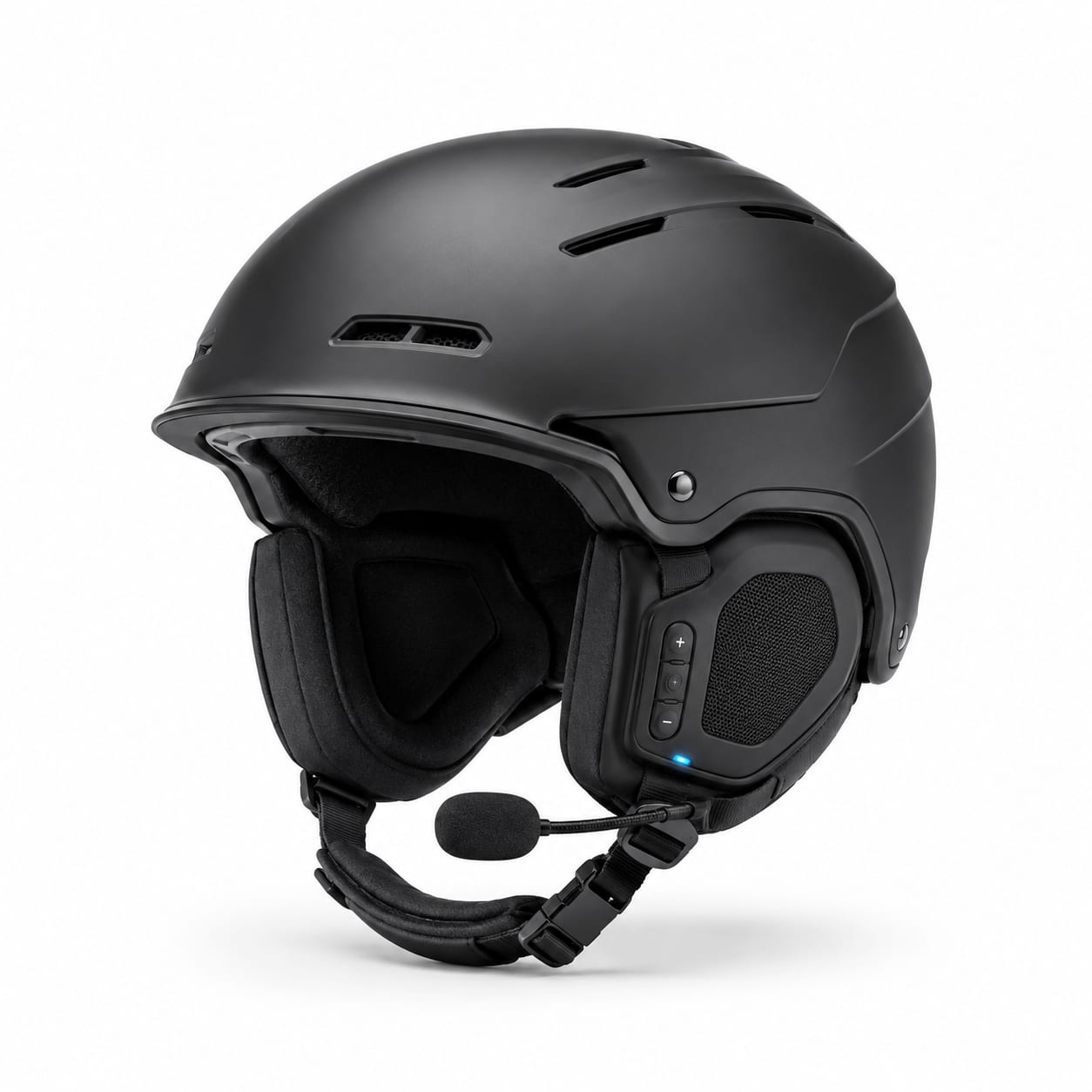
6 topics
Pick a question
Every answer links to the full subcategory guide and related gear types when it helps you decide.
Are audio-integrated helmets safe? Can you still hear what's happening around you?
Yes, audio-integrated helmets are designed with safety in mind. Unlike earbuds that seal your ear canal, helmet speakers sit outside the ear in the ear pads, projecting sound toward you without blocking environmental noise. You can hear approaching skiers, lift operators, and safety signals while listening to music at reasonable volumes. This ambient-aware design is significantly safer than wearing earbuds. However, at maximum volume, some environmental awareness is reduced, so keep volume at a level where you can still hear your surroundings.
Read answer →02Do audio helmets come with speakers included, or do I buy them separately?
It depends on the model. Some helmets come with built-in speakers permanently integrated into the ear pads — these are ready to use out of the box. Others have audio-compatible ear pads with drop-in pockets designed for separate speaker systems like Outdoor Tech Chips or Beats. Always check the product description carefully. If speakers are 'included,' they're built-in. If the helmet is 'audio-ready' or 'audio-compatible,' you'll likely need to purchase the speaker system separately.
Read answer →03How long does the battery last in cold weather?
Most audio helmet systems are rated for 8-15 hours of battery life at room temperature. In cold conditions (below freezing), expect 20-40% shorter battery life — so 5-10 hours is more realistic for a full ski day in winter. Keep the helmet indoors when not skiing, and charge it fully before each day. Some skiers carry a small USB battery pack for a midday top-up on the lift. Systems with the battery in the ear pad (rather than a separate module) tend to stay warmer from body heat and may perform better in cold.
Read answer →04Can I use audio-integrated helmets for ski racing or competitions?
Most organized ski races and competitions prohibit the use of headphones or audio devices, including audio-integrated helmets. FIS racing rules explicitly ban audio equipment. If you compete, check the specific rules for your race organization. For recreational skiing and most ski school programs, audio helmets are generally permitted, though some ski schools may ask instructors to keep audio off during lessons. The ambient-aware design of audio helmets makes them more accepted than earbuds at most resorts.
Read answer →05What happens if the audio system breaks? Do I need to replace the whole helmet?
It depends on the design. Helmets with drop-in audio systems (like Outdoor Tech Chips) let you simply remove and replace the speaker module without affecting the helmet's protection. The helmet remains fully functional as a helmet even without the audio. Helmets with built-in audio that fails are more problematic — you're left with non-functional speakers in your ear pads, but the helmet still provides full protection. Some brands sell replacement audio ear pads separately. The key point: audio failure never compromises the helmet's safety certification or impact protection.
Read answer →06Can I convert my current helmet to an audio helmet?
Possibly. Check if your current helmet has audio-compatible ear pads — many popular helmet models from Giro, Smith, and other brands offer audio-compatible ear pads as accessories. You can also look at aftermarket drop-in audio systems like Outdoor Tech Chips, which are designed to fit into many standard helmet ear pads. However, the fit and sound quality won't be as optimized as a purpose-built audio helmet. If your helmet's ear pads are too thin or don't have speaker pockets, the speakers may be uncomfortable against your ears or shift during use.
Read answer →