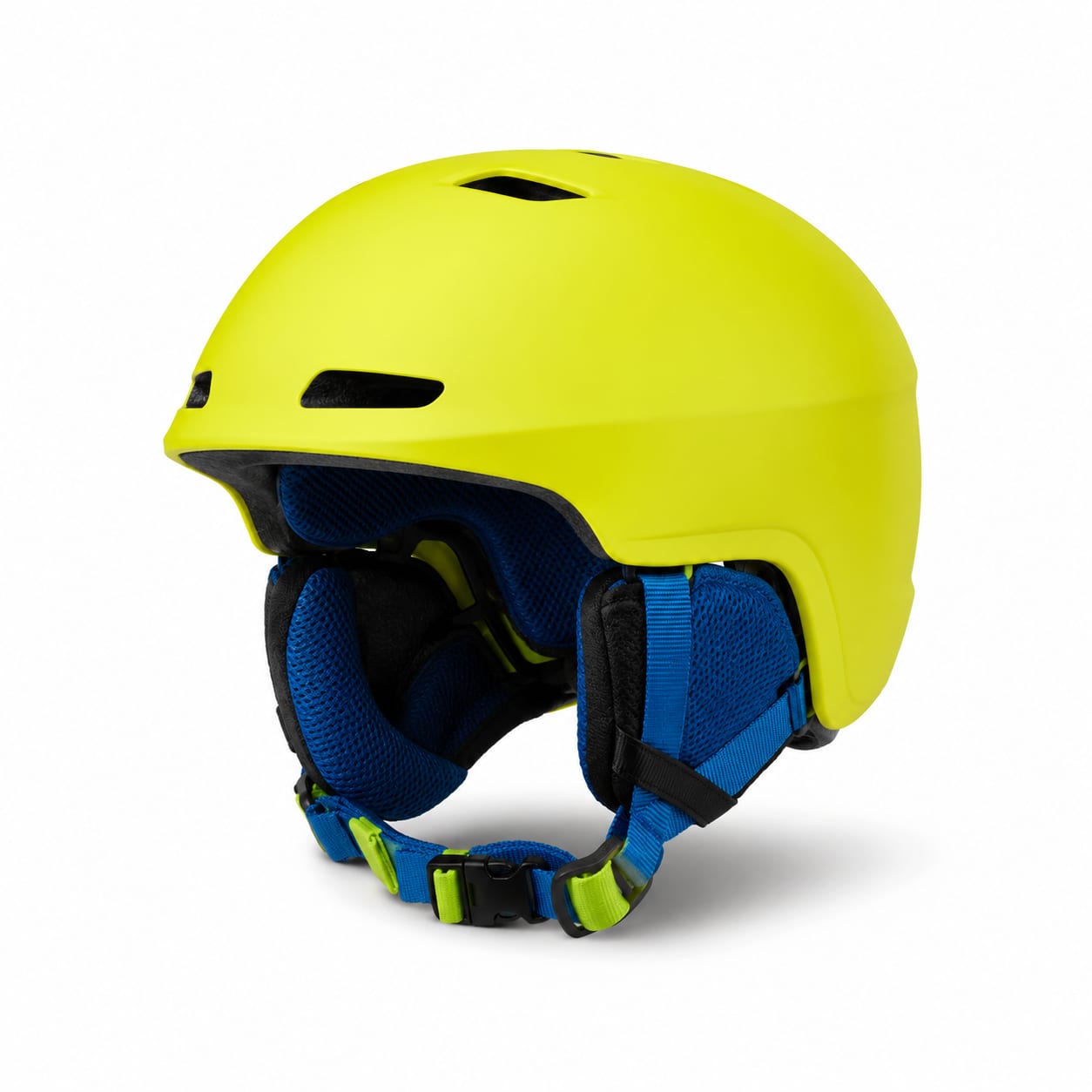
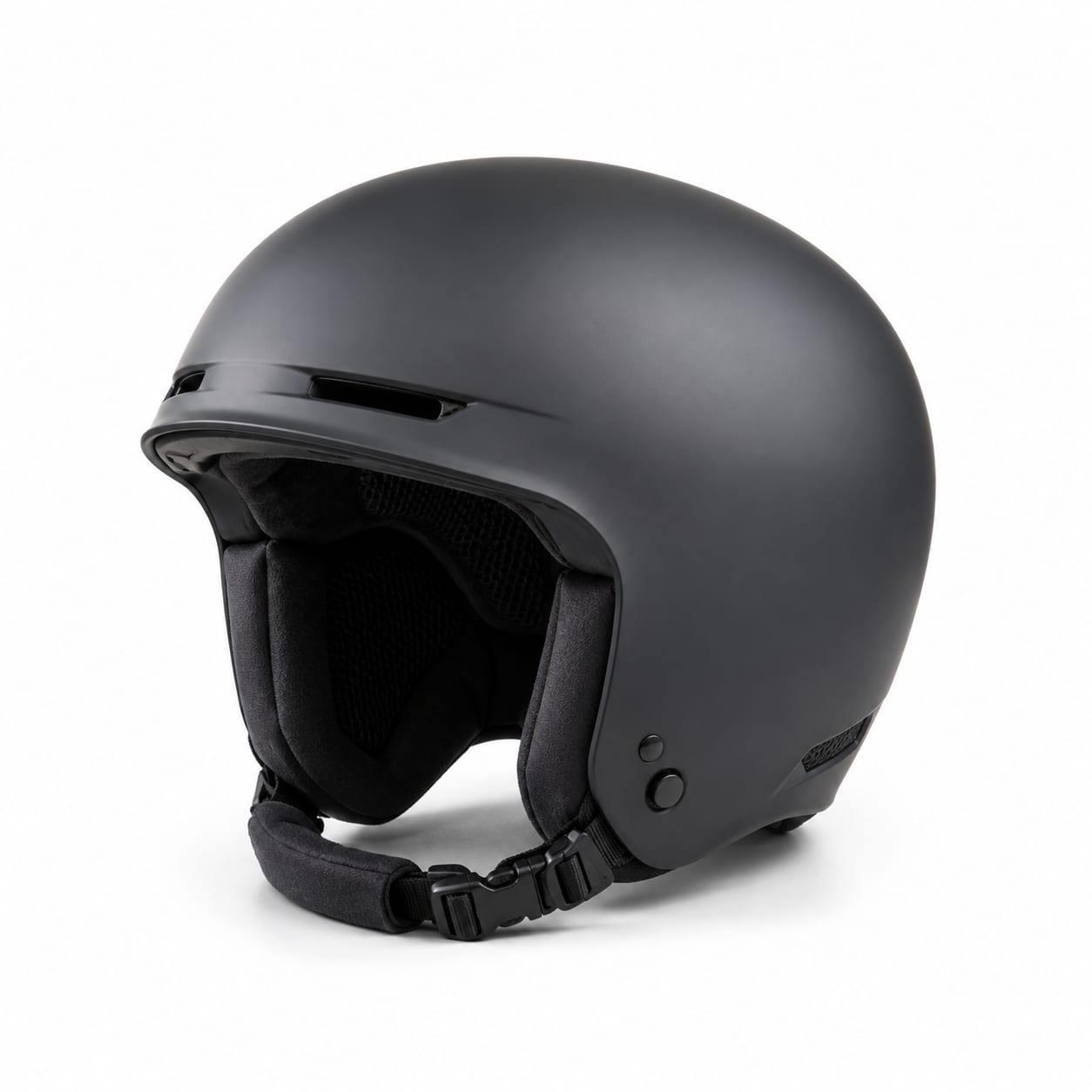
Kitvore.com

Kitvore.com

Specs that matter. Gear that fits.

Ski Helmet · Subcategory

Audio-Integrated Helmet

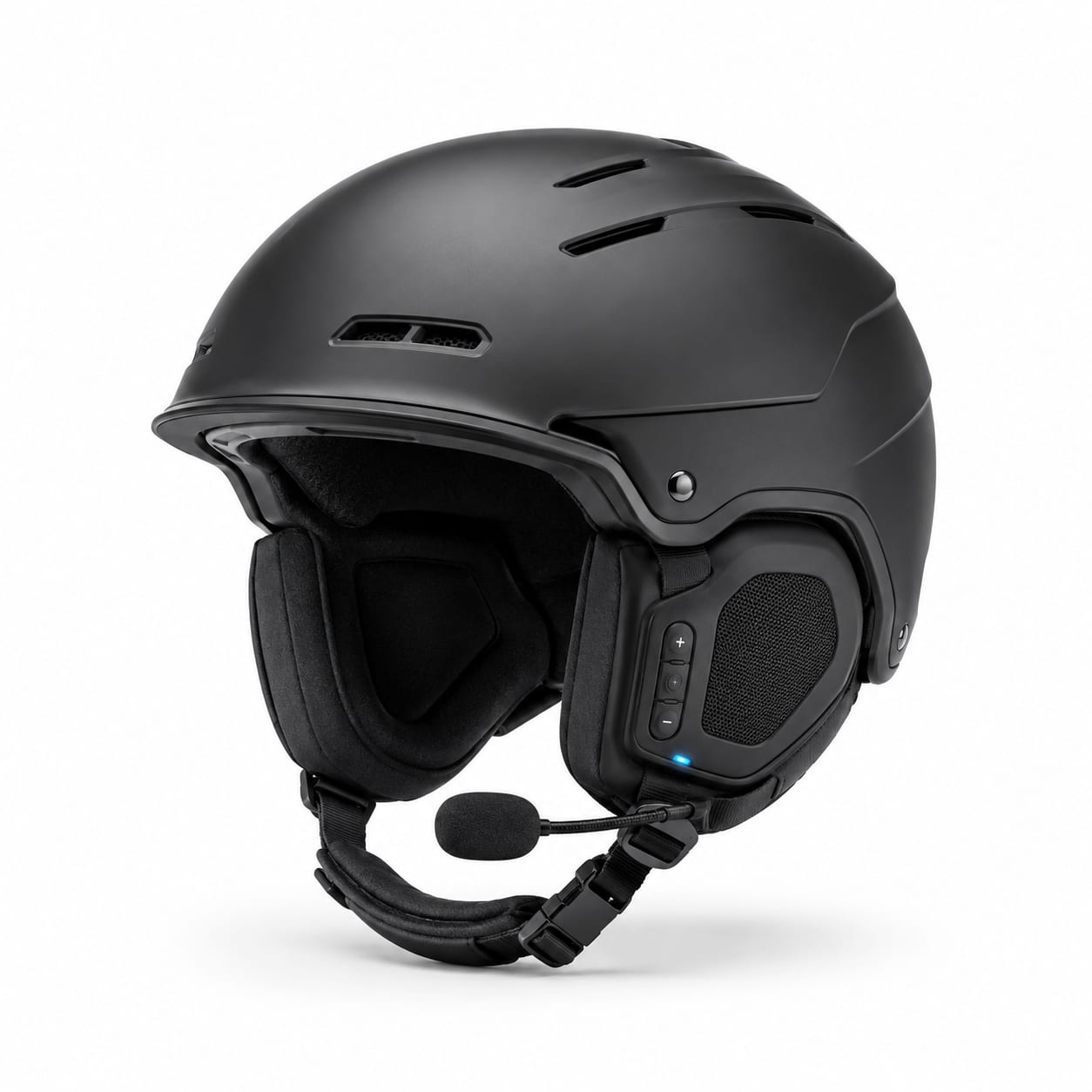
A ski helmet with built-in or drop-in audio speakers in the ear pads, letting you enjoy music and calls on the mountain without separate headphones.

Audio-integrated ski helmets combine certified head protection with integrated speaker systems in removable ear pads, eliminating the hassle of wearing earbuds under your helmet. They deliver ambient-aware sound so you can hear your music and your surroundings simultaneously — a major safety advantage over traditional headphones. Ideal for resort skiers who want a soundtrack on the slopes without compromising protection or situational awareness.

$100 – $350mid tierbeginnerintermediateadvanced

Best known for

Built-in or drop-in audio speakers in ear padsBluetooth connectivity for music and phone callsAmbient-aware sound that doesn't fully block environmental noiseOne-handed audio controls on the ear padSeamless integration — no separate headphones to manage
Audio-Integrated Helmet

Guide

Detailed overview

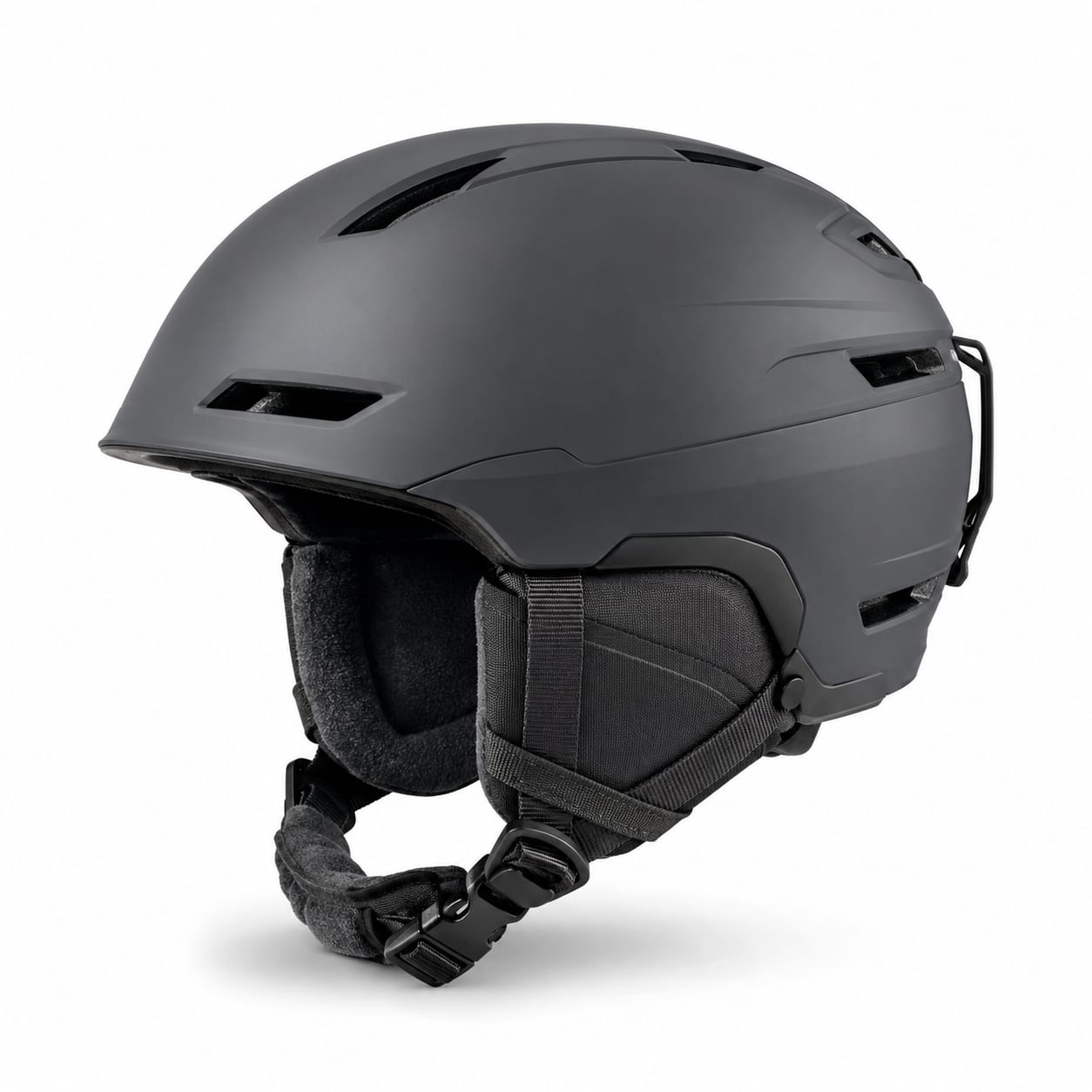
Audio-integrated helmets are a specialized subcategory of ski helmets designed with speaker-compatible ear pads that house audio drivers, Bluetooth modules, and on-ear controls. Unlike wearing earbuds under a standard helmet — which can be uncomfortable, shift during activity, and dangerously block ambient sound — audio-integrated helmets position speakers just outside the ear canal. This open-ear design lets you hear music, podcasts, or phone calls while remaining aware of other skiers, lift operators, and safety signals. Most models use removable audio ear pads with drop-in speaker pockets, allowing you to swap between insulated and audio pads depending on the day. The audio components typically add 50–100g of weight and a moderate price premium over equivalent non-audio helmets. Leading brands include Outdoor Tech (Chip/Chip2 systems), Smith (with integrated audio), Giro, and POC, with many helmets supporting aftermarket drop-in audio systems from Outdoor Tech, Chips, or Beats.

Audio-integrated ski helmets have grown enormously in popularity as Bluetooth technology has miniaturized and battery life has improved. The core appeal is simple: you want music on the mountain, but traditional earbuds are uncomfortable under a helmet, fall out during activity, and dangerously isolate you from your environment. Audio-integrated helmets solve all three problems by embedding speakers directly into the ear pads, positioned to project sound toward your ears without sealing them off.

The audio experience in these helmets is fundamentally different from headphones. Speakers sit against the ear pad fabric, projecting sound through the padding toward your ear canal without creating a sealed environment. This means you hear your music AND the mountain — approaching skiers, lift announcements, avalanche warnings, and conversations with your group. This ambient-aware design is a genuine safety advantage and is why many ski patrol organizations prefer audio helmets over earbuds. Sound quality is adequate for casual listening but will not satisfy audiophiles; expect functional, enjoyable sound rather than studio-quality reproduction.

Most audio-integrated helmets use one of two approaches: built-in audio systems with permanently wired speakers and integrated controls, or drop-in compatible ear pads with pockets for aftermarket speaker systems like Outdoor Tech Chips. Built-in systems offer cleaner integration and fewer parts to manage, but if the audio fails, you're stuck with non-functional speakers in your ear pads. Drop-in systems let you remove and replace the audio module, upgrade to newer technology, or swap to non-audio ear pads on days you want silence. Both approaches typically offer Bluetooth connectivity, 8–15 hours of battery life, and glove-friendly controls on the ear pad surface.

When shopping for an audio-integrated helmet, prioritize the helmet's protective qualities first — MIPS or equivalent rotational protection, proper certification, and a good fit — before evaluating the audio features. The best audio system in the world is worthless if the helmet doesn't protect you properly. Also verify compatibility with your goggles, as the slightly thicker audio ear pads can occasionally affect goggle strap positioning or create pressure points. Battery management becomes part of your pre-ski routine; forgetting to charge your helmet audio is a common frustration. Finally, be aware that some ski areas have regulations about headphone use, though audio-integrated helmets with their ambient-aware design are generally more accepted than in-ear headphones.

Quick facts

Primary purpose
On-slope entertainment, communication, and music while maintaining helmet protection
Popular brands
SmithAnonGiroOutdoor TechBernRuroc
Typical terrain
Groomed runsTerrain parksResort terrain

What makes it different

Integrated audio hardware in the ear pads is the defining feature; eliminates need for separate headphones and allows seamless music and communication

Recommended ranges

How this type usually specs out

Each spec is explained in plain language, then we show what buyers usually look for on this type.

Style

Helmet Style

What it means

The overall design and coverage category of the helmet, which determines the level of protection, ear coverage, and intended use environment.

Typical for this type

Half Shell Or Freestyle

In practice

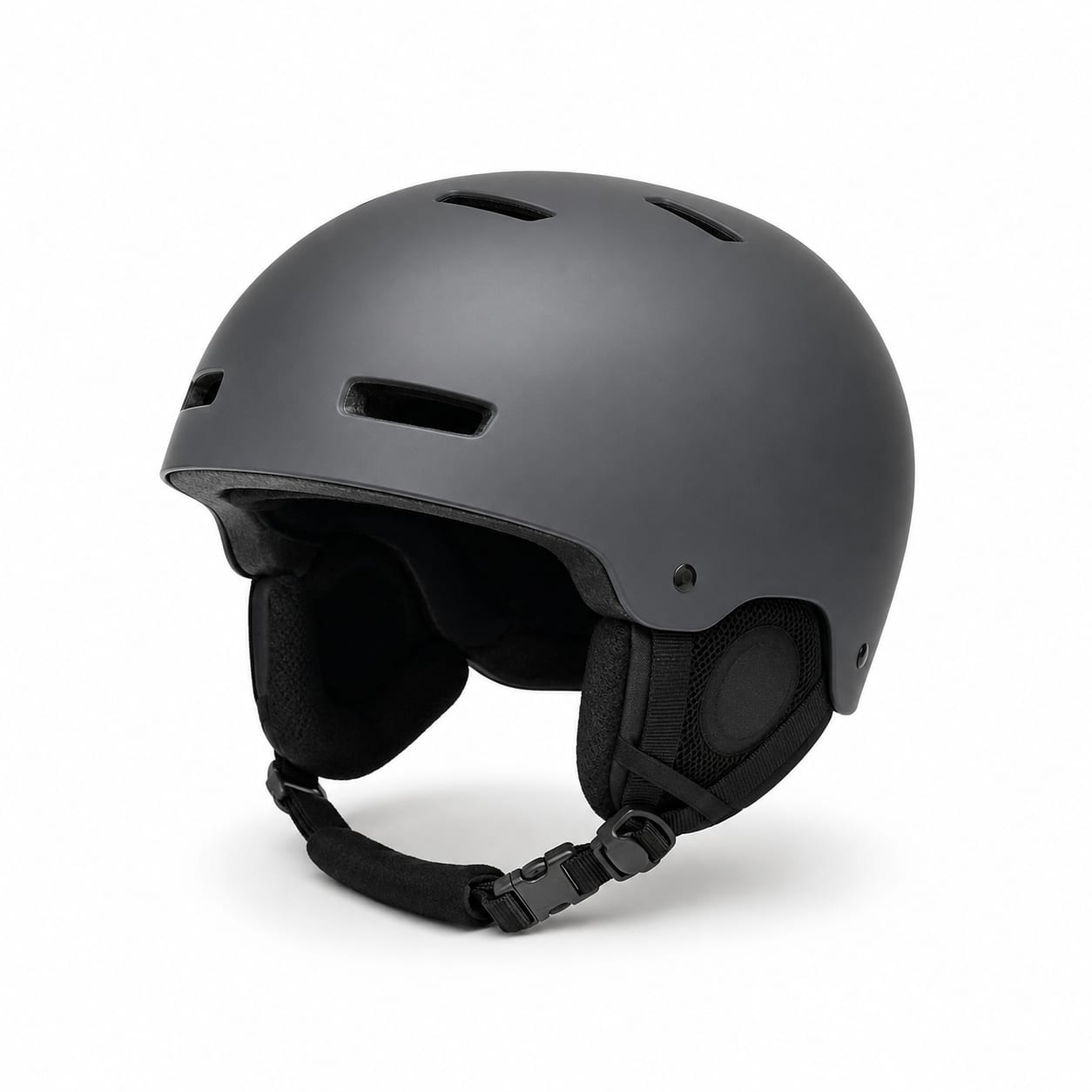
Audio-integrated helmets are overwhelmingly half-shell designs, which provide the ear coverage and pad structure needed to house speakers. Freestyle-style audio helmets also exist with a lower profile.

Compared to other types

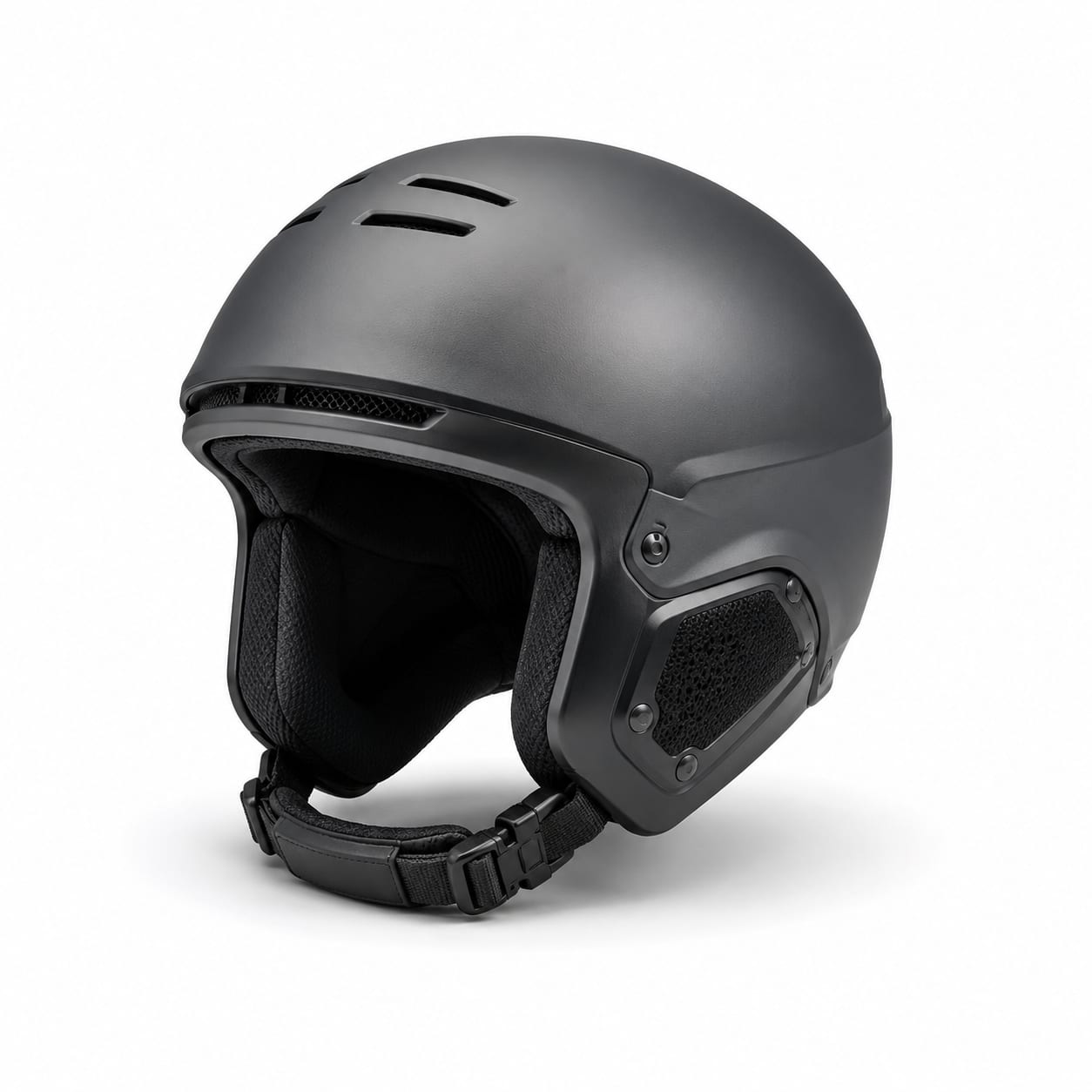
Unlike mountaineering helmets (which lack ear pads) or full-shell racing helmets (which have fixed ear sections), half-shell audio helmets provide the ideal structure for removable, speaker-equipped ear pads.

Why it matters: The helmet style determines whether there are ear pads at all — and ear pads are essential for housing audio speakers. Half-shell helmets with removable ear pads are the natural platform for audio integration.

Size (Head Circumference)

Size

What it means

The head circumference measurement the helmet is designed to fit, typically measured in centimeters around the widest part of the head above the eyebrows.

Typical for this type

52-64 cm (S through XL)

Most common pick: 55-58 cm (Medium)

In practice

Audio-integrated helmets follow standard sizing conventions. The audio components in the ear pads do not affect the size range available. Most brands offer S/M/L/XL covering 52-64cm.

Compared to other types

Sizing is identical to non-audio helmets in the same brand. However, audio ear pads can add slight bulk, so if you're between sizes, the larger size may be more comfortable with audio pads.

Why it matters: Proper fit is critical for safety and comfort. The audio ear pads may feel slightly snugger than standard insulated pads when first installed, so ensure the helmet fits well with the audio pads attached.

Construction

Construction Type

What it means

The method used to join the outer shell and inner foam liner, which affects weight, durability, and impact absorption characteristics.

Typical for this type

In Mold Or Hybrid

In practice

Audio-integrated helmets tend to be mid-range to premium products, so hybrid and in-mold constructions are most common. The audio features add cost, so manufacturers typically pair them with higher-end shell construction.

Compared to other types

Audio helmets skew toward in-mold and hybrid construction more than budget non-audio helmets, which are often hardshell. This is a positive — you get lighter construction as part of the premium pricing.

Why it matters: In-mold and hybrid constructions keep the helmet lighter, which helps offset the additional weight of audio components in the ear pads. A heavy hardshell plus audio ear pads can feel noticeably bulky.

Rotational Protection

Rotational Impact Protection

What it means

Technology designed to reduce rotational forces on the brain during oblique impacts. Rotational forces are a leading cause of concussions and traumatic brain injuries in skiing.

Typical for this type

Mips Or Koroyd

In practice

Most quality audio-integrated helmets include MIPS, as they tend to be mid-to-premium priced. The MIPS layer is unaffected by the audio components and works the same as in non-audio helmets.

Compared to other types

Audio helmets should have the same rotational protection options as non-audio helmets. If you find an audio helmet without MIPS at a similar price to one with MIPS, choose the MIPS version.

Why it matters: Never compromise on rotational protection for audio features. MIPS reduces concussion risk from oblique impacts, which are the most common type in skiing. The small additional cost is always worth it.

Certification

Certification Standard

What it means

The safety certification standard(s) the helmet meets or exceeds. Different standards have different testing protocols and protection requirements.

Typical for this type

At Minimum ASTM F2040 Or CE EN1077 Class A

Most common pick: ASTM F2040, CE EN1077 Class A

In practice

Audio-integrated helmets meet the same certification standards as non-audio helmets. The speakers in the ear pads do not compromise the helmet's impact protection or certification status.

Compared to other types

Certification is identical to non-audio helmets. There is no reduced standard or exemption for audio-integrated models. If a helmet with audio lacks certification, avoid it entirely.

Why it matters: Audio features are an add-on, not a substitute for safety certification. Ensure any audio helmet you consider meets at least one major certification standard. Reputable brands always certify their audio helmets.

Ventilation

Ventilation Type

What it means

The ventilation system design, which affects temperature regulation, fog prevention for goggles, and comfort in varying weather conditions.

Typical for this type

Adjustable

In practice

Adjustable vents are standard on audio-integrated helmets. The audio ear pads can trap slightly more warmth than standard pads, making adjustable ventilation even more valuable for temperature regulation.

Compared to other types

Ventilation needs are slightly higher with audio helmets because the speaker-containing ear pads can be warmer. Adjustable vents are more important here than on non-audio helmets.

Why it matters: Audio ear pads may reduce airflow to the ear area compared to standard insulated pads. Adjustable vents on the top of the helmet help compensate by allowing you to dump heat when needed and prevent goggle fogging.

Weight

Weight

What it means

The total weight of the helmet in grams. Lighter helmets reduce neck fatigue on long days but may sacrifice some features or durability.

Typical for this type

380-520g

Most common pick: 430g

In practice

Audio-integrated helmets typically weigh 50-100g more than equivalent non-audio models due to the speakers, Bluetooth modules, batteries, and wiring in the ear pads. Expect 400-500g for most models.

Compared to other types

Non-audio half-shell helmets typically weigh 350-450g. Audio helmets in the same class weigh 400-520g. The 50-100g difference is perceptible but rarely a dealbreaker for resort skiers.

Why it matters: The added weight is noticeable but generally acceptable for resort skiing. If you're sensitive to helmet weight or ski long days, look for lighter audio systems and in-mold construction to minimize the penalty.

Fit System

Fit Adjustment System

What it means

The mechanism used to fine-tune the helmet's fit to the head after selecting the appropriate size. A good fit system ensures the helmet stays securely in place during impacts.

Typical for this type

Dial Boa Or Ergo Dial

In practice

Dial-based fit systems are standard on audio-integrated helmets, which tend to be mid-range to premium. The fit system works independently of the audio components and adjusts the same way.

Compared to other types

Fit systems are the same as non-audio helmets at equivalent price points. Since audio helmets skew premium, you're more likely to get a quality dial system rather than a basic pad-set system.

Why it matters: A good fit system is especially important with audio helmets because the ear pads are slightly thicker and may affect how the helmet sits. The dial lets you fine-tune the fit with the audio pads installed.

Goggle Fit

Goggle Compatibility

What it means

How well the helmet integrates with ski goggles, including the absence of a gaper gap, secure goggle strap attachment, and proper vent alignment to prevent fogging.

Typical for this type

Integrated Clip Or Matched System

In practice

Audio helmets use the same goggle integration as non-audio models. An integrated clip on the rear secures the goggle strap. Some premium models offer matched brand systems for seamless integration.

Compared to other types

Goggle compatibility is generally the same, but audio ear pads add slight bulk around the strap path. In rare cases, the strap may sit differently than on the same helmet with standard ear pads.

Why it matters: The thicker audio ear pads can occasionally interfere with goggle strap positioning, especially on helmets with a very low-profile ear section. Always test your goggles with the audio helmet before purchasing.

Ear Pads

Ear Pad Type

What it means

The style and removability of ear protection, which affects warmth, hearing ability, and versatility across seasons and conditions.

Typical for this type

Removable Audio

In practice

This is the defining feature of audio-integrated helmets. They come with audio-compatible ear pads that have built-in speakers or pockets for drop-in audio modules. The pads are removable for washing or swapping to non-audio pads.

Compared to other types

This is what distinguishes audio helmets from all other subcategories. Non-audio helmets have removable insulated or fixed ear pads without speaker accommodation. Audio ear pads are slightly thicker and heavier.

Why it matters: Removable audio ear pads give you flexibility — use audio when you want it, swap to standard insulated pads when you don't. They also allow you to replace the ear pads if the speakers fail or the padding wears out.

Liner

Liner Material

What it means

The inner liner material that contacts the head, providing comfort, moisture management, and additional impact absorption.

Typical for this type

Eps Or Multi Density Eps

In practice

Audio-integrated helmets use the same EPS-based liner materials as non-audio helmets. The audio components are housed in the ear pads only and do not affect the impact-absorbing liner in the main shell.

Compared to other types

Liner materials are identical to non-audio helmets at equivalent price points. The audio components are entirely separate from the impact-absorbing EPS liner.

Why it matters: The liner material determines impact absorption and is independent of the audio features. Don't assume that a more expensive audio helmet has a better liner — check the specifications.

Audio Compatible

Audio Compatible

What it means

Whether the helmet is designed to accommodate audio speakers or headphones, either with built-in speakers or compatible ear pads with speaker pockets.

Typical for this type

True

In practice

By definition, all helmets in this subcategory are audio-ready. They either include built-in speakers or have ear pads with drop-in speaker pockets designed for specific audio systems.

Compared to other types

Non-audio helmets may or may not be audio-ready. Some standard helmets have ear pads that can accommodate aftermarket speakers, but the fit and sound quality will be inferior to a purpose-built audio helmet.

Why it matters: This is the core feature of the subcategory. Audio-ready means the helmet is engineered to accommodate speakers without compromising fit, safety, or comfort. Non-audio-ready helmets may not have the ear pad structure to hold speakers properly.

Washable Liner

Removable Washable Liner

What it means

Whether the interior padding and liner can be removed for washing, which affects hygiene and longevity of the helmet.

Typical for this type

True

In practice

Most audio-integrated helmets have removable, washable liners. This is especially valuable because the audio ear pads can trap more heat and moisture than standard pads, making regular washing more important.

Compared to other types

Audio helmets are slightly more likely to have removable liners than budget non-audio helmets, as they tend to be mid-to-premium products. This is a beneficial feature given the increased warmth of audio ear pads.

Why it matters: Sweat and moisture management is more critical with audio helmets because the speakers and electronics in the ear pads reduce breathability. A removable liner lets you wash away sweat, oils, and bacteria regularly.

Shell Material

Shell Material

What it means

The material used for the outer shell of the helmet, which affects durability, weight, and appearance.

Typical for this type

Polycarbonate

In practice

Polycarbonate shells are most common on audio-integrated helmets, paired with in-mold or hybrid construction. This keeps weight down to partially offset the added weight of audio components.

Compared to other types

Audio helmets almost exclusively use polycarbonate or hybrid polycarbonate/ABS shells. ABS-only hardshell audio helmets are rare because the combined weight of hardshell plus audio would be excessive.

Why it matters: A lighter shell material helps compensate for the heavier audio ear pads. Polycarbonate provides the best strength-to-weight ratio and is the standard for mid-to-premium helmets.

Number of Vents

Number of Vents

What it means

The total count of ventilation openings on the helmet. More vents provide better airflow but may reduce warmth.

Typical for this type

8-14 adjustable vents

Most common pick: 10

In practice

Audio-integrated helmets typically have 8-14 vents, most of which are adjustable. The audio ear pads reduce airflow around the ears, making adequate top ventilation more important.

Compared to other types

Audio helmets may benefit from slightly more vents than non-audio helmets to compensate for the reduced ear-area airflow. 10-14 adjustable vents is the sweet spot.

Why it matters: With audio ear pads blocking some natural airflow around the ears, having enough adjustable vents on top becomes more important for temperature regulation and goggle fog prevention.

Brim or Visor

Brim / Visor

What it means

Whether the helmet includes a brim or visor for sun protection, weather deflection, and goggle integration.

Typical for this type

None Or Integrated Brim

In practice

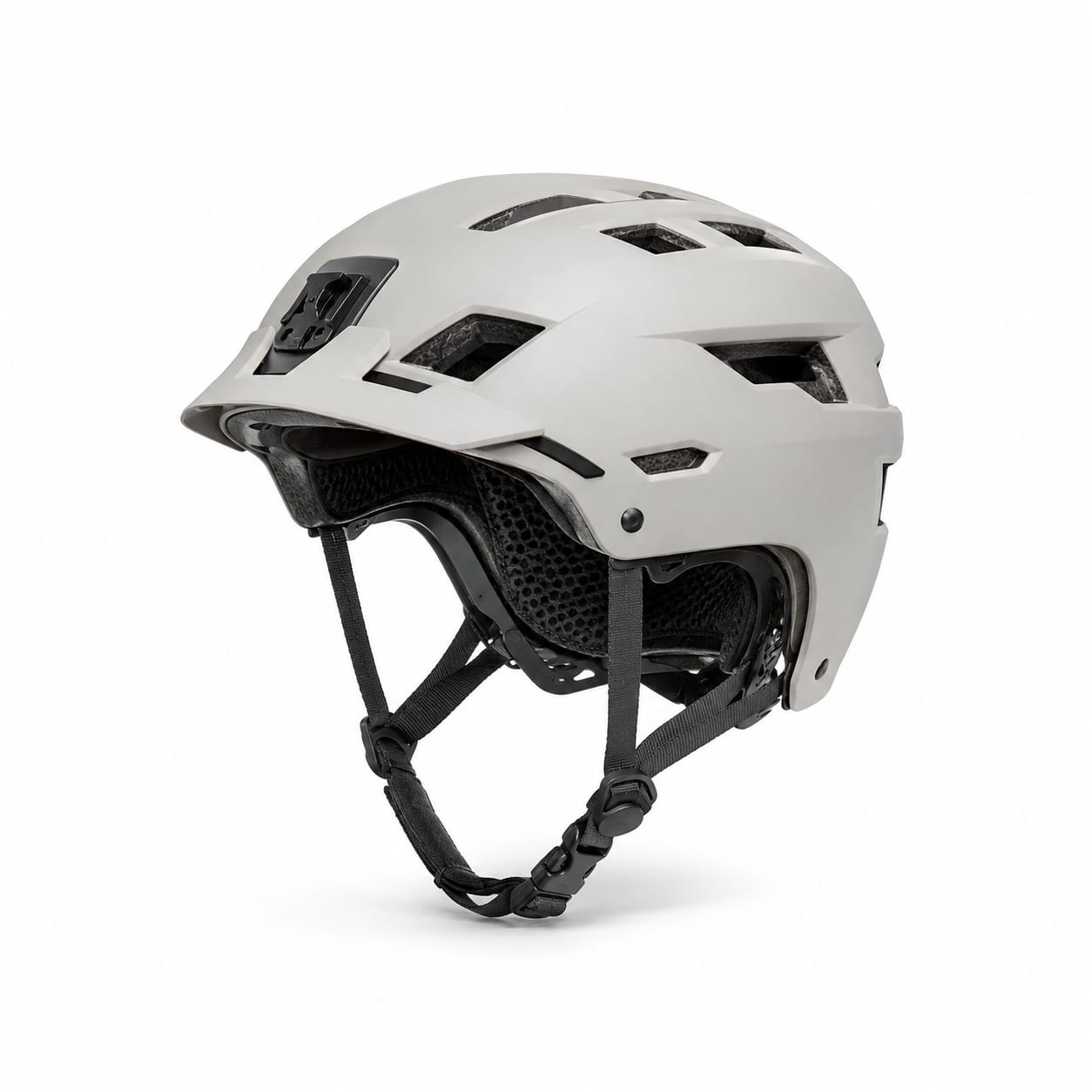
Most audio-integrated helmets have a clean profile without a brim, though some all-mountain models include an integrated brim. The brim choice is independent of the audio features.

Compared to other types

Brim/visor options are the same as non-audio helmets. The audio features don't affect brim design or functionality.

Why it matters: A brim can help with sun glare and keeping snow off goggles but adds weight. Since audio helmets are already slightly heavier, a brim-less design keeps the overall weight more manageable.

Buckle Type

Chin Strap Buckle Type

What it means

The type of buckle used on the chin strap, which affects ease of use, especially with gloves, and security of the closure.

Typical for this type

Fidlock Or Side Release

In practice

Many audio-integrated helmets feature Fidlock magnetic buckles, as they tend to be mid-to-premium products. The buckle type is independent of the audio features but enhances the premium experience.

Compared to other types

Audio helmets are more likely to include Fidlock buckles than budget non-audio helmets, simply because they occupy a higher price tier. The buckle type doesn't affect audio functionality.

Why it matters: A Fidlock buckle is especially convenient when wearing gloves and managing audio controls — you can unbuckle with one hand while adjusting volume with the other. It's a small but meaningful quality-of-life feature.

Evaluation

Strengths and trade-offs

Pros

What this type does best

Ambient-aware audio for safety

Critical

Speakers sit outside the ear canal, allowing you to hear music and your surroundings simultaneously. This is significantly safer than earbuds, which block environmental sounds like approaching skiers and lift announcements.

No separate headphones to manage

High

Everything is integrated into the helmet. No earbuds falling out, no wires to tangle, no separate devices to position. Put on your helmet and your audio is ready.

Glove-friendly controls

High

On-ear pad controls let you adjust volume, skip tracks, and take calls without removing your gloves or reaching for your phone. Large buttons on the ear pad surface are easy to find by touch.

Bluetooth phone calls on the lift

Medium

Built-in microphones allow you to take calls without removing your helmet or gloves. Useful for coordinating with your group or handling urgent calls without stopping your ski day.

Removable audio for versatility

Medium

Most audio ear pads are removable, letting you swap to standard insulated pads on days you don't want audio. You get the best of both worlds without owning two helmets.

Drop-in upgradeability

Medium

Helmets with drop-in audio pockets let you upgrade the speaker system later as technology improves, rather than replacing the entire helmet.

Full safety certification maintained

High

Audio components are housed in the ear pads and do not compromise the helmet's impact protection or safety certification. You get full protection with added functionality.

Cons

Trade-offs to be aware of

Added weight from audio components

Minor

Speakers, Bluetooth modules, batteries, and wiring add 50-100g compared to equivalent non-audio helmets. Noticeable on long days but rarely a dealbreaker for resort skiing.

Audio quality is adequate, not excellent

Moderate

Ear pad speakers cannot match the sound quality of dedicated headphones or earbuds. Bass response is limited and maximum volume may not satisfy in windy conditions. Expect functional, enjoyable sound rather than audiophile quality.

Battery management required

Minor

You must remember to charge the audio system (typically 8-15 hours of battery life). Forgetting to charge means skiing without audio that day. Charging is usually via USB-C or micro-USB on the ear pad or control module.

Higher price than equivalent non-audio helmets

Moderate

Audio-integrated helmets typically cost $50-150 more than the same helmet without audio features. If you rarely listen to music while skiing, the premium may not be worth it.

Potential for audio system failure

Moderate

Electronic components can fail due to cold temperatures, moisture, or battery degradation. Built-in audio systems that fail leave you with non-functional speakers in your ear pads. Drop-in systems are more easily replaced.

Slightly reduced hearing compared to no audio

Minor

While much safer than earbuds, audio helmets still reduce your ability to hear subtle environmental sounds compared to riding with no audio at all. Volume discipline is important.

Best for

Terrain

Groomed resort runsAll-mountain resort terrainTerrain parksLift-accessed sidecountry

Snow conditions

Clear weather resort daysSpring skiingAny resort conditions where you want a soundtrack

Skill level

IntermediateAdvancedExpert

Riding style

Resort cruisingAll-mountainFreestyle/parkSocial group skiing

Rider profile

Music lovers who ski resort terrainSkiers who take phone calls on the liftInstructors or guides who need communicationSocial skiers who want to share music with a partnerSkiers who find earbuds uncomfortable under helmets

Not ideal for

Reasons

Audio can distract from critical environmental cues in avalanche terrainAdded weight is a penalty for uphill travelBattery life may be insufficient for long touring days in cold temperaturesSome ski areas prohibit headphone use, including audio helmetsBeginners need to focus entirely on instruction and awareness

Terrain

Backcountry touring (weight penalty and battery concerns in cold)Steep mountaineering (need maximum environmental awareness)

Skill level

Beginners who need to hear instructors clearlyYoung children (distraction risk and unnecessary complexity)

Riding style

Competitive racing (not allowed in most races)Backcountry touring (weight and battery concerns)Ski patrol or safety roles (need full auditory awareness)

Compare

How it stacks up

This page

Audio-Integrated Helmet

Integrated audio with ambient awareness, no separate headphones needed, glove-friendly controls, Bluetooth connectivity for music and calls.

Alternative

Standard Half-Shell Helmet

Lighter weight, lower cost, simpler design with fewer components to fail, slightly more breathable ear pads without speakers.

Bottom line

Choose audio-integrated if you regularly listen to music or take calls while skiing. Choose a standard helmet if you prefer silence, prioritize minimum weight, or ski primarily in the backcountry.

This page

Audio-Integrated Helmet

Audio integration for music during park sessions, typically warmer ear pads, more feature-rich overall.

Alternative

Freestyle/Park Helmet

Lower profile, lighter weight, more skate-inspired aesthetic, better ventilation for high-output park riding.

Bottom line

Choose audio-integrated if you want music in the park and don't mind the slight weight penalty. Choose freestyle if you prioritize a low-profile look and minimal weight for spinning and jumping.

This page

Audio-Integrated Helmet

Audio for resort skiing comfort, warmer ear pads, more robust feature set.

Alternative

Mountaineering / Touring Helmet

Much lighter weight, superior ventilation for uphill travel, headlamp clips, minimal insulation that works for touring.

Bottom line

Choose audio-integrated for resort skiing where you want entertainment. Choose mountaineering for any backcountry or touring application where weight, ventilation, and environmental awareness are paramount.

This page

Audio-Integrated Helmet

Safer ambient-aware sound, no earbuds falling out or causing discomfort, integrated controls, cleaner setup without wires.

Alternative

Standard Helmet + Earbuds

Better sound quality from quality earbuds, lower total cost, no battery charging required for the helmet itself, more music isolation if desired.

Bottom line

Choose audio-integrated for the safety and convenience of ambient-aware sound. Choose earbuds only if sound quality is your top priority and you accept the safety trade-off of reduced environmental awareness.

Shopping

Buying tips

  • 1

    Prioritize the helmet's safety features (MIPS, certification, fit) before evaluating audio quality. A great-sounding helmet that doesn't fit properly or lacks rotational protection isn't worth buying.

  • 2

    Decide between built-in audio and drop-in compatible systems. Built-in offers cleaner integration; drop-in lets you upgrade or replace the audio module independently and swap to non-audio ear pads easily.

  • 3

    Check battery life specifications and real-world cold-weather performance. Battery life can be 20-40% shorter in sub-freezing temperatures. Look for at least 10 hours of rated battery life.

  • 4

    Test the on-ear controls with gloves before buying. Some audio systems have small, hard-to-find buttons that are frustrating with thick gloves. Larger, raised buttons are much easier to operate.

  • 5

    Verify Bluetooth compatibility with your phone and any apps you want to use. Most modern audio helmets use standard Bluetooth, but some have companion apps with additional features.

  • 6

    Consider whether you need a microphone for calls. Not all audio helmets include one. If you want to take calls on the lift, confirm the mic is included and test call quality.

  • 7

    If you already own a helmet you love, check if it has audio-compatible ear pads available separately or if aftermarket drop-in systems (like Outdoor Tech Chips) fit your ear pads before buying a whole new helmet.

  • 8

    Check if the audio ear pads are washable or if the speakers are removable from the pads for washing. Sweat and moisture management is important for hygiene and longevity.

Care

Maintenance notes

  • Charge the audio system before each ski day. Develop a routine of plugging in after skiing so it's always ready.
  • Remove and air-dry the ear pads and liner after each use. The speakers trap more moisture than standard pads, so drying is especially important to prevent odor and mildew.
  • Do not machine wash audio ear pads. Hand wash the fabric exterior carefully, avoiding the speaker modules. Remove speakers from drop-in pads before washing if possible.
  • Store the helmet in a dry, room-temperature location. Extreme cold or heat can degrade battery life and electronic components over time.
  • If the audio system stops working, check the charging connection and cable first. USB ports can accumulate debris or corrosion. Clean gently with a dry toothbrush.
  • Replace the helmet after any significant impact, even if the audio still works. The EPS liner is designed to deform permanently and may not protect you in a second crash.
  • If using drop-in audio, periodically remove the speakers and clean the ear pad pockets to prevent debris buildup that can affect speaker positioning and sound quality.
  • Battery capacity will degrade over 2-3 years of regular use. If battery life becomes insufficient, replace the audio module (drop-in systems) or the ear pads (built-in systems) rather than the entire helmet if the shell is still in good condition.

Progression

Skill development path

Audio-integrated helmets are best suited for intermediate to advanced skiers who are comfortable enough on skis to safely divide their attention. Beginners should focus entirely on developing awareness and technique without audio distraction. As skills progress and terrain becomes more familiar, audio adds enjoyment without significantly compromising safety. Expert skiers in controlled resort environments can use audio comfortably, but should still remove or mute it in challenging conditions, crowded areas, or when skiing with less experienced partners who may need verbal communication.

FAQ

Common questions

Each question has a dedicated page with a full answer and links to the buying guide.

Are audio-integrated helmets safe? Can you still hear what's happening around you?

Yes, audio-integrated helmets are designed with safety in mind. Unlike earbuds that seal your ear canal, helmet speakers sit outside the ear in the ear pads, projecting sound toward you without blocking environmental noise. You can hear approaching skiers, lift operators, and safety signals while listening to music at reasonable volumes. This ambient-aware design is significantly safer than wearing earbuds. However, at maximum volume, some environmental awareness is reduced, so keep volume at a level where you can still hear your surroundings.

Do audio helmets come with speakers included, or do I buy them separately?

It depends on the model. Some helmets come with built-in speakers permanently integrated into the ear pads — these are ready to use out of the box. Others have audio-compatible ear pads with drop-in pockets designed for separate speaker systems like Outdoor Tech Chips or Beats. Always check the product description carefully. If speakers are 'included,' they're built-in. If the helmet is 'audio-ready' or 'audio-compatible,' you'll likely need to purchase the speaker system separately.

How long does the battery last in cold weather?

Most audio helmet systems are rated for 8-15 hours of battery life at room temperature. In cold conditions (below freezing), expect 20-40% shorter battery life — so 5-10 hours is more realistic for a full ski day in winter. Keep the helmet indoors when not skiing, and charge it fully before each day. Some skiers carry a small USB battery pack for a midday top-up on the lift. Systems with the battery in the ear pad (rather than a separate module) tend to stay warmer from body heat and may perform better in cold.

Can I use audio-integrated helmets for ski racing or competitions?

Most organized ski races and competitions prohibit the use of headphones or audio devices, including audio-integrated helmets. FIS racing rules explicitly ban audio equipment. If you compete, check the specific rules for your race organization. For recreational skiing and most ski school programs, audio helmets are generally permitted, though some ski schools may ask instructors to keep audio off during lessons. The ambient-aware design of audio helmets makes them more accepted than earbuds at most resorts.