
Most organized ski races and competitions prohibit the use of headphones or audio devices, including audio-integrated helmets. FIS racing rules explicitly ban audio equipment. If you compete, check the specific rules for your race organization. For recreational skiing and most ski school programs, audio helmets are generally permitted, though some ski schools may ask instructors to keep audio off during lessons. The ambient-aware design of audio helmets makes them more accepted than earbuds at most resorts.
Ski Helmet · Audio-Integrated Helmet
Can I use audio-integrated helmets for ski racing or competitions?
Related gear types
If this answer nudged you toward a different style, these guides compare specs and trade-offs.
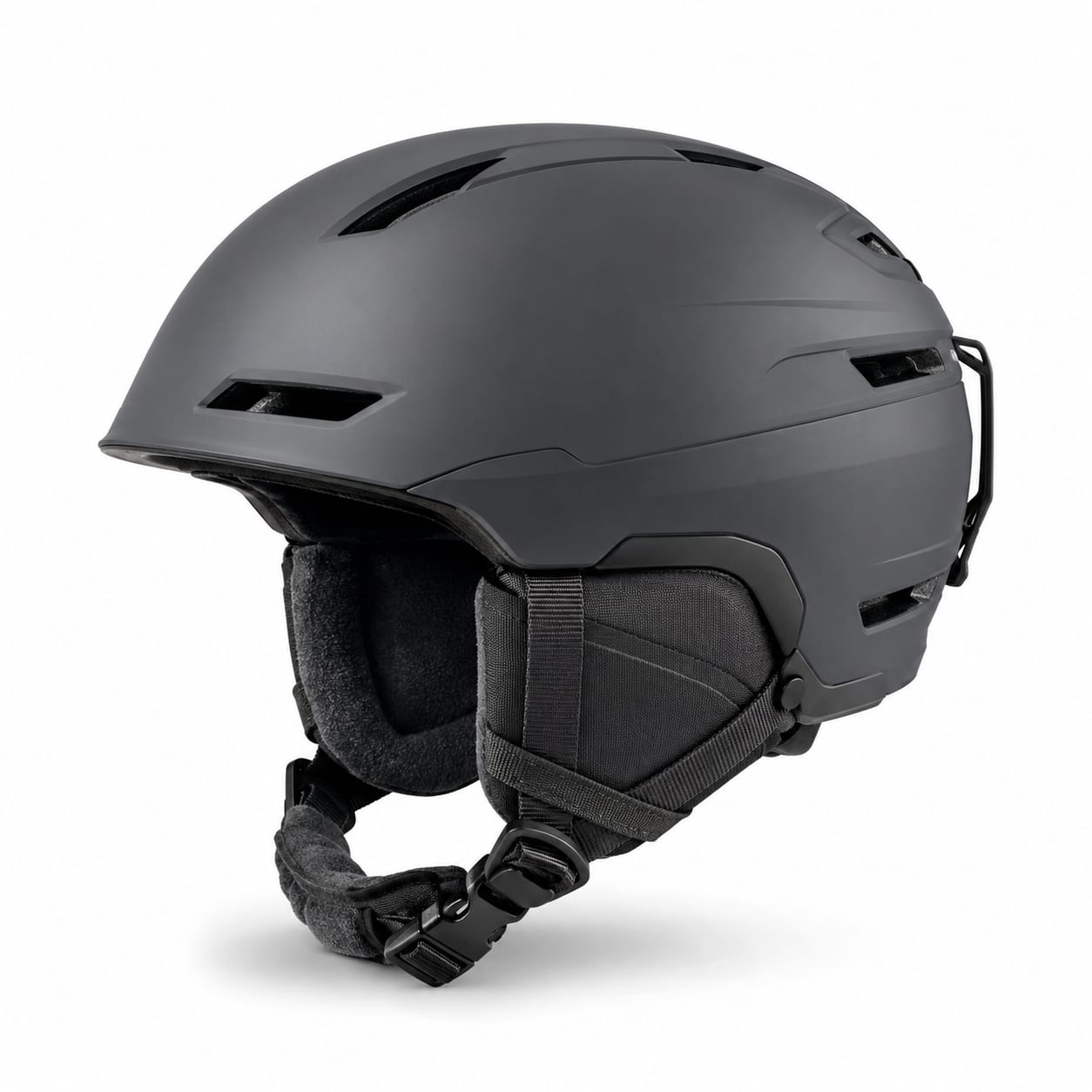
All-Mountain Ski Helmet
$60 – $280
Versatile helmets designed for general skiing across varied terrain and conditions.
Adjustable ventilationRemovable ear padsGoggle integration strap or clip
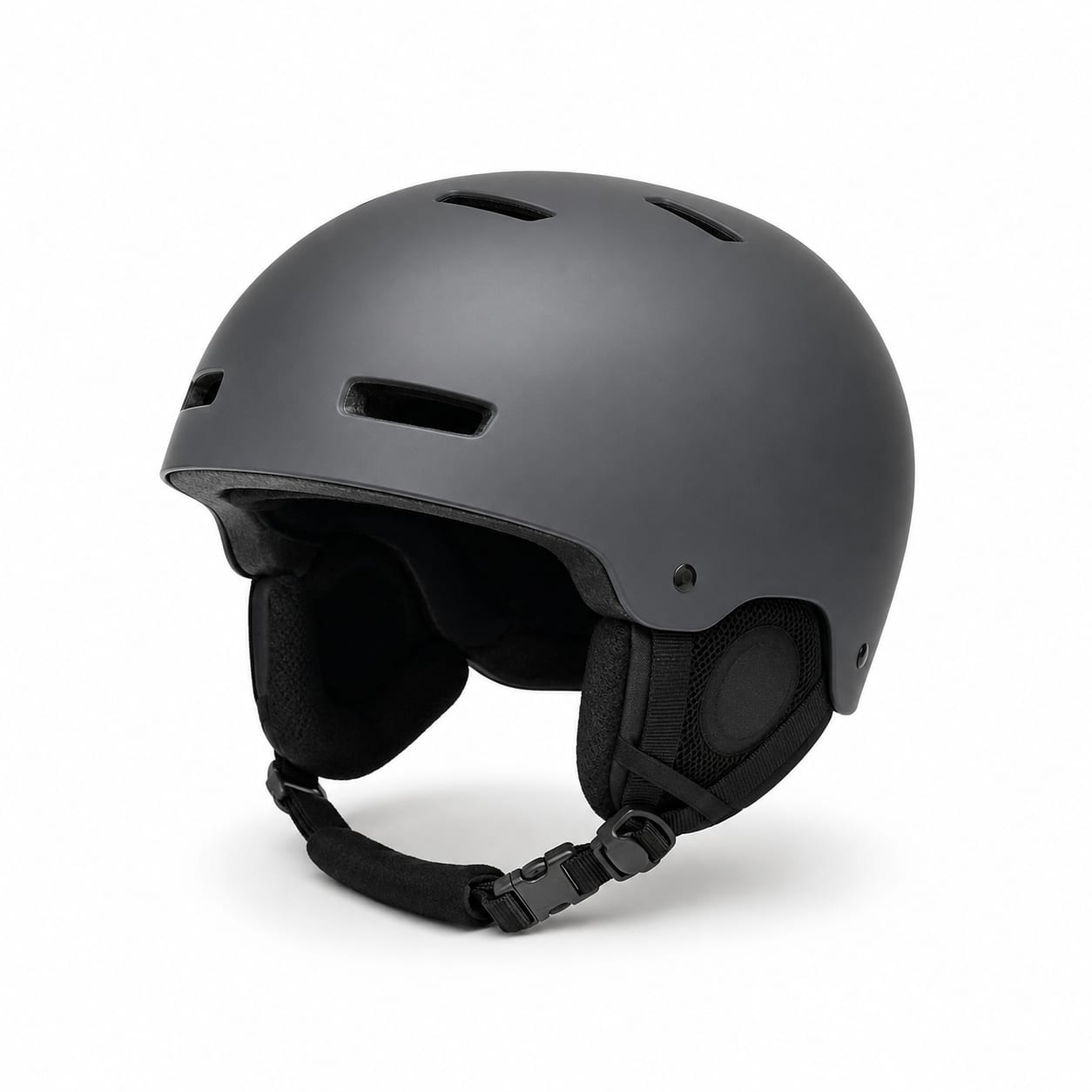
Freestyle/Park Helmet
$50 – $200
Low-profile helmets designed for terrain park skiing, pipe riding, and freestyle progression.
Low-profile skate-inspired shapeAudio-compatible ear padsDurable ABS or hybrid shell
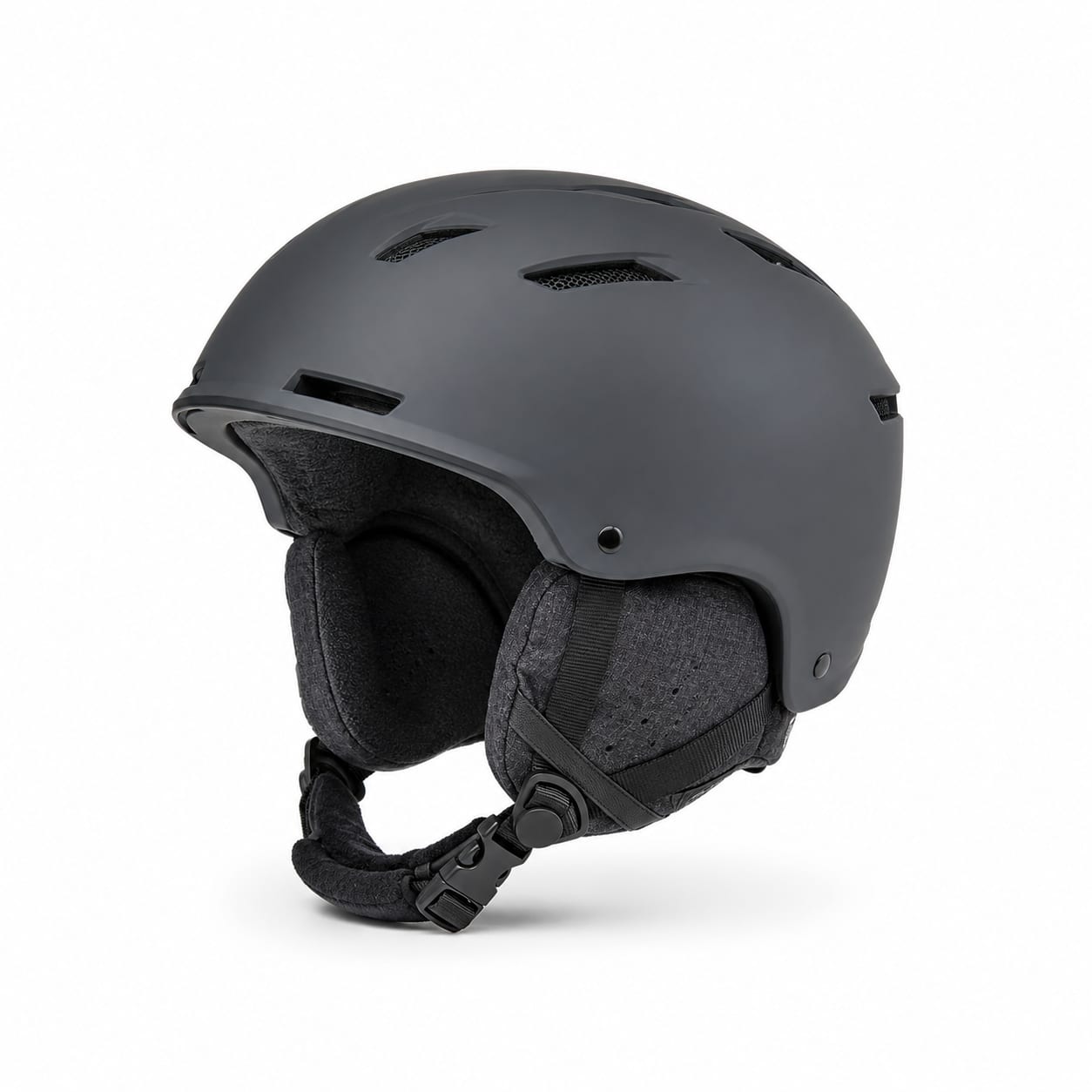
Half-Shell Ski Helmet
$50 – $250
Lightweight helmets with soft ear pads instead of hardshell ear coverage for enhanced comfort and hearing.
Soft removable ear padsLighter weight than full-shellBetter ambient hearing
More questions
- Are audio-integrated helmets safe? Can you still hear what's happening around you?
- Do audio helmets come with speakers included, or do I buy them separately?
- How long does the battery last in cold weather?
- What happens if the audio system breaks? Do I need to replace the whole helmet?