
Ski Helmet · FAQ
Questions about Backcountry/Touring Helmet
Straight answers on fit, specs, and when this type makes sense — each topic has its own page with links back to the buying guide.
Open Backcountry/Touring Helmet guide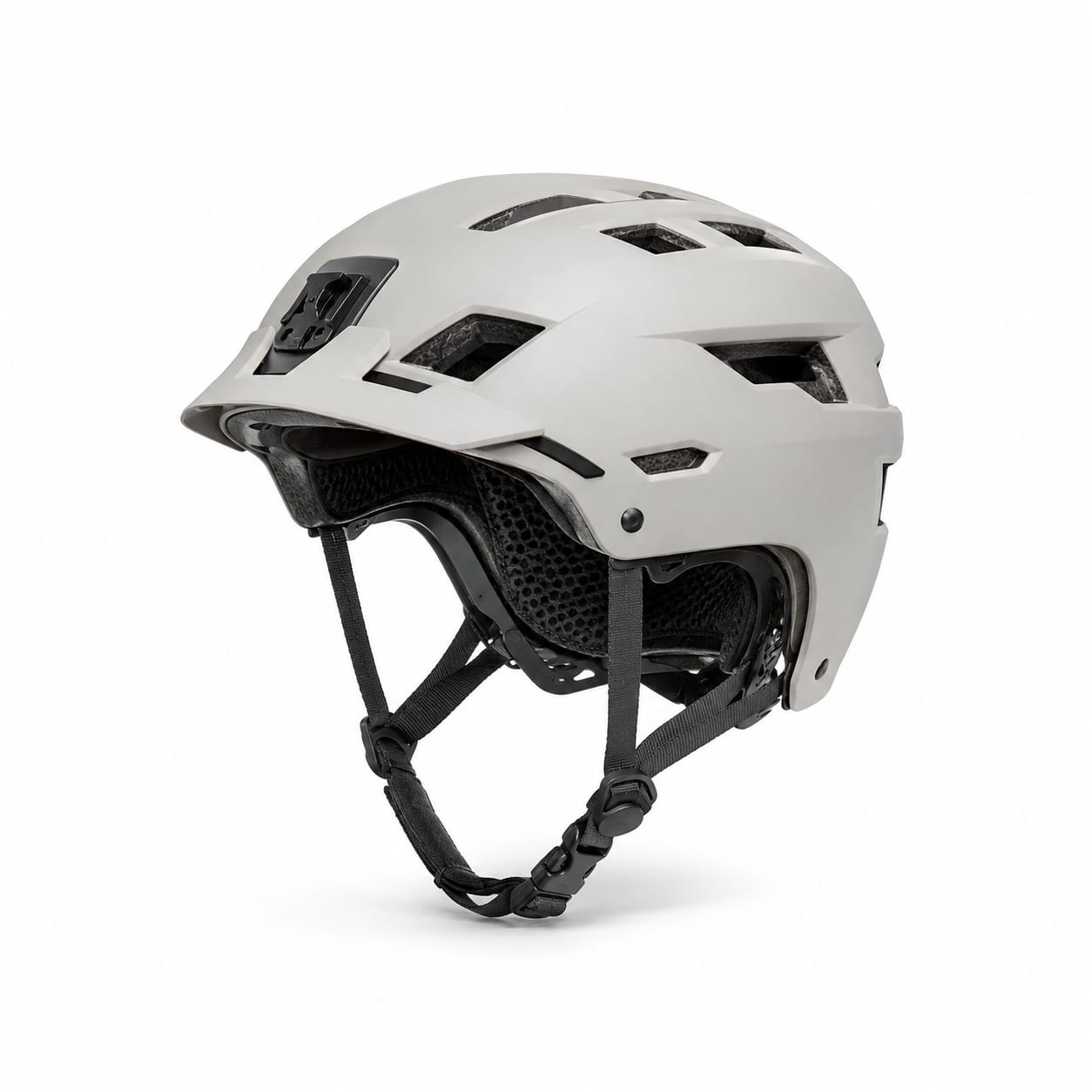
6 topics
Pick a question
Every answer links to the full subcategory guide and related gear types when it helps you decide.
Can I use a touring helmet for resort skiing?
Yes, but it won't be as comfortable as a dedicated resort helmet on cold days. Touring helmets have minimal insulation and extensive ventilation, so you'll likely need a thin beanie underneath for warmth on chairlift rides. On warm spring days, a touring helmet at the resort is actually quite comfortable. If you split your time roughly 50/50 between resort and backcountry, consider whether the weight and ventilation benefits of a touring helmet outweigh the warmth penalty on cold resort days.
Read answer →02Do I really need headlamp clips on a touring helmet?
If you ever do pre-dawn starts (dawn patrols), tours that might extend past sunset, or any skiing in low-light conditions, headlamp clips are genuinely valuable. Without them, a headlamp strapped over a smooth helmet shell can shift or fall off during aggressive movement. That said, if you only tour in full daylight and never anticipate being caught out after dark, clips are a nice-to-have rather than essential. Most experienced backcountry skiers consider them important because plans change and delays happen.
Read answer →03Is a touring helmet safe enough for the descent, or is it less protective than a resort helmet?
Touring helmets that carry CE EN1077 and/or ASTM F2040 certification meet the same impact standards as resort helmets. The protection level for downhill crashes is equivalent. The differences are in comfort features (less insulation, thinner ear pads) and durability (in-mold shells dent more easily), not in certified impact protection. Some touring helmets with dual EN12492 mountaineering certification actually offer additional protection against overhead penetration hazards that resort helmets don't test for.
Read answer →04Why are touring helmets so much more expensive than basic resort helmets?
The price premium comes from the weight-saving technologies: in-mold construction is more expensive to manufacture than hardshell, premium ventilation systems with adjustable sliders add cost, Fidlock buckles cost more than side-release buckles, and headlamp clips are an additional component. You're paying for the engineering that removes weight while maintaining safety and adding touring-specific features. Budget touring helmets exist in the $100–150 range, while premium models with all the features run $200–300+.
Read answer →05Should I wear my touring helmet on the uphill, or just put it on for the descent?
This is a debated topic in the backcountry community. Arguments for wearing it uphill include protection from overhead hazards (cornices, seracs, rockfall) and not having to stop at the top to dig it out. Arguments against include reduced hearing, added weight, and discomfort. The safest practice is to wear it whenever you're in terrain with overhead hazard, but many experienced skiers remove it on mellow, low-angle approaches. If you remove it, secure it to your pack — don't strap it to the outside where it can snag on branches or fall off.
Read answer →06Can I use a climbing/mountaineering helmet for ski touring instead?
You can, but it's not ideal. Mountaineering helmets certified only to EN12492 are tested for overhead penetration and top impacts but not for the types of oblique and side impacts common in ski falls. They also typically lack goggle compatibility and may not integrate well with ski goggles. If you do both climbing and skiing, look for a touring helmet with dual certification (EN1077 + EN12492) rather than using a pure climbing helmet for skiing. The ski-specific certification matters for downhill crash protection.
Read answer →