What it means
The overall design and coverage category of the helmet, which determines the level of protection, ear coverage, and intended use environment.
Typical for this type
Mountaineering
In practice
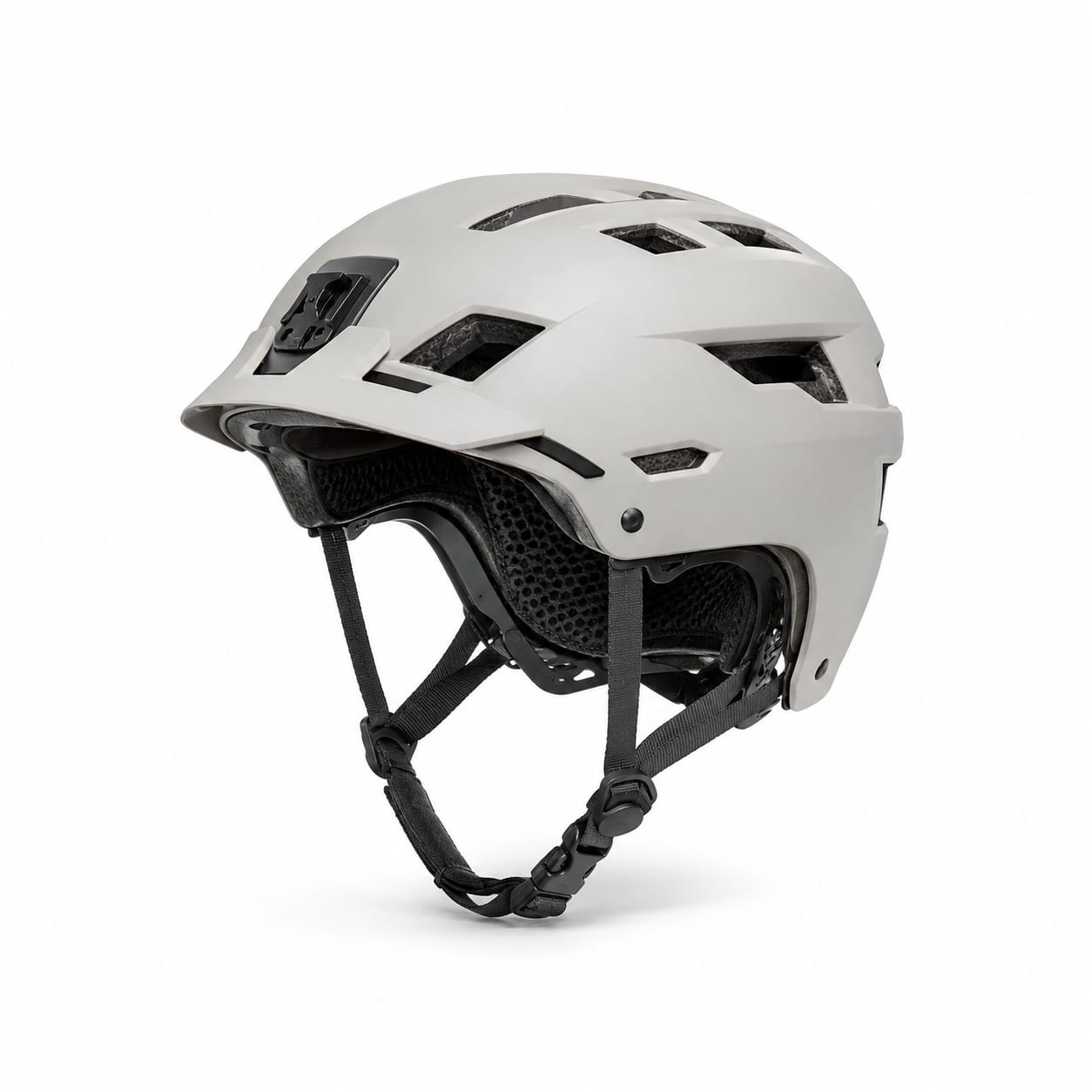
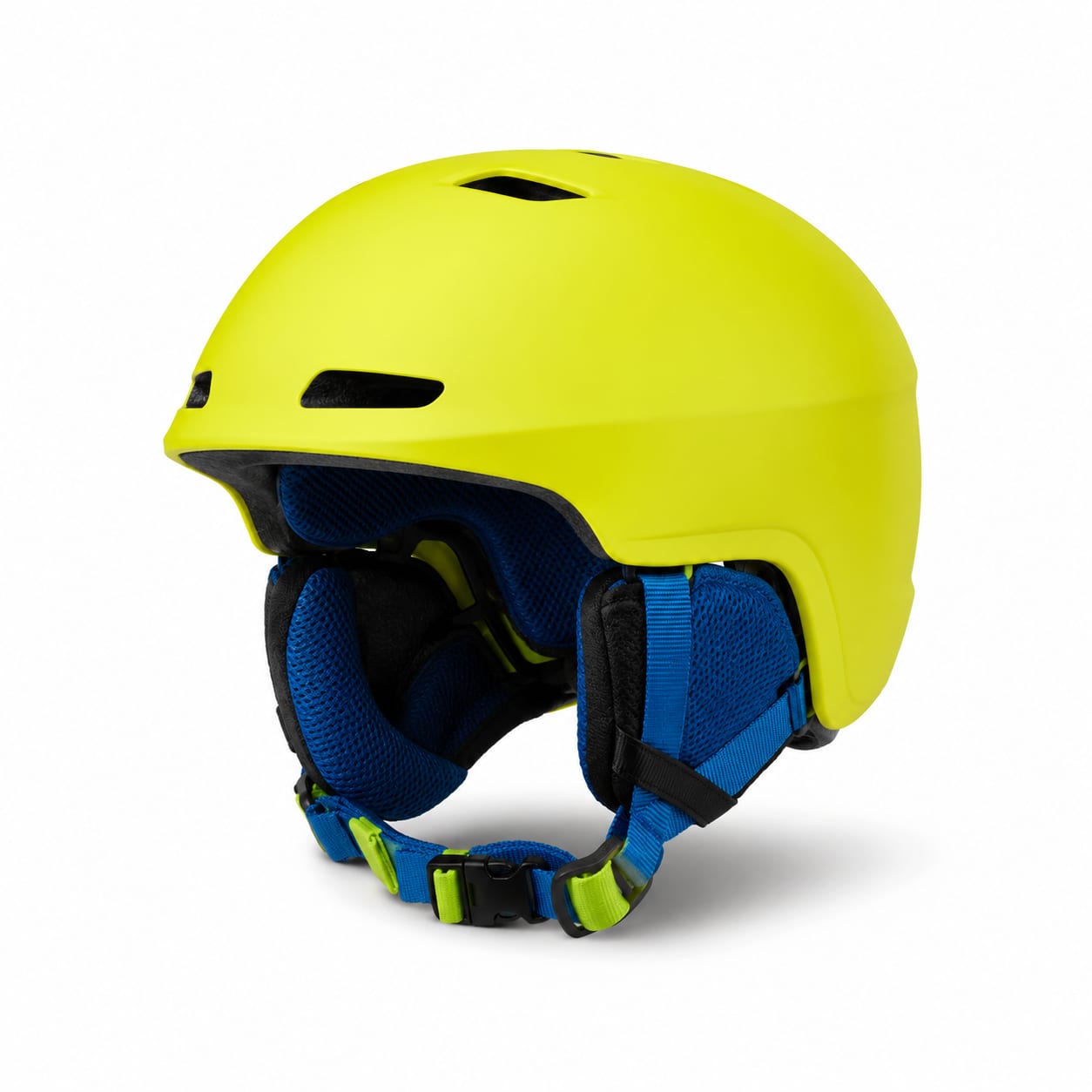
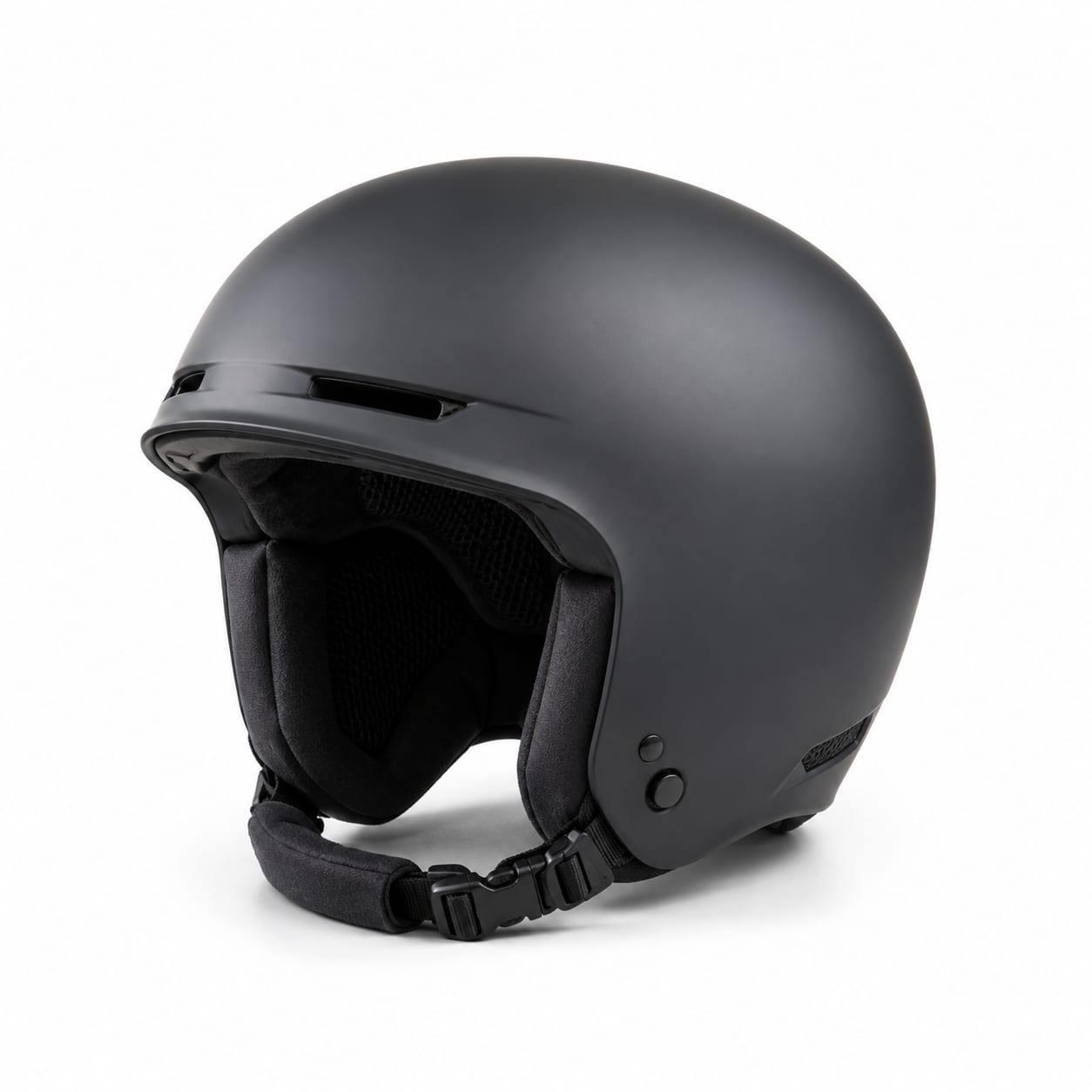
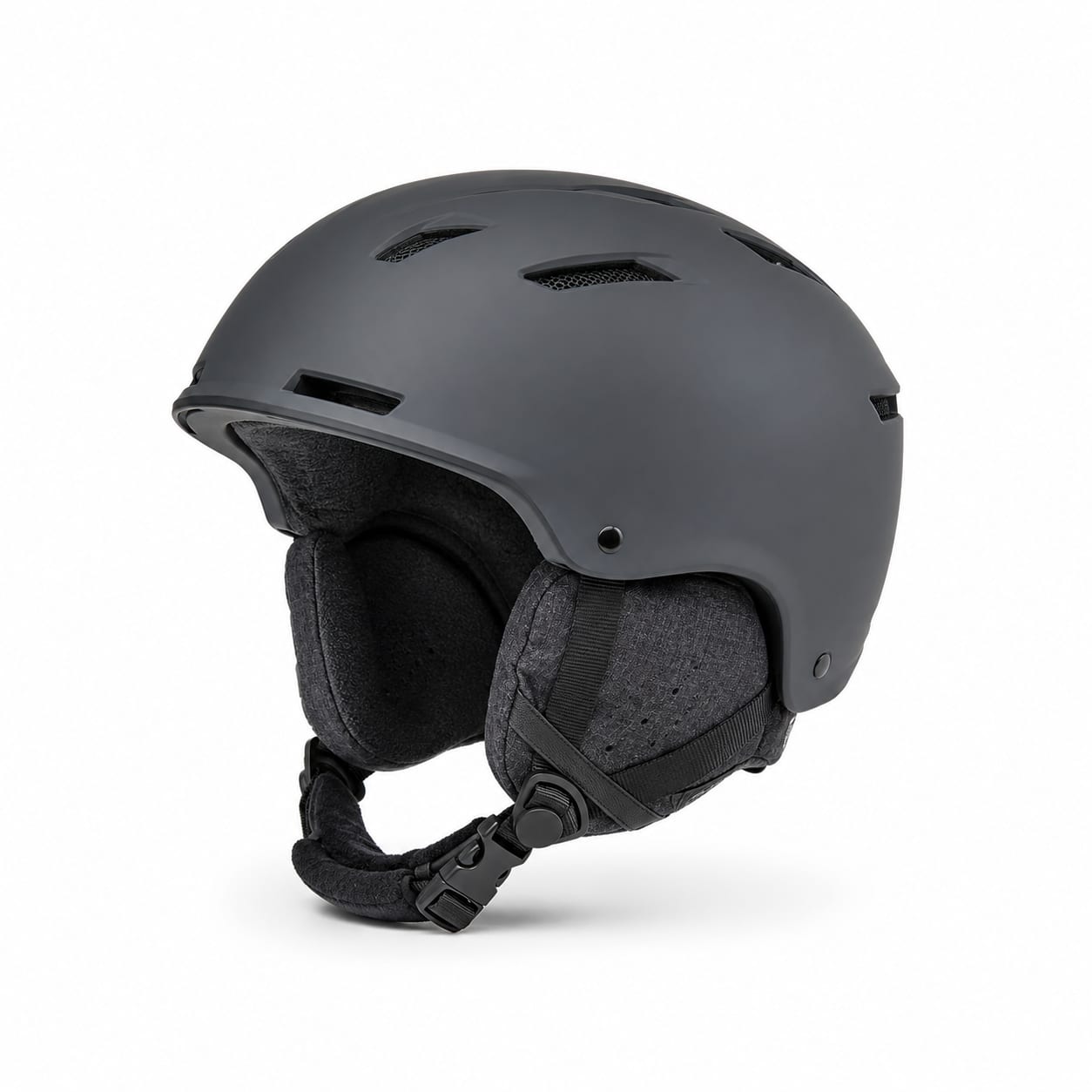
Backcountry/touring helmets use the mountaineering style, characterized by a low-profile design with minimal insulation, headlamp clips, and maximum ventilation. This style is optimized for uphill travel where heat management and weight are paramount.
Compared to other types
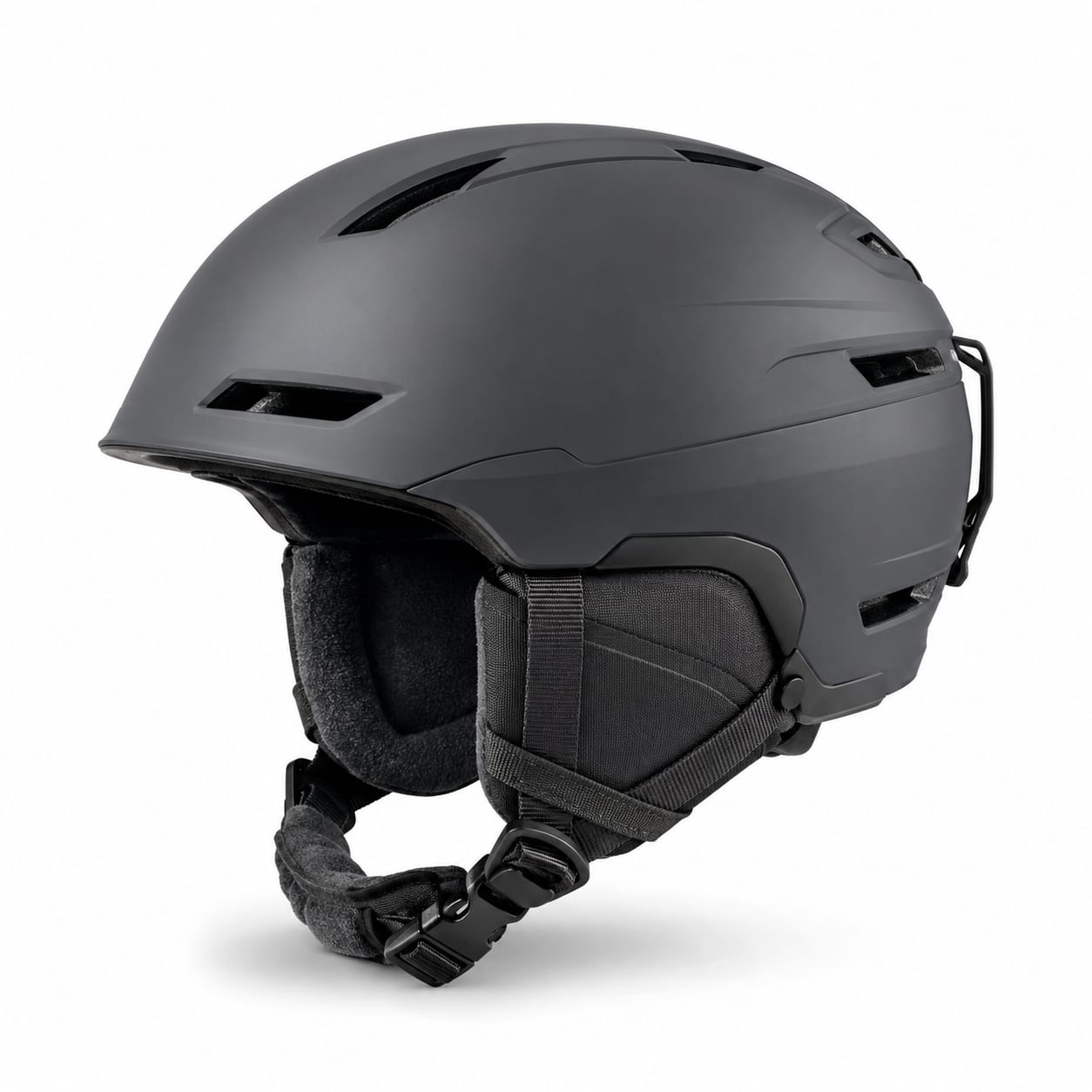
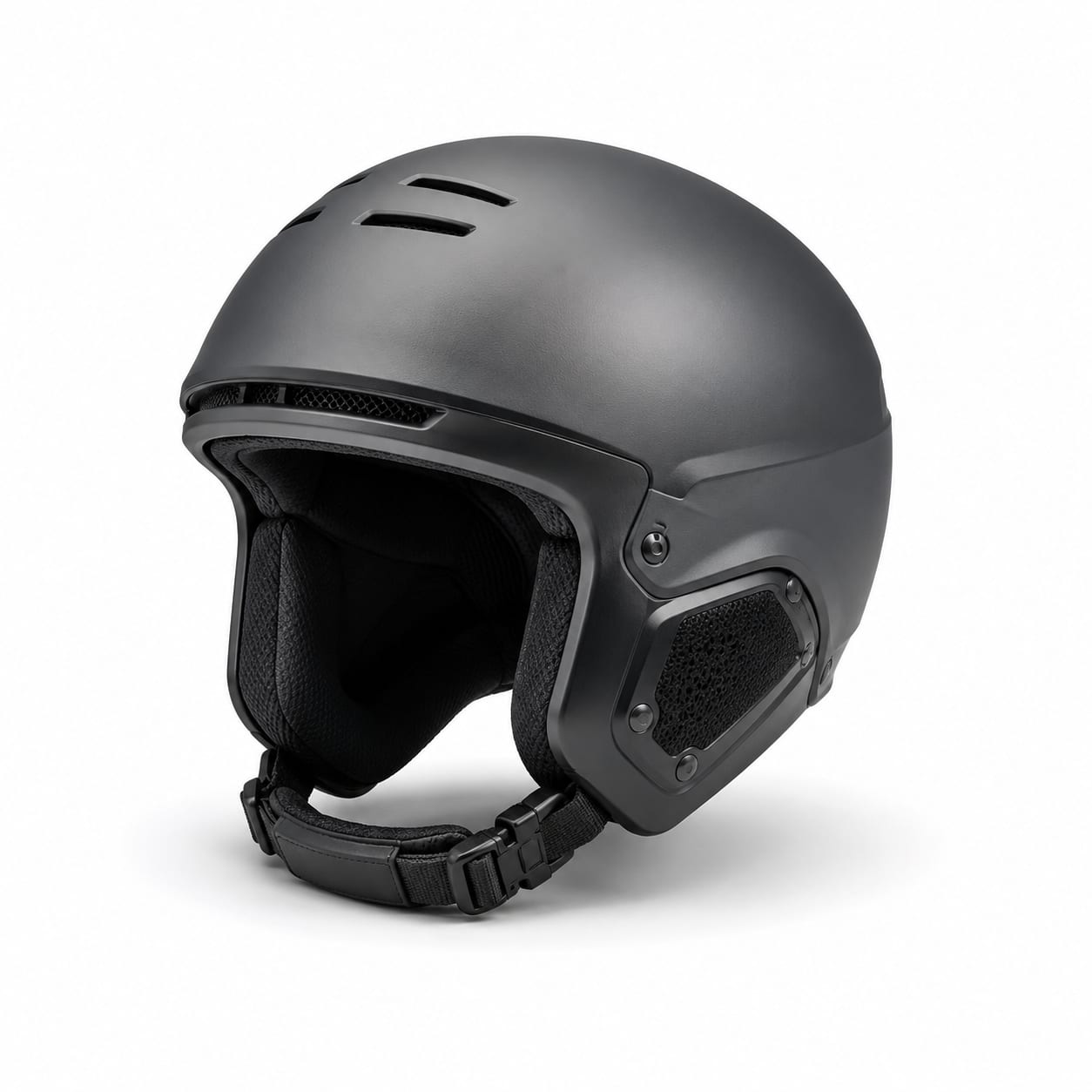
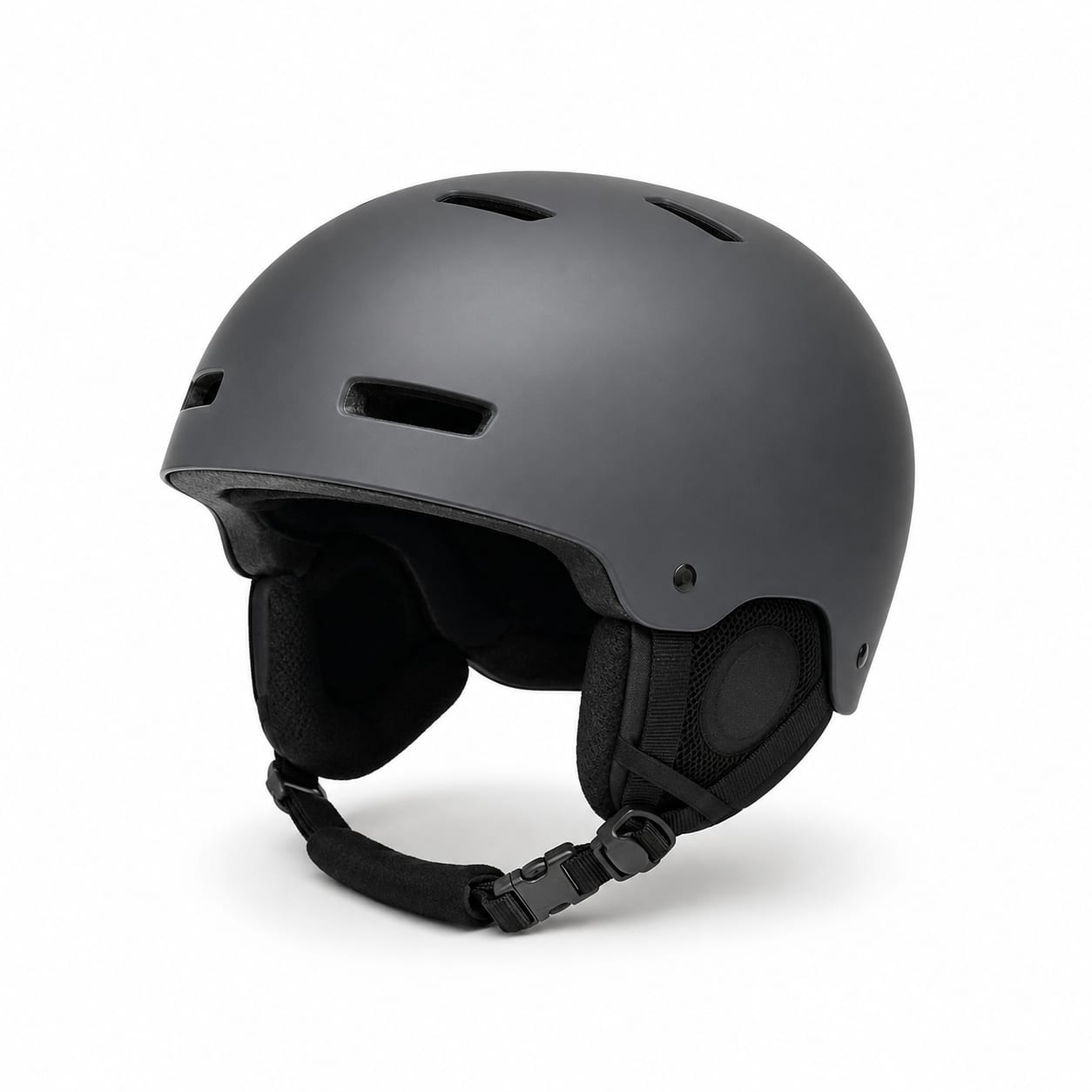
Unlike half-shell/alpine helmets that prioritize warmth and resort comfort, or freestyle helmets focused on park aesthetics, the mountaineering style sacrifices warmth and plushness for ventilation and weight savings. It provides less insulation than any other style but far superior thermal regulation for variable output levels.
Why it matters: The mountaineering style directly addresses the core needs of backcountry skiing: lightweight for long ascents, ventilated for high-output climbing, and compatible with headlamps for alpine starts. Using a resort-style helmet on tours leads to overheating, excessive weight, and poor headlamp attachment.
Size (Head Circumference)
Size
What it means
The head circumference measurement the helmet is designed to fit, typically measured in centimeters around the widest part of the head above the eyebrows.
Typical for this type
52-64 cm (S-XL depending on head size)
Most common pick: 55-58 cm (M)
In practice
Backcountry helmets follow standard sizing conventions, typically offered in S/M/L/XL ranges covering 52–64cm head circumferences. Proper fit is especially critical for touring helmets because they will be frequently donned and removed, and adjusted throughout the day as conditions change.
Compared to other types
Sizing ranges are similar across all ski helmet subcategories, but touring helmets often have more adjustable fit systems to accommodate layering changes throughout the day. The internal volume may feel slightly roomier to allow for beanie layering on cold ascents.
Why it matters: A touring helmet must stay securely in place during descents but also be comfortable enough to wear for hours on the uphill. An ill-fitting helmet that shifts during a crash provides inadequate protection, while one that's too tight becomes unbearable during sustained climbing. The fit system must accommodate thin beanies or balaclavas worn in cold conditions.
Construction
Construction Type
What it means
The method used to join the outer shell and inner foam liner, which affects weight, durability, and impact absorption characteristics.
Typical for this type
In Mold (Preferred) Or Hybrid
In practice
In-mold construction is the dominant choice for backcountry/touring helmets because it offers the best strength-to-weight ratio. The EPS foam is molded directly into the polycarbonate shell, creating a lighter helmet than hardshell alternatives. Some premium models use hybrid construction with in-mold on top and hardshell on the lower portion for added durability where the helmet contacts rocks or pack straps.
Compared to other types
Resort and rental helmets often use hardshell (ABS) construction for durability against daily wear, while touring helmets almost exclusively use in-mold for weight savings. Hybrid construction appears in some premium touring models as a compromise, offering durability in high-wear areas without the full weight penalty of hardshell.
Why it matters: Weight is a primary concern for touring helmets, and in-mold construction typically saves 50–100g compared to hardshell. This weight reduction is felt directly on long ascents. However, in-mold shells are more susceptible to dents from casual impacts like setting the helmet down on rocky terrain — a common scenario in the backcountry.
Rotational Protection
Rotational Impact Protection
What it means
Technology designed to reduce rotational forces on the brain during oblique impacts. Rotational forces are a leading cause of concussions and traumatic brain injuries in skiing.
Typical for this type
Mips (Strongly Recommended) Or Koroyd
In practice
MIPS is the most common rotational protection system in touring helmets, adding minimal weight while providing proven reduction of rotational forces during oblique impacts. Koroyd appears in premium Smith touring models and offers both rotational protection and enhanced ventilation. Given the variable and unpredictable nature of backcountry terrain, rotational protection is especially important.
Compared to other types
Rotational protection is important across all ski helmet subcategories, but arguably more so in backcountry helmets where medical help is farther away and evacuation is more difficult. The weight-conscious design of touring helmets means MIPS integration is carefully optimized to add minimal bulk, whereas resort helmets may have more room for larger rotational protection systems.
Why it matters: Backcountry skiing involves more variable snow conditions, hidden obstacles, and unpredictable terrain than resort skiing. Falls in the backcountry often involve awkward angles and rotational forces — exactly the type of impact MIPS and similar systems are designed to mitigate. The small weight penalty (10–20g) is negligible compared to the safety benefit.
Certification
Certification Standard
What it means
The safety certification standard(s) the helmet meets or exceeds. Different standards have different testing protocols and protection requirements.
Typical for this type
CE EN1077 Class A + ASTM F2040 Minimum; EN12492 (Mountaineering) Is A Bonus
Most common pick: CE EN1077 Class A, ASTM F2040
In practice
Most backcountry/touring helmets carry CE EN1077 Class A and ASTM F2040 certifications for ski helmet safety. Some also carry EN12492 (mountaineering helmet standard), which tests for additional hazards like penetration from falling objects (rockfall, ice) — a real concern in alpine environments. Dual certification to both ski and mountaineering standards indicates a helmet designed for the full range of backcountry hazards.
Compared to other types
Resort helmets typically carry only CE EN1077 and/or ASTM F2040. The addition of EN12492 mountaineering certification is unique to touring helmets and reflects the broader hazard profile of backcountry travel. Snell RS-98 is rare in touring helmets due to weight constraints but appears in some racing-focused models.
Why it matters: CE EN1077 ensures the helmet meets ski-specific impact standards for downhill crashes. EN12492 adds protection against penetration from above — critical for alpine environments with rockfall or icefall hazard. If you tour in glaciated or alpine terrain, a helmet with both certifications provides more comprehensive protection. ASTM F2040 is the North American standard and should also be present.
Ventilation
Ventilation Type
What it means
The ventilation system design, which affects temperature regulation, fog prevention for goggles, and comfort in varying weather conditions.
Typical for this type
Adjustable (Essential For Touring)
In practice
Adjustable ventilation is arguably the most important feature differentiating touring helmets from resort models. Touring helmets need to dump massive amounts of heat during high-output climbing and then seal up for cold descents. The adjustment mechanism must be operable with gloved hands, and the vent system should provide a wide range from fully open (maximum cooling) to fully closed (wind protection on descent).
Compared to other types
Touring helmets have significantly more ventilation capacity than resort helmets, with larger vents and more of them. Resort helmets often have fixed or minimally adjustable vents because lift-served skiing generates less body heat. Touring helmet vent sliders are specifically designed for easy gloved operation, while some resort helmet vents require bare fingers.
Why it matters: Without adjustable ventilation, you face an impossible choice: overheat and sweat through your helmet on the climb, or freeze on the descent with permanently open vents. Sweaty liners that freeze at the summit are a genuine hazard. Adjustable vents let you regulate temperature dynamically — open for the skintrack, partially closed at the transition, sealed for the descent.
What it means
The total weight of the helmet in grams. Lighter helmets reduce neck fatigue on long days but may sacrifice some features or durability.
Typical for this type
280-380g
Most common pick: 330g
In practice
Backcountry/touring helmets are the lightest category of ski helmets, typically weighing 280–380g in a medium size. This is 100–150g lighter than typical resort helmets. The weight savings come from in-mold construction, minimal insulation, reduced ear coverage, and streamlined features. Every gram matters when you're wearing the helmet for hours on end during a tour.
Compared to other types
Resort half-shell helmets typically weigh 400–550g, freestyle helmets 380–480g, and full-shell racing helmets 500–650g. Touring helmets are 20–40% lighter than resort models. This weight advantage comes from reduced insulation, thinner ear pads or no ear pads, in-mold construction, and fewer comfort features.
Why it matters: Neck fatigue from a heavy helmet compounds over hours of uphill travel and affects your ability to look up and assess terrain. A 350g helmet versus a 500g helmet is a noticeable difference on a 4-hour tour. Lighter helmets also pack more easily when stowed on your backpack during bootpacks or technical climbing sections.
Fit System
Fit Adjustment System
What it means
The mechanism used to fine-tune the helmet's fit to the head after selecting the appropriate size. A good fit system ensures the helmet stays securely in place during impacts.
Typical for this type
Dial Boa Or Ergo Dial
In practice
Dial-based fit systems (BOA or proprietary equivalents) are standard on touring helmets because they allow quick, one-handed adjustment with gloves — essential for tightening the helmet before a descent or loosening it during a climb. The ability to micro-adjust fit on the fly is more important in touring than any other subcategory because you'll frequently add or remove thin beanies and balaclavas throughout the day.
Compared to other types
While dial systems are common across all mid-range and premium ski helmets, they're especially valuable in touring helmets where layering changes are frequent and gloves are always worn. Budget resort helmets sometimes use pad systems, but these are essentially unusable for touring due to the need for on-the-fly adjustment.
Why it matters: Touring involves constant transitions: skinning with a beanie, switching to a helmet for the descent, adding a balaclava at the summit, removing layers as the day warms. A dial fit system lets you adjust the helmet to each layering combination in seconds, without removing gloves. Pad-based systems require stopping and swapping pads — impractical in the backcountry.
Goggle Fit
Goggle Compatibility
What it means
How well the helmet integrates with ski goggles, including the absence of a gaper gap, secure goggle strap attachment, and proper vent alignment to prevent fogging.
Typical for this type
Integrated Clip Or Universal
In practice
Most touring helmets feature an integrated goggle clip on the rear to secure the strap, which is important because touring often involves removing and replacing goggles multiple times (switching to sunglasses for the climb, back to goggles for the descent). The clip must be easy to use with gloves. Universal compatibility is common since touring skiers may use various goggle brands.
Compared to other types
Touring helmets prioritize universal goggle compatibility and secure clip systems over the matched brand systems common in premium resort helmets. This is because touring skiers often prioritize goggle function (lens interchangeability, low-light performance) over brand matching. The integrated clip is more critical for touring because goggles are removed and replaced more frequently.
Why it matters: In the backcountry, you'll frequently swap between sunglasses for the uphill and goggles for the downhill. The goggle strap needs to attach securely each time, ideally one-handed with gloves. An integrated clip makes this process smooth, while a helmet without a secure clip means your goggles can slip off during aggressive skiing — a serious problem in the backcountry where replacement isn't an option.
What it means
The style and removability of ear protection, which affects warmth, hearing ability, and versatility across seasons and conditions.
Typical for this type
Removable Insulated Or None
In practice
Touring helmets commonly feature removable insulated ear pads that can be taken off for the uphill (better hearing for communication and avalanche awareness, less heat retention) and replaced for the descent. Some ultralight touring helmets have no ear pads at all, relying on a beanie or headband for ear coverage. Fixed ear pads are rare in this category because they prevent the adaptability that touring demands.
Compared to other types
Resort helmets typically have fixed or removable insulated ear pads for all-day warmth. Freestyle helmets often have audio-compatible ear pads. Touring helmets are more likely to have removable pads or no ear pads at all, reflecting the priority on ventilation, hearing, and weight savings over warmth.
Why it matters: Removable ear pads give you the flexibility to adapt to conditions: remove them on the climb for better hearing and ventilation, install them for the descent when wind chill and speed demand ear protection. In the backcountry, hearing your partners, the snowpack, and potential avalanche activity is a safety concern — thick ear pads can muffle these critical sounds during the approach.
What it means
The inner liner material that contacts the head, providing comfort, moisture management, and additional impact absorption.
Typical for this type
Eps Or Eps Merino
In practice
Standard EPS foam is the most common liner in touring helmets, providing proven impact absorption at minimum weight. Some premium models feature EPS with merino wool covers for superior moisture management and odor resistance — valuable for multi-day tours where the helmet doesn't dry between uses. Multi-density EPS appears in higher-end models for optimized impact absorption across different force levels.
Compared to other types
Touring helmets rarely use Koroyd+EPS hybrid liners due to the added weight, while these appear in premium resort helmets. The focus in touring is on minimum weight with proven protection. Merino wool covers are more common in touring helmets than other categories because moisture management during high-output activity is a bigger concern.
Why it matters: The liner material affects both safety and comfort. EPS provides reliable impact protection at the lightest weight. Merino wool covers wick moisture during high-output climbing and resist odor on multi-day trips — a meaningful comfort upgrade for touring. However, all certified EPS liners meet the same safety standards, so the choice is primarily about comfort and moisture management.
Audio Compatible
Audio Ready
What it means
Whether the helmet is designed to accommodate audio speakers or headphones, either with built-in speakers or compatible ear pads with speaker pockets.
Typical for this type
False (Recommended For Safety In Backcountry)
In practice
Most touring helmets are not audio-ready, and this is intentional. In the backcountry, hearing is a critical safety sense — you need to hear your partners, avalanche activity, wind changes, and other environmental cues. Audio-ready ear pads that accommodate speakers are rare in touring helmets and generally discouraged for backcountry use.
Compared to other types
Resort and freestyle helmets frequently offer audio-compatible ear pads for music on chairlifts. Touring helmets almost universally omit this feature, reflecting the different safety priorities of backcountry travel where environmental awareness is paramount.
Why it matters: Situational awareness in the backcountry depends heavily on hearing. The sound of settling snow, a partner's call, or the whoompf of a collapsing wind slab can be the difference between safety and a life-threatening situation. Audio speakers in ear pads reduce your ability to hear these critical signals. This is why most touring helmets deliberately omit audio compatibility.
Washable Liner
Removable Washable Liner
What it means
Whether the interior padding and liner can be removed for washing, which affects hygiene and longevity of the helmet.
Typical for this type
True (Strongly Preferred)
In practice
A removable, washable liner is especially valuable in touring helmets because they get significantly sweatier than resort helmets during uphill travel. The ability to remove and dry the liner between tours — or wash it after a particularly sweaty outing — improves hygiene, comfort, and helmet longevity. Many touring-specific liners also feature moisture-wicking treatments.
Compared to other types
Removable liners appear across all helmet categories but are more consistently featured in touring helmets because of the higher moisture exposure. Resort helmets may have fixed liners since they don't get as sweaty during lift-served skiing, but touring helmets almost always offer removable padding for drying and washing.
Why it matters: Touring helmets absorb far more sweat than resort helmets due to the sustained high-output climbing. A removable liner can be taken out to dry overnight on multi-day trips, preventing the growth of odor-causing bacteria and the discomfort of putting on a damp, cold helmet the next morning. This is a practical necessity for regular backcountry skiers.
Shell Material
Shell Material
What it means
The material used for the outer shell of the helmet, which affects durability, weight, and appearance.
Typical for this type
Polycarbonate (Standard) Or Composite (For Alpine Objectives)
In practice
Polycarbonate is the standard shell material for touring helmets, used in in-mold construction for the best strength-to-weight ratio. Composite/fiberglass shells appear in some mountaineering-oriented models that prioritize durability on rocky terrain and penetration resistance. Carbon fiber is rare in touring helmets due to cost, though it appears in ultra-premium models.
Compared to other types
Resort helmets commonly use ABS plastic for durability against daily wear and rental use. Touring helmets almost exclusively use polycarbonate for weight savings. Composite shells are more common in touring/mountaineering helmets than in other ski categories because of the penetration resistance needed for alpine environments.
Why it matters: Polycarbonate provides adequate durability for most touring use at the lightest weight. However, if your tours involve technical mountaineering with rockfall hazard or scrambling where the helmet may contact rock, a composite shell offers better penetration resistance and durability against abrasion. The weight penalty is typically 30–50g.
Number of Vents
Number of Vents
What it means
The total count of ventilation openings on the helmet. More vents provide better airflow but may reduce warmth.
Typical for this type
12-18 vents
Most common pick: 14
In practice
Touring helmets typically feature 12–18 vents, significantly more than resort helmets. This extensive ventilation network is essential for dumping the massive heat generated during uphill travel. The vents are usually arranged in front-to-rear channels that create efficient airflow through the helmet, and most are adjustable to regulate flow based on activity level and temperature.
Compared to other types
Resort helmets typically have 8–12 vents because lift-served skiing generates less body heat. Freestyle helmets may have 8–10 vents. Touring helmets have 50–100% more ventilation capacity than resort models, reflecting the dramatically different thermal demands of human-powered versus lift-served skiing.
Why it matters: More vents mean faster heat dissipation during high-output climbing, which prevents overheating and the dangerous cycle of sweating-then-freezing that plagues poorly ventilated helmets on tours. The ability to open all vents on the climb and close them for the descent is what makes a touring helmet functional for its intended use.
Brim or Visor
Brim / Visor
What it means
Whether the helmet includes a brim or visor for sun protection, weather deflection, and goggle integration.
Typical for this type
Removable Visor (Preferred For Versatility) Or Integrated Brim
In practice
Removable visors are common on touring helmets because they provide sun protection on snow and glaciers — where UV exposure is intense — but can be removed when not needed to save weight and reduce wind resistance. Integrated brims appear on some models for permanent sun protection. The choice depends on how much glacier and high-altitude touring you do.
Compared to other types
Resort helmets may have integrated brims or no brim at all. Freestyle helmets almost never have brims. Touring helmets are the most likely to feature removable visors because of the variable conditions encountered in the backcountry and the sun exposure on glaciated terrain. The removable design reflects the touring priority of adaptability.
Why it matters: On sunny spring tours at high altitude, sun glare off snow can be blinding, and a visor provides significant eye comfort and UV protection for the face. A removable visor gives you this protection when needed (glacier travel, sunny corn tours) and removes it when it's unnecessary (storm skiing, tree skiing) or when you want minimum weight and profile.
Buckle Type
Chin Strap Buckle Type
What it means
The type of buckle used on the chin strap, which affects ease of use, especially with gloves, and security of the closure.
Typical for this type
Fidlock (Preferred) Or Side Release
In practice
Fidlock magnetic buckles are increasingly standard on touring helmets because they can be operated easily with gloves — a critical feature when you're adjusting your helmet in cold conditions at a transition point. The magnetic auto-close mechanism lets you secure the chin strap one-handed, even with bulky touring gloves. Side-release buckles are still common on budget models.
Compared to other types
Fidlock buckles are becoming common across all premium ski helmets, but they're especially valuable in touring helmets where gloved operation is the norm rather than the exception. Resort skiers may remove gloves to adjust their helmet, but touring skiers rarely have that luxury in cold, windy conditions.
Why it matters: In the backcountry, you'll fasten and unfasten your chin strap multiple times: removing the helmet to eat, adjusting layers, or stowing it in your pack. Doing this with cold hands in thick gloves is frustrating with traditional side-release buckles but effortless with a Fidlock. This convenience means you're more likely to actually buckle your helmet consistently, which is a safety benefit.