
This is a debated topic in the backcountry community. Arguments for wearing it uphill include protection from overhead hazards (cornices, seracs, rockfall) and not having to stop at the top to dig it out. Arguments against include reduced hearing, added weight, and discomfort. The safest practice is to wear it whenever you're in terrain with overhead hazard, but many experienced skiers remove it on mellow, low-angle approaches. If you remove it, secure it to your pack — don't strap it to the outside where it can snag on branches or fall off.
Ski Helmet · Backcountry/Touring Helmet
Should I wear my touring helmet on the uphill, or just put it on for the descent?
Related gear types
If this answer nudged you toward a different style, these guides compare specs and trade-offs.
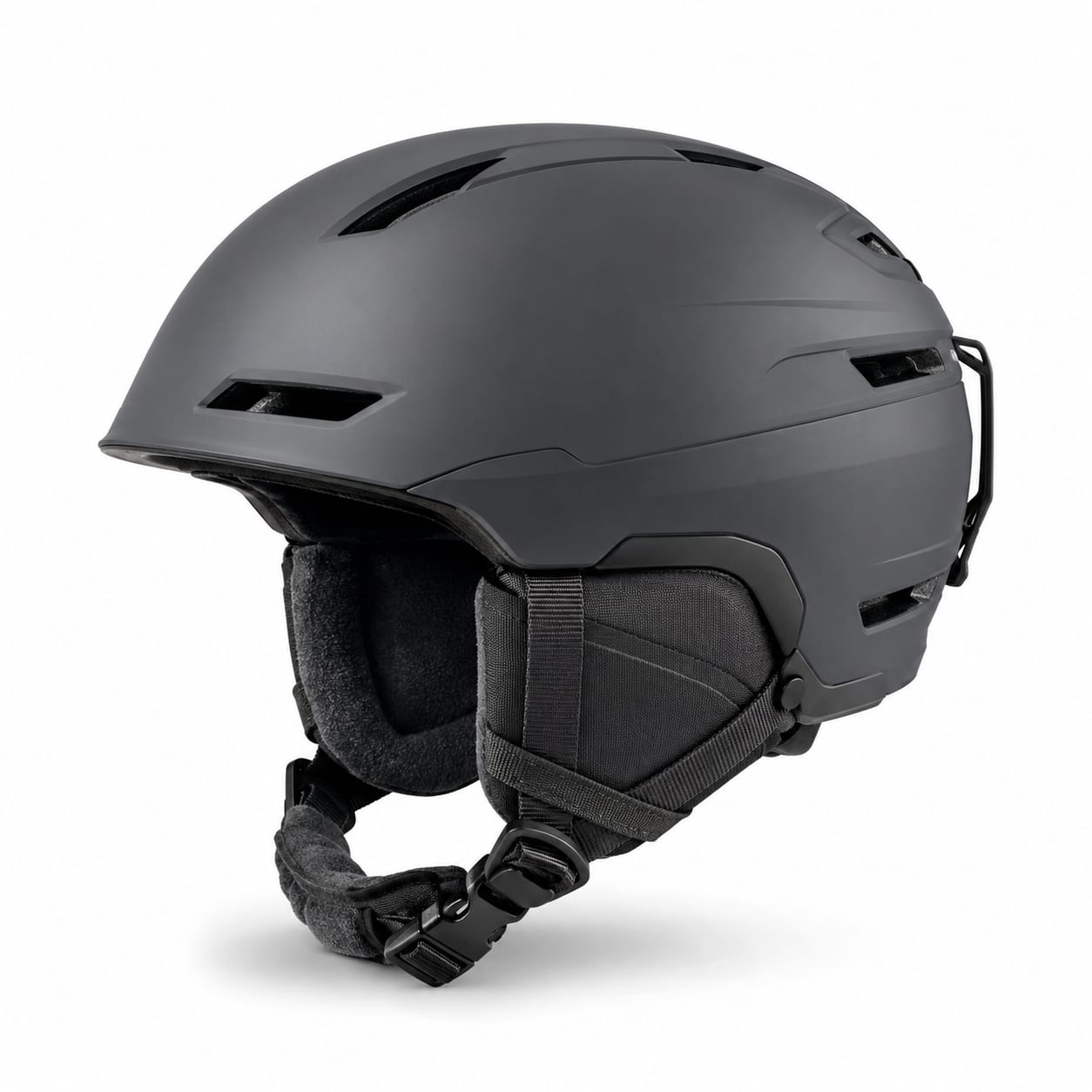
All-Mountain Ski Helmet
$60 – $280
Versatile helmets designed for general skiing across varied terrain and conditions.
Adjustable ventilationRemovable ear padsGoggle integration strap or clip
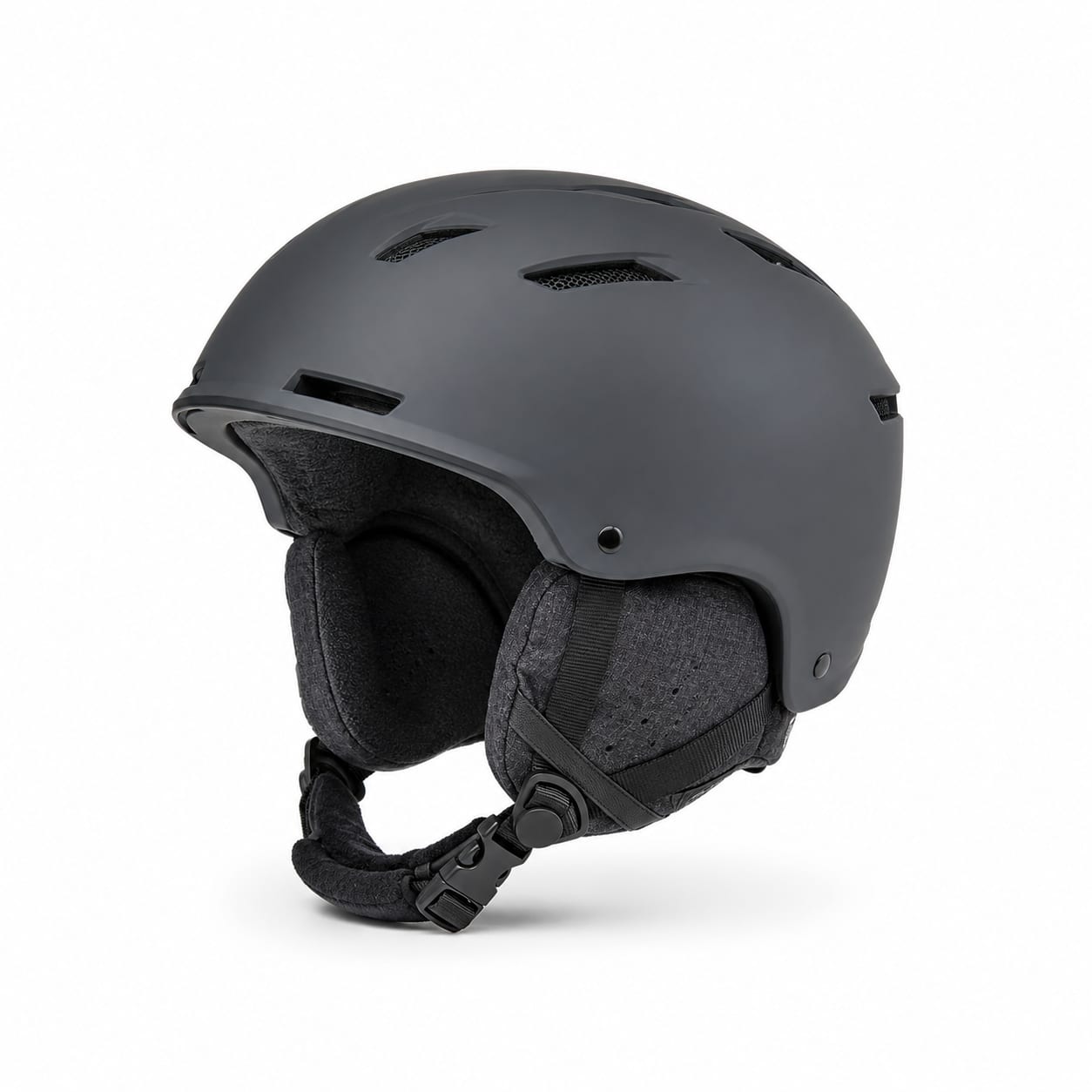
Half-Shell Ski Helmet
$50 – $250
Lightweight helmets with soft ear pads instead of hardshell ear coverage for enhanced comfort and hearing.
Soft removable ear padsLighter weight than full-shellBetter ambient hearing
More questions
- Can I use a touring helmet for resort skiing?
- Do I really need headlamp clips on a touring helmet?
- Is a touring helmet safe enough for the descent, or is it less protective than a resort helmet?
- Why are touring helmets so much more expensive than basic resort helmets?