
Ski Helmet · FAQ
Questions about Freestyle/Park Helmet
Straight answers on fit, specs, and when this type makes sense — each topic has its own page with links back to the buying guide.
Open Freestyle/Park Helmet guide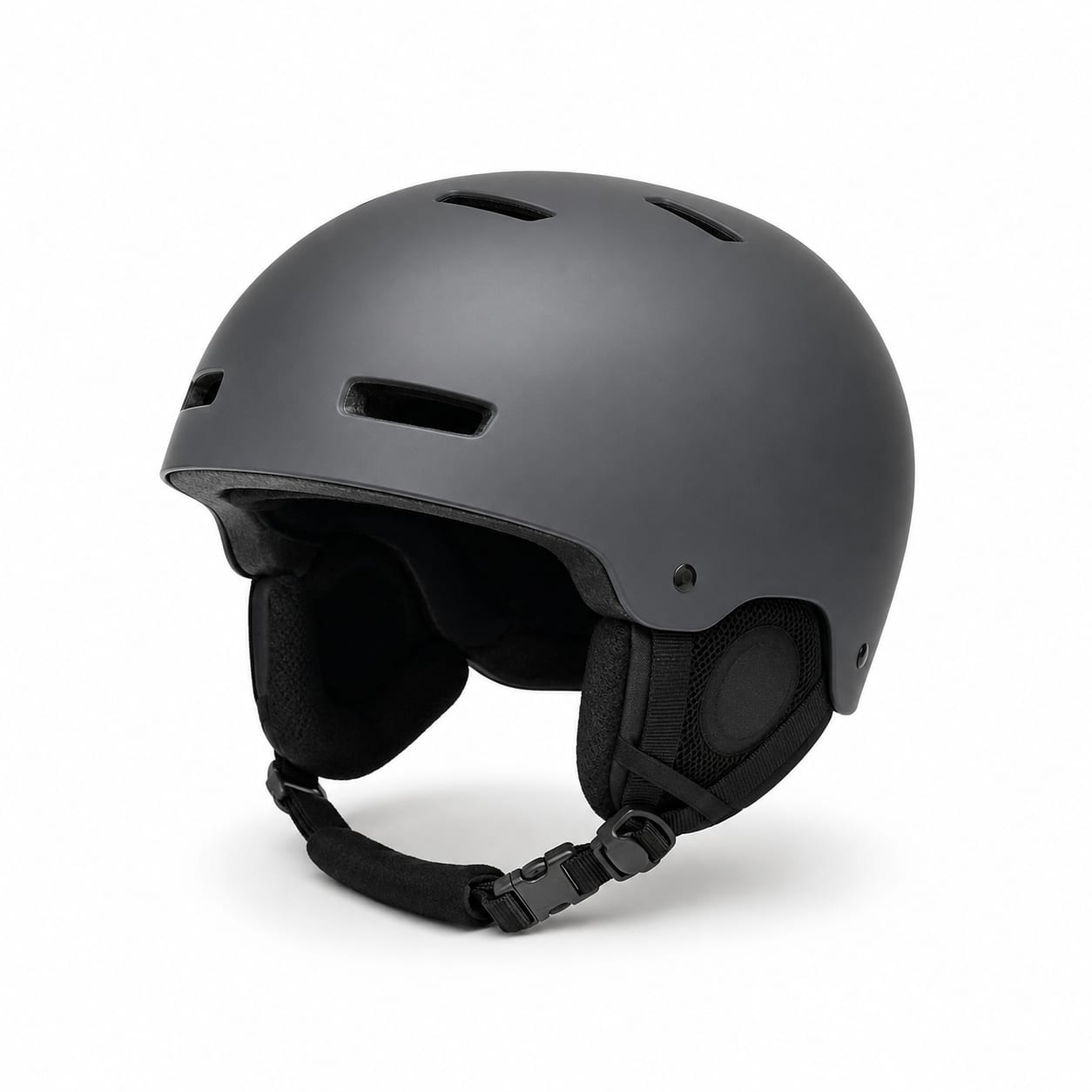
6 topics
Pick a question
Every answer links to the full subcategory guide and related gear types when it helps you decide.
Can I use a freestyle ski helmet for skateboarding or BMX in the summer?
Many freestyle ski helmets with removable ear pads can double as skate/BMX helmets with the pads removed, and some riders do this successfully. However, ski helmets are certified to different standards (CE EN1077 / ASTM F2040) than skate helmets (CE EN1078 / CPSC). If you're skating in a skatepark that requires specific certification, a dedicated skate helmet is the safer and compliant choice. For casual cruising, a freestyle ski helmet with pads removed provides reasonable protection.
Read answer →02Is CE EN1077 Class B certification safe enough for park riding?
Yes. Class B certification differs from Class A primarily in ear coverage area — the soft ear pads on freestyle helmets don't meet the rigid ear protection requirement of Class A. The crown, forehead, and side impact zones that are most critical for park falls are tested to the same standards in both classes. The soft ear pads are a deliberate design choice that allows better hearing and comfort, and the trade-off in ear coverage is appropriate for the park environment.
Read answer →03Do I really need MIPS in a freestyle helmet?
Strongly recommended but not mandatory. Park riders experience frequent falls from height onto hard-packed snow and park features, often at oblique angles that generate rotational forces on the brain. MIPS has been shown to reduce these rotational forces by 10-15mm of slip. The technology adds minimal weight and a modest cost premium. If your budget allows, MIPS is one of the most impactful safety upgrades you can make. If budget is tight, a properly fitted non-MIPS helmet from a reputable brand is still far better than no helmet.
Read answer →04Why are freestyle helmets lighter than alpine helmets?
Three main factors: in-mold construction (polycarbonate shell fused directly to EPS foam) is lighter than hardshell or hybrid construction; freestyle helmets have less insulation and thinner ear pads; and the brimless design removes additional material. The weight savings of 50-100g compared to alpine helmets is noticeable during spins and over long park days, reducing neck fatigue and rotational inertia.
Read answer →05Can I wear a beanie under my freestyle helmet for extra warmth?
You can, but it requires careful attention to fit. A thin beanie (2-3mm thickness) can work if you size the helmet to accommodate it, but thick beanies will compromise the helmet's ability to protect your head by creating an unstable, shifting layer between the helmet and your skull. If you need extra warmth, consider a helmet-specific thin liner or balaclava instead of a bulky beanie. Always verify the helmet fits securely with the beanie — it should not shift when you shake your head vigorously.
Read answer →06What's the difference between audio-ready and built-in audio helmets?
Audio-ready helmets have ear pads with pockets designed to accept drop-in speaker systems (like Outdoor Tech Chips or Smith Audio), but the speakers are sold separately. Built-in audio helmets come with speakers permanently installed in the ear pads. Audio-ready is more common and more flexible — you can choose your preferred audio system, replace speakers if they fail, and swap to non-audio ear pads when you don't want speakers. Built-in audio is simpler but less flexible and often has lower audio quality than aftermarket options.
Read answer →